

A practical vegetable garden series
Sow this delicate, anise-scented herb in cool weather and snip fresh leaves through autumn and, with protection, into winter.
|
GROW WITH US Sow chervil for cool weather, keep the soil moist and snip young leaves before flowering. |
Written for home gardeners in Hungary
CHAPTER WELCOME
Your winter chervil season starts here
This book follows the whole journey: seed → seedling → garden → care → harvest → kitchen → next season.
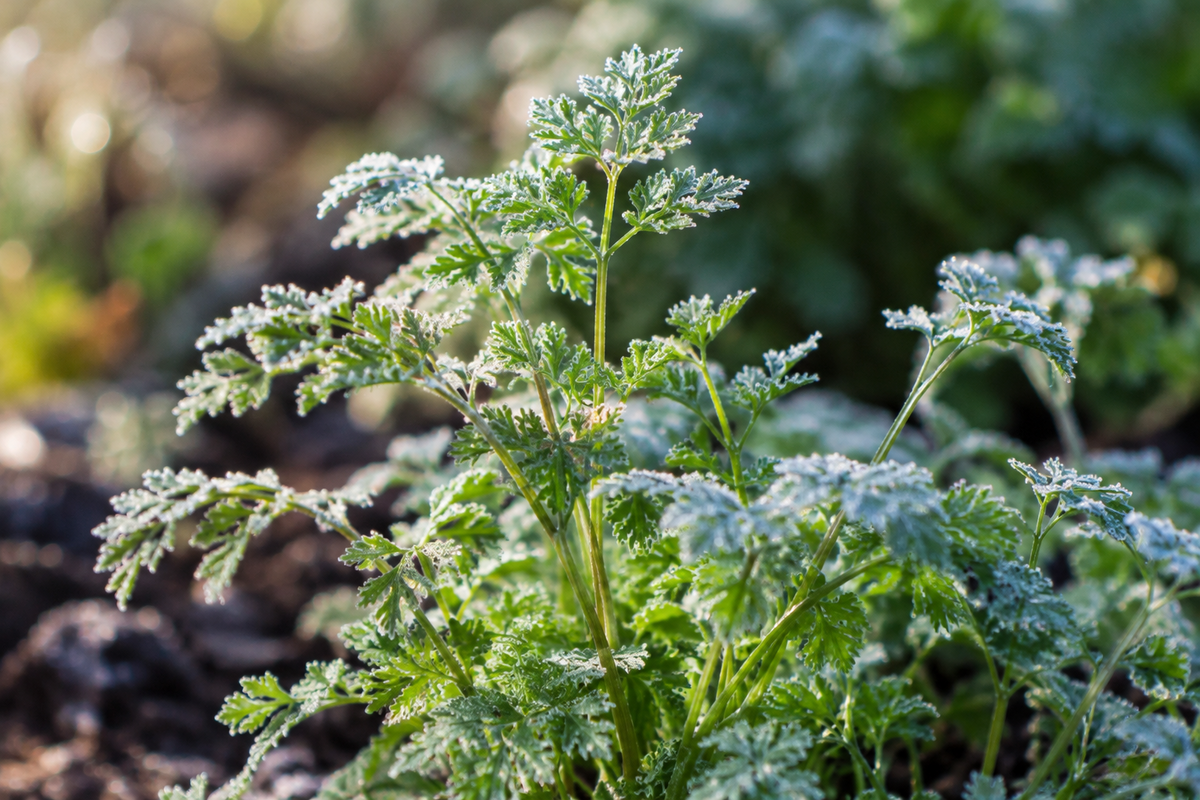
Winter chervil is a cool-season form of culinary chervil, grown for its finely cut, parsley-like leaves and gentle anise flavour. Near Győr, sow a small patch in spring or late summer; an autumn sowing can supply leaves into winter if you give it cloche or cold-frame protection. Chervil dislikes hot, dry weather, so choose a partly shaded position and keep the soil evenly moist. Sow it where it will grow, then pick leaves before the plants flower.
Winter chervil is not a separate species from common chervil. Seed packets use names such as Winter or Brussels Winter for chervil selected or marketed for cool-season growing. It is Anthriscus cerefolium, a short-lived annual or biennial herb in the carrot family. The best flavour comes from young leaves, which taste softly of anise and parsley. In Hungary, aim for a spring or late-summer sowing: the winter crop grows slowly as days shorten, and a simple cover can help protect it from severe cold.
Our Hungarian calendar
|
March–May |
Sow outdoors when the bed is workable. |
|
Late summer |
Sow again for autumn and winter leaves. |
|
Autumn |
Keep the patch moist and weed-free. |
|
Early winter |
Cover plants during severe frost. |
|
Winter |
Pick leaves during mild spells under protection. |
|
Next spring |
Sow fresh seed for another leafy crop. |
|
WHAT I WOULD DO I would sow a short row in spring and another in late August, then protect the autumn patch with fleece. |
The rule for this series: dates guide us, but the plant and the weather make the final decision.
CHAPTER 1
Meet Winter Chervil
A cool-season herb with delicate leaves and a soft aniseed flavour.
Winter chervil (Anthriscus cerefolium) is culinary chervil grown for fresh leaves during cooler parts of the year. It forms a low rosette of finely divided, bright green foliage, then sends up slender stems with tiny white flowers if left to mature. It belongs to the Apiaceae family, alongside parsley, carrot and dill. The crop grows quickly in cool, moist conditions but can flower early in hot, dry weather. Harvest leafy growth regularly and sow fresh batches to keep a steady supply.
Delicate leaves for the cool months
|
Botanical name |
Anthriscus cerefolium; culinary chervil. |
|
Plant family |
Apiaceae; grown for finely cut aromatic leaves. |
Choose how you want to grow the plant
· For an easy start: direct sow a short row into damp, fine soil.
· For an autumn harvest: sow in late summer before days turn short.
· For a small space: sow a pot and move it into light shade.
· For winter leaves: cover an established patch with a cloche or cold frame.
· For tender flavour: pick young leaves before flowering.
· For next year: save fresh seed or allow a few plants to self-sow.
|
GOOD TO KNOW “Winter” chervil is still culinary chervil; the name points to its cool-season use. |
CHAPTER 2
Choose Your Winter Chervil
Plan for cool temperatures, moist soil and protection from hot sun or hard frost.
Ask yourself five questions
1. Can I give chervil a cool, partly shaded place?
2. Can I sow it directly where it will grow?
3. Will I keep the soil evenly moist during dry spells?
4. Can I protect an autumn sowing from severe winter weather?
5. Will I harvest leaves regularly before flowering?
A beginner-friendly first planting
|
Start |
Direct sow in spring or late summer. |
|
Position |
Cool, partly shaded and sheltered. |
|
Spacing |
Thin plants to about 15 cm apart. |
|
Water |
Keep soil evenly moist, not waterlogged. |
|
A COMMON MISTAKE Sowing in hot, dry midsummer weather. Chervil may flower before you get a useful harvest. |
|
TRY THIS Sow a second small row in late summer for fresh autumn leaves. |
CHAPTER 3
Let’s Sow
For your first try, sow a short row of winter chervil directly into a prepared bed or a deep container. The seeds are easy to handle, but the young plant develops a taproot, so direct sowing avoids later disturbance. Rake the soil until it is fine, water the drill, scatter seed thinly and cover it lightly. Keep the surface damp while the seeds germinate. Thin the seedlings once they are large enough to handle, then begin picking a few leaves once plants have made a good leafy clump.
When to sow and plant in Hungary
Near Győr, sow outdoors from early spring into late spring, then again from late summer to early autumn for cool-season leaves. Avoid the hottest part of July if you cannot provide shade and regular water, because heat can make chervil flower early. A late-summer sowing should have time to establish before winter; protect it with fleece, a cloche or a cold frame when severe frost arrives. These dates are a local guide—soil condition and the season matter more than a fixed calendar day.
What you need
· Fresh winter chervil seed, preferably from a recent packet
· A partly shaded bed or a deep container with drainage
· A rake and fine, moisture-retentive seedbed
· Labels and a gentle watering can
· Fleece, cloche or cold frame for winter protection
Sowing, step by step
1. Prepare a fine, weed-free bed and water the soil.
2. Make a shallow drill about 1 cm deep.
3. Sow seed thinly and cover it lightly with soil.
4. Keep the surface evenly moist until seedlings appear.
5. Thin young plants to about 15 cm apart.
|
DON’T PANIC Outdoor seed can take up to three weeks to emerge; keep the row moist and labelled. |
|
A COMMON MISTAKE Letting the soil dry out. Moist soil helps keep leaves growing tenderly. |
CHAPTER 4
Seedling School
Cool conditions, gentle watering and a little shade help chervil establish.
Recognise a healthy seedling
Chervil seedlings begin with two simple seed leaves, then develop soft, finely divided true leaves. The first leaves look delicate, but the plant becomes bushier as it grows. Keep the row moist and weed-free while seedlings are small. Thin crowded plants to give each one room to form a leafy clump, and avoid digging around them once established. If you sowed in a pot, make sure it is deep enough for the root and does not dry quickly in sun.
Why have the seeds not sprouted?
Chervil seed can be slow to emerge outdoors, especially when the soil is cold. It may take up to three weeks, so keep the drill damp and labelled before deciding to resow. Old seed is another possibility: chervil seed does not stay viable for long, so check the packet date and use fresh seed when possible. Seed sown too deeply or into a dry surface can also emerge unevenly. Resow thin gaps while the weather is cool.
Water while they settle
Water the seedbed after sowing and keep the surface lightly moist until seedlings are established. Once plants are growing, water during dry spells so the soil does not dry out around their roots. Chervil grown in pots needs more frequent checks, especially in warm, sunny weather. Water at the base in the morning and give a thorough soak rather than small splashes. Even moisture helps delay flowering and keeps the leaves tender.
Feeding
Chervil usually needs little extra feeding if the bed contains ordinary fertile garden soil. Before sowing, mix in a small amount of mature compost if the soil is poor or compacted. Avoid strong feeds that encourage soft, floppy growth. If a container crop becomes pale after repeated picking, use a mild balanced liquid fertiliser according to its label. First check that the pot is not too dry and that the plants are not crowded or suffering from heat.
|
WHAT I WOULD DO I would give the patch light shade in summer and fleece in a hard winter spell. |
|
DON’T PANIC A tall flowering stem means the plant is maturing; pick remaining leaves and resow. |
CHAPTER 5
Ready for the Real World
Sow chervil in its final place, or transplant small seedlings before their taproots develop.
Before planting out: prepare the bed or container
1. Choose partial shade, especially for late-summer sowing.
2. Rake the soil fine and remove weeds and stones.
3. Water the bed before sowing or moving young plants.
4. Handle seedlings gently and avoid disturbing long roots.
5. Water in and label the row with the sowing date.
When should I sow outdoors in Hungary?
Chervil prefers cool growing weather. Near Győr, sow a spring crop as soon as the bed can be worked, then sow again in late summer for autumn and winter leaves. Avoid sowing into dry, hot soil during midsummer. If you started seed in modules, move seedlings while small, before a long taproot forms, and harden them off first. Cover established autumn plants during severe frost; an unheated cold frame or cloche can extend picking, though growth slows in short winter days.
Thin plants to about 15 cm apart, with rows around 30 cm apart so you can weed and harvest. Chervil also grows well in a container at least 25 cm deep and wide. Keep pots in partial shade during warm weather and check moisture often, since compost can dry quickly. A sheltered spot near the kitchen makes winter picking easier. Do not confuse cultivated chervil with wild members of the carrot family; use only plants you have identified from your seed packet.
|
A COMMON MISTAKE Keeping old seed for several years. Chervil seed loses viability quickly; use a fresh packet. |
|
GOOD TO KNOW Chervil’s aniseed flavour is mildest in young leaves harvested before flowering. |
CHAPTER 6
Give Them a Good Home
Cool air, partial shade and moist soil keep chervil leafy for longer.
The right place
Choose a cool, lightly shaded position with fertile soil that holds moisture but drains freely. Morning sun is fine, but afternoon shade is valuable in a Hungarian summer. Chervil can grow in beds, raised beds or deep pots. Near Győr, a container is easy to move out of intense sun in summer and beneath a cloche or into a cold frame in winter. Keep it away from hot walls and do not let the soil dry out.
Spacing
Thin seedlings to about 15 cm apart, leaving roughly 30 cm between rows. This gives the plants room to form fresh leafy growth and lets air move around them. In containers, sow a short line or scatter seed thinly across the surface, then thin crowded seedlings as they grow. A container at least 25 cm deep gives roots space and holds moisture better than a small pot. Avoid overcrowding, which makes picking awkward and can trap damp leaves.
Planting day
1. Water the prepared bed or potting mix before sowing.
2. Sow seed shallowly in a short drill or across the container.
3. Cover lightly and firm the surface gently.
4. Water with a fine rose so seed stays in place.
5. Put the pot in a cool, partly shaded position and label it.
Growing in containers or under cover
A deep container is useful for winter chervil because you can move it as conditions change. Keep it in light shade during hot weather and put it in a cold frame or bright sheltered spot when winter turns severe. Cover outdoor rows with fleece or a cloche during harsh cold, and ventilate covers on mild days. Water pots when the surface begins to dry. Under cover, keep air moving and remove yellow leaves promptly.
|
TRY THIS Chop fresh chervil into soft butter and freeze small portions for sauces. |
CHAPTER 7
Water, Feed & Keep Them Growing
Even moisture and regular picking help keep chervil fresh and leafy.
Watering
Keep soil or compost consistently moist but not waterlogged. Newly sown seedbeds need frequent gentle checks until seedlings appear. Established plants need a thorough drink during dry weather, especially in containers. Hot, dry conditions encourage premature flowering, so water early and shade pots when afternoon sun is strong. Check beneath the leaves where rain may not reach the soil, and empty standing water from saucers after heavy watering.
Mulch
A thin layer of fine, clean compost can help keep soil moist and reduce weeds around established plants. Keep mulch away from the crowns so the stems do not stay buried. In pots, a light surface cover helps compost hold moisture through warm spells. For winter protection, use fleece or a cloche rather than piling wet mulch over the leaves; open covers for airflow when weather is mild.
Feeding
Chervil is not a heavy feeder. A little mature compost before sowing is usually enough for a bed. If a pot has supported several sowings or harvests and the foliage looks pale, apply a mild liquid feed according to its label. Do not overfeed; lush, soft growth is less useful than steady, healthy leaves. Regular moisture, cool temperatures and fresh seed are the main ingredients for a good crop.
Keep plants healthy
Keep the patch weed-free and harvest leaves to encourage fresh growth. Check young plants for slugs, snails and caterpillars, and inspect new leaves for aphids. Water during dry spells and give summer crops light shade to help delay flowering. If a plant begins to send up a flower stalk, pick what leaves remain and sow another batch. Remove diseased or yellowing plants, and avoid letting crowded foliage stay wet for long periods.
|
WHAT I WOULD DO I would sow small batches so a flowering plant never ends the whole harvest. |
CHAPTER 8
Leaves, Flowers & “What Is That?”
Finely cut, parsley-like leaves are the harvest; small white flower clusters signal the plant is maturing.
Why is the plant sending up a tall stem?
A taller stem with small white flower clusters means chervil is flowering. This often happens as days lengthen or hot, dry weather arrives. The plant is completing its life cycle, and its leaves become less tender and less useful for cooking. Pick any remaining fresh leaves, then remove the plant or let one healthy plant set seed. Sow a new batch in a cooler spot for another run of leafy growth.
The beginner’s trouble guide
|
Seed does not emerge |
Keep soil damp; check seed freshness and wait up to three weeks. |
|
Plants flower early |
Heat or drought may be the cause; shade and water new sowings. |
|
Leaves look limp |
Water the bed thoroughly and check container compost. |
|
Leaves have holes |
Check for slugs, snails and caterpillars on young growth. |
|
Plants are crowded |
Thin to 15 cm apart and keep the row weed-free. |
|
DON’T PANIC Chervil is short-lived by nature. Successive sowings keep fresh leaves coming. |
|
A COMMON MISTAKE Picking only the largest leaves. Take a few young leaves from each plant to keep it productive. |
CHAPTER 9
Can I Pick It Yet?
Start picking once plants are leafy and at least 10 cm tall, before flower stems appear.
What “ready” looks like
Chervil is ready when the plants are around 10 cm tall and have several healthy stems of soft, finely cut leaves. This is usually about eight weeks after sowing, though weather changes the timing. Pick the outside leaves first for small kitchen handfuls. If you need a larger harvest, cut stems back to about 5–7 cm; healthy plants can produce another flush. Harvest before flowering for the mildest flavour.
Harvest for the use you want
|
Plant |
Several healthy leafy stems; about 10 cm tall. |
|
First pick |
Usually around eight weeks after sowing. |
|
Best flavour |
Young leaves before flowering. |
|
Larger harvest |
Cut stems back to about 5–7 cm. |
How often should I check?
Check the patch once or twice a week as plants grow. Snip just a few leaves from each plant so the rest can continue growing, or cut a whole clump back when you need more for a meal. In cool weather, leaves may remain usable longer; in warmth, flower stems can appear quickly. Harvest in the morning after dew has dried, and sow another small batch every few weeks during the cool growing window for a continuous supply.
|
READY TO HARVEST? When plants are leafy and at least 10 cm tall, snip a few tender leaves. |
|
TRY THIS Add fresh chervil to scrambled eggs just before serving. |
CHAPTER 10
From the Garden to the Kitchen
Chervil’s gentle aniseed flavour is best added fresh at the end of cooking.
The first rule: keep the flavour delicate
Rinse the leaves under cool water and pat them dry. Use the soft leaf tips whole or chop them just before serving. Chervil has a subtle aniseed flavour that fades with long cooking, so add it to soup, eggs, fish, chicken or vegetables at the very end. It also works well in salads and herb butter. Taste a little first, then add more; the flavour is delicate and should not overwhelm the dish.
Match the leaves to the dish
· Eggs: scatter chopped leaves over an omelette or scrambled eggs.
· Soup: stir into a warm bowl just before serving.
· Salad: mix tender leaves with lettuce and a light dressing.
· For later: chop into butter and freeze in small portions.
|
FROM THE KITCHEN Add chervil at the end of cooking to keep its delicate aroma. |
Keeping the harvest fresh
Chervil is delicate and loses freshness quickly after picking. Wrap unwashed leaves loosely in a damp paper towel, place them in a container or bag and refrigerate. Use within a few days. Wash just before cooking, then dry gently. You can chop extra leaves into butter and freeze small portions for soups or sauces. Drying is less successful for retaining the herb’s delicate aroma, so fresh or frozen leaves are usually more satisfying.
When you have more than one use
A small harvest can season several simple dishes. Add some leaves to eggs at breakfast, stir a pinch into soup at lunch and mix the rest into soft butter for dinner. If the plants produce more leaves than you can use, chop and freeze them in a little butter or oil. Keep picking a few leaves at a time and sow another patch while temperatures stay cool.
CHAPTER 11
Next Season Starts Now
Record which sowing dates gave the longest harvest before heat or flowering arrived.
Keep a tiny garden record
· Seed packet name and date, especially if marked Winter or Brussels Winter
· Sowing date and how long seedlings took to appear
· Which bed or pot stayed coolest and most evenly moist
· When the first leaves were ready to pick
· How often you watered and whether you used winter cover
· When flower stems appeared and what the leaves tasted like
· How much you harvested fresh or froze for later
Saving seed and planning next year
Chervil seed stays viable for only about a year, so use fresh seed for reliable germination. If you want to save some, leave one healthy plant to flower and form seed, then collect the ripe seed and sow it soon or store it cool and dry for the next season. Chervil may self-sow where conditions suit it. For a dependable supply, plan a spring sowing and a late-summer sowing, then protect autumn plants with fleece or a cold frame during severe Hungarian winter weather.
1. Let one healthy plant flower if you want to collect seed.
2. Gather mature seed and label it with the year.
3. Use saved seed soon; it does not keep well for long.
4. Clear old plants once leaves become coarse or flowered.
5. Plan spring and late-summer sowings for next year.
|
GOOD TO KNOW Chopped chervil freezes well in small portions of butter or oil. |
|
WHAT I WOULD DO I would harvest a little often and keep the next sowing ready for cool weather. |
COME GROW WITH ME
WINTER CHERVIL CHEAT SHEET
The page to come back to when you have soil on your hands and no time to reread the whole book.
|
START |
March–May outdoors |
Sow again in late summer. |
|
POSITION |
Cool, partial shade |
Protect from hot afternoon sun. |
|
THIN |
15 cm between plants |
Leave about 30 cm between rows. |
|
WATER |
Even moisture |
Do not let seedbeds dry out. |
|
HARVEST |
Young leaves before flowering |
Cut regularly for fresh growth. |
|
Start |
Direct sow fresh seed in spring or late summer. |
|
Prepare |
Make a fine, moist seedbed in partial shade. |
|
Grow |
Thin seedlings and keep soil evenly moist. |
|
Protect |
Cover autumn plants during severe frost. |
|
Pick |
Snip young leaves before flower stems appear. |
|
Next season |
Sow fresh seed; chervil seed stores briefly. |
|
HUNGARY IN ONE LINE Near Győr, sow chervil in spring and late summer, then cover autumn plants during hard winter weather. |
COME GROW WITH ME • WINTER CHERVIL
Seasonal advice is adapted for Hungarian home gardens.


