

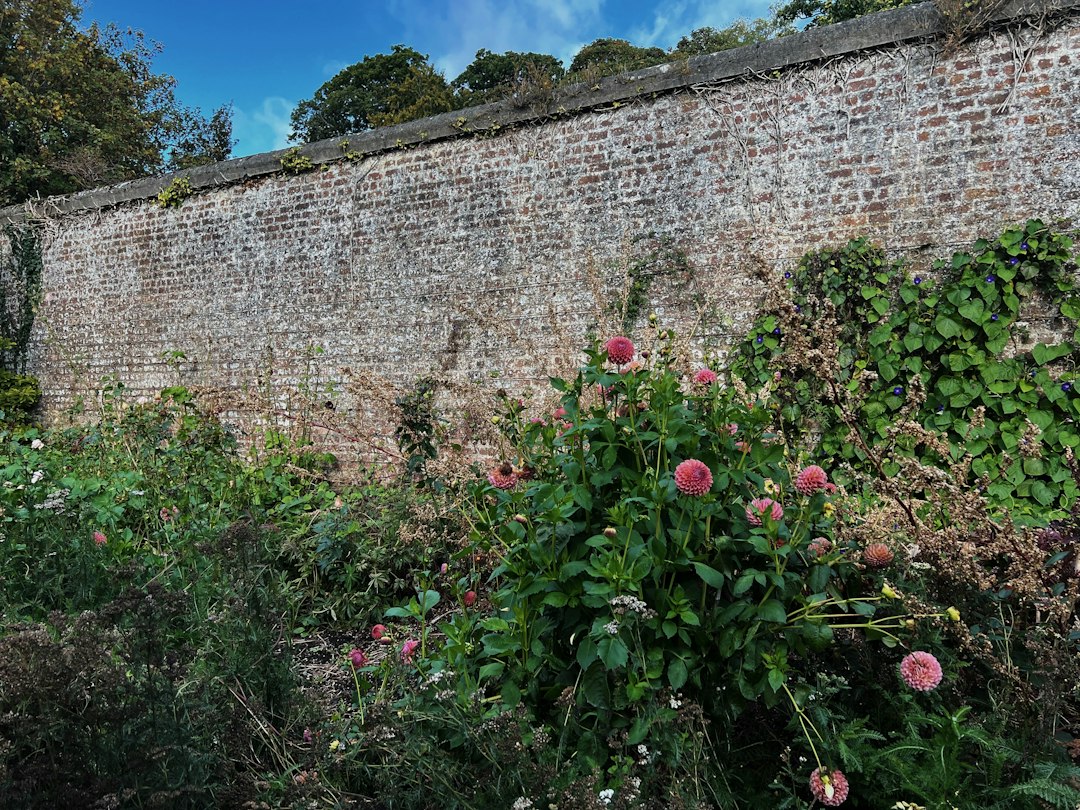
Few plants transform a garden as dramatically as a well-chosen climbing rose. Within a couple of seasons, a bare brick wall or plain timber fence can become a cascading curtain of colour and fragrance that stops passers-by in their tracks. The challenge, of course, is picking the right variety for your space, your soil, and your appetite for maintenance.
Climbing roses are beautiful long-lived and often fragrant plants that can be grown up or over walls, fences, arches, obelisks and more. They are an easy way to add height, cover walls or fences, and bring more colour into the garden without taking up much ground space. I've spent years experimenting with climbing roses on everything from south-facing limestone walls in central Europe to shaded north-facing fences, and the single biggest lesson is this: variety selection matters more than almost anything else.
This guide rounds up seven of the best climbing roses for 2026, covering every common scenario, from blazing sunny walls to shadier north-facing spots, from keen scent-seekers to low-maintenance beginners.
Key Takeaways
-
Repeat-flowering varieties are worth the extra investment: Nearly all climbing roses offer more than one flush of flowers, but only true repeat-bloomers give you colour from late spring right through to the first frosts, so prioritise those for maximum impact.
-
Soil preparation is non-negotiable: Climbing roses need fertile soil ideally improved with a mulch of well-rotted manure, in sun or light shade. Skimping on this step is the single most common reason newly planted roses disappoint.
-
Train canes horizontally for the most blooms: Rather than letting canes grow vertically upwards, gently bend them sideways along the first wire at about 45 degrees or completely horizontal if possible, this bending encourages lateral bud growth, which leads to more flowers.
-
Prune at the right time to protect next year's display: Climbers are routinely pruned in winter, after the flowers have faded, between December and February. Prune too early and you risk losing the season's next flush.
-
Feed consistently throughout the growing season: Climbing roses are hungry plants requiring regular feeding to support their vigorous growth and repeat flowering. Apply a balanced rose fertiliser in early spring, followed by additional feeds every 6-8 weeks throughout the growing season.
Quick-Start Prioritisation Framework
| Variety | Best For | Effort Level | Time to Results |
|---|---|---|---|
| Holland Kertészet Selection | Best Overall, widest range, expert guidance | Low | 1-2 seasons |
| 'New Dawn' | Beginners, shaded walls, large spaces | Low | 1-2 seasons |
| 'Gertrude Jekyll' | Fragrance lovers, patios, arches | Medium | 2 seasons |
| 'Zéphirine Drouhin' | Thornless handling, north-facing walls | Low-Medium | 2 seasons |
| 'Compassion' | Sunny walls, cottage-garden look | Medium | 1-2 seasons |
| 'Parkdirektor Riggers' | Cold climates, north-facing fences | Low | 1-2 seasons |
| 'Climbing Iceberg' | White blooms, pollinators, minimal care | Low | 1-2 seasons |
Start here based on your situation:
-
Complete beginner: 'New Dawn' or 'Parkdirektor Riggers', both are cold-hardy, disease-resistant, and forgiving.
-
Fragrance is your priority: 'Gertrude Jekyll' or 'Zéphirine Drouhin', plant near seating areas or beside a doorway.
-
North-facing or shaded wall: 'Parkdirektor Riggers' or 'Zéphirine Drouhin', both tolerate partial shade better than most.
-
Widest range with expert support: Start at Holland Kertészet for curated varieties suited to Hungarian and central European growing conditions.
1. Holland Kertészet Selection, Editor's Pick and Best Overall
Best for: Central European gardeners who want expert-selected varieties suited to local conditions
When you are buying climbing roses in Hungary, sourcing from a specialist makes a genuine difference. Holland Kertészet curates climbing rose varieties specifically suited to central European climate conditions, where winters can be cold and summers warm and dry, a combination that many purely western European varieties struggle with.
In my experience, buying from a local or regional specialist rather than a generic garden centre means you get plants that have already been trialled in conditions similar to yours. The staff advice on spacing, support structures, and feeding schedules is grounded in what actually works in Hungarian gardens, not what works in the milder Atlantic climate of western Europe.
Pros:
-
Varieties selected for central European hardiness and performance
-
Expert advice tailored to Hungarian garden conditions
-
Reliable sourcing with healthy root systems
Cons:
-
Online range may be smaller than large international retailers
-
Availability of specific named varieties may vary seasonally
Pro Tip: When you visit or order from Holland Kertészet, ask specifically for repeat-flowering varieties with a hardiness rating suitable for Hungarian winters. Varieties that perform well in zones 5-6 are your safest bet for reliable year-on-year flowering.
2. Rosa 'New Dawn', Best for Beginners and Large Spaces
Best for: Large walls, shaded positions, and gardeners who want a low-fuss performer
'New Dawn' is about as close to a foolproof climbing rose as you will find. 'New Dawn' features an unusually long flowering period, from early summer to fall, and is considered by many as one of the best-repeating climbers. It is considered one of the best repeat-flowering climbing roses you can buy, a medium climber growing to 4.5 metres, bearing masses of semi-double, soft-pink flowers with a sweet fragrance, which contrast beautifully with glossy, dark green foliage.
Highly popular worldwide, this old-time favourite won many prestigious awards, including the Award of Garden Merit of the Royal Horticultural Society, and belongs to the Hall of Fame of the World Federation of Rose Societies. That hall of fame distinction reflects decades of consistent performance across diverse European growing conditions.
Pros:
-
Exceptionally long flowering season from early summer to late autumn
-
Good disease resistance, especially to black spot
-
Shade tolerant, performs on walls that receive less than six hours of direct sun
-
Cold-hardy and suitable for central European winters
Cons:
-
It can also be susceptible to rose black spot, particularly in wetter conditions.
-
Very vigorous, can outgrow its space if not pruned regularly
-
Scent is pleasant but lighter than old-rose varieties
Key specs: Height up to 4.5 m; spread up to 3 m; repeat-flowering; RHS AGM holder.
3. Rosa 'Gertrude Jekyll', Best for Fragrance
Best for: Scent enthusiasts, patio walls, arches near seating areas
If fragrance is your main reason for choosing a climbing rose, 'Gertrude Jekyll' is the variety to reach for first. A short climber, it is always one of the first English roses to start flowering; its perfect scrolled buds open to large, rosette-shaped flowers of bright glowing pink, and the strong, perfectly balanced old rose scent is often described as being the quintessential old rose fragrance.
Fabulously scented with an old-rose fragrance, English Rose 'Gertrude Jekyll' produces clusters of the most beautiful, large, fully double flowers of rich glowing pink. Introduced in 1986 by David Austin, it won the 2002 James Mason Award from the Royal National Rose Society and is considered one of the finest creations of David Austin.
As a shorter climber, it suits smaller gardens and more contained structures. Fairly versatile, it may be grown as an upright and bushy shrub or trained as a short climber. Plant it beside a gate, a doorway, or a patio trellis and you will understand why gardeners have grown it for decades.
Pros:
-
Benchmark-setting old-rose fragrance
-
One of the first English roses to flower each season
-
Repeat-flowering across multiple flushes
-
Works as a shrub or short climber, versatile for smaller spaces
Cons:
-
Shorter ultimate height than larger climbers, less suited to covering big expanses of wall
-
Very thorny stems make handling and pruning uncomfortable without gloves
-
Benefits from good airflow to reduce disease risk
Key specs: Height up to 3 m as a climber; repeat-flowering; RHS AGM holder; bred by David Austin Roses.
4. Rosa 'Zéphirine Drouhin', Best Thornless Climbing Rose
Best for: Families with children, high-traffic areas, and north-facing walls
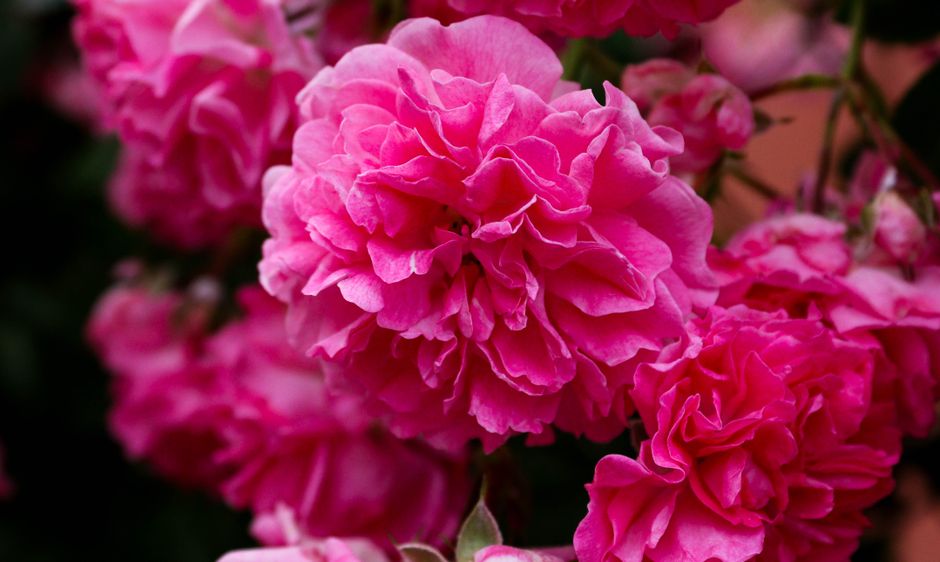
'Zéphirine Drouhin' has a feature almost unique among climbing roses: completely thornless stems. It is a cherry-pink Bourbon rose, famous for being completely thornless, and was developed by French rose breeder Bizot in 1868. The fact that it is still one of the most widely grown climbing roses over 150 years after its introduction tells you everything about its enduring garden value.
A vigorous climbing Bourbon rose to 3 metres tall, with thornless stems and highly fragrant, semi-double, cerise-pink flowers 8 cm wide, flowering almost continuously over a long period in summer and autumn. It is an excellent choice for covering a north-facing wall, which makes it particularly valuable in gardens where the main available wall faces away from the sun.
The thornless canes make pruning, training, and tying-in a genuinely pleasant task rather than a battle with heavy gloves. I've found this variety especially useful when growing near pathways or children's play areas where thorny canes would be a real hazard.
Pros:
-
Completely thornless, safe near pathways and play areas
-
Strong, continuous fragrance with damask notes
-
Tolerates partial shade and north-facing aspects
-
Flowers almost continuously from early summer to autumn
Cons:
-
The plant is prone to blackspot mildew and rust, so preventative spraying in humid summers is worthwhile
-
This thornless climbing rose prefers warmer climates, so in very cold Hungarian winters, some protection around the root zone in its first year is advisable
-
Thornless canes can attract browsing by deer or rabbits in rural areas
Key specs: Height up to 3-4.5 m; spread up to 2.4 m; repeat-flowering; bred by David Austin Roses (EU).
5. Rosa 'Compassion', Best Hybrid Tea Climber
Best for: Sunny walls, cottage-garden aesthetics, and cut flowers
'Compassion' sits in an interesting sweet spot: it has the classic, shapely flower form of a hybrid tea rose but the vigour and climbing habit you need to cover a wall properly. 'Compassion' is a repeat-flowering climber with a strong upright habit and excellent disease resistance, producing abundant clusters of fragrant, fully double, salmon-pink flowers delicately tinged with apricot.
The salmon-pink flowers are flushed with a warm apricot colour at their centre. This repeat-flowering variety has a strong, sweet fragrance and has been awarded the RHS Award of Garden Merit. That award, held since 1993, confirms it performs reliably across a wide range of European gardens year after year.
It is a large and vigorous climbing rose to 3 metres tall, with glossy dark green foliage on dark reddish stems, and very fragrant, shapely, double, pink-tinged, coppery-apricot flowers 10 cm in width with yellow highlights, repeat-flowering from early summer to autumn. The flowers also make excellent cuts for the vase, a useful bonus.
Pros:
-
RHS Award of Garden Merit since 1993, proven long-term performer
-
Strong sweet fragrance with apricot-pink blooms
-
Vigorous, bushy habit covers walls quickly
-
Excellent cut flowers for the home
Cons:
-
Needs a sunny wall to perform at its best, not suitable for shaded positions
-
Thorny stems require care when training and pruning
-
May need monitoring for black spot in wet summers
Key specs: Height up to 3.5 m; spread up to 2.5 m; repeat-flowering; RHS plant details.
6. Rosa 'Parkdirektor Riggers', Best for North-Facing and Cold Walls
Best for: North-facing fences, cold Hungarian winters, and bold red colour
For gardeners dealing with the awkward combination of a shaded wall and a cold continental climate, 'Parkdirektor Riggers' is the answer. Being more tolerant of shade than many roses, it is an excellent climber for a north-facing wall. Grow it at the back of a mixed herbaceous border up a trellis against a wall, or up an arbour or other similar support.
Introduced by Kordes in 1957, this climbing rose is celebrated for its vigorous growth and outstanding resistance to diseases, making it a reliable choice for rose enthusiasts. The Kordes breeding programme, based in Germany, specifically prioritises cold hardiness and disease resistance, attributes that are directly relevant to central European growing conditions. Thanks to its excellent tolerance to partially shaded areas, this climber is especially suitable to cover walls on the northern side of buildings. It grows upright, vigorous and healthy to a height of 350-400 cm and a spread of 200-250 cm.
The crimson-red, semi-double blooms have a cheerful, open habit that pollinators appreciate, even though the fragrance is lighter than other varieties on this list.
Pros:
-
Exceptional shade and north-wall tolerance
-
Cold-hardy, suited to central European winters
-
Outstanding disease resistance for a red climber
-
Develops attractive autumn hips for additional seasonal interest
Cons:
-
Fragrance is only light, not the variety for scent lovers
-
Bold red colour does not suit every garden palette
-
Can be susceptible to black spot if air circulation is poor
Key specs: Height up to 3.5-4 m; spread 1.8-2.5 m; repeat-flowering; bred by Kordes Roses.
7. Rosa 'Climbing Iceberg', Best White Climbing Rose
Best for: Pollinators, wildlife-friendly gardens, and a clean, classic look
'Climbing Iceberg' is the climbing form of one of the most popular white roses ever bred. The climbing version of the popular 'Iceberg' rose inherits all the desirable traits of its bush counterpart while adding impressive climbing ability. It produces clusters of pristine white, semi-double flowers that stand out beautifully against its glossy green foliage, and is renowned for its disease resistance and continuous blooming habit.
For pure white blooms, look no further than 'Iceberg'. The lightly scented flowers are semi-double, meaning they have an old rose look while still providing food for pollinators. For a wildlife-friendly option climbing roses with single or semi-double blooms are ideal, where you can see the central part of the flower, this means bees and other pollinators can access the food stored in the flower.
White blooms look particularly dramatic set against dark-painted fences or dark brick walls. If you are working with a light-coloured wall, consider combining 'Climbing Iceberg' with a coloured companion rose for contrast.
Pros:
-
Pristine white blooms with an old-rose character
-
Strong disease resistance
-
Semi-double flowers support bees and other pollinators
-
Vigorous and repeat-flowering
Cons:
-
Light fragrance only, not a scent-first choice
-
White blooms show discolouration more readily in wet weather
-
Very vigorous, needs adequate space and annual pruning
Key specs: Height up to 4 m; spread 2-3 m; repeat-flowering; RHS AGM holder; listed at RHS Plant Guide.

How to Plant and Care for Climbing Roses
Preparing the Site and Support
Climbing roses are not self-clinging and need supports of trellis or horizontal wires to which the shoots can be tied. Get this infrastructure in place before the plant arrives. Begin with the lowest wire roughly 60 cm from the ground. Additional wires are typically placed every 30 to 45 cm above. This spacing accommodates growth while allowing air to circulate freely, which helps maintain plant health.
Plant the rose at least 45 cm away from walls or fences to allow air circulation and prevent the roots from drying out. If planted close beside a wall where there is usually a rain shadow, the soil will often dry out in summer, likely reducing late-season flowering and encouraging fungal diseases. Water these climbers regularly to avoid this.
Feeding and Mulching
Begin with a spring application of well-rotted manure or garden compost as a mulch, providing slow-release nutrients and improving soil structure. Follow with a granular rose fertiliser in April, working it lightly into the soil surface before watering thoroughly. During the growing season, supplement with liquid feeds every fortnight from May to August, using either commercial rose fertiliser or a balanced liquid feed. Stop feeding after August to allow plants to prepare for winter dormancy.
Pro Tip: According to BBC Gardeners' World Magazine's climbing rose care guide, clearing up fallen leaves in autumn is just as important as feeding. Fallen foliage harbours dormant fungal spores that cause blackspot and rust the following season. Bag the leaves and bin them, do not compost them.
Pruning for Maximum Flowers
Most climbing roses bloom at least twice each growing season: first on older branches and then on the current season's growth. Pruning them while dormant in mid to late winter will encourage plenty of late-season flowers. When pruning a climbing rose leave the main framework of stems unpruned, unless they are reaching beyond their supports. Simply prune the side shoots to four healthy buds.
Common Mistakes to Avoid
Letting Canes Grow Straight Up
Canes left to grow vertically produce fewer lateral shoots, which means fewer flowers. Train your climbing rose's long canes horizontally or at a gentle angle along your trellis, fence, or arch. This encourages the plant to send out flowering side shoots all along the length of each cane.
Using the Wrong Ties
Tying-in is the process of fastening rose stems to a supporting structure using soft twine or a flexible plant tie. Climbing and rambling roses do not cling like ivy; they rely on you to anchor their stems safely. The aim is firmness without restriction. Stems should be held securely, yet allowed enough space to thicken naturally over time. A tie that is too tight can bruise or weaken the cane; too loose and the stem may rub or snap in strong winds.
Pro Tip: According to David Austin Roses' training guide, galvanised straining wire provides the ideal framework for walls and fences, but always use soft garden twine or jute twine to fasten the canes to it, never bare wire directly on the cane.
Giving Up After the First Season
Slow establishment is normal - roses do not climb overnight. Slow growth in the first two years is perfectly normal. Ensure your rose is getting adequate sun, water, mulch, and gentle lateral placement, and it will sprawl upward with gorgeous blooms by year three.
Pro Tip: According to Ashridge Nurseries' climbing rose guide, the most frequent issues affecting climbing roses are black spot, powdery mildew, aphids, and poor flowering due to incorrect pruning or training, all of which are preventable with the right routine. Address the routine, and the problems largely take care of themselves.

Frequently Asked Questions
How fast do climbing roses grow in the first year?
Vigorous varieties can grow rapidly in their first year and can easily cover a wall or trellis within a single season, but this is the exception rather than the rule. Most climbing roses focus energy on root development in year one and put on significant top growth from year two onwards. If your rose looks slow in its first summer, feed it, water it consistently, and give it another season before worrying.
Do climbing roses need full sun?
Plant your climbing rose in moist but well-drained, fertile soil. Most climbing roses do best in full sun, but some are more tolerant of shade. Varieties like 'Parkdirektor Riggers', 'Zéphirine Drouhin', and 'New Dawn' all tolerate partial shade reasonably well, making them the best choices for east-facing or north-facing walls in central European gardens.
When is the best time to plant climbing roses in Hungary and central Europe?
Autumn (October to November) and early spring are the ideal times to plant your roses. In Hungary, late October planting allows the roots to establish before winter without the risk of new shoot growth being caught by frost. Bare-root roses planted in this window often establish more vigorously than container plants set out in summer.
How do I stop my climbing rose from getting black spot?
In autumn, clear up fallen leaves to prevent the spread of fungal infections such as rust and blackspot, then mulch the soil with well-rotted manure, leaf mould or compost. Good air circulation around the canes is equally important, avoid planting too close to walls that restrict airflow, and tie stems in a well-spaced pattern rather than bunching them together. For persistent problems, a preventative fungicide applied from bud break in spring can make a significant difference.
Can I grow a climbing rose in a container?
As climbing roses are such vigorous climbers, they are best not grown in containers. Choose a patio rose for a pot instead. Very compact varieties can sometimes work in a large half-barrel with regular watering and feeding, but the results are rarely as impressive as a well-planted rose in good garden soil.
Sources
-
Climbing Roses Plant Guide, Royal Horticultural Society. Cultivation requirements, soil conditions, and variety selection advice. https://www.rhs.org.uk/plants/roses/climbing
-
Climbing Rose Pruning Guide, Royal Horticultural Society. Winter pruning methods and timing for European gardens. https://www.rhs.org.uk/plants/roses/climbing/pruning-guide
-
Rosa 'New Dawn' Plant Details, Royal Horticultural Society. Full cultivation notes and AGM status. https://www.rhs.org.uk/plants/96212/rosa-new-dawn-cl/details
-
Rosa 'Compassion' Plant Details, Royal Horticultural Society. Variety data and disease susceptibility. https://www.rhs.org.uk/plants/96473/rosa-compassion-clht/details
-
Rosa 'Parkdirektor Riggers' Details, Royal Horticultural Society. Shade tolerance and feeding guidance. https://www.rhs.org.uk/plants/96950/rosa-parkdirektor-riggers-(cl)/details
-
12 Best Climbing Roses, BBC Gardeners' World Magazine. Expert variety selection and wildlife value. https://www.gardenersworld.com/plants/climbing-roses-to-grow/
-
How to Grow Climbing Roses, BBC Gardeners' World Magazine. Complete planting, training, and care guide. https://www.gardenersworld.com/how-to/grow-plants/how-to-grow-climbing-roses/
-
Growing Climbing and Rambling Roses, Ashridge Nurseries. UK and European planting and feeding guide. https://www.ashridgetrees.co.uk/blogs/roses/growing-climbing-and-rambling-roses
-
Zéphirine Drouhin, David Austin Roses (EU). Variety overview for European gardens. https://eu.davidaustinroses.com/products/zephirine-drouhin
-
How to Train and Tie-In Climbing Roses, David Austin Roses. Wire spacing and tying methods. https://www.davidaustinroses.com/blogs/rose-care/how-to-train-and-tie-in-roses
-
Parkdirektor Riggers, Classic Roses / Peter Beales Roses. Disease resistance and cold hardiness notes. https://www.classicroses.co.uk/roses/parkdirektor-riggers-climbing-rose.html
-
Rosa 'Gertrude Jekyll', Gardenia.net. Award history and cultivation details. Fairly versatile, it may be grown
-
Holland Kertészet, Holland Kertészet. Hungarian specialist rose and plant nursery. https://www.hollandkerteszet.hu/


