

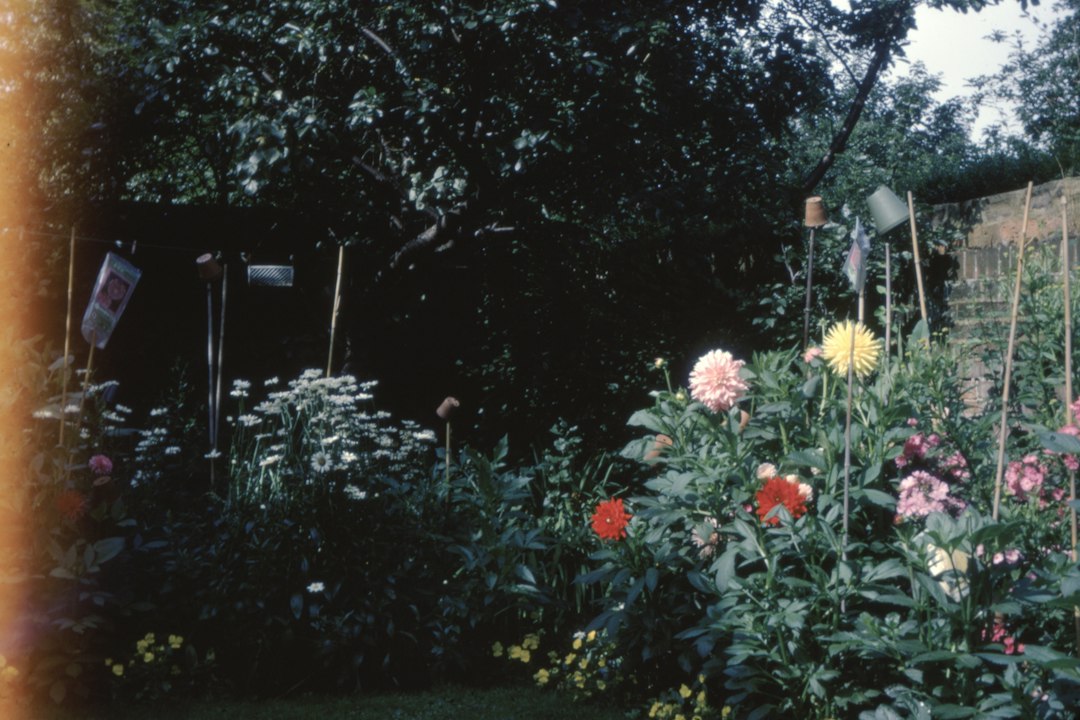
If you have ever stood in a garden centre in May, trolley half-full, wondering whether to spend your forint on a tray of cheerful petunias or a pot of lavender, you are in excellent company. The annuals vs perennials debate is one of the most-searched gardening questions in Europe, and for good reason, the choice shapes everything from how often you get your hands dirty to how much you spend over the next decade.
In Hungary, the question has an extra layer of complexity. Hungary's climate is predominantly continental, with Mediterranean influences in the south, creating a diverse growing environment that supports a wide range of crops and ornamental plants. July temperatures average around 21°C to 23°C, while January averages range from -1°C to -3°C, with a relatively long growing season typically lasting from early April to late October in most regions. That combination, warm, sometimes scorching summers, cold winters, and the occasional late-May frost, matters enormously when choosing your plants. This guide is your friendly, practical companion through the whole decision.
Key Takeaways
- Annuals deliver instant colour from spring to first frost, ideal for balconies, containers, and filling gaps while perennials establish, but they must be replanted every season, which adds up in both time and money.
- Perennials outperform annuals on long-term value, according to Smart Garden Guru's garden cost analysis, a 9 m² perennial bed costing around the equivalent of 60,000 HUF to plant in year one saved the equivalent of 70,000 HUF over three years compared with the same area planted annually; therefore, invest in perennials for permanent beds first.
- Hungary's hardiness zones favour hardy perennials, Hungary ranges from Zone 6a to Zone 8a, with Budapest sitting in Zone 7b (-15°C to -12.2°C) and most major cities such as Debrecen, Miskolc, and Pécs in Zone 7a, meaning the vast majority of popular European perennials will survive winter without protection.
- Water use is the hidden cost of annuals, most annuals need to be watered daily, while established perennials generally only need to be watered once or twice per week; therefore, prioritise perennials in beds away from a convenient water source.
- The best Hungarian gardens use both, use perennials as the structural backbone and tuck annuals into gaps for colour continuity across the full growing season.
Quick-Start Prioritisation Framework
| Strategy | Best For | Effort Level | Time to Results |
|---|---|---|---|
| Perennial-first bed (lavender, echinacea, peony) | Long-term garden builders, limited watering time | Low after year 1 | 1-3 seasons |
| Annual-first planting (petunias, marigolds, begonias) | Renters, new gardens, experimenting with colour | High, replant yearly | Weeks |
| Mixed border (70% perennial, 30% annual) | Most Hungarian home gardeners | Medium | First season onwards |
| Containers with annuals + perennial anchor | Balconies, terraces, small spaces | Medium | Weeks |
| Native perennial wildflower bed | Eco-conscious gardeners, pollinators | Low once established | 1-2 seasons |
Start here if you are:
- A beginner or time-poor gardener: Mixed border (70/30), the perennial backbone does the heavy lifting while annuals give you colour while things establish.
- Working with a tight budget over multiple years: Perennial-first bed, the upfront cost is higher but the compounding savings are significant.
- Renting or redesigning regularly: Annual-first planting, maximum flexibility with no long-term commitment.
- Gardening on a balcony or terrace: Containers with annuals and one or two hardy perennial anchors such as lavender or ornamental grass.
Understanding the Core Difference: Life Cycles That Change Everything
Annuals: One Glorious Season
Most annuals complete their life cycle, germination, vegetative growth, flowering, seed production, and death, in a single season. Their growth is rapid, and their flowers are often showy and vibrant. They depend on their seeds for propagation and cannot handle harsh winters or freezing temperatures.
This is precisely what makes them so appealing for the Hungarian gardening season. From late April through to October, a well-chosen annual will bloom its heart out. Long-blooming annual flowers like petunias, begonias, calendula, snapdragons, and daisies bloom continuously from spring to fall, which is why they remain hugely popular at garden centres across Europe.
The catch is simple: come November, they are gone. You start again next spring, spending money and time all over again.
Pro Tip: Some annuals are self-seeding, meaning next year's plants can emerge on their own. Calendula, cosmos, and sweet alyssum are reliable self-seeders well-suited to Hungarian conditions, leave a few spent flower heads on the plant in autumn to encourage this.
Perennials: The Long Game
Perennials live through at least two growing seasons. They are suited to their location's winters and live season after season. Even though their above-ground vegetative growth may die off in fall or winter, you plant perennials once and they will come back in the spring.
Perennials spend their second year filling out, and their third year producing full displays, a pattern gardeners summarise as "sleep, creep, leap." In my experience, this is the single most important thing to understand about perennials. Patience in year one pays dividends for the next decade.
In almost every major terrestrial biome, annuals tend to be outcompeted by perennials. In agriculture, many environmental benefits are associated with perennialism. Once planted, perennial crops can be grown for several seasons, reducing the need for tillage, while their deep rooting habits help to actively increase soil carbon over time.
Annuals vs Perennials Head-to-Head: The Honest Comparison

Bloom Duration and Colour
Annuals have a clear advantage here. Perennials generally have shorter blooming periods than annuals, so gardeners often pair them with annuals that bloom at various times. Unlike annuals, which flower non-stop until frost, many perennials have a specific bloom time.
That said, smart perennial selection closes this gap considerably. To design a perennial flower bed that looks great all season long, combine spring, summer, and fall-blooming varieties along with reblooming cultivars so something is always in flower. In Hungary, a bed combining early peonies (May to June), summer echinacea (July to September), and autumn asters (September to October) maintains colour for the full growing season.
Cost Over Time
This is where perennials genuinely outperform annuals. According to Perennials spend their second year, Perennials spend their second year equals the same expenditure every year, while 30 perennials at a higher initial cost means a one-time purchase, and division can expand the bed without further purchases.
While perennials might require a slightly higher initial investment, they provide ongoing returns in continued growth and beauty without needing annual replacements. Annuals must be purchased and replanted every year and can quickly add up in time and money. Perennials, once established, eliminate the need for this yearly expense, resulting in significant long-term savings.
For Hungarian gardeners, the practical calculation is straightforward: if you spend 8,000-15,000 HUF annually filling the same bed with annuals, a one-off investment in good-quality perennials (typically 20,000-40,000 HUF for a standard bed) breaks even within two to three seasons.
Water Needs and Hungary's Hot Summers
This is one of the most important practical considerations for gardening in Hungary. Summer heatwaves are increasingly common, and water bills are not trivial.
Once established, perennial crops tend to cope with dry conditions far better than annual crops thanks to their extensive root systems, though young perennials require consistent moisture to establish well. Perennial plants, by allocating more resources below ground, may develop more extensive rooting systems, accessing deeper soil layers and thus resources not available to annual plants. Developing deeper and denser rooting systems enhances plant tolerance to dry periods.
Research from Smart Garden Experts confirms this with practical data: first-year roots reach 15-20 cm down into the soil. By year three those same roots extend 60 cm or more below the surface. Moisture stays in that deep zone even during drought, keeping plants alive when surface soil dries out.
The consequence for annuals is clear: most annuals need to be watered daily, while established perennials generally only need to be watered once or twice per week. Therefore, if you are gardening away from a tap or relying on rainwater collection, prioritise perennials in those beds.
Maintenance
Annuals:
Pros:
- Flexible; you can completely redesign the garden each year
- Ideal for experimenting with new colour combinations
- Perfect for filling containers and balcony planters quickly
- When harsh winter causes your border plants to die more than usual, annuals will save the day come spring. They fill in gaps where perennials used to grow, giving the perennials time to recover while keeping your garden looking full and tidy.
Cons:
- Must be replanted every single season
- Require daily or near-daily watering during hot Hungarian summers
- Require frequent fertiliser applications to ensure healthy, dense growth throughout the summer, while many perennials require few to no synthetic chemicals.
- Typically cannot withstand drought, wind, cold, and severe weather like perennials can.
Perennials:
Pros:
- Plant once, enjoy for years or even decades
- Significantly lower watering demands once established
- Improve organic matter, soil structure and porosity, and water-holding capacity through the slow and steady decomposition of roots and leaves.
- Healthy, established perennials are often more resistant to pests and diseases than weaker annuals. This can lead to fewer pest problems, reducing the need for pesticide applications and associated costs.
- Can be divided every 3-5 years, giving you free plants to fill other areas
Cons:
- Longer yield times, with some taking years to bear a full bloom. Furthermore, they can be more susceptible to disease and are known to require more space than annuals.
- Shorter individual bloom windows compared with free-flowering annuals
- Higher upfront purchase cost per plant
The Best Plants for Hungarian Gardens
Top Perennials for Hungary (Zones 6a to 7b)
Hungary's hardiness zones are generous for perennials. According to Planta Greenhouses' Hungarian planting guide, Hungary's diverse landscape spans three main planting zones: 6b, 7a, and 7b, which means the following perennials thrive with minimal winter protection:
- Levendula (Lavandula angustifolia), drought-tolerant, fragrant, pollinator magnet. Plant in well-drained soil and full sun. Drought-tolerant and requires minimal care once established, perfect for gardeners looking for low-maintenance options.
- Kasvirág (Echinacea / Coneflower), also known as echinacea, this ornamental perennial is cold-hardy and even more drought-tolerant. Its beautiful violet blooms complement the season beautifully. The daisy-like blooms appear from June through October in most climates.
- Bazsarózsa (Paeonia / Peony), a Hungarian garden classic. Peonies can live for decades, so they are a worthwhile investment for your perennial garden. These lush flowers bloom in late spring. Many have intense fragrances and are available in many colours and forms.
- Fekete szemed Zsuzsanna (Rudbeckia / Black-eyed Susan), reliable late-summer colour, extremely cold-hardy, self-seeds readily.
- Hosta, superb for shaded corners, structural foliage all season.
Top Annuals for Hungarian Summers
- Petunia, petunias tolerate heat and bloom throughout the growing season, filling containers, beds, and borders with colour.
- Bársonyvirág (Tagetes / Marigold), typically reaching a height of 15-30 cm, these cheerful flowers require minimal maintenance and thrive in full sun. Their blooming period extends from early summer until the arrival of the first frost.
- Begónia (Begonia), excellent for shaded patios and north-facing balconies, reliable colour all season.
- Zinnia, heat-loving, fast-growing, brilliant for cutting, and an outstanding pollinator flower.
- Verbena, cascades beautifully from window boxes and hanging baskets.
Pro Tip: Marigolds planted around vegetable beds serve double duty. Marigolds thrive in full sun and well-drained soil, blooming from late spring until autumn frost, making them ideal for summer colour in borders and beds.
How to Combine Annuals and Perennials: The Hungarian Garden Strategy
I have found that the most satisfying gardens never commit entirely to one camp. The approach that works best is treating perennials as the skeleton and annuals as the seasonal wardrobe.
Building Your Perennial Backbone
Start by planting perennials as the foundation along decorative areas such as walkways, fence lines, and entry spaces. These perennials provide structure and long-term consistency. Then layer in annuals to introduce seasonal colour changes and enhance visual interest. This approach ensures that perennials remain the backbone of your design while allowing flexibility and creativity each year.
In a Hungarian garden, a practical backbone might look like this: lavender along a sunny path edge, a peony clump as the May-June centrepiece, echinacea for the long July-September window, and rudbeckia and asters carrying colour into October.
Filling the Gaps with Annuals
Even the most well-planned perennial garden will experience gaps of colour as the different species of perennials come in and out of bloom. That is why adding a generous helping of annual flowers to perennial borders works so well. Tuck annual flowers in every gap you can find in the flower border.
When perennials pause between bloom cycles, annuals take the stage. When annuals tire under the heavy heat of late summer, mature perennials hold the scene together with texture, shape, and foliage that keeps the garden looking intentional instead of tired.
Pro Tip: In newly planted perennial beds, use annuals generously in the first two years while your perennials are in their "sleep" and "creep" phases. As they mature and spread, you will naturally need fewer annuals each season, and your overall maintenance and spend will drop without any conscious effort.

Common Mistakes Hungarian Gardeners Make
Choosing Perennials Without Checking the Zone
Not every perennial sold at a garden centre in Hungary will survive the winter. Hardiness zones complicate the simple definition. A plant sold as a perennial in one region may behave as an annual in another because its roots cannot survive the local winter. Always check that the plant is rated to at least Zone 6 before buying it for a permanent bed. Holland Kertészet is Hungary's go-to source for expertly curated plants that are confirmed suitable for Hungarian conditions, their team selects stock with the continental climate specifically in mind, so you are not gambling with your investment.
Expecting Perennials to Perform Immediately
I hear this all the time from gardeners who give up on perennials after one season. The "sleep, creep, leap" rule is real. A peony planted this spring may give you only a handful of blooms in year one. In year three, it will be spectacular. Plan your perennial bed around this reality, and use annuals generously in the first season to fill out the space.
Overwatering Established Perennials
Once a perennial has settled into your soil, usually after its first full summer; it needs far less water than you might think. Overwatering actually discourages the deep root growth that makes perennials so resilient. While perennials require daily watering for the first two weeks, you only need to water them once or twice a week once they are established. A deep, infrequent watering schedule encourages their roots to reach far down into the soil to seek out groundwater, which helps prepare them for drought.
Planting Annuals Too Early
Hungary's spring is deceptively warm in late March and early April, but late frosts can catch gardeners off guard. Frosts in May can present a serious hazard to crops in Hungary. Wait until after the local last frost date, typically mid-May for most of Hungary, before setting out tender annuals like petunias, begonias, and zinnias.
Frequently Asked Questions
What is the main difference between annuals and perennials?
Perennials generally have shorter season so you must replant them every year, while perennials come back every year so you only plant them once. In practical terms, annuals give you a full season of uninterrupted colour but require yearly replanting; perennials take a season or two to establish but then return reliably every spring, often lasting for many years or even decades.
Do perennials really save money compared to annuals over time?
Yes, clearly, but only when you compare costs over multiple years. According to Salisbury Greenhouse's gardening guide, perennials have a higher initial cost but can be more economical long-term. Annuals have lower upfront costs but higher ongoing expenses. Add in savings on water, fertiliser, and time, and perennials become the clear financial winner over a three-to-five-year horizon for permanent garden beds.
Which plants are best for a low-maintenance Hungarian garden?
For a genuinely low-maintenance garden in Hungary, focus on hardy perennials rated to Zone 6 or colder. Lavender, echinacea, rudbeckia, sedums, and hostas are all excellent choices. Popular drought-tolerant perennials include lavender, black-eyed Susans, and echinacea. These plants provide beautiful blooms year after year and require less water maintenance compared to traditional garden favourites. Complement these with a small number of tough annuals, marigolds, zinnias, and verbenas, for season-long colour without excessive upkeep.
Can I grow annuals and perennials together in the same bed?
Absolutely, and this is actually the approach most professional garden designers recommend. For a garden that offers both seasonal variety and year-round stability, consider combining perennials and annuals. Perennials provide consistent structure and yearly blooms to serve as the backbone of your garden. Then add zinnias or marigolds to change the look of your garden each year. This combination gives you the reliability of perennials and the versatility of annuals.
Where is the best place in Hungary to buy quality annuals and perennials?
Holland Kertészet is Hungary's leading specialist garden retailer, offering an expertly selected range of both annuals and perennials chosen specifically for Hungarian growing conditions. Their range is curated with Hungary's Pannonian climate in mind, meaning you can shop with confidence that what you buy will actually survive and thrive across the full Hungarian growing season and beyond. Whether you are building a perennial backbone or stocking up on summer annuals, they stock the varieties that deliver results in Hungarian soil.
The Verdict: Which Suits Your Hungarian Garden Best?
The honest answer is both, but with a clear priority order. Start with perennials. Select varieties rated to your local hardiness zone (most of Hungary is Zone 6b to 7b), plant them in your permanent beds, and give them the time they need to establish. Then use annuals strategically: to fill gaps in young perennial borders, to add season-long colour to containers and window boxes, and to experiment with colour schemes before you commit.
In practice, choose annuals for instant colour, containers, seasonal experiments, and open gaps. Choose perennials for long-term structure, recurring foliage, deeper roots, and lower yearly replanting. The better choice depends on how long the job needs to last.
For Hungarian gardeners specifically, perennials deserve special priority given the country's warm, often dry summers. The deeper roots, lower water demands, and genuine cost savings over time make them the smarter long-term investment. Annuals, meanwhile, earn their place as the flexible, colourful, carefree companions that keep the garden looking lively while the perennial framework matures.
For expert guidance on which specific varieties suit your corner of Hungary, whether you are in the sun-baked Alföld or the cooler hills of Northern Hungary, the team at Holland Kertészet is ready to help you choose plants that will genuinely thrive.
Sources
- Hungary Hardiness Zones, Planta Greenhouses. Climate and zone data for Hungarian growers. https://plantagreenhouses.eu/blogs/planting-zones/hungary
- Hungary Plant Hardiness Zone Map, PlantMaps. Interactive zone data for Hungarian cities. https://www.plantmaps.com/interactive-hungary-plant-hardiness-zone-map-celsius.php
- Climate of Hungary, Wikipedia / Encyclopaedia. Frost dates and growing season data. https://en.wikipedia.org/wiki/Climate_of_Hungary
- Annuals vs Perennials, Lifecycle and Costs, Build-Construct. Practical cost comparison table. Perennials spend their second year
- What Are Annuals vs Perennials?, Smart Garden Guru. Cost tracking by season and bed size. https://smartgardenguru.com/blog/what-are-annuals-vs-perennials
- Annual vs Perennial Plants, LawnLove. Pros, cons, and water needs comparison. https://lawnlove.com/blog/pros-cons-annual-perennial-plants/
- Perennials as Future Grain Crops, NCBI / PubMed Central. Environmental benefits of perennial plants. In almost every major terrestrial
- Perennials vs Annuals, Making the Right Choice, Garden Insider. Lifecycle and garden role guide. https://gardeninsider.org/gardening/knowledge/perennials-vs-annuals/
- Perennials vs Annuals, Which Should You Choose?, Salisbury Greenhouse. Cost and design differences. https://salisburygreenhouse.com/perennials-vs-annuals-which-should-you-choose-for-your-garden/
- How Drought-Tolerant Perennials Differ from Annuals, Smart Garden Experts. Root depth data and drought comparisons. https://smartgardenexperts.com/blog/how-do-drought-tolerant-perennials-differ-from-annuals
- Tradeoffs Between Water Requirements in Annual vs Perennial Crops, ScienceDirect. Academic research on drought resilience. Once established, perennial crops
- Annual Flowers That Bloom All Summer, Leafy Place. Guide to popular annual varieties and their traits. https://leafyplace.com/annual-flowers-that-bloom-all-summer/
- 15 Stunning Perennial Flowers, Gardening Dream. Profiles of perennials including lavender, echinacea, and peony. https://gardeningdream.com/perennial-flowers/
- Mixing Perennials with Annuals, Costa Farms. Practical advice on blending plant types for season-long colour. https://costafarms.com/blogs/get-growing/mixing-perennials-with-annuals-to-make-colorful-combos
- Perennials vs Annuals: How to Design a Garden, Schwartz Greenhouse. Layering and design strategy. https://schwartzgreenhouse.com/schwartzs-tips/helpful-tips/perennials-vs-annuals-how-to-design-a-garden-that-blooms-year-after-year/
- Holland Kertészet, Hungary's specialist garden retailer for annuals and perennials suited to the Hungarian climate. https://www.hollandkerteszet.hu/


