

The Benefits and Use of Humuforte Blood Meal
If you have ever noticed your garden plants turning yellow, growing slowly, or struggling despite regular watering, there is a good chance the soil is running short on nitrogen. This single nutrient drives nearly every stage of leafy, vigorous plant growth, and getting it right, organically, is where Humuforte Blood Meal comes in. Bio Blood Meal is an organic nitrogen source with a fast and gentle effect, making it one of the most practical tools a gardener in Hungary or across Europe can reach for when plants need a boost.
Organic food sales grew by 4.1% across Europe from 2023 to 2024, and Hungary ranked second in the EU in retail turnover growth with a 13.9% rise, a clear sign that gardeners and growers here are choosing natural inputs. If you want to feed your plants the way Europe's fastest-growing organic market demands, understanding exactly how blood meal works will put you ahead of the curve.
Key Takeaways
-
NPK 13-0-0, pure nitrogen power: Humuforte Bio Blood Meal is an organic nitrogen source with a fast and gentle effect, ideal for organically eliminating nitrogen deficiencies and promoting growth. Apply it when you see yellowing leaves and expect visible results within two to three weeks.
-
Deeper green, stronger photosynthesis: Blood meal also ensures a deeper green colour of the leaves, which directly benefits photosynthesis. If your leaves look pale rather than rich green, prioritise blood meal over other fertilisers.
-
A seasonal product with a clear window: Apply Humuforte Blood Meal from March to September, scatter it evenly and rake it lightly into the soil (approximately 10 cm deep) at a dose of 50-150 grams per m². Outside this window, soil temperatures are too low for effective microbial breakdown.
-
Works inside compost too: Blood meal is used as a composting activator, accelerating microbial decomposition of carbon-heavy organic matter. Add a small amount to a sluggish compost heap and watch it heat up.
-
Hungary's organic sector is growing fast: In 2025, Hungary had 430,000 hectares under organic cultivation, representing 8.6% of all utilised farmland, so choosing certified organic inputs like Humuforte puts you firmly in step with the national direction.
Quick-Start Prioritisation Framework
| Situation | Best Action | Effort Level | Time to Results |
|---|---|---|---|
| Yellow, pale leaves on vegetables | Apply blood meal as top-dressing | Low | 2-3 weeks |
| New garden bed preparation | Mix blood meal into top 10 cm before planting | Low | At planting |
| Sluggish compost heap | Add small dose to activate microbes | Low | 1-2 weeks |
| Heavy-feeding crops (corn, brassicas) | Side-dress monthly during growing season | Low-Medium | Ongoing |
| Lawn with clover invasion | Scatter blood meal, water in well | Low | 3-4 weeks |
| Established potted plants | Light monthly surface application | Low | 2-3 weeks |
Start here if you are:
-
A home gardener with yellowing plants: Side-dressing around affected plants at 50 g/m² is the fastest fix and the lowest risk of over-application.
-
Growing leafy crops or brassicas: Mix blood meal into bed preparation before sowing for sustained early-season nitrogen.
-
Running a compost heap that won't heat up: A small scatter of blood meal over carbon-rich layers (straw, dried leaves, cardboard) will kickstart decomposition within days.
What Is Humuforte Blood Meal and Where Does It Come From?
The Source Material
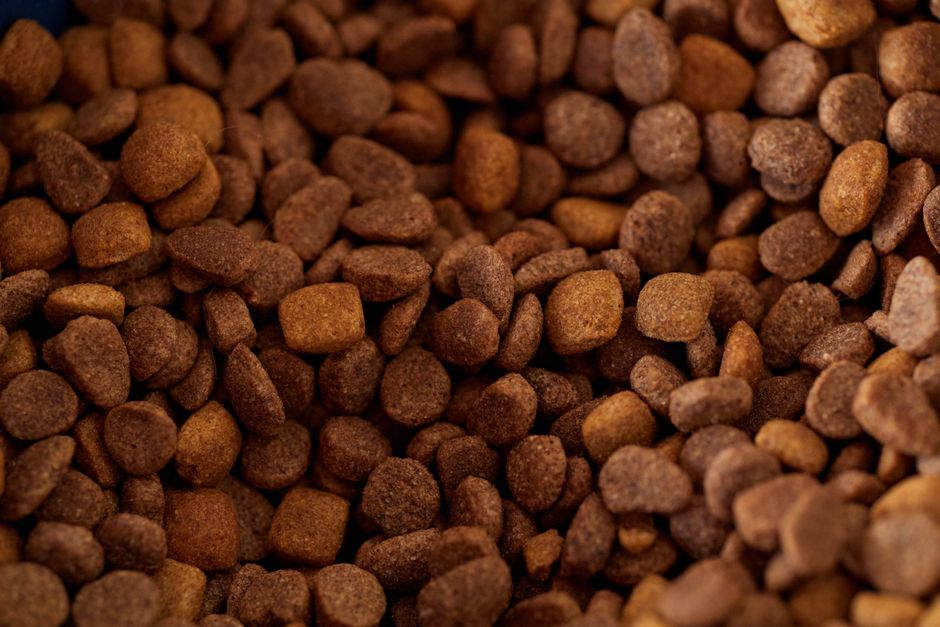
Blood meal is a by-product of livestock production, coming from what would otherwise be waste material. This blood is dried and made into a powder rich in organic nitrogen, and can be processed and made into a high-quality fertiliser product. Humuforte, a Belgian organic fertiliser brand widely available across Europe and stocked by Holland Kertészet in Hungary at 4,990 HUF for a 1.5 kg bag, processes this material into a crumble-form product that is easy to handle and apply.
How It Works in the Soil
By dry weight, blood meal is roughly 80% crude protein, with nitrogen locked in peptide bonds and amino acid side chains. Plants cannot absorb that nitrogen directly; it must first be mineralised into ammonium and then nitrate by soil bacteria. This is what makes it different from synthetic fertilisers. Rather than flooding the soil with a chemical hit, it works with living biology.
In warm, moist, biologically active soil, nitrogen often begins becoming available within one to three weeks, with benefits commonly extending for several weeks after that. The practical takeaway: apply in March or April when soil temperatures begin rising and microbial activity picks up, and do not expect results in cold or frozen ground.
Pro Tip: If your soil has been left bare or heavily compacted over winter, incorporate some compost before applying blood meal. Blood meal works best in biologically active soil with adequate moisture, oxygen, and moderate temperatures. In cold, dry, compacted, or highly degraded soils, nutrient release may be slower. This is why blood meal often performs best when used alongside compost, organic matter, and good soil structure.
The Core Benefits of Using Humuforte Blood Meal
Powerful Organic Nitrogen Without the Chemicals
Blood meal is primarily nitrogen usually in the range of 12 to 13 percent by weight, making it one of the most concentrated sources of nitrogen available in an organic fertiliser. That is significant because most plant-based organic fertilisers deliver only 1-5% nitrogen. You get more from less.
In 2023, farmers across the EU applied 8.3 million tonnes of nitrogen sourced from organic matter, nearly matching the 8.7 million tonnes drawn from mineral-based fertilisers, according to Persistence Market Research's European organic fertiliser market analysis. That gap is closing every year. Choosing Humuforte Blood Meal puts you on the right side of that shift. Therefore, if you are still relying on synthetic nitrogen, this is the moment to begin the switch.
Deeper Greener Leaves and Better Photosynthesis
Chlorophyll production needs nitrogen, which helps leaves grow and makes them green. When nitrogen levels in the soil fall, leaves lose their ability to produce chlorophyll efficiently. The result is the pale, washed-out look that gardeners dread.
One of the biggest benefits of blood meal is how it corrects the classic look of nitrogen deficiency. Nitrogen deficiency usually starts on older leaves because plants move nitrogen from older tissue to newer growth when supplies are low. You might notice lower leaves fading to light green, then yellowing, sometimes with leaves dropping early. Apply blood meal as soon as you spot this pattern, Provision Gardens' blood meal guide confirms that after blood meal is incorporated and broken down, plants often regain a deeper green colour and begin producing larger leaves within a few weeks.
Soil Health and Microbial Activity
Blood meal does more than feed plants. It improves soil quality by nourishing the beneficial microbes that live in the soil, boosting the soil's organic content. Higher soil organic content fosters deeper root development, improves drainage and water-holding capacity, and reduces nutrient leaching.
Blood meal can help improve soil drainage and aeration, particularly in heavy clay soils. Its organic matter content improves soil structure, allowing better water infiltration and root penetration, which enhances overall plant health and productivity. For gardeners dealing with the heavy soils common in parts of Hungary, this structural improvement is a genuine long-term gain.
Natural Pest Deterrence
Blood meal's strong scent acts as a natural deterrent for some pests and animals. The odour helps to repel certain critters, reducing the risk of damage to plants. This includes rabbits, moles, and deer, all familiar garden visitors. Scatter a little around the bed perimeter for an added layer of protection that costs nothing extra.

How to Use Humuforte Blood Meal Correctly
Application Method and Dosage
The instructions from Blood meal also ensures a deeper are straightforward and easy to follow:
Blood meal also ensures a deeper including roots, then scatter the blood meal evenly and rake it lightly through the soil (about 10 cm deep), using a dose of 50-150 grams per m². A handful is approximately 50 grams.
Water the area after application. Watering the area well after application activates microbial breakdown and moves nutrients into the root zone.
Which Plants Benefit Most
One of the most common uses of blood meal is to encourage leafy vegetative growth, and it is especially useful for nitrogen-demanding crops such as leafy greens, brassicas, corn, onions, garlic, herbs, and many ornamental foliage plants.
Heavy feeders that respond particularly well include:
-
Lettuce, spinach, kale, and other salad leaves
-
Brassicas such as cabbage, broccoli, and Brussels sprouts
-
Corn and courgette
-
Onions, leeks, and garlic
-
Lawn grass showing yellowing or clover invasion
Blood meal can also be used to prevent clover from appearing in lawns. Clover is a classic sign of low soil nitrogen, clover in your lawn indicates a nitrogen deficiency, and blood meal can be used to eliminate this deficiency. Therefore, if clover patches are appearing, apply blood meal now rather than waiting for them to spread.
Timing Through the Growing Season
Using blood meal as a fertiliser in spring is recommended as this is when plants will need it most to form new shoots and foliage. From a practical standpoint across Central Europe, this means:
-
March-April: Bed preparation and first application as soil warms
-
May-July: Monthly side-dressing for heavy feeders and lawns
-
August-September: Final applications to support late-season leafy growth
Pro Tip: If you are closer to the flowering or fruiting stage, blood meal can be the wrong tool, because too much nitrogen late in the cycle often leads to heavy leaf growth at the expense of flowers or fruit quality. It can also delay ripening and reduce the plant's focus on reproductive growth. Switch to a phosphorus-rich fertiliser such as bone meal once flowering begins.
Using Blood Meal in Compost
Blood meal is a valuable ingredient for composting. Its high nitrogen content helps raise compost pile temperatures, supports microbial activity, and speeds up the breakdown of leaves, straw, garden waste, and other carbon-rich materials. According to IndoGulf BioAg's blood meal composting guide, adding small amounts speeds microbial activity significantly, but excessive use can create strong odours, so a light hand is best.
Avoiding Common Mistakes
Mistake 1, Over-applying
Too much nitrogen in the soil can at best, keep plants from flowering or fruiting, and at worst, burn the plants and possibly kill them. Stick strictly to the 50-150 g/m² guidance on the Humuforte pack. If in doubt, start with the lower end and assess results after two to three weeks before adding more.
Blood meal should not be piled directly against stems or roots, because concentrated nitrogen can burn young plants. Always scatter evenly and mix lightly into the soil rather than leaving it in a pile.
Mistake 2, Applying in Cold Soil
Plants can start utilising the nitrogen within a few weeks, but soil temperature, moisture, and microbial activity can influence the breakdown rate. Applying blood meal to cold, waterlogged soil in November will achieve very little, the biology needed to break it down is simply not active enough.
Mistake 3, Relying on Blood Meal Alone
Many organic gardeners layer compost and blood meal applications for both immediate and lasting benefits. Blood meal delivers a targeted nitrogen boost, but compost builds the long-term soil structure and microbial diversity that makes every fertiliser work better. Use them together.
Pro Tip: Humuforte offers a full range of complementary products through Holland Kertészet, including bone meal (NPK 6-16-0) for phosphorus and root support, and specialist bio fertilisers for tomatoes, roses, and acid-loving plants. Pairing blood meal with bone meal gives you the nitrogen and phosphorus balance that heavy-cropping vegetable beds need.

Blood Meal vs Other Organic Nitrogen Sources
Blood Meal vs Compost
Compost supplies a balanced array of nutrients but releases them slowly. Blood meal is ideal for quick corrections, while compost excels at long-term soil health. If your plants are visibly struggling with nitrogen deficiency right now, blood meal will respond in weeks. Compost will not. Use blood meal for the fix, compost for the foundation.
Blood Meal vs Bone Meal
Blood meal contains a higher amount of nitrogen, while bone meal contains phosphorus. At Holland Kertészet, both are available as Humuforte products at 4,990 HUF per 1.5 kg. Blood meal addresses immediate nitrogen hunger and stimulates foliar growth, while bone meal supports long-term flowering, fruiting, and root system development. For a complete feeding programme, use blood meal in spring and early summer, then switch to bone meal as plants enter the flowering phase.
Pros and Cons of Blood Meal
Pros:
-
100% natural and organic, no synthetic chemicals
-
High nitrogen content (NPK 13-0-0) for fast results
-
Improves soil structure and feeds beneficial microbes
-
Acts as a compost activator
-
Naturally deters some garden pests
-
Safe for use in certified organic growing
Cons:
-
Nitrogen only, must be paired with other fertilisers for a balanced programme
-
Strong odour when first applied
-
Can burn plants if over-applied or placed against roots
-
Requires soil moisture and warmth to activate, ineffective in cold conditions
-
Reapplication needed every six to eight weeks
Frequently Asked Questions
What is Humuforte Blood Meal and what does the NPK 13-0-0 mean?
Humuforte Bio Blood Meal is an organic nitrogen fertiliser with a fast and gentle effect. The NPK rating of 13-0-0 means the product contains 13% nitrogen, zero phosphorus, and zero potassium. This makes it a targeted product for leafy, vegetative growth rather than flowering or fruiting. It is 100% natural and certified organic.
How quickly will I see results after applying blood meal?
In warm, moist, biologically active soil, nitrogen often begins becoming available within one to three weeks, with benefits commonly extending for several weeks after that. You should notice leaves becoming deeper green and growth becoming more vigorous within that window. If results are slow, check that you have watered the application in well and that soil temperature is above around 10°C.
How often should I apply Humuforte Blood Meal?
Apply every six to eight weeks during the growing season, adjusting based on your plants' needs and soil condition. For the Humuforte product specifically, the application period runs from March to September. Avoid applying outside this window in Central European climates. Always check for yellowing or slow growth as your guide, rather than applying on a rigid schedule regardless of plant condition.
Can I use blood meal in containers and pots?
Yes. Apply a light surface dressing around the base of the plant, keeping the granules away from the stem, and water in well. For potted plants, use the lower end of the dosage range, around 50 g/m² equivalent, as nutrients in containers have nowhere to go and can concentrate more quickly. Unlike synthetic fertilisers that can lead to nutrient spikes, blood meal's slow-release nature offers a steady, consistent natural source of nitrogen, preventing nutrient imbalances.
Is blood meal safe to use around food crops?
Blood meal is approved for many organic gardening systems. It is a certified organic input, meaning it can be used in vegetable gardens and around food crops when applied correctly. Always follow the label instructions, wash hands after handling, and keep the product stored in a cool, dry place away from pets who may be attracted to the smell.
The Bottom Line
Humuforte Blood Meal is a straightforward, high-impact organic input for anyone growing vegetables, maintaining a lawn, or building healthier soil in Hungary and across Europe. With an NPK of 13-0-0 and a clear application window from March to September, it removes the guesswork from organic nitrogen management. Apply it at the right time, at the right rate, water it in well, and your plants will show you the results.
Organic product sales increased by 4.1% in Europe from 2023 to 2024, and Hungary ranked second in the EU in retail sales growth with an increase of 13.9%, according to Biokutatas.hu's organic market report. The trend is clear. Whether you are a first-time gardener or a seasoned grower, Humuforte Blood Meal is available from Holland Kertészet at 4,990 HUF for a 1.5 kg bag, enough for up to 30 m² of garden bed.
Sources
-
Humuforte Bio Blood Meal Product Page, Tuinzaden.eu. Full product specifications and application instructions. Blood meal also ensures a deeper
-
Blood Meal 1.5 kg, Holland Kertészet Product Listing, Holland Kertészet. Humuforte blood meal available in Hungary. https://www.hollandkerteszet.hu/en/products/blood-meal-1-5kg
-
Holland Kertészet Humuforte Range, Holland Kertészet. Full Humuforte organic fertiliser collection stocked in Hungary. https://www.hollandkerteszet.hu/en/collections/garden-tools-accessoires
-
Blood Meal for Plants: Benefits, Risks, and the Right Way to Use It, Provision Gardens. Practical guide to correct application and timing. https://provisiongardens.com/blogs/grower-guides/blood-meal-for-plants-benefits-risks-and-the-right-way-to-use-it
-
How Does Blood Meal Fertilizer Work, IndoGulf BioAg. Soil microbiology, composting use, and application method. https://www.indogulfbioag.com/post/how-does-blood-meal-fertilizer-work
-
Organic Blood Meal Fertilizer 13-0-0, Greenway Biotech. Nitrogen mineralisation data and application guidance. https://www.greenwaybiotech.com/products/organic-blood-meal-fertilizer
-
Retail Sales of Organic Products Grew by 13.9% in Hungary, Biokutatas.hu. Hungarian and European organic market statistics, 2024. https://biokutatas.hu/en/news/retail-sales-of-organic-products-grew-by-13-9-in-hungary/
-
Organic Farming Growth Stalls With Hungary Below EU Average, Budapest Business Journal. Hungary organic farming area data, 2025. In 2025, Hungary had 430,000
-
Europe Organic Fertilizer Market Size and Growth Trends, Persistence Market Research. EU organic nitrogen usage data. https://www.persistencemarketresearch.com/market-research/europe-organic-fertilizer-market.asp
-
Blood Meal, Wikipedia, Wikipedia. Overview of blood meal as composting activator and organic amendment. https://en.wikipedia.org/wiki/Blood_meal
-
What Is Blood Meal: Adding Blood Meal to Garden Soil, Gardening Know How. Nitrogen deficiency correction and plant response. https://www.gardeningknowhow.com/garden-how-to/soil-fertilizers/blood-meal-fertilizer.htm
-
Blood Meal vs Bone Meal Fertilizer, IndoGulf BioAg. Comparison of organic soil amendments. https://www.indogulfbioag.com/post/blood-meal-vs-bone-meal-fertilizer


