

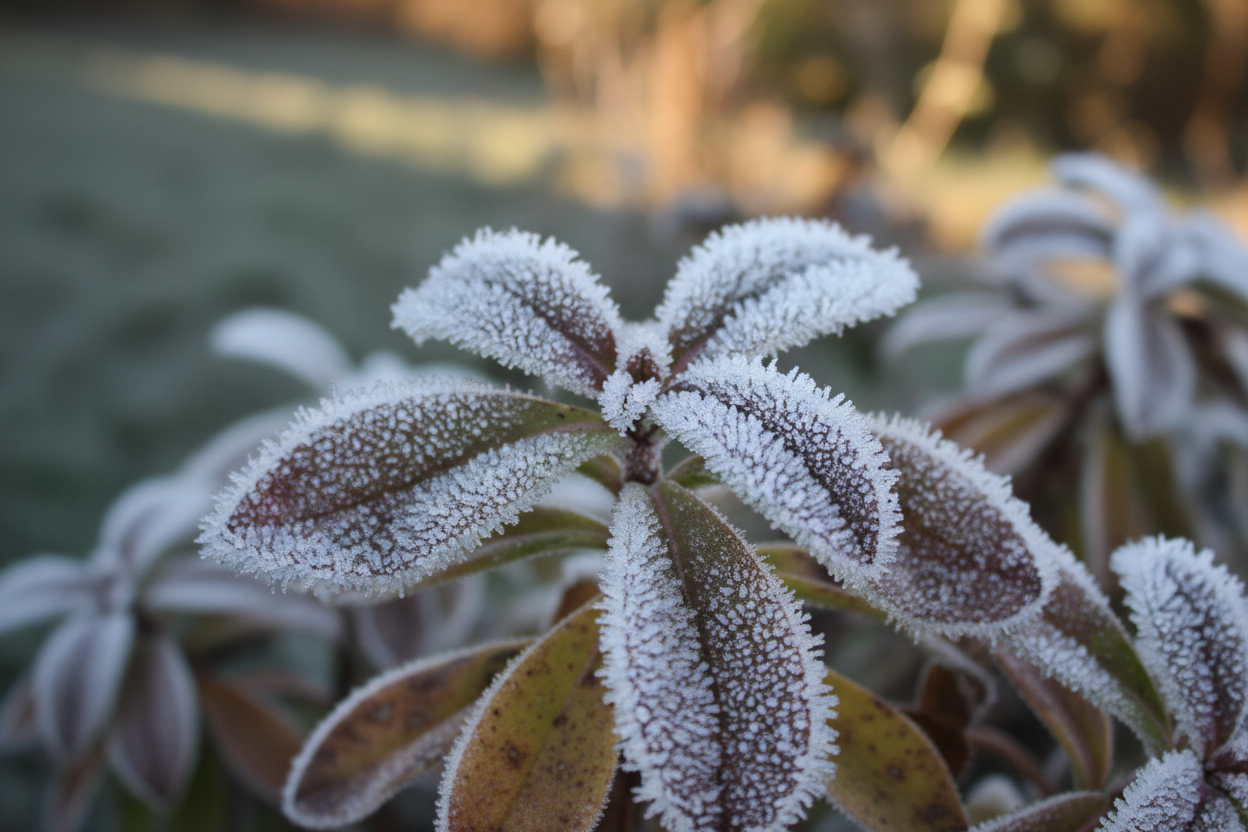
Most gardeners wait until they see frost forming on the lawn before scrambling to rescue their prized tender plants. By then, it is often too late. For many gardeners, the first frost signals the end of the growing season, but if you are growing tender plants that cannot survive freezing temperatures, reactive action is a costly gamble. August, whilst still warm and sunny, is precisely when experienced gardeners begin their overwintering preparations, potting up, taking cuttings, and auditing storage space, so that the arrival of autumn finds them calm rather than caught out.
By overwintering, you save money (no need to rebuy plants each spring), preserve rare or favourite varieties, and give your garden a head start when warm weather returns. Overwintering tender perennials is a highly rewarding practice that preserves mature, robust plants while saving significant money on next year's garden budget. This guide walks you through everything you need to do right now, in August, to make that saving a reality.
Key Takeaways
-
August is the right moment to act: Starting early by moving or preparing plants before the first frost date in your area is the single most important overwintering habit. Waiting until you see frost is waiting too long.
-
Propagation is free insurance: Taking cuttings in August is a fast and reliable way to propagate bedding geraniums and other tender favourites, and the same principle applies to fuchsias, salvias, and coleus. Do this now while stems are at their most vigorous.
-
Know your storage temperatures: The ideal winter storage temperature for most tender bulbs and tubers is 7-10°C. They also need darkness, moderate humidity, and good ventilation. Plan which space in your home, garage, or cellar provides this before autumn arrives.
-
Pest inspection is non-negotiable: Once plants are moved back indoors, they can fall victim to outdoor pests brought into the house with them, and some of those pests become a challenge to manage indoors, often spreading to other indoor plants. Inspect before you move, not after.
-
Acclimation prevents shock: To make the transition less stressful, do a reverse of the garden acclimation process you used to harden off seedlings in the spring, bring plants indoors gradually, moving them from their current growing location to a porch or sheltered area for several days before bringing them indoors fully.
Quick-Start Prioritisation Framework
| Plant Type | Best Method | Effort Level | When to Start |
|---|---|---|---|
| Dahlias, Cannas, Begonias (tubers) | Lift and store in cool, dark location | Medium | After first frost blackens foliage |
| Geraniums / Pelargoniums | Pot up or take cuttings | Low | August, September |
| Fuchsias, Coleus, Impatiens | Bring in as houseplants or take cuttings | Low | Before nights drop below 10°C |
| Tropical ornamentals (bananas, citrus, hibiscus) | Move containers indoors | High | When nights reach 13°C |
| In-ground borderline-hardy plants | Thick mulch in situ | Low | Late October |
| Tender herbs (basil) | Harvest, or pot and bring in | Low | Before first frost |
Start here if you are:
-
A beginner with limited space: Take cuttings of geraniums and fuchsias; they root quickly, require minimal room, and are the best introduction to overwintering.
-
A hobbyist with a collection of container plants: Prioritise acclimatisation and pest inspection now, so you are not rushing when temperatures drop.
-
A serious gardener with dahlias and cannas: Begin preparing your storage area in August and schedule lifting for the weeks immediately after your first autumn frost.
Why August Is the Hidden Window for Overwintering Success
The Danger of Waiting for the First Frost
The difference between thriving plants and heartbreaking losses often comes down to one crucial decision: acting before that first frost hits. Yet most gardeners do the opposite, treating the first frost as their signal to begin rather than to finish. A threat of frost always sends many gardeners scurrying to haul in the last houseplants, something that, if done a week or two earlier, would have avoided the panic. Even if a particular weather warning proves a false alarm, it signals that it is time to make plans for houseplants and other tender things like cannas, bananas, and a favourite pelargonium or two.
The sudden shock of cold will be too stressful for plants. Ideally, when nighttime temperatures dip below 13°C, it is time to start transitioning your plants indoors. In central and northern Europe, nights can reach that threshold as early as September, which means your preparation window is now, in August.
The Financial Case for Acting Early
By overwintering tender perennials indoors, safe from freezing temperatures, you can keep favourite plants for the next growing season and save the expense of purchasing replacements in the spring. Buying new starter plants every spring gets expensive quickly, especially if you have filled your patio containers with premium zonal geraniums, fuchsias, or begonias. The team at Holland Kertészet regularly reminds customers that a single well-overwintered dahlia tuber or established geranium can go on giving for many seasons, making August effort one of the best-value investments in the gardening calendar.
Pro Tip: Walk your garden in August with a notebook and list every plant you spent money on this year that is not fully frost-hardy. That list becomes your overwintering priority plan, start with the most expensive or most irreplaceable specimens first.
Method 1, Taking Cuttings for Free Plants Next Spring
Why August Cuttings Are Superior
Semi-ripe cuttings taken in August strike the ultimate balance. The base of an August shoot has turned firm and slightly woody, providing structural strength against rot, while the tip remains pliable, soft, and active with growth hormones. This combination makes August the single best month for propagating tender perennials before the cold sets in.
Tender perennials and tropicals too, benefit from a last round of propagating before moving them indoors or forfeiting them to cold temperatures. To expand your collection and fill your garden next year, propagate these plants this August.
How to Take a Cutting Correctly
Look low on the plant for non-flowering side shoots, fresh and firm, 7-10 cm long. Cut them cleanly below a node, strip every leaf from the bottom half, and pinch out any little flower buds, a cutting making blooms is a cutting not making roots. Insert them around the edge of a pot in a compost-and-perlite mix, water once, and give them bright shade with a loose bag over the top if your air is dry.
Early morning is the best time to take your cuttings. The plant is fully hydrated, less stressed, and its internal processes have not yet been slowed by heat. Bring clean, sharp snips wiped down with rubbing alcohol, and something to keep your clippings cool and moist, a damp paper towel, a plastic bag, or a small jar of water.
The Royal Horticultural Society's guide to tender cuttings confirms that semi-ripe cuttings of penstemons salvias, argyranthemum, verbena, and heliotrope can be taken from summer to early autumn, covering the August window perfectly.
After Rooting: Care Through Winter
Cuttings will root quickly and then go dormant over winter, so at this point, be careful with watering, as it would be a mistake to overwater cuttings and ruin all that hard work. Geranium cuttings may only need watering every few weeks while overwintering.

Method 2, Lifting and Storing Bulbs and Tubers
Which Plants to Lift and When
Plants such as dahlias, cannas begonias, fuchsias, citrus, and many herbs need extra care to make it through until spring. For bulb and tuber-forming species, the method is lifting rather than potting.
The timing differs slightly by plant:
-
Dahlias: Cut back the plants to within 10 to 15 cm of the ground a few days after a hard, killing frost. When dry, place the dahlia clumps upside down in cardboard boxes and cover them with vermiculite, peat moss, or wood shavings. Store the dahlias in a cool 4-10°C, dry location.
-
Cannas: The storage area should not get above 10°C during the overwintering process, if temperatures are too warm, this will cause the rhizomes to germinate prematurely.
-
Begonias: Cut off the stems about 3 cm above the tubers and let them cure in a cool, dry place for 2 to 3 weeks. This allows the cuts to heal and the tubers to dry. Place them in a box filled with a moisture-absorbing material like peat moss, vermiculite, or sawdust. Store the box in a cool, dark place with good ventilation. A temperature range of 4-10°C is ideal.
The Cardinal Rule of Bulb Storage
Only collect and store healthy bulbs and discard any that appear shrivelled, diseased, or rotten. A single rotting tuber in a shared box can spread and destroy an entire season's worth of stored stock. Do not forget to label your box so you know which varieties are inside, come spring, unlabelled tubers are a source of genuine confusion.
Pro Tip: According to Longfield Gardens' storage guide, the ideal winter storage temperature for most tender bulbs and tubers is 7-10°C, with darkness, moderate humidity, and good ventilation. If your storage space runs humid, use paper bags and cardboard boxes; if it runs dry, use plastic tubs or sealed bags left slightly open.
Method 3, Bringing Plants Indoors as Houseplants
Acclimatising Plants Without Causing Shock
Simply carrying a tender plant from the patio into the living room is one of the most common overwintering mistakes. Do not just reposition plants in your plush living room; it might be cosy to you, but your plants will not be used to it, and the dramatic change can be just as much of a shock as a frosty snap. You need to ease them back indoors, finding a place that has similar conditions but sheltered. It is like hardening off in reverse, and it is just as crucial to the health and strength of plants.
Be advises that you should not panic if overwintering plants drop leaves, as this may be a result of stress related to the move indoors. Continue to water as needed and watch for new growth.
Light, Water, and Temperature Indoors
The easiest way to overwinter tender perennials and tropicals is in a warm, bright setting, such as a sunny indoor windowsill. However, requirements vary:
-
Plants will not need to be fertilised during the winter because they are not actively growing.
-
Water the plants when the top inch of soil becomes dry, and water each container until it flows out of the bottom drainage holes.
-
To increase the humidity around the plants, place a shallow pan of gravel and water under the pots.
For plants that prefer dormancy, overwintering tender plants in a cool, dark area requires virtually no effort during the winter months and suits cannas, begonias, and dahlias stored as tubers perfectly.
Method 4, Protecting Plants in the Ground with Mulch
When Mulching Is the Right Choice
Tender plants can be cut back lifted, and stored in a dormant state, or protected with a covering of organic matter known as mulch. The decision on whether to lift and store or leave them outside under mulch depends both upon the plant and the local climate.
Herbaceous plants such as salvias dahlias, cannas, and gingers can be cut down in autumn and thickly mulched in southern regions. The mulch acts like a blanket, trapping soil warmth beneath it and insulating it from the cold.
The RHS guidance on overwintering tender plants confirms that suitable mulching materials include straw, garden compost, and chipped bark, or well-rotted manure. Aim for a depth of at least 10cm over the root zone.
Pro Tip: Avoid using plastic bags or bin liners to protect plants, even overnight against a surprise frost. Plastic bags trap moisture and do not offer insulation against frost; they cause far more harm than good. Use breathable horticultural fleece instead.

The Pest Inspection Step Nobody Skips Twice
The Hidden Hitchhiker Problem
In my experience, the single biggest overwintering regret is skipping the pest check. Once moved back indoors, plants can fall victim to outdoor pests that were brought into the house with them. Some pests become a challenge to manage indoors and often spread to other indoor plants. One of the hardest to control is the mealybug.
Mealybugs may not have built up their numbers to where damage would be noticeable outdoors. Outdoors, predators and parasites may help keep mealybug populations low. Indoors, without predators and parasites, pest populations can quickly develop and damage plants that you have grown for years.
A Practical Inspection Checklist
Recommended you always inspect new plants for whiteflies and nymphs before introducing them into a greenhouse or garden. The same principle applies to plants returning indoors.
Before moving any plant:
-
Check the undersides of all leaves for whitefly eggs and mealybug colonies
-
Inspect the plants carefully for pests or other problems and wash them off before returning them to your indoor environment
-
Isolate newly acquired or returning plants for one to two weeks to allow any possible pest problems to become visible
-
Use yellow or blue sticky traps to detect flying insects like whiteflies, fungus gnats, winged aphids, and thrips once plants are inside
I have found that a thorough rinse with a hose, paying particular attention to leaf axils and stem bases, catches most stowaways before they become a problem. Treat any infestation before the plant enters your home, not after.
Common Overwintering Mistakes to Avoid
Moving Plants Too Late
As autumn approaches and nighttime temperatures reach about 10°C, start bringing the plants inside for the winter. Most tropical plants will suffer damage at temperatures below 4°C, a few even below 10°C. You will need to act well before any actual frost or freeze to acclimate them. Overwintering should be a gradual process, not a panicked single afternoon.
Storing Diseased or Damaged Stock
Only collect and store healthy bulbs and discard any that appear shrivelled, diseased, or rotten. Pelargoniums with any hint of weakness or disease should be destroyed rather than brought indoors where they can spread problems to the rest of your collection.
Overwatering Dormant Plants
Plants will not need to be fertilised during the winter because they are not actively growing, and the same logic applies to water. Dormant tubers and bulbs need only the very occasional light misting to prevent total desiccation. Consistent overwatering is the primary cause of rot in stored dahlia and canna stock.
Frequently Asked Questions
When exactly should I start overwintering preparations?
August is the month to begin actively preparing, particularly for taking cuttings and auditing storage space. Start early, move or prepare plants before the first frost date in your area. For most of central and northern Europe, frosts can arrive from late September onwards, so August preparations give you a comfortable buffer. Frosts across many regions usually begin by the end of October depending on where you are based, so it is a good time to start preparations well in advance.
Which plants absolutely must come indoors before frost?
Plants such as dahlias, cannas begonias, fuchsias, citrus, and many herbs need extra care to make it through until spring. Classic tender herbs like basil will die back at the first sign of frost, so bring them inside early. Tropical ornamentals including hibiscus, bougainvillea, and bird of paradise are also highly vulnerable.
Do I need a greenhouse to successfully overwinter tender plants?
No. Overwintering tender plants in a cool, dark area requires virtually no effort during the winter months and most homes have a suitable space, a frost-free cellar, utility room, or attached garage will do. A cellar, garage, basement, or even dark closet might work, if all else fails, set a small refrigerator to 7-8°C and store your overwintered plants there.
How do I stop my stored tubers from rotting?
Once your dahlias and other tubers are in storage, the goal is to retain enough moisture to prevent the tubers from shrivelling, but allow enough air circulation to avoid rot. This means keeping the tops of storage tubs or plastic bags loose. The humidity level in your storage area makes a difference, so it may take a few seasons to arrive at the best solution. Check stored tubers every few weeks and discard any showing signs of mould immediately.
When should overwintered plants go back outside in spring?
Gradually acclimate plants to outside weather again by setting them outside during the day once day temperatures are consistently over 15°C. This reverse hardening off process mirrors the original acclimatisation and prevents cold shock. Be warned: hardening off does not make frost-sensitive plants hardy, always wait until the last frost date has firmly passed before leaving tender plants out overnight.
A Final Word on Timing
The gardeners who lose the fewest tender plants each winter are rarely the most skilled; they are simply the most organised. Starting your overwintering preparations in August, when the garden is still in full swing, feels counterintuitive. But by the time October's first sharp night arrives, those gardeners have already taken their cuttings, cleaned their storage space, inspected for pests, and labelled their tubers. Their only job is to enjoy the autumn show.
If you are looking for quality tender plants, specialist advice, or the right supplies to see your favourites through to spring, the team at Holland Kertészet is an excellent starting point for both hobbyist and professional gardeners across the season.
Sources
-
Overwintering Tips for Tender Plants, A Way to Garden. Practical overwintering guidance for pelargoniums, cannas, and tropical plants. https://awaytogarden.com/brrrr-overwintering-tips-for-tender-plants/
-
How to Overwinter Tender Perennials, Southern Living Plants. Storage methods for tender bulbs and tubers. Only collect and store healthy
-
How to Overwinter Tender Plants, EcoGardener. Comprehensive overwintering guide covering key species. https://ecogardener.com/blogs/news/how-to-overwinter-tender-plants
-
Overwintering Tender Plants, Fine Gardening. Three-method approach to overwintering tropicals and tender perennials. https://www.finegardening.com/article/overwintering-tender-plants
-
Overwintering Tender Plants, University of Illinois Extension. Expert advice on treating tender perennials as houseplants over winter. https://extension.illinois.edu/blogs/flowers-fruits-and-frass/2018-10-08-overwintering-tender-plants-brittnay-haag
-
Plants to Propagate in August, Homes and Gardens. Guide to semi-ripe cuttings of geraniums and tender perennials. https://www.homesandgardens.com/gardens/plants-to-propagate-in-august
-
Tender Perennials: Cuttings, Royal Horticultural Society. Official RHS advice on propagating tender perennials from cuttings. https://www.rhs.org.uk/propagation/tender-cuttings
-
Overwintering Tender Plants: Lifting and Mulching, Royal Horticultural Society. RHS guidance on storage environments and mulching methods. https://www.rhs.org.uk/prevention-protection/overwintering-tender-plants-lifting-or-mulching
-
10 Plants to Propagate from Cuttings in August, Gardening Chores. Practical step-by-step August propagation advice. https://www.gardeningchores.com/plants-to-propagate-in-august
-
How to Overwinter Tender Perennials, Iowa State University Yard and Garden. University extension guidance on dahlia, canna, and gladiolus storage. https://yardandgarden.extension.iastate.edu/how-to/how-overwinter-tender-perennials
-
Over-wintering Tender Perennials, Iowa State University Extension. Specific temperature and storage guidance for dahlias and cannas. Iowa State University Extension
-
How to Overwinter Begonias, Bricks 'n Blooms. Detailed begonia overwintering methods including tuber storage. https://stacyling.com/how-to-overwinter-your-begonias/
-
Winter Storage for Tender Bulbs and Tubers, Longfield Gardens. Ideal storage temperatures and conditions for dahlias, cannas, and begonias. https://www.longfield-gardens.com/blogs/spring-planted-bulbs-how-to/winter-storage-for-tender-bulbs-and-tubers
-
How to Overwinter Canna Lilies, Epic Gardening. Storage temperature and dormancy guidance for canna rhizomes. https://www.epicgardening.com/overwintering-canna-lilies/
-
Mealybugs: A Common Pest of Indoor Plants, Michigan State University Extension. Indoor pest management for overwintered plants. https://www.canr.msu.edu/news/mealybugs\\\_a\\\_common\\\_pest\\\_of\\\_indoor\\\_plants
-
Whiteflies, UC IPM, University of California. Integrated pest management advice for whiteflies on indoor plants. https://ipm.ucanr.edu/home-and-landscape/whiteflies/
-
Saving Tender Perennials, University of Vermont Extension. Practical overwintering guidance including acclimatisation and pest checking. https://www.uvm.edu/extension/news/saving-tender-perennials
-
Hardening Off Tender Plants, Royal Horticultural Society. Official RHS advice on gradual acclimatisation of tender plants. https://www.rhs.org.uk/prevention-protection/hardening-off-tender-plants
-
How to Protect Tender Plants Over Winter, Dan Cooper Garden. Practical advice on mulching, lifting, and in-situ protection. https://www.dancoopergarden.com/blogs/advice-inspiration/how-to-protect-tender-plants-over
-
Propagating Plants from Cuttings, Gardeningsoul. Guide to semi-ripe cutting propagation timing and technique. https://gardeningsoul.com/how-to-propagate-lavender-in-august-7-easy-steps-for-free-new-plants/


