

A practical vegetable garden series
Plant this hardy perennial once, then pick its bright, tangy leaves from spring into autumn.
|
GROW WITH US Sorrel is a generous perennial: plant a small clump, pick a few leaves often and let it return next spring. |
Written for home gardeners in Hungary
CHAPTER WELCOME
Your sorrel season starts here
This book follows the whole journey: seed → seedling → garden → care → harvest → kitchen → next season.
Sorrel is an easy perennial leaf crop that returns each spring and brings a clean, lemony sharpness to salads, soups and sauces. Near Győr, sow seeds outdoors in spring once the soil can be worked, or start them in small pots and plant out later. Give the clumps moisture-retentive soil, sun or light shade, and room to spread. Pick young leaves regularly, remove flower stalks if you want more tender growth, and divide older plants when they become crowded.
This guide focuses on edible garden sorrel, especially common sorrel (Rumex acetosa). French sorrel and red-veined sorrel are close garden relatives with different leaf shapes and habits. Wood sorrel (Oxalis) is a different plant, so check the botanical name on a seed packet before sowing or eating.
Our Hungarian calendar
|
March |
Sow outdoors when the soil is workable, or start seeds in small pots. |
|
April |
Thin seedlings and plant out young sorrel once it is sturdy. |
|
Spring |
Pick a few young leaves once plants are established. |
|
Summer |
Water during dry spells and give plants relief from strong afternoon sun. |
|
Autumn |
Continue picking lightly and divide crowded clumps if needed. |
|
Late winter |
Add a light compost mulch before new leaves emerge. |
|
WHAT I WOULD DO I would plant one common sorrel clump near the kitchen and pick a handful whenever I need a fresh tang. |
The rule for this series: dates guide us, but the plant and the weather make the final decision.
CHAPTER 1
Meet Sorrel
A hardy perennial green with arrow-shaped leaves and a lively, lemony tang.
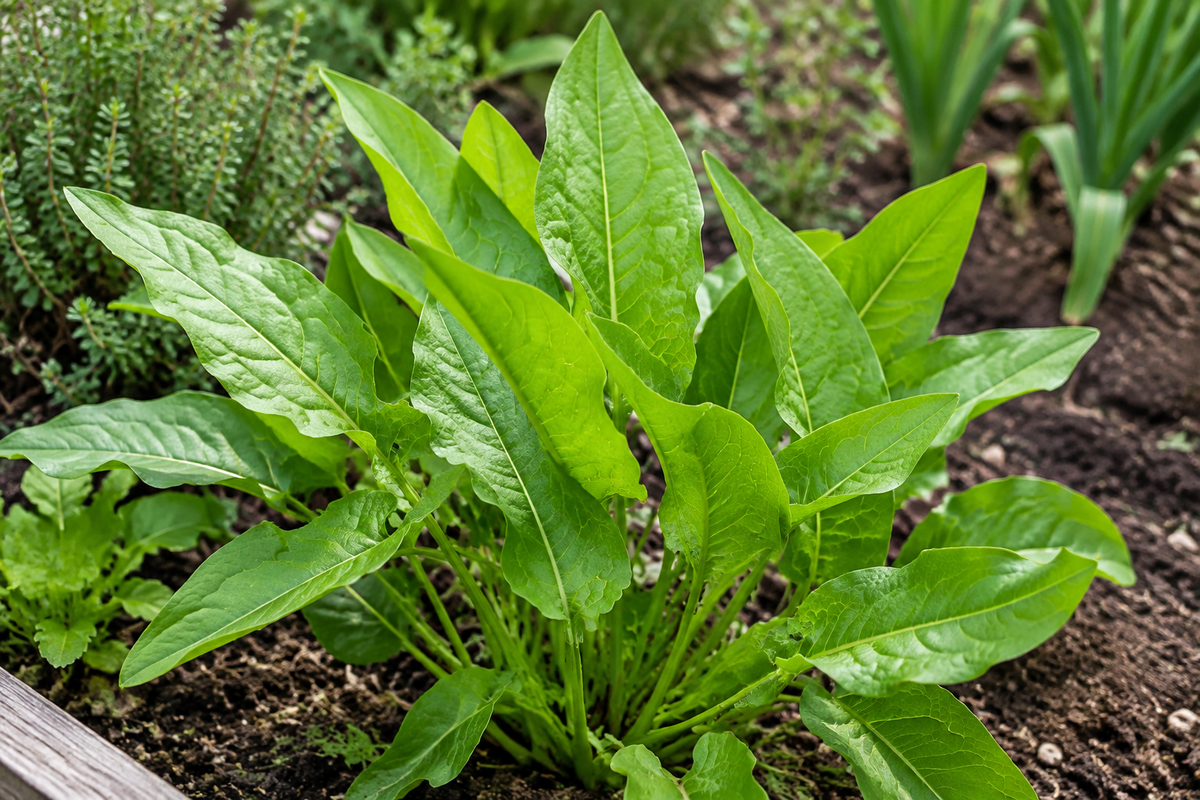
Common sorrel, Rumex acetosa, is a perennial leaf vegetable in the buckwheat family. Its fresh green leaves grow in a low clump, often with arrow-shaped bases, before the plant sends up taller flower stems. The leaves have a pleasantly sour flavour and can be eaten raw in small amounts or cooked like spinach. Sorrel dies back or slows in winter, then starts growing again in spring. Regular picking keeps a supply of young leaves coming.
A perennial leaf crop for the cool months
|
Botanical name |
Common sorrel: Rumex acetosa. |
|
Plant family |
Polygonaceae, the buckwheat family. |
Choose how you want to enjoy the plant
· For an easy start: sow seeds in spring or plant a young sorrel plant.
· For tender leaves: pick often while the leaves are still young.
· For a longer harvest: grow in moisture-retentive soil and water in dry weather.
· For a tidy clump: cut off flower stems before seed develops.
· For a small garden: grow sorrel in a pot to keep it contained.
· For next year: divide an established clump or collect ripe seed.
|
GOOD TO KNOW Sorrel is a perennial: it slows or dies back in winter, then sends up new leaves in spring. |
CHAPTER 2
Choose Your Sorrel
Choose the kind you want, then give this returning perennial a permanent place.
Ask yourself five questions
1. Do I want common sorrel, French sorrel or a decorative red-veined type?
2. Can I give the clump sun or light shade and soil that holds moisture?
3. Would I rather sow seed or begin with a small potted plant?
4. Can I pick leaves often and remove flower stems if they appear?
5. Would I like a container to keep the plant from spreading?
A beginner-friendly first planting
|
Sow |
Direct sow outdoors in spring, or begin in small pots. |
|
Soil |
Fertile and moisture-retentive, but not waterlogged. |
|
Space |
Leave about 25–30 cm between common sorrel plants. |
|
Pick |
Take outer leaves and leave the centre to keep growing. |
|
A COMMON MISTAKE Sowing too much. One or two clumps usually give plenty of leaves for a home kitchen. |
|
TRY THIS Grow a single plant in a pot if you want to enjoy the leaves without letting sorrel self-seed around a bed. |
CHAPTER 3
Let’s Sow
A small sorrel clump can provide plenty of leaves, so begin with one or two plants rather than sowing a long row. Common sorrel is upright and productive; French sorrel is shorter and has rounded, shield-shaped leaves. Choose a sunny or lightly shaded bed where the soil stays evenly moist, and leave room for the clump to widen. Sow directly outdoors or start a few seeds in pots. Once established, harvest only a few leaves at a time until the plant has made strong new growth.
When to sow in Hungary
Sow sorrel outdoors in spring near Győr, from March or April when the soil is workable and no longer saturated. A later spring sowing is also possible, but keep the seedbed moist as days warm. Sow a small amount because established plants are generous and may self-seed. If you start seeds in pots, use small cells and move seedlings outside after they have several leaves, handling the roots gently. Spring is the easiest season for a first sowing; established plants can then be picked from early growth onward.
What you need
· A packet of common, French or red-veined sorrel seed
· A sunny or partly shaded bed with moisture-retentive soil
· A small pot or seed tray if starting indoors
· A fine rake, labels and a gentle watering can
· A pair of clean scissors for harvesting leaves
Sowing, step by step
1. Choose a permanent bed or a container with drainage and fill it with fine compost.
2. Sow seeds thinly about 1 cm deep, following the packet if it differs.
3. Cover lightly with fine soil and water gently so the seed does not wash away.
4. Keep the surface evenly moist while the seedlings emerge.
5. Thin or transplant seedlings so mature plants have about 25–30 cm of room.
|
DON’T PANIC The seed is small and seedlings start slowly. Keep the surface moist and give them time to appear. |
|
A COMMON MISTAKE Letting every flower stem form seed. Cut most stems if you want leaves and fewer volunteer seedlings. |
CHAPTER 4
Seedling School
Give small seedlings steady moisture and space; the established clump is hardy.
Recognise a healthy seedling
Sorrel seedlings first show small leaves, followed by the plant’s more familiar arrow-shaped foliage. Keep the seedbed lightly moist and clear weeds while the plants are young. If you started them in a tray, pot on seedlings as they develop several leaves, then plant them outdoors once they are large enough to handle. Sorrel grows into a clump, so give each plant room and avoid crowding it between faster-growing crops.
Why has the seed not germinated?
A dry seedbed is a common reason for a poor sorrel sowing. The seed is small and should be covered only lightly; if buried too deeply or allowed to dry while germinating, it may struggle to emerge. Keep the soil gently moist, not waterlogged, and give the seeds a couple of weeks. If seedlings are sparse, sow a short extra row or a few seeds in pots and transplant them when sturdy.
Water while they settle
Water newly sown seed and young plants regularly so their shallow roots do not dry out. Once established, garden sorrel is fairly self-sufficient, but leaves stay tender and productive when the soil does not become parched. In a hot, dry Hungarian summer, give the clump a deep drink and consider light afternoon shade. Containers dry faster than beds, so check them more often and never leave the pot standing in water.
Feeding
Sorrel grows well in ordinary fertile garden soil. Before planting, work a little mature compost into poor ground to improve its structure and moisture retention. Established clumps do not need heavy feeding; a light compost mulch in late winter or early spring is usually enough. Too much rich feeding can encourage soft leafy growth. If the leaves look pale or growth is weak, check moisture, drainage, crowding and weeds before adding more fertiliser.
|
WHAT I WOULD DO I would water deeply during hot dry spells and give the clump light afternoon shade. |
|
DON’T PANIC Sorrel may slow down in summer heat. Water it, pick lightly and wait for cooler weather. |
CHAPTER 5
Ready for the Real World
Choose a lasting spot, keep young plants moist and give each clump room to grow.
Before sowing: choose a place the clump can keep
1. Select a sunny or lightly shaded spot with soil that holds moisture but drains well.
2. Remove weeds and loosen the top layer of soil before sowing.
3. Sow in spring directly into the bed or into small pots for later planting.
4. Water gently and keep the seedbed evenly moist until seedlings appear.
5. Thin or plant out seedlings about 25–30 cm apart.
When can it live outside in Hungary?
Sorrel is a hardy perennial and can grow outdoors in Hungary. Near Győr, sow directly in spring once the soil is workable, or plant out home-raised seedlings in late spring after hardening them off. Sorrel can take sun or light shade, and it appreciates moisture during hot spells. A little afternoon shade can help the leaves stay tender in a warm, dry summer. Established clumps return after winter and may start producing leaves early in spring.
Space common sorrel plants about 25–30 cm apart so their clumps have room to widen and airflow can move between leaves. French sorrel is lower and can spread sideways, so allow it space too. Water well after planting and keep young plants from drying out. Choose the position with care: sorrel can self-seed if flower stems are left to mature, and established clumps are easiest to renew by division rather than moving them repeatedly.
|
A COMMON MISTAKE Putting indoor-raised seedlings straight into strong sun. Harden them off gradually before planting. |
|
GOOD TO KNOW Established sorrel is hardy and returns in spring, but young plants still need water in dry spells. |
CHAPTER 6
Give Them a Good Home
Moisture-retentive soil and a little breathing room keep sorrel leaves fresh.
The right place
Choose a spot in full sun or partial shade, with fertile soil that holds moisture but does not stay waterlogged. Sorrel tolerates a range of soils, but it produces better leaves when roots do not dry out. Remove perennial weeds before planting, loosen the ground and mix compost into poor soil. Near Győr, a position with morning sun and light afternoon shade can be useful through summer heat. Once planted, let the clump settle in its chosen home.
Spacing
Leave about 25–30 cm between common sorrel plants. This gives each clump room to form a generous rosette and makes it easier to pick leaves and remove old foliage. French sorrel is lower and may spread sideways, so leave enough space around it as well. If you want to grow only a few leaves for salads, one plant in a pot can be enough. A container also helps prevent self-sown plants from appearing elsewhere.
Planting day
1. Remove weeds and fork compost into the planting area if the soil is poor.
2. Sow seeds about 1 cm deep or make a hole for each young plant.
3. Set transplants at the same depth they were growing in their pots.
4. Firm the soil gently, label the variety and water thoroughly.
5. Leave about 25–30 cm between plants and keep the soil moist as they establish.
Growing in containers or under cover
Sorrel grows happily in a container, which is useful on a balcony or when you want to keep it from self-seeding through a border. Choose a pot at least 30 cm wide with drainage holes and fill it with quality multipurpose compost. Keep the compost evenly moist in warm weather and move the pot out of strong afternoon sun during heat. It does not need greenhouse warmth; an outdoor position is suitable, and the container can overwinter outside if drainage is good.
|
TRY THIS Grow one sorrel plant in a pot near the kitchen so you can pick a few leaves when cooking. |
CHAPTER 7
Water, Feed & Keep Them Growing
Steady moisture and regular picking help keep new leaves coming.
Watering
Keep the seedbed moist until seedlings are established. Later, water during prolonged dry spells, especially in summer when the leaves may wilt and become tougher. Sorrel prefers evenly moist soil, though its roots should not sit in standing water. Water at the base of the plant in the morning when possible. Containers need more frequent checks because compost dries quickly in warm, windy weather.
Mulch
Spread a thin layer of mature compost around established clumps in late winter or early spring. It will help feed the soil, hold moisture and discourage weeds. Keep mulch away from the centre of the crown so new shoots can emerge cleanly. Weed by hand close to the plant and work shallowly around it. If you do not want sorrel seedlings appearing around the garden, cut flower stems before the seeds ripen.
Feeding
A healthy sorrel clump needs little extra feeding when it grows in fertile soil. Add a light top-dressing of compost each spring and avoid repeated doses of high-nitrogen fertiliser. If growth is weak, check whether the plant is too dry, crowded or competing with weeds. Older clumps can become congested and produce smaller leaves; dividing them is often more useful than feeding them heavily.
Keep plants healthy
Pick leaves regularly to encourage a supply of fresh growth, and remove damaged or yellowing leaves from the outside of the clump. Flower stalks may appear as the season progresses; cut them near the base if your main aim is tender leaf production and you do not want seedlings. In prolonged heat, water deeply and give plants some afternoon shade. Every four or five years, divide a crowded clump in spring or autumn and replant vigorous sections.
|
WHAT I WOULD DO I would pick the outside leaves, leave the centre growing and cut flower stems before they set seed. |
CHAPTER 8
Leaves, Stems & “What Is That?”
Young sorrel leaves are tender and lemony; older leaves grow stronger in flavour.
Why are the leaves tough or bitter?
Older leaves naturally become tougher and more strongly flavoured, especially as flower stems develop or the soil stays dry. Harvest the youngest leaves regularly, water during dry spells and cut flower stalks if you want the clump to focus on foliage. Remove very old outer leaves to make room for new growth. A slightly bitter taste does not mean the plant is diseased; it is often a sign to pick younger leaves or cook them into soup or sauce.
The beginner’s trouble guide
|
Leaves are tough or bitter |
Pick younger leaves more often and keep the soil from drying out. |
|
Seedlings are sparse |
Check sowing depth and moisture; sow another small pinch if needed. |
|
Flower stems appear |
Cut them off to encourage leaves or leave a few for seed. |
|
Clump is crowded |
Divide it in spring or autumn and replant strong sections. |
|
Leaves have holes |
Check for slugs and remove damaged leaves while plants are young. |
|
DON’T PANIC A few older leaves may taste strong. Pick the young centre leaves for the mildest flavour. |
|
A COMMON MISTAKE Confusing garden sorrel with wood sorrel. Check the botanical name before you sow or eat a plant. |
CHAPTER 9
Can I Pick It Yet?
Pick a few young leaves once the plant is established and leave the centre to regrow.
What “ready” looks like
Sorrel can be harvested once the plants are established and have produced several healthy leaves. In Hungary, young leaves may be ready in spring, then continue through the growing season until autumn cold slows growth. Pick the outer leaves by cutting their stems near the base, leaving the central growing point and several leaves on each plant. Regular light picking encourages fresh leaves; older leaves can be cooked if they become too strong for salad.
Harvest for the use you want
|
Kitchen |
Add young leaves to salads, soups, sauces or omelettes. |
|
Timing |
Pick lightly once established, from spring into autumn. |
|
Method |
Cut outer leaves near the base and leave the centre growing. |
|
Storage |
Refrigerate loosely wrapped and use soon, or freeze for cooking. |
How often should I check?
Check the clump every week during active growth and pick only the leaves you plan to use. In warm, moist weather, new leaves appear quickly; during summer heat, growth may slow until cooler conditions return. Remove flower stems promptly if you want leafy growth, and stop taking leaves if the plant looks tired or has very little foliage left. It will recover with water and time. The harvest season runs from spring into autumn, rather than producing one single crop.
|
READY TO HARVEST? Pick only a few leaves from a young plant; established clumps can provide a steady supply. |
|
TRY THIS Stir chopped sorrel into potato soup near the end of cooking for a bright, lemony finish. |
CHAPTER 10
From the Garden to the Kitchen
A few fresh sorrel leaves bring a bright, lemony tang to familiar dishes.
The first rule: use sorrel as a lively accent
Rinse the leaves, pat them dry and remove any tough stems. Young leaves can be torn into a mixed salad or added to a sandwich for a citrusy sharpness. Cooked sorrel softens and mellows, making it a natural addition to soup, omelettes, creamy sauces or a spinach mixture. Add it near the end of cooking if you want to keep some freshness. Its flavour is pronounced, so begin with a few leaves and add more to taste.
Match the harvest to its purpose
· Salad: use a few young leaves with milder greens and a simple dressing.
· Soup: stir chopped sorrel into a creamy potato or vegetable soup.
· Sauce: cook the leaves briefly with butter or cream to serve with eggs or fish.
· Freezer: chop leaves and freeze in small portions for cooking later.
|
FROM THE KITCHEN Sorrel has a lively sour flavour, so begin with a few leaves and add more to taste. |
Keeping the harvest fresh
Use sorrel soon after picking for the best texture. If you need to store it, remove damaged leaves, leave the rest unwashed and loosely wrap them in a slightly damp cloth or paper towel in the refrigerator. Rinse shortly before use. Sorrel wilts faster than sturdy greens, so harvest small amounts as needed. You can also chop and freeze leaves for soups and sauces; they will soften when thawed and are best used cooked.
When you have more than one use
A mature clump often gives more leaves than a salad needs. Pick a small handful for a fresh side salad, then cook the rest into soup, sauce or an omelette. You can freeze extra leaves in portions for winter cooking. If the plant has become crowded, divide it and share a section with a neighbour. Young plants will take a little time to establish, so keep harvesting lightly until they are growing strongly.
CHAPTER 11
Next Season Starts Now
Keep notes, divide older clumps and decide whether to save seed or stop it spreading.
Keep a tiny garden record
· Seed packet name and botanical name of the sorrel you chose
· Sowing date and how long seedlings took to appear
· Where the plant grew best in sun or partial shade
· When the first leaves were ready to pick
· How often you watered during summer dry spells
· Whether flower stems appeared and how you managed them
· Which leaves and recipes tasted best to your household
Saving seed for next year
Sorrel can flower and set seed if you leave its stems on the plant. Once the seed heads turn dry and brown, collect them on a dry day and allow them to finish drying in a paper bag. Clean and label the seed, then store it cool and dry. Sorrel can self-seed freely, so leave only a few flower stems if you want seed and remove the rest before they scatter. Another simple way to renew a plant is to divide its clump every four or five years.
1. Choose one healthy plant and leave a flower stem or two to mature.
2. Wait until the seed heads are dry and brown before collecting them.
3. Cut the stems into a paper bag so loose seed is caught.
4. Finish drying the seed in a cool, airy place and remove chaff.
5. Label the seed with the year and sow it in spring.
|
GOOD TO KNOW Divide established clumps every four or five years to keep them productive. |
|
WHAT I WOULD DO I would keep one or two flower stems for seed and cut the rest before they scatter. |
COME GROW WITH ME
SORREL CHEAT SHEET
The page to come back to when you have soil on your hands and no time to reread the whole book.
|
SOW |
March or April |
Direct sow when the soil is workable |
|
POSITION |
Sun or light shade |
Moisture-retentive, well-drained soil |
|
SPACE |
About 25–30 cm |
Give each clump room to widen |
|
CARE |
Water in dry spells |
Pick leaves often; remove flower stems |
|
HARVEST |
Spring into autumn |
Cut outer leaves and leave the centre |
|
Start |
Sow a small amount of sorrel seed in spring. |
|
Prepare |
Choose a lasting spot in sun or partial shade. |
|
Plant |
Leave about 25–30 cm between common sorrel plants. |
|
Care |
Keep young plants moist and cut unwanted flower stems. |
|
Pick |
Harvest a few outer leaves once plants are established. |
|
Next season |
Divide an older clump or save a little fresh seed. |
|
HUNGARY IN ONE LINE Near Győr, sow sorrel in spring, keep it watered through summer heat and pick fresh leaves from spring into autumn. |
COME GROW WITH ME • SORREL


