

From Tiny Seeds to Soft Pink Summer Flowers
A friendly guide to sowing, growing and enjoying mallow in Hungary.
Come Into the Garden With Me…
Today, we're growing mallow - one of those flowers that looks as though it has always belonged in the garden.
Mallow does not need a formal bed or a complicated planting plan. It is happiest in the kind of place where a garden can relax a little: beside a fence, at the back of a sunny border, along the edge of a meadow-style patch, or in that slightly untidy corner where bees always seem to find something interesting.
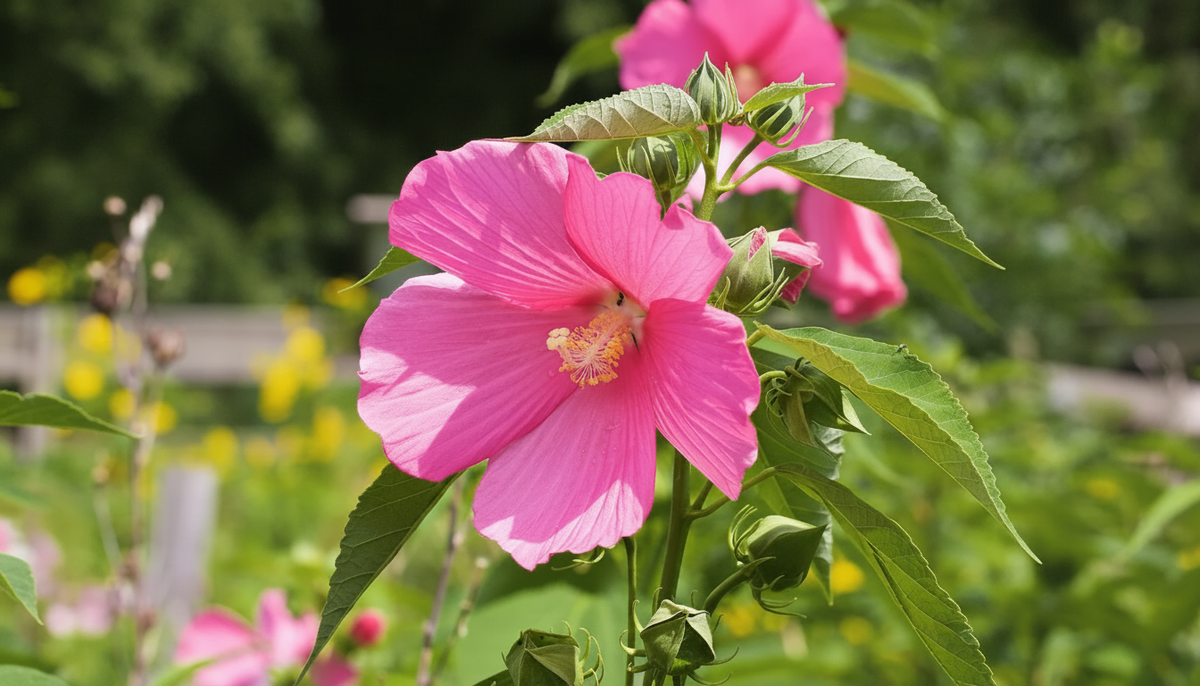
The flowers are soft and open, usually pink, rose, mauve or lilac, with darker veins that lead straight towards the centre. They have the easy, old-fashioned look of hollyhocks - which makes sense, because hollyhocks and mallows belong to the same botanical family.
For gardeners in Hungary, mallow has plenty to recommend it. It enjoys sun, tolerates summer warmth, attracts pollinators and, depending on the kind you grow, may behave as an annual, biennial or short-lived perennial. Some mallows will also seed themselves gently around a suitable garden.
At Holland Kertészet we currently have more than one mallow seed option, so this little book will help you understand the group rather than pretending that every mallow behaves in exactly the same way.
We'll start with the seed packet, learn what 'biennial' really means, sow it properly, move the young plants into the garden, keep them healthy through a Hungarian summer and then decide what to do when seed heads begin to form.
Ready? Let's grow something soft, generous and wonderfully unfussy.
1. Meet Mallow
Mallow is the common name used for a group of plants in the mallow family, Malvaceae. The genus Malva contains many of the plants most gardeners simply call mallows, while close relatives include hollyhocks, lavatera and hibiscus.
What does a mallow look like?
Most garden mallows make upright or gently branching plants with rounded to lobed leaves and open, five-petalled flowers. The petals often carry darker veins, giving each bloom a delicate hand-drawn look.
Depending on the species and growing conditions, plants may remain fairly compact or reach around a metre or more. Our Native Flowers - Mallow packet is described as reaching about 80 cm, which makes it tall enough to give structure without turning into a wall of foliage.
Annual, biennial or perennial?
This is where the name 'mallow' can cause confusion. Some mallows flower in the same year they are sown. Others are biennials: they make leaves and roots first, survive winter, then flower strongly the following year. Still others can live for several seasons.
The Native Flowers - Mallow seed sold by Holland Kertészet is specifically described as biennial. That means patience is part of the plan: the first season builds the plant, and the second season gives you the main show.
|
GOOD TO KNOW A biennial is not a plant that flowers only once every two years. It usually grows leaves and roots in year one, flowers and sets seed in year two, then finishes its life cycle. |
2. The Mallows We Grow With You
The Holland Kertészet seed range currently includes two mallow-labelled products that are useful to think about separately.
Native Flowers - Mallow
This packet is the clearest starting point for this book. The packet information describes a biennial plant with pink or lilac flowers, a height of about 80 cm, and a sowing window outdoors from April to October. It is also attractive to bees and butterflies, and the flowers and leaves are described as edible.
Mallow
We also carry a packet simply labelled Mallow . Because the current shop listing does not state a botanical species on the collection page, I would not use the packet name alone to make very specific promises about life cycle or final height. Read the back of the packet and let those instructions take priority.
That is a useful gardening habit in general: common names are friendly, but the packet is the final authority for the exact seed in your hand.
|
GROW WITH US If you have the Native Flowers packet, expect a biennial rhythm and roughly 80 cm of height. If you have the Horti Tops packet, follow the sowing and height information printed on that specific packet where it differs from this general guide. |
3. Finding the Right Place
Mallow is at its best when it receives plenty of light and enough room for air to move through the stems.
Sun first
Choose full sun if you can. A little light shade is usually tolerated, especially during the hottest part of a Hungarian afternoon, but too much shade can make plants taller, softer and less floriferous.
In western Hungary, around Győr and Gyömöre, a sunny border or open cottage-garden position is ideal. On a Budapest balcony or a paved terrace, remember that reflected heat can be much stronger than the air temperature suggests, so containers need closer watering than plants in open soil.
Soil
Mallow is not a plant that demands perfect soil. Ordinary garden soil is usually fine if water can drain away and the roots are not sitting in a cold swamp through winter.
Heavy Hungarian clay can still grow mallow, but avoid the lowest part of the garden where water stands after rain. Loosen compacted soil, add organic matter to improve structure, and choose a slightly raised planting position if drainage is poor.
Give it breathing room
Crowded stems stay damp for longer after rain and make it easier for leaf diseases to spread. Give each plant enough space to develop naturally rather than trying to create an instant solid block.
|
A COMMON MISTAKE Planting mallow in a rich, shaded corner because the soil looks 'good'. Too much shade and too much nitrogen can give you lots of lush leaf growth but fewer flowers and softer stems. |
4. When to Sow in Hungary
For the Native Flowers mallow, the packet window is unusually generous: April through October outdoors in a seedbed.
Spring sowing
April and May are comfortable months for many Hungarian gardeners. The soil is warming, spring moisture is usually still available, and young plants have a long season ahead of them to build roots.
If you sow a biennial mallow in spring, do not be disappointed if it concentrates on leaves during its first year. That strong leafy rosette is exactly what prepares it for flowering later.
Summer sowing
June and early July can also work, but the challenge becomes moisture. Tiny seedlings do not yet have deep roots, so a week of fierce heat can undo a promising start very quickly. Shade the seedbed lightly during extreme heat if necessary and keep the surface evenly moist while germination is taking place.
Late summer and autumn sowing
August, September and even October can be excellent for biennial mallows. The seedlings establish while the soil is still warm, then settle down for winter and are ready to move quickly when spring returns.
The later you sow, the more important it becomes to avoid tiny, weak seedlings going into hard frost. Aim for plants that have had enough time to make a small but sturdy root system.
|
WHAT I WOULD DO For a beginner in Hungary, I would sow one batch in April or May and a second small batch in late August. You will quickly learn which timing suits your own soil and summer conditions best. |
5. How to Sow Mallow
Prepare a simple seedbed
Choose a small patch of loose, weed-free soil. Rake the surface until it is fine enough that the seed will make good contact with the earth.
You can also sow into trays or modules if you prefer more control, but a seedbed is wonderfully simple for a plant that does not need pampering.
Sow lightly
Scatter or place the seeds with a little space between them rather than tipping the whole packet into one tiny hole. Cover lightly with fine soil and water gently so the seed is not washed into clumps.
Keep the surface moist while germination is taking place. The aim is not constantly wet mud; it is steady moisture around the seed.
Label it
This sounds almost silly until you have three trays of anonymous green leaves. Write 'Mallow' and the sowing date on a label. If you are growing both Holland Kertészet packets, write the packet name too.
|
DON'T PANIC Seedlings rarely appear like soldiers on parade. Some emerge early, some later, and a few seeds may not germinate at all. Judge the whole tray or seedbed, not one empty patch. |
6. The First Seedlings
Mallow seedlings are not difficult, but the first weeks still matter.
Light
Give them plenty of light once they emerge. Seedlings stretching desperately towards a window become long and weak. If you start them in trays, move them into the brightest safe position you have.
Water
Water the soil rather than repeatedly soaking the leaves. Small plants need regular moisture, but permanently saturated compost encourages trouble at the base of the stem.
Thinning and moving
When the seedlings are large enough to handle, thin crowded patches or transplant extras. Hold a seedling by a leaf rather than squeezing the stem. If one leaf is damaged, the plant can replace it. A crushed stem is a much bigger problem.
If you have several good seedlings, keep more than one. Mallow looks especially natural in loose groups rather than as a single lonely specimen.
7. Planting Out
Container-grown seedlings should be hardened off before they move permanently into the garden. Give them several days of increasing exposure to outdoor light, wind and temperature changes rather than moving them from a protected windowsill straight into full sun.
Spacing
For an 80 cm mallow, around 30-40 cm between plants is a useful starting point. Exact spacing depends on the variety, but airflow matters and the plants will look better when their branching habit can be seen.
Plant at the same depth
Set the young plant so the soil level around the stem is roughly the same as it was in the pot. Firm gently and water thoroughly after planting.
The first two weeks
This is when you should pay attention. Even a plant that will become drought tolerant later cannot cope with a newly disturbed root ball drying out completely. Check the soil regularly until you see confident new growth.
|
GOOD TO KNOW Drought tolerance belongs to an established root system. A newly planted mallow is still a beginner too. |
8. Caring for Mallow Through Summer
Water deeply, not constantly
Once established in the ground, mallow usually prefers a proper drink followed by time for the soil surface to dry slightly, rather than little splashes every day.
In prolonged Hungarian heat, check plants in the morning. If the soil is dry several centimetres down and the plant remains limp after the cool night, it probably needs water. A brief droop during the hottest part of the afternoon is not always an emergency.
Feeding
Mallow does not need aggressive feeding in ordinary garden soil. Too much nitrogen can produce tall, soft growth that is more likely to lean or suffer disease. A modest layer of compost is often enough.
Deadheading
If you want flowers for as long as possible, remove faded blooms before every flower turns into seed. If you want self-sown seedlings, deliberately leave some of the later flowers to mature.
Staking
In a sheltered garden, an 80 cm mallow may stand perfectly well on its own. In an exposed garden or after very lush growth, a discreet support can stop stems from being flattened by a summer storm.
|
A COMMON MISTAKE Giving extra fertiliser because a plant looks a little pale during extreme heat. First check water, root conditions and new growth. More fertiliser is not the answer to every stressed plant. |
9. Flowers, Pollinators and the Edible Question
One of the loveliest reasons to grow mallow is simply to watch who visits it. Open mallow flowers are easy for bees to work, and the Native Flowers packet is specifically promoted as attractive to bees and butterflies.
Let some flowers stay
A perfectly deadheaded garden can be surprisingly poor for wildlife. If pollinators are part of the reason you grow mallow, allow plenty of fresh flowers to remain available and avoid spraying them with broad-spectrum insecticides.
Are mallows edible?
The Native Flowers - Mallow product information states that both flowers and leaves are edible. That does not mean every ornamental plant sold under the common name 'mallow' should automatically be treated as food.
Only eat a plant when you are certain of its identity and know that it has not been treated with unsuitable chemicals. If your packet does not explicitly identify the plant as edible, enjoy it with your eyes and leave the kitchen experiment for a correctly identified edible strain.
|
SAFETY FIRST Common names can cover several related plants. For eating, botanical identity matters more than resemblance. Use only correctly identified, untreated plants intended for edible use. |
10. Problems to Watch For
Rust
Mallows and their relatives can suffer from rust diseases. Look for orange, yellow or brown pustules on the undersides of leaves, often with pale spots above.
Good airflow, watering at soil level and removing badly affected leaves can help. Do not compost heavily diseased material if your compost does not become hot enough to destroy pathogens.
Leaf spots and mildew
Crowded plants, damp leaves and still air make fungal problems more likely. Space plants properly and avoid wetting the foliage late in the evening.
Aphids
Soft new shoots may attract aphids. A small population is often handled by ladybirds, hoverfly larvae and other natural predators. If numbers become excessive, a firm spray of water can remove many of them without reaching immediately for chemicals.
Slugs and snails
Young seedlings are more vulnerable than established plants. Check new plantings after damp nights and remove hiding places immediately around the seedlings.
|
LOOK AT THE WHOLE PLANT One spotted leaf is not a disaster. Check whether new growth is healthy, whether the problem is spreading, and what the recent weather has been before deciding that the plant needs treatment. |
11. Mallow in Pots
Mallow can be grown in a container, but this is where the gardener has to do more of the work.
Choose a generous pot
A tall plant in a tiny pot dries quickly and blows over easily. Use a stable container with drainage holes and enough compost to buffer the roots from rapid temperature and moisture swings.
Watering containers
During a Hungarian heatwave, a sunny container may need checking every day. Water thoroughly until excess escapes from the drainage holes, then wait until the top layer begins to dry before watering again.
Position
Give the pot plenty of sun but remember that a south-facing balcony can become much hotter than an open garden. If leaves scorch repeatedly despite correct watering, move the container slightly away from heat-reflecting walls during the fiercest weeks.
12. When the First Season Ends
If you are growing the biennial Native Flowers mallow, autumn is not the end of the story. It is halftime.
Let the plant settle
By autumn, your mallow should have built leaves and a useful root system. Do not force it into soft late growth with heavy feeding. Allow it to slow down naturally as temperatures fall.
Winter
In a normal Hungarian garden, a hardy biennial mallow should be much more concerned about waterlogged soil than about ordinary winter cold. Keep the crown clear of thick wet debris and make sure drainage is working.
Spring return
When growth resumes, remove dead or damaged material and give the plant light and space. The second-year plant should then turn its stored energy towards stems, buds and flowers.
|
THE BIENNIAL REWARD The first year can feel quiet because most of the work is happening in leaves and roots. The second year is when patience suddenly becomes flowers. |
13. Saving Seed and Letting Mallow Wander
If you stop deadheading, the flowers eventually form seed structures. Allow these to mature and dry on the plant before collecting them on a dry day.
Save a little
Store fully dry seed in a labelled paper envelope somewhere cool and dry. Write the variety or packet name and the year. Future you will be very grateful.
Or let nature sow
Mallow can look wonderful when it appears in a slightly different place each year. If you enjoy an informal cottage-garden style, leave a few seed heads standing and watch for young seedlings the following season.
Self-sowing does not always reproduce a named strain perfectly, especially when related plants are flowering nearby, but that small element of surprise is part of the charm.
|
TRY THIS Leave one plant completely un-deadheaded at the end of the season. Save some seed yourself and let the rest fall naturally. Next year you can compare the two methods. |
14. A Simple Mallow Calendar for Hungary
MARCH Prepare a sunny bed, improve drainage and decide whether you want a spring or late-summer sowing.
APRIL Begin outdoor sowing as the soil warms. Keep the seedbed evenly moist.
MAY Continue sowing and thin crowded seedlings. Harden off tray-grown plants.
JUNE Plant out strong seedlings. Water well while roots establish.
JULY Watch young plants during heat. Deadhead flowering annual forms and check leaves for rust.
AUGUST A useful month to begin a second sowing of biennial mallow. Keep new seedbeds moist.
SEPTEMBER Excellent for establishing biennial seedlings while the soil is still warm.
OCTOBER The Native Flowers packet still allows sowing. Protect very late seedlings from being smothered by leaves.
NOVEMBER Stop feeding and let established biennials settle into winter.
DECEMBER-JANUARY Do very little. Check only that crowns are not sitting in stagnant water.
FEBRUARY Look for the first signs of renewed growth and clear away damaged material as spring approaches.
15. Your Mallow Cheat Sheet
• Choose a sunny, airy position.
• Read the packet because different mallows have different life cycles.
• For the Native Flowers packet, remember: biennial, about 80 cm, April-October sowing.
• Sow into fine soil and cover lightly.
• Keep the seedbed moist while germination begins.
• Thin crowded seedlings.
• Harden off tray-grown plants before planting out.
• Space generously enough for airflow.
• Water regularly while plants establish, then more deeply and less often.
• Do not overfeed.
• Watch for rust, especially in humid weather.
• Deadhead for more flowers, or leave seed heads for wildlife and self-sowing.
• If growing an edible-labelled mallow, confirm identity before eating any part.
|
IF YOU REMEMBER ONLY FIVE THINGS Sun. Airflow. Gentle watering while young. Do not overfeed. And if your mallow is biennial, give it time. |
16. And Then One Morning…
There is a flower.
After weeks of leaves, after the hot days when you checked the soil twice, after the winter when a biennial plant seemed to be doing almost nothing, a stem lifts above the foliage and one soft pink or lilac flower opens.
Look closely and you will see the darker veins running through the petals. Then a bee arrives and disappears head-first into the centre, and suddenly the whole reason for growing mallow becomes obvious.
This is not a flower that needs to be perfect. It is better when it leans slightly into another plant, when a few seed heads are forming beside new blooms, and when the border looks alive rather than arranged.
One last walk around the garden
We began with a packet of seeds and a common name that covered more than one kind of plant. We learned to read the packet carefully, to understand the biennial rhythm, to sow through the long April-to-October window, and to give mallow the sun, drainage and breathing room it needs.
Now you know what to expect from the Holland Kertészet Native Flowers mallow, how to handle young plants through Hungarian summer heat, what rust looks like, why pollinators love the open flowers and how to decide whether to deadhead or save seed.
Your own garden will teach you the rest: which corner catches the gentlest morning sun, where mallow stands without support, whether it prefers your spring or late-summer sowing, and where the first self-sown seedling decides to appear.
Until then, enjoy the flowers. And whenever you're ready to grow something new…
Come into the garden with me.


