


There is a reason experienced gardeners talk about trees as the "bones" of a garden. Chosen well, a single ornamental tree can transform a flat, uninspiring plot into a space with real structure, seasonal theatre, and a sense of permanence. European homeowners are investing more seriously in their outdoor spaces than ever before. If you are ready to plant something that will reward you for decades, this is where to start.
Whether you have a compact city garden in Budapest, a generous suburban plot in Vienna, or a countryside property in the Hungarian countryside, there is an ornamental tree on this list for you. From the moment you press the first one into the soil, you are committing to the long game, and that is a very good thing.
Key Takeaways
-
Trees are long-term investments: Exotic tree species first brought into Central Europe at the end of the 18th century still have living old specimens in historic gardens today, demonstrating the long-term vitality of woody plants under Hungarian climatic conditions. Choose carefully and plant once.
-
Multi-season interest wins: The best ornamental trees earn their keep across all four seasons, not just in spring blossom. Look for trees with flowers, autumn colour, interesting bark, and wildlife value.
-
Size at maturity matters: Many gardeners are wary of planting a tree, fearful that it may get too big, but careful selection is essential, and there are wonderfully compact trees available that can even be contained in a large pot. Always check the 20-year dimensions, not the label dimensions.
-
Europe's ornamental sector is booming: Europe holds a 22.1% share of the global ornamental horticulture market and is characterised by a long cultural tradition of ornamental gardening. Nursery quality and variety selection have never been better, use that to your advantage.
-
Match the tree to your soil: Every tree below has specific soil preferences. Getting this right from day one saves years of disappointment.
Start here based on your situation:
-
Small garden or courtyard: Japanese Maple or Ornamental Cherry, both stay compact and deliver high visual impact for their footprint.
-
Wildlife-first approach: Rowan or Snowy Mespilus, both produce berries that birds rely on and flowers that support pollinators.
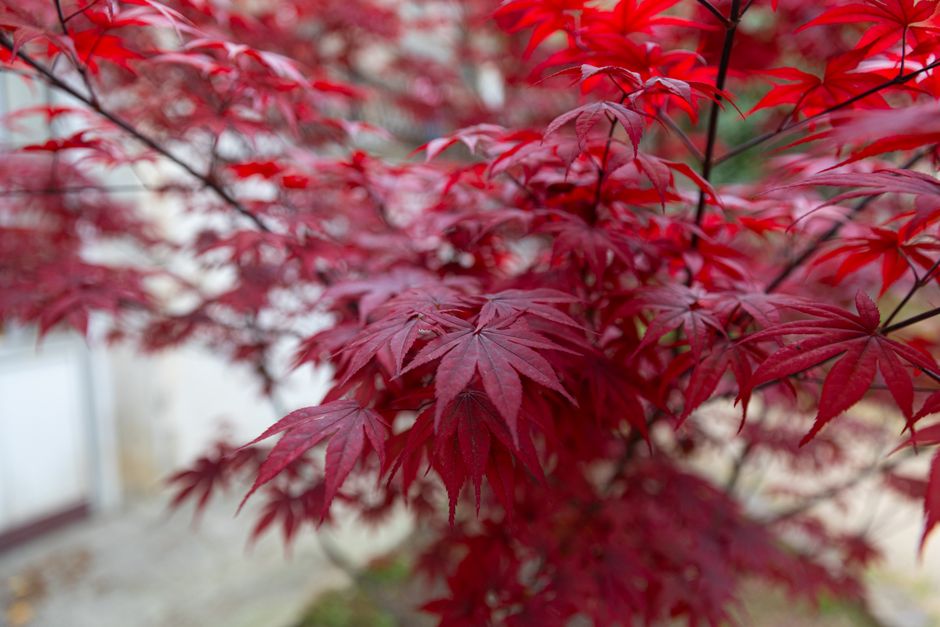
1. Japanese Maple (Acer palmatum), Best for Small Gardens and Autumn Drama
Why It Belongs in Almost Every Garden
The Japanese maple is a must-have for gardeners seeking elegance, texture, and vibrant seasonal interest. With its graceful habit, finely cut foliage, and blazing autumn colours, it enhances any garden space, large or small.
The Japanese maple tree is a compact, slow-growing species with elegant branches and finely divided leaves. Its non-invasive root system and small size makes it the perfect ornamental tree for small gardens, urban gardens, and front gardens. In larger plots, they work beautifully as under-planted specimens beneath taller deciduous trees.
Choosing the Right Variety
There are hundreds of cultivars, which can feel overwhelming. For a reliable starting point, Acer palmatum 'Orange Dream' is a medium-sized Japanese acer tree that is large enough to act as a specimen plant or focal point in small gardens but petite enough that it will not overwhelm the space. For something bolder, Acer palmatum 'Bloodgood' is one of the more resilient cultivars and can be planted in full sun.
Care Notes
Their natural shape is normally the most attractive, so Japanese Maples rarely need pruning. Any pruning should be carried out in the dormant season from November to March, as Japanese Maples bleed during other times of the year, which can weaken the branches. Use rainwater rather than tap water when possible to preserve foliage colour.
Pros:
-
Enormous variety of leaf forms, colours, and sizes
-
Slow growing, stays manageable for decades
-
Genuinely spectacular autumn colour
-
Grows well in large containers
Cons:
-
Young leaves are sensitive to frost and are not drought tolerant
-
May suffer leaf scorch with excess sun, wind, or drought
-
Needs shelter from harsh midday sun in hot Hungarian summers

2. Ornamental Cherry (Prunus serrulata), Best for Spring Spectacle
The Classic Spring Statement Tree
If you want a tree with the wow factor in spring, then an ornamental or flowering cherry is the perfect choice. Few sights in the garden calendar are as thrilling as a mature ornamental cherry in full blossom, and in Central Europe's spring climate, they perform reliably year after year.
Prunus serrulata 'Kanzan' requires an environment protected from strong winds and moderately fertile but above all very well-drained soils. It is one of the most popular double-flowered varieties and delivers clouds of rich pink blossom in mid-spring.
Getting the Planting Right
Flowering cherries prefer an open and sunny site that is not too exposed. Strong winds in spring will blow away much of the blossom, reducing the overall flowering display. Plant in autumn where possible to give the root system time to establish before its first spring show. The best time to plant is in early spring or autumn to avoid extremes of heat or intense cold.
Pros:
-
Breathtaking spring blossom display
-
Good autumn foliage colour on many cultivars
-
Adaptable to most well-drained soil types
-
Relatively fast to establish
Cons:
-
Some cultivars can live for more than 25 years without losing their ornamental appeal, but others are shorter lived than many trees
-
Spring blossom period is brief, typically two to three weeks
-
Susceptible to silver leaf disease if pruned at the wrong time
Pro Tip: Avoid pruning ornamental cherries in autumn or winter. Summer pruning, immediately after flowering is complete, greatly reduces the risk of silver leaf disease entering through fresh cuts.
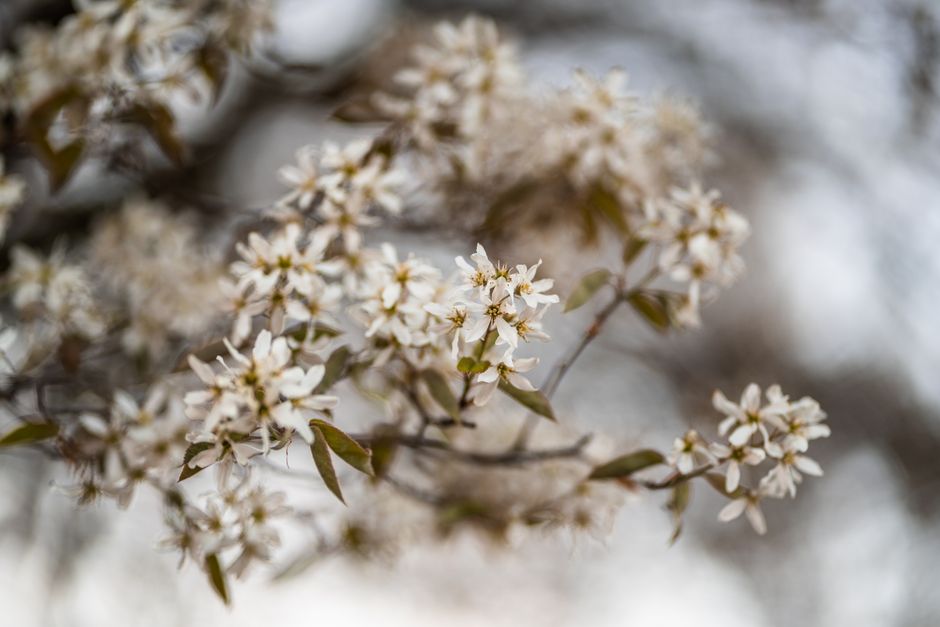
3. Snowy Mespilus (Amelanchier lamarckii), Best for Four-Season Interest
The Unsung Hero of the European Garden
I have found that the Amelanchier is the tree most often recommended by professional garden designers, yet it remains underused by home gardeners. That disparity is worth closing in 2026. Amelanchier lamarckii brings exceptional year-round interest with its spectacular spring blossoms, edible summer berries, and one of the most reliable autumn colour displays of any small tree, offering four distinct seasons of beauty.
This tree is naturalised over much of Western Europe and benefits from providing interest at all points of the year. Starting in spring, profuse white flowers emerge in plentiful racemes, covering the tree from top to bottom.
Soil and Siting
An easy tree to grow suitable for all areas including wet, heavy clay soils, full sun, and exposed areas, though it is not suitable for chalky soils and will grow well in normal to acidic soil. This makes it particularly well suited to many Hungarian garden soils.
Pros:
-
White spring blossom, summer berries, fiery autumn colour, and elegant winter structure
-
Wildlife value is exceptional, birds love the berries
-
Tolerates clay and exposed sites
-
Low maintenance once established
Cons:
-
Dislikes chalky or strongly alkaline soils
-
Multi-stem form can look untidy without occasional light shaping
-
Berries are quickly taken by birds; you may not enjoy them for long yourself
4. Flowering Dogwood (Cornus kousa), Best for Summer Colour and Woodland Style
The Tree That Blooms When Others Rest
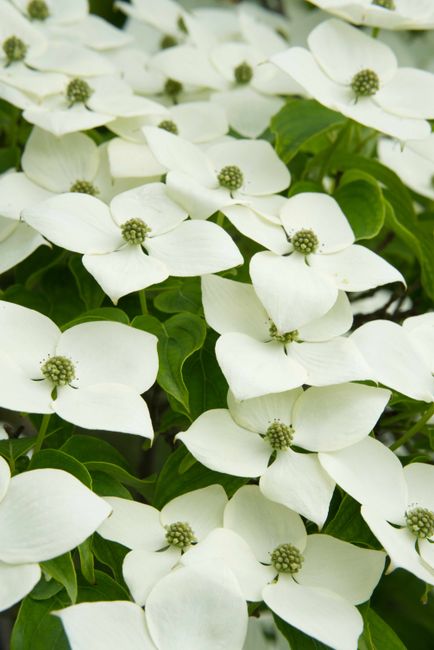
Most ornamental trees peak in spring. Cornus kousa deliberately takes a different path. Cornus kousa is a deciduous shrub or small tree celebrated for its exquisite white or pink bracts that appear in early summer, followed by eye-catching strawberry-like fruits in autumn. This elegant plant brings year-round interest to gardens, with vibrant burgundy foliage in winter and a graceful, tiered branching habit. It thrives as a specimen tree or woodland garden focal point.
Cornus kousa boasts excellent resistance to many common dogwood diseases, ensuring its longevity and vigour in garden settings. This low-maintenance quality makes it an excellent choice for gardeners who want impact without constant intervention.
Planting in Central Europe
The right time to plant Cornus kousa is during the dormancy period. In Western Europe, Cornus kousa with root balls can generally be planted from mid-November to late April, although this depends strongly on the climatic conditions. For Hungary's continental climate, spring planting after the last frost risk is a sound approach.
Pros:
-
Summer flowering fills the gap left by spring trees
-
Strawberry-like fruits add autumn interest and wildlife value
-
Disease resistant compared to other dogwoods
-
Attractive exfoliating bark provides winter structure
Cons:
-
Prefers well-drained, slightly acidic to neutral soil and dislikes waterlogged conditions and heavy clay soils.
-
Slower to establish than some other ornamental trees
-
Takes a few years before producing a full flowering display
5. Silver Birch (Betula pendula), Best for Year-Round Bark Interest
Europe's Own Elegant Native
The silver birch is native to the UK and much of Europe, including Hungary, making it one of the most naturally adapted ornamental trees available. Yet its familiarity should not diminish its considerable beauty. The bark starts as golden brown but changes to white and peels off in large flakes. As the tree ages, the bark becomes fissured and develops character, becoming dark grey and almost black at the base. This ornamental peeling bark gives interest all year round and is particularly effective in winter.
Adaptable and hardy, Betula pendula thrives in well-drained soils and is commonly found in a variety of landscapes. It prefers full sun to partial shade and provides dappled shade and a sense of natural elegance to outdoor spaces.
Pros:
-
Iconic white bark provides winter interest when most trees are bare
-
Light, airy canopy allows underplanting with bulbs and perennials
-
Very hardy and tolerant of poor soils
-
Fast to establish; you see results quickly
Cons:
-
Best suited to medium or large gardens, can feel dominant in a very small space
-
Roots can be competitive in dry conditions
-
Short-lived by tree standards, typically 60 to 80 years in cultivation
6. Rowan (Sorbus aucuparia), Best for Wildlife and Exposed Sites
The Most Generous Tree You Can Plant
The mountain ash or rowan, Sorbus aucuparia, is a native European tree, especially valued at high altitudes where its robust hardiness ensures its survival. Once credited with magical powers and often planted near dwellings as insurance against misfortune, it is now widely planted in gardens, both as the species and in its many varieties.
It flowers from May to June in dense clusters of small creamy-white flowers, then develops small red pomes as fruit that ripen from August to October and are eaten by many bird species. If feeding wildlife is part of your garden philosophy, no tree on this list delivers more reliably. Because it makes few demands of the soil, this tree occurs in a variety of places and also grows on dry poor soils.
Pros:
-
Exceptional wildlife value, flowers for pollinators, berries for birds
-
Tolerates poor soils, exposed and windy sites
-
Reliable fiery autumn foliage
-
Native to Europe including Hungary, no establishment surprises
Cons:
-
Berry display is short-lived once birds discover it
-
Can be susceptible to fireblight in warm, humid summers
-
Often prone to insect and disease problems when grown in warm climates, hot Hungarian summers can increase pest pressure
7. Small-Leaved Lime (Tilia cordata)
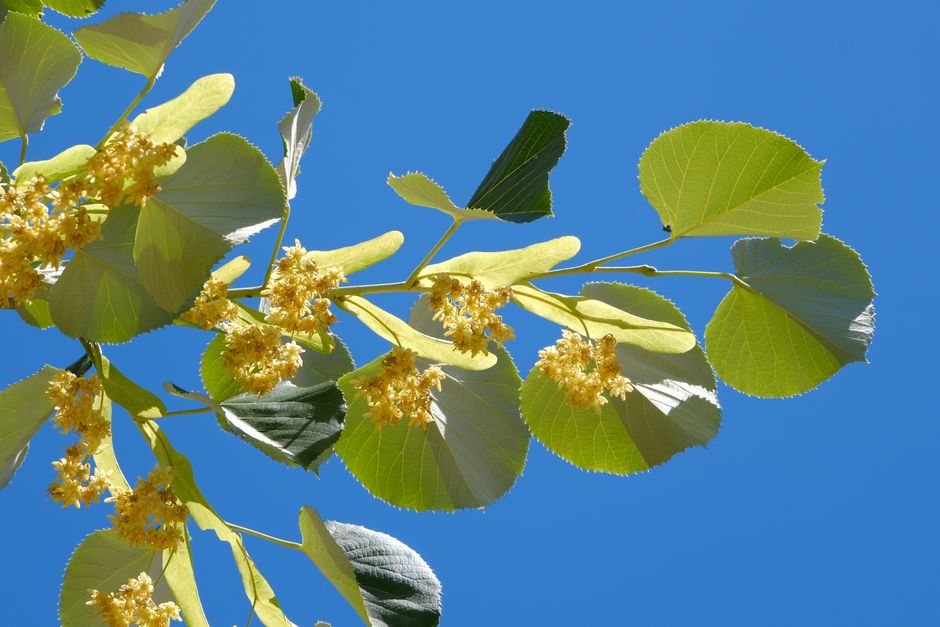
Small-leaved lime is a long-lived deciduous tree native to Europe with a wide natural range found across most of Europe. It is the number one most sold ornamental tree exported across Europe by specialist nurseries. Small-leaved lime's fragrant flowers are highly attractive to bees and other pollinators, making it an important species for maintaining pollinator populations. It needs more space than the seven trees above, but for larger gardens in Hungary, it rewards patience magnificently.
Pro Tip: Tilia cordata is exceptionally hardy and long-lived (often surviving 500 or more years) and is less prone to aphid honeydew problems than Common Lime, making it a cleaner choice for gardens and streets. If space allows, plant one now and give the next generation something to look up at.
How to Choose the Right Tree for Your Garden
Step 1, Measure Your Space Honestly
Check the 20-year dimensions of any tree before you buy. The label shows the size it is today. The specifications box shows what it becomes. A tree planted too close to a building or boundary can create costly problems within a decade.
Step 2, Test Your Soil
A simple pH test (widely available at garden centres) will tell you whether your soil is acidic, neutral, or alkaline. Japanese Maples and Amelanchier perform best in slightly acidic soils. Tilia and Prunus tolerate neutral to alkaline conditions. Getting this wrong is the most common cause of slow establishment.
Step 3, Consider the Seasons You Care About Most
Every tree on this list has a peak season. If you want spring drama, plant an ornamental cherry. If summer colour matters most, choose Cornus kousa. If you are looking for year-round presence, Amelanchier or Silver Birch are hard to beat.
Frequently Asked Questions
What is the best ornamental garden tree for a small garden in Hungary?
For small Hungarian gardens, Japanese Maple (Acer palmatum) and Ornamental Cherry (Prunus serrulata cultivars) are both excellent choices. The Japanese maple is a compact, slow-growing species with an non-invasive root system and small size, making it the perfect ornamental tree for small gardens and urban gardens. Both stay manageable for decades and deliver high visual impact relative to their footprint.
When is the best time to plant an ornamental tree in Central Europe?
The best time to plant is in early spring or autumn to avoid extremes of heat or intense cold. Autumn planting is generally preferred, as it allows the root system to establish during the cooler months before the demands of the first summer. Container-grown trees can be planted at almost any time of year, provided they are watered thoroughly during the establishment period.
How much should I expect to pay for a quality ornamental tree in Hungary?
Prices vary considerably by species, size, and form. A young specimen in a 5-10 litre pot typically starts from around 2,000-5,000 HUF (approximately €5-13), while a semi-mature standard tree in a large container can cost 15,000-50,000 HUF (approximately €40-135) or more. For the best combination of quality, expert advice, and species selection matched to Hungarian conditions, it is worth visiting a specialist nursery such as Holland Kertészet rather than opting for the cheapest option available.
Do ornamental trees need a lot of maintenance?
Most ornamental trees on this list require remarkably little once established. Cornus kousa is relatively low-maintenance, making it a great choice for beginners, and offers multi-season interest. Japanese Maples rarely need pruning; Amelanchier and Rowan are largely self-sufficient after the first two years. The key investment is in the first growing season, regular watering during establishment is the single most important thing you can do.
Which ornamental tree provides the best wildlife value for a Central European garden?
Sorbus aucuparia, also known as Rowan or European Mountain Ash, is a stunning deciduous tree that is native to most of Europe and parts of Asia and consistently offers the highest wildlife value of any small ornamental garden tree. It feeds pollinators in spring and birds in autumn. Amelanchier lamarckii runs it a close second, offering edible berries and flowers that bees readily visit.
Sources
-
Top 10 Ornamental Trees 2025, HB Plant Nursery (Netherlands). European export data and top-selling species by volume. https://hbplant.nl/en/top-10-ornamental-trees-2025/
-
Future Role of Exotic Tree Species in Hungarian Built Heritage Environments, MDPI Plants Journal. Research on exotic tree species in Hungarian landscape gardens. https://www.mdpi.com/2223-7747/14/2/228
-
Ornamental Horticulture Market Regional Outlook, Dataintelo. Europe's 22.1% share of global ornamental horticulture market. https://dataintelo.com/report/ornamental-horticulture-market
-
Global Garden Landscape Trees Market, Wise Guy Reports. Market valuation data 2025-2035. https://www.wiseguyreports.com/reports/garden-landscape-trees-market
-
Japanese Maple: Location, Pruning and Varieties, Plantura Garden. Cultivation guide for Acer palmatum. https://plantura.garden/uk/trees-shrubs/acer-tree/japanese-maple
-
Find the Best Acer Tree for Your Garden, Gardeners' Dream. Variety selection guide for Japanese maples in European gardens. https://www.gardenersdream.co.uk/blogs/gardeners-dream-blog/best-acer-tree-japanese-maple
-
How to Plant and Grow a Flowering Cherry Blossom Tree, Love the Garden. Complete Prunus cultivation guide. https://www.lovethegarden.com/uk-en/article/flowering-cherries-prunus
-
Complete Guide to Prunus: Decorative Flowering Trees, Jardineria On. Species-specific care for ornamental Prunus. https://en.jardineriaon.com/plum.html
-
Amelanchier lamarckii: Snowy Mespilus, Caragh Nurseries (Ireland). Four-season interest and cultivation of Amelanchier. Amelanchier lamarckii brings
-
Amelanchier lamarckii Multi Stem Tree, Barcham Trees. Growing and siting advice for Juneberry. https://www.barcham.co.uk/store/products/amelanchier-lamarckii-multi-stem
-
Kousa Dogwood: Your Complete Growing and Care Guide, Nature and Garden. Planting, care, and European suitability for Cornus kousa. https://www.nature-and-garden.com/gardening/cornus-kousa.html
-
Cornus kousa, Van den Berk Nurseries (Netherlands). Planting schedule for Western Europe. https://www.vdberk.com/trees/cornus-kousa/
-
Tree Species: Silver Birch (Betula pendula), Joe's Blooms. Species profile for European silver birch. https://intercom.help/joes-blooms/en/articles/12312688-tree-species-silver-birch-betula-pendula
-
Sorbus aucuparia: European Mountain Ash, Van den Berk Nurseries. Species profile for Rowan in European conditions. https://www.vdberk.com/trees/sorbus-aucuparia/
-
Tilia cordata Small-Leaved Lime, EUFORGEN (European Forest Genetic Resources Programme). Ecological profile and European distribution. https://www.euforgen.org/species/tilia-cordata
-
Holland Kertészet Ornamental Tree Range, Holland Kertészet, Hungary. Specialist curated selection for Central European conditions. https://www.hollandkerteszet.hu/


