

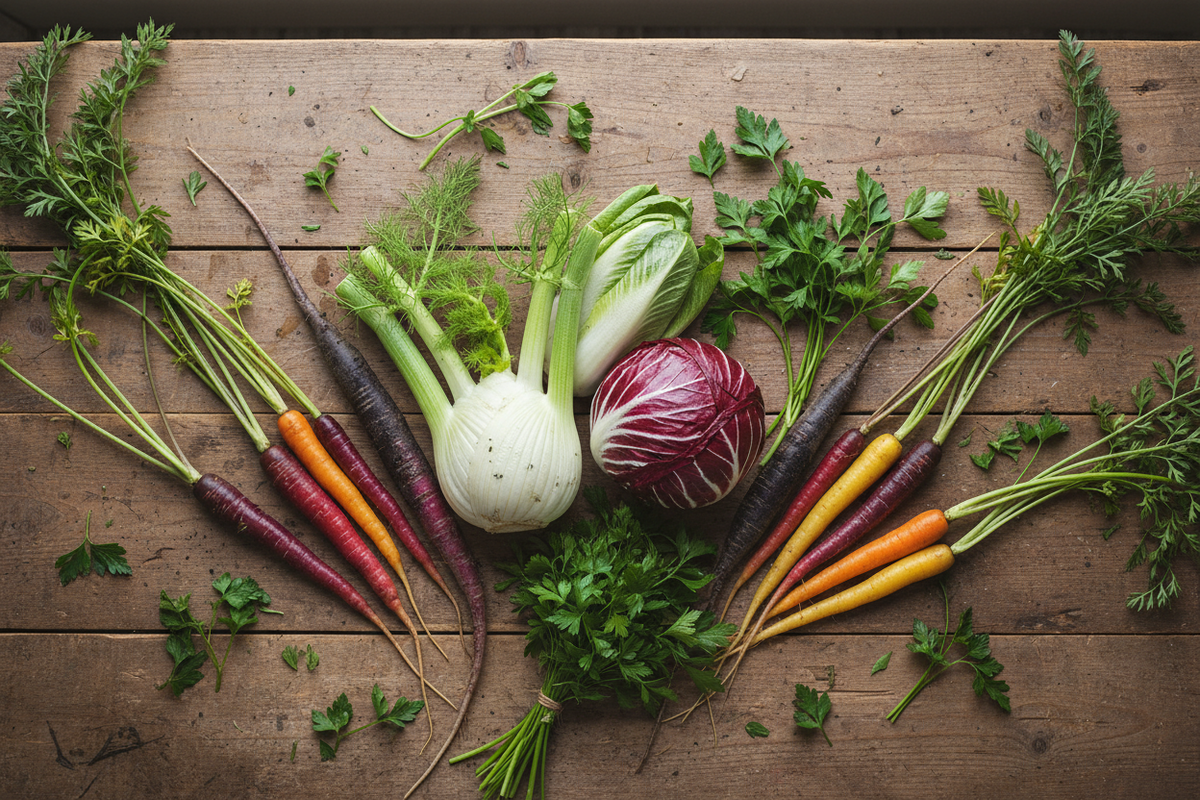
Every gardener knows the summer rush, tomatoes, courgettes, beans piled high. But once the heat fades, a second, often overlooked season opens up. A well-planned autumn garden extends your season and increases harvest yields, and many cool-weather vegetables actually improve in flavour after the first frost or two. Fennel, chicory, endive, radicchio, winter radish, parsley, and carrots are the backbone of that second season, and once you understand what each crop needs, they reward you with minimal fuss and maximum table appeal.

Key Takeaways
-
Cool temperatures unlock better flavour: Flavour and taste of cool-season vegetables is enhanced in the cooler months, and the plants can withstand a freeze event with little or no damage to their foliage. Plan your sowing dates to hit harvest in autumn, not summer.
-
Soil preparation is the single biggest lever: All chicory-family crops prefer loose, well-drained soil with higher-than-average fertility, especially nitrogen. Skipping soil prep means small heads and bitter leaves, so dig in compost before planting.
-
Timing varies more than most gardeners expect: Depending on the specific cultivar, radicchio typically takes 65 to 90 days to mature, while some radish varieties are ready to harvest as soon as 21 days from sowing. Work backwards from your first expected frost and sow each crop accordingly.
-
Fennel belongs in its own corner: Fennel is not a companion for any garden food plant and will actually inhibit growth in bush beans, kohlrabi, tomatoes, and others, so plant it and keep it out of the main vegetable garden.
Quick-Start Prioritisation Framework
| Crop | Best For | Effort Level | Time to Harvest |
|---|---|---|---|
| Radishes | New gardeners, gap-filling | Low | 3-6 weeks |
| Parsley | Herb borders, containers | Low | 10-12 weeks |
| Carrots | Patient growers with loose soil | Medium | 10-12 weeks |
| Endive / Chicory | Salad lovers with fertile beds | Medium | 8-12 weeks |
| Radicchio | Ornamental food garden appeal | Medium | 10-13 weeks |
| Fennel | Isolated corner or raised bed | Medium | 8-12 weeks |
| Winter radish | Root cellar harvests | Low-Medium | 8-10 weeks |
Start here if you are:
-
A beginner or short on time: Radishes and parsley, fastest and very forgiving.
-
Growing for the kitchen: Carrots and endive, the highest culinary return for space used.
-
Building a showpiece plot: Radicchio and fennel, both are visually striking and produce well into cold weather.
Growing Fennel: Sun, Space and Isolation
Florence fennel is a cool-season annual grown for its tender, anise-flavoured stalks and bulbous base. In my experience it is the one crop in this group most likely to frustrate beginners, but the payoff, crisp white bulbs with a delicate liquorice sweetness, is worth the attention.
Getting the Conditions Right
Best grown in full sun on loamy well-drained soil with a pH of 6.5 to 8, Florence fennel requires consistent moisture and moderate fertility to prevent bolting and splitting. According to Utah State University Extension's fennel guide, fennel can be direct-seeded or started indoors, matures in about 60 to 90 days, and benefits from succession planting to ensure a continuous harvest.
Isolation Is Not Optional
The flowers of fennel are intensely attractive to beneficial insects, but grow it in a sunny position in well-drained loamy soil, well away from other vegetables. A dedicated raised bed or a corner of the plot works perfectly. Crucially, fennel should not be planted near dill, as the plants will cross-pollinate, causing them both to taste unpleasant.
Pro Tip: Earth up soil around the base as the fennel stem begins to swell. This provides stability as the plant grows and yields gleaming white, sweet bulbs.
The Chicory Family: Endive, Chicory and Radicchio
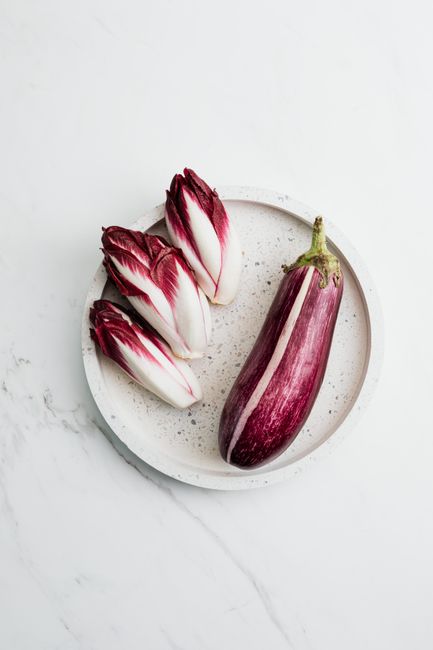
These three are closely related and often confused, but each rewards slightly different treatment. Belgian endive and chicory, both belonging to the chicory family (Cichorium intybus), are well-loved for their distinctive flavours and the versatility they bring to culinary creations. Radicchio is simply a red-leafed form of chicory, and the edible chicories are embarrassingly easy to grow once you understand one rule: cool temperatures are their friend.
Soil and Spacing
According to West Coast Seeds' endive and radicchio guide, the ideal soil pH is 6.0 to 6.5 and you should enrich the soil with compost and add a balanced organic fertiliser beneath each transplant. Space chicory and radicchio seeds about a quarter of an inch deep, in rows spaced 30 to 45 centimeters apart.
Reducing Bitterness
Many gardeners are put off by bitter leaves, a problem that is entirely avoidable. Endive heads can be blanched to reduce bitterness by placing a cardboard or plastic disc on top. For radicchio, the RHS growing guide for chicory explains that radicchio and sugarloaf chicory are effectively self-blanching, since the outer leaves of the head naturally blanch the inner ones, and it is the inner leaves, with their less bitter flavour, that you eat.
Radicchio Forcing for Winter Colour
The beautiful brilliant red and white varieties like Treviso and Palla Rossa are often 'forced'. This means in the autumn you dig up the plant, cut off the head, trim the root back to 25 to 30 centimeters and replant it in a pot filled with peat moss. Cover it to keep out light and let it regrow at around 10-15 degrees Celsius. In two weeks, you will have new growth with bitter-sweet flavour and that beautiful contrast of white stems and red leaves.
Carrots and Winter Radish: Root Crops Done Right
Carrots Need Loose, Deep Soil
Direct seed carrots into deep loose, well-drained soil that is free from rocks, clods, or debris. According to University of Maryland Extension's carrot guide, fall-planted carrots can be harvested throughout the winter months if mulched with an organic mulch of straw or shredded leaves before the ground freezes. That is a strong reason to commit to a late sowing; you can be lifting fresh carrots well into December.
A practical tip from The Old Farmer's Almanac carrot guide: sow quick-germinating radish seeds between carrot rows, as the radishes will grow quickly and by the time the carrots really start to grow, they can be harvested. This solves the crusting problem that stalls carrot germination and saves space at the same time.
Winter Radish: The Underrated Root
Winter radish varieties can grow quite large and are typically less spicy than the spring varieties. Harvesting a delicious crop of winter radishes in early winter is very satisfying. According to Bucks County Mag's radish guide, winter radishes love the cold and will keep well for months in cold basements or garages. To keep them firm in the refrigerator, cut off the greens, rinse and dry the roots, and store them in plastic bags; they will remain crisp for a month or two.
Pro Tip: The biggest mistake gardeners make with spring radishes is leaving them in the ground past their maturity, when they get tough and starchy. Winter radishes, however, can be kept in the ground for a few weeks after maturity if the weather is cool. Harvest spring types promptly; let winter types linger.
Parsley: The Patient Herb That Earns Its Space
Parsley is a slow starter, but I've found that once it gets going, it rewards almost zero maintenance. Native to Mediterranean Europe the parsley plant (Petroselinum crispum) is a biennial but usually grown as an annual in home gardens. After the first year, the leaves tend to become more bitter and tough, but the plant will gladly reseed itself in temperate zones.
Sowing and Care
According to The Old Farmer's Almanac parsley guide, for the best germination, soil should be around 21°C, though parsley seeds will germinate in temperatures as low as 10°C. Sow seeds directly outdoors three to four weeks before the last spring frost, choosing a spot with well-draining, fertile soil with a pH of around 6.0. The germination rate of parsley seeds tends to be low, so consider soaking the seeds overnight before sowing to improve your chance of success.
Per University of Minnesota Extension's parsley guide, University of Minnesota Extension's parsley guide the stalks close to the ground, beginning with the outside stalks, there will be new growth throughout the growing season if you prune it this way. If you just cut the tops off and the leaf stalks remain, the plant will be less productive.

Common Mistakes and How to Avoid Them
-
Planting fennel next to other vegetables; it inhibits their growth through allelopathic compounds. Give it its own space.
-
Sowing chicory and radicchio too late. Radicchio is best planted for a autumn harvest by sowing seeds in the garden 85 days before the first frost in autumn. Count backwards carefully.
-
Letting spring radishes bolt. Radishes will bolt when the weather gets too warm, and they prefer shorter days. Stick to autumn sowings for the best roots.
-
Over-nitrifying radicchio. Radicchio requires a good supply of phosphorus and potassium, but will not head and may bolt if there is too much nitrogen available.
-
Disturbing carrot roots during thinning. Cut seedlings at soil level rather than pulling them; pulled neighbours can damage developing roots.
At Holland Kertészet, these cool-season crops form a core part of the autumn and winter seed range, so if you are looking for well-selected varieties that suit central European growing conditions, it is a good first stop before the sowing season begins.
Frequently Asked Questions
When is the best time to sow these cool-season crops?
Work backwards from your first expected frost date. Find your first autumn frost date count backwards from that date based on your crop's days to maturity, and add 7 to 14 days as a buffer since plants grow more slowly in cooler weather. For radicchio (65-90 days) this typically means mid-summer sowing; for radishes (21 days) you can sow right up until early autumn.
How do I stop endive and chicory from tasting too bitter?
Provide consistent watering especially during dry periods, as moisture helps reduce the plant's natural bitterness. You can also blanch the heads: cover them with a bucket or tie the outer leaves loosely over the centre for two weeks before harvest. All varieties become sweeter and lose much of their bitterness when cooked.
Can I grow carrots in clay or heavy soil?
If your garden is made of rugged clayey soil, grow carrots in containers or raised beds at least 20 to 30 centimeters high. Short-rooted varieties such as Chantenay or round types cope better with heavy ground than long Nantes types, which need thoroughly loose, stone-free soil to develop straight roots.
Is fennel safe to grow near my other vegetables?
Fennel produces allelopathic chemicals that suppress neighbouring plants. Keep it at least a metre away from tomatoes, peppers, beans, and brassicas. If you do grow it in the garden put it in a corner by itself, several feet away from other plants. A container on a patio or a dedicated raised bed is the cleanest solution.
Sources
- How to Grow Chicory, Belgian Endive, and Radicchio, Grow Italian. Detailed culture guide for the chicory family. Grow Italian's detailed chicory guide


