

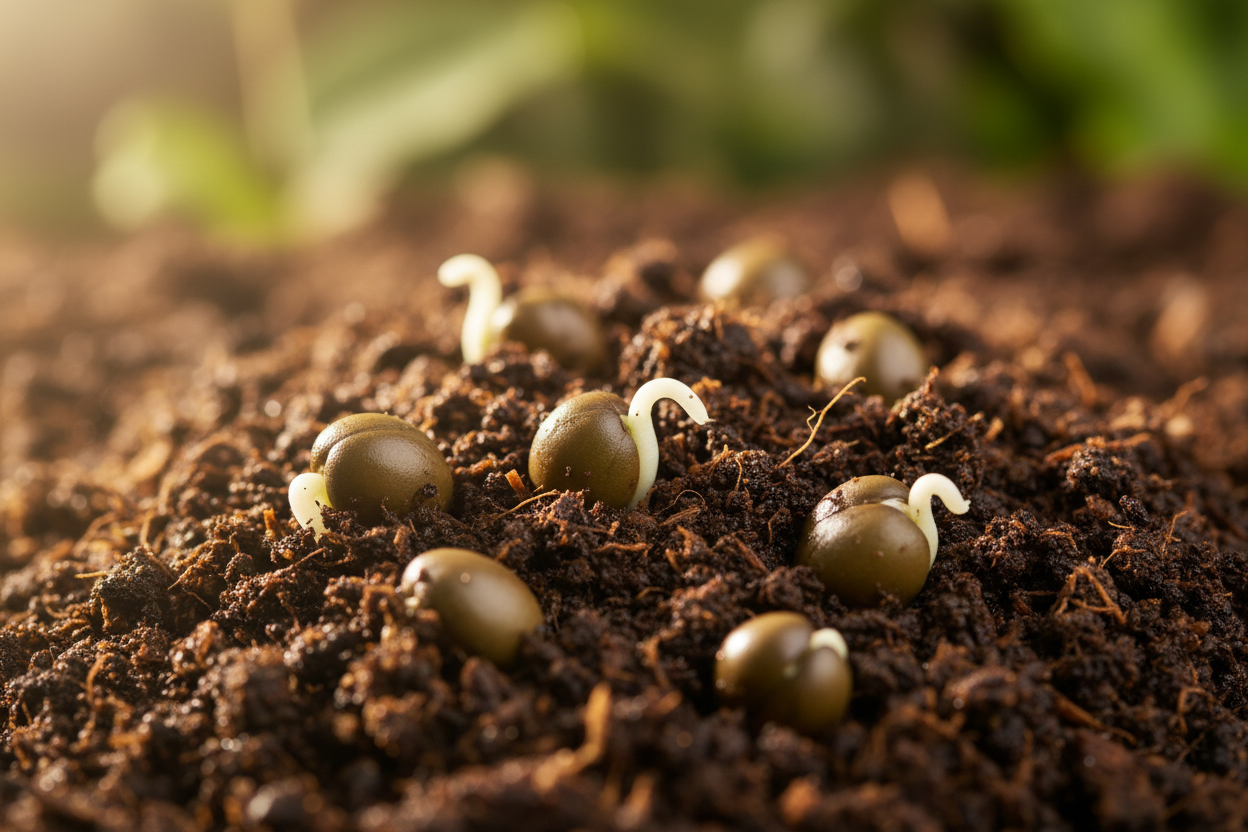
Planting a garden that blooms once and disappears is a dispiriting business. Starting perennials from seed is a budget-friendly way to add a lot of plants to your garden, perennials come back year after year, so you sow them once and they give you many seasons of colour and fragrance. Germinate your seeds now, and you are looking at a garden that flowers from 2027 onwards and keeps performing with almost no extra effort. The window to act is open right now.

Key Takeaways
-
Sow now, not next spring: Many perennials take longer to mature than annuals, so starting seeds indoors 6-10 weeks before the last frost gives them a strong head start. Germinating now means your plants will be established and ready to bloom in 2027.
-
Seeds cost a fraction of pot-grown plants: A huge benefit of seed starting is that it is cheaper. For example, you can buy a packet of 100 seeds for €2 (Ft690), which has the potential to grow into 80 plants, that same plant for sale at the nursery may also be €2 (Ft 690)for one single plant. Therefore, if you are filling multiple beds, seeds are the clear financial choice.
-
Cold stratification is the key unlock: Cold stratification is the process of exposing seeds to a cold, moist environment for a set period of time to break their dormancy. Many perennial, wildflower, and native plant seeds require this step before they will germinate. Skip it and many varieties simply will not sprout.
-
Patience pays a permanent dividend: While perennials take longer to establish than annuals, growing them from seed is a rewarding and cost-effective way to fill your garden with beautiful blooms year after year, starting perennials from seed does require some patience, as many do not bloom in their first year. The 2026 growing season is establishment time; 2027 is your payoff.
Start here if you are:
-
A complete beginner: Winter sowing outdoors, no grow lights, no heat mats, and nature handles stratification for you.
-
A balcony or flat gardener: Indoor sowing in a seed tray on a south-facing windowsill, then harden off before moving to containers.
-
Someone wanting a full flower border: Cold stratification followed by indoor sowing gives maximum germination rates and the most plants per seed packet.
Which Perennials to Choose
The Easiest Varieties to Germinate
Opting for beginner-friendly varieties like Echinacea, Rudbeckia, and Gaillardia is wise, as they germinate easily and adapt well to various environments. A few standouts worth knowing:
-
Echinacea (coneflower): The ultimate beginner-proof perennial. Echinacea produces masses of large, daisy-like flowers from mid-summer through early autumn, and once established, copes well with dry spells and poor soil. Leave the seed heads on over winter, birds love them, and they will often self-seed for free plants next year.
-
Rudbeckia (black-eyed Susan): Bright, daisy-like flowers with a prominent dark centre, flowering reliably from mid-summer right into autumn, exactly when many other plants are starting to fade. Rudbeckia is sturdy, rarely needs staking, and pairs beautifully with Echinacea for a classic prairie-style look.
-
Lupine: A cottage-garden classic, lupins are instantly recognisable with their bold, colourful flower spikes and are the perfect choice to add height to garden borders. 'They do well in full sun and can tolerate poor soil,' says one horticultural expert, 'though they hate sitting in water, so make sure drainage is good.'
-
Columbine (Aquilegia): A low-maintenance perennial with delicate, nodding flowers in a variety of colours. It prefers cool temperatures for germination, so starting seeds outdoors in early spring or autumn can be ideal. Once established, it readily self-seeds, naturalising beautifully in the garden.
Varieties That Need a Little More Coaxing
The challenge of growing perennials from seed is that many of them require specific conditions to germinate and some take a whole season of care before they are ready to go in your garden. Delphiniums, for instance, benefit from a cooler draft once seedlings develop, this helps them build the strong, sturdy stalks that reduce the need for staking later. Lupines are often said to be difficult to grow from seed, but with a little preparation you can improve germination rates, scarify the seeds by rubbing them between sandpaper and then soak them in water overnight before planting.
Pro tip: Make yourself a spreadsheet that includes the plant species, variety, days for germination, weeks to start before planting, whether the seed requires light or darkness, and any other special needs. This one habit transforms a chaotic seed-starting season into a calm, organised process.
The Cold Stratification Step You Cannot Skip
Why Seeds Need a Chill
To ensure their survival, seeds have evolved with an extra defence mechanism, the need for a period of cold, that keeps them dormant until spring. Even when growing conditions in spring and autumn are seemingly similar, certain seeds will not sprout until spring. It is the exposure to cold temperatures over the winter months that makes the difference.
How to Do It at Home
The process is simpler than it sounds. The refrigerator method lets you mimic nature any time of year. Start by soaking the seeds for 12 to 24 hours. Then take a paper towel and thoroughly spray it with water. Sprinkle half the paper towel with seeds, then fold the paper towel over and press it so it makes contact to keep the seeds moist. Place the paper towel in a plastic bag, zip it shut, label the bag with the seed variety and date, then place the bag in the fridge at 1-4°C. Leave it in the fridge for 3 to 4 weeks.
Stratification requirements vary dramatically by species: catmint and some coneflowers need as little as 1-2 weeks, lavender and lupine around 30 days, and columbine up to 60 days. Therefore, check your seed packet first and work backwards from your target planting date.
Pro tip: Going a week or two longer than required will not hurt the seeds. Going too short may result in poor or uneven germination. When in doubt, give them more time rather than less.
Sowing Indoors and Growing On
Getting Your Setup Right
The challenge of growing mix rather than garden or even potting soil, which hold too much water for little sprouts. A heat mat ensures the seeds are at the exact right temperature for germination. Sowing seed is less expensive than buying established plants and requires relatively little equipment, while vigorous plants started indoors also tend to flower sooner than those started outdoors.
Unless otherwise indicated on the seed packet, seeds germinate best at warm room temperature 21-24°C, after germination, place pots in cool room temperature 18°C for best growth. Most perennial seeds also need light to trigger germination, so resist the urge to bury them deeply, plant the perennial seeds only to the depth recommended on the seed packet, paying careful attention to any notes that say not to cover the seeds with soil at all. Some perennial seeds require light to germinate, and covering them with soil greatly reduces their germination rate.
Hardening Off Before the Garden
This step is skipped at your peril. Hardening off simply means gradually acclimating plants started indoors to the outdoor elements, sunlight, wind, and rain, that they will face for the rest of the growing season. This important step reduces the chance of transplant shock and promotes healthy growth.
The process gradually acclimates indoor-grown seedlings to sunlight, wind, and outdoor conditions, preventing stress or plant death. It typically takes 7-14 days, depending on plant type and weather conditions. Start with two to three hours of shade each day, then incrementally increase both sunlight exposure and time outdoors. According to Illinois Extension's hardening-off guide, you should start by placing plants outside during the warmer part of the day for about 2-3 hours and gradually increase the amount of time each day. Only transplant once your seedlings have spent at least one full night outdoors without showing signs of stress.

Common Mistakes That Waste Your Whole Season
Treating Every Seed the Same
Every single species of plant has differing germination requirements. Some seeds require darkness and must be covered with soil while some require light to germinate, if you cover them, they simply will not grow. Some seeds prefer cooler temperatures than others. Some seeds take 3 days to germinate while some will take an entire month.
Starting Too Late
Starting too soon can result in a weak, lanky plant, while starting too late can give you one that is just not ready for the outside world, both will struggle to survive. The sweet spot for most European climates is to begin the stratification process in mid-winter and sow indoors 8-10 weeks before the last expected frost. The team at Holland Kertészet stock a curated range of perennial seeds suited to Central European growing conditions, which takes the guesswork out of variety selection.
Skipping the Grow Light
If you are hoping for flowers the first year, you need to give the seedlings plenty of light so they are in top form when you set them out in the garden. If you are starting seeds indoors, you will probably need to use grow lights. A well-made grow-light stand with adjustable-height, full-spectrum lights is your best bet.
Pro tip: Placing trays under grow lights on seedling heat mats lights on seedling heat mats, which raise the soil temperature five to ten degrees above the ambient temperature to speed germination. Cover the seed trays with a sheet of clear plastic wrap and put the lights on a timer so they are on for 16 to 18 hours per 24-hour day.

Frequently Asked Questions
Will my perennial seeds actually flower in 2027 if I sow now?
Many gardeners are hesitant to try starting perennials by seed because of the notion that you will not get to enjoy the flowers the first year. This is true for some perennials, but if you sow seeds for the right varieties early in the season, they will reward you by flowering within the same year. If you sow now and harden off in time for an outdoor planting in late spring or early summer 2026, most established plants, Echinacea, Rudbeckia, and Gaillardia in particular, will flower in 2027. Some, such as delphiniums and hollyhocks, typically need that second year regardless.
Do all perennial seeds need cold stratification?
Not all plant seeds require cold stratification to germinate. Before you start the process, research the specific species you are growing to determine whether or not it requires stratification. Varieties like Echinacea and Rudbeckia can often be sown directly with good results, while columbine, lupine, and many native wildflowers show dramatically improved germination rates after a cold treatment.
How much can I realistically save by growing from seed?
Considering the many benefits of starting perennials from seed, it seems foolish not to do it. Seed is economical, and in short order you can produce flats of plants that would cost hundreds of dollars to purchase retail, which is great if you have a large or new garden or are on a tight budget. The University of New Hampshire Extension confirms that sowing from seed also allows you to grow varieties that may not be available at local garden centres, so you gain variety as well as value.
What if my seeds do not sprout after stratification?
Cutting stratification short is tempting when you are eager to plant, but it dramatically reduces germination rates. If your seeds need 60 days, give them 60 days. You can go longer, but do not go shorter. If seeds still fail to sprout after sowing, check whether the specific variety requires an additional warm period before the cold, or whether scarification of the seed coat is also needed, some species require both treatments in sequence.


