

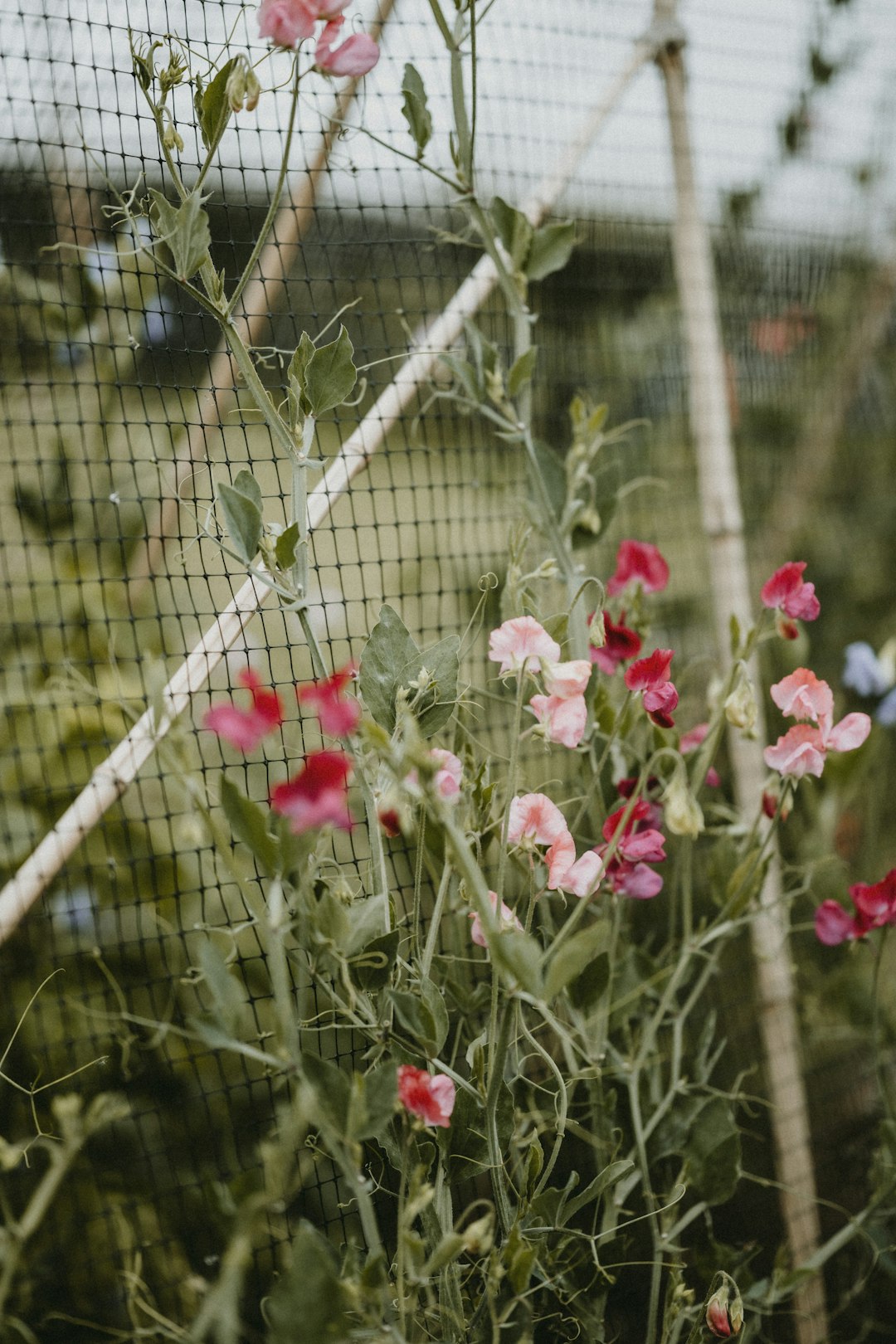
Sweet peas (Lathyrus odoratus) are one of the most rewarding annual climbers you can grow. They are associated with country gardens, cutting patches, and the particular generosity of summer at its best. A well-grown sweet pea plant produces dozens of stems per week, and the more you cut, the more it flowers, making it uniquely generous as a cut flower. Whether you are a first-time gardener or an experienced grower looking to refine your technique, the process breaks down into four clear stages: sow, grow, harvest, and protect.
Sweet peas are generally climbing plants reaching 2 m, and they are easy to grow in any fertile soil that drains easily, in full sun. Get those fundamentals right from the very start, and the rewards, armfuls of fragrant, jewel-coloured blooms from June through to September, are well worth the effort.

Key Takeaways
-
Sow at the right time: Sweet peas are traditionally sown in autumn (October to November) for the strongest plants, or in late winter (February to March) for a more convenient sowing time. Autumn-sown plants flower three to four weeks earlier, so choose your window based on what facilities you have.
-
Pre-treat your seeds: Soak your seeds for 24 hours before sowing. This softens the seed coat and speeds the sprouting process by a few days. Do this before every sowing session to improve germination rates meaningfully.
-
Feed with potash, not nitrogen: Over-fertilising with high-nitrogen fertiliser can lead to excessive vegetative growth and reduced flowering. Switch to a potash-rich feed once buds appear to push blooms rather than foliage.
-
Cut constantly: The more you cut, the more sweet peas flower. A plant that is not regularly cut will set seed and stop producing. Aim to harvest or deadhead every two to three days during peak season.
-
Act early on pests: Viruses are transmitted by insects with piercing, sucking mouthparts, like aphids and thrips, which is why it is important to control aphid and thrip infestations and the weeds that may be hosts for plant viruses.
Quick-Start Prioritisation Framework
| Task | Best For | Effort Level | Time to Results |
|---|---|---|---|
| Autumn sowing (Oct-Nov) | Gardeners with a cold frame or cool greenhouse | Medium | Blooms from June |
| Spring sowing (Feb-Mar) | Beginners or those without undercover space | Low | Blooms from July |
| Direct sowing outdoors | Warmer, sheltered gardens | Low | Blooms from late July |
| Cordon / single-stem training | Cut flower growers wanting long stems | High | Best stems all season |
| Bush / wigwam method | Ornamental display, low maintenance | Low | Good colour display |
Start here if you are:
-
A beginner: Spring sowing in deep pots on a bright windowsill is the most forgiving entry point; you need no specialist kit.
-
A cut flower grower: Autumn sowing combined with cordon training delivers the longest stems and the earliest harvest window.
-
Short on space: Dwarf varieties in large pots on a patio work well, provided you water and feed consistently.
Step 1: Sowing Sweet Peas Successfully
Choosing Your Sowing Window
Autumn sowing significantly outperforms spring sowing. Sweet peas sown in October and overwintered as small plants in a cold greenhouse or cold frame produce flowers three to four weeks earlier than those sown in February, with stronger root systems and more vigorous growth from the start. If you have access to a frost-free but unheated space, autumn is the method to choose. For everyone else, sow in seed-starting containers in early spring, about 6 to 7 weeks before the last frost date, then plant out as soon as the soil can be worked, sweet peas can handle light frosts.
Preparing Seeds and Containers
In my experience, the single biggest cause of disappointing germination is shallow containers. Sweet peas produce a great deal of roots even in the beginning, so the more room you can give them during the early stages, the better they will grow in the long run. Use deep root trainers or pots at least 9 cm deep, filled with a good-quality, peat-free compost.
Sweet pea seeds benefit from scarification before planting. This is a simple process that involves nicking the seeds with a knife or rubbing them with sandpaper. Alternatively, soak them overnight: soaking the seeds overnight first softens the outer coating and aids germination.
Pro Tip: The optimum soil temperature for sowing sweet pea seeds is 13-18°C. Place pots in a cool greenhouse or on a bright windowsill and avoid warmth above 18°C, which can cause leggy, weak seedlings.
Germination and Early Growth
Place your pots on a bright but not hot windowsill and let the seeds germinate. You should see shoots within two weeks or less. Once seedlings appear, move them to a cooler, bright position, an unheated greenhouse or cold frame is ideal. Once plants are 10 to 15 cm tall pinch out the central growing tip, just above a leaf joint, leaving just 2 or 3 leaf nodes. This single action makes a dramatic difference to the final plant's vigour and flower count.

Step 2: Growing Strong Plants
Soil Preparation and Feeding
Sweet peas are heavy feeders. Dig a trench 30 cm deep down the centre of the bed and fill it with compost or well-rotted manure, so that once the sweet peas send their roots down deep, there is a feast awaiting them. This preparation pays dividends throughout the entire season.
Once plants are in the ground and actively growing, feeding routine matters. Feed your sweet pea plants with a general fertiliser every couple of weeks, or sprinkle on comfrey pellets. A potash-rich tomato feed is ideal. Feed weekly or fortnightly with a liquid fertiliser and ensure a regular supply of flowers by picking or deadheading. If you use the Royal Horticultural Society's plant guidance as a benchmark, fortnightly feeding is the minimum for consistently productive plants, anything less and you will see shorter stems and smaller blooms.
Building the Right Support Structure
Sweet pea plants need vertical support and will need a frame to clamber and climb over as they often reach over 1.8 m tall. A teepee or arch is ideal and you can buy these ready-made or build your own.
Ensure your structure is at least 1.8 m high for adequate support. According to Meadowlark Journal's support guide, bamboo canes and garden string are cost-effective, reusable options that suit most garden sizes. For cut flower production, a run of posts with netting, set roughly 2.4 m apart, gives the best support and keeps stems straight.
Pinching Out and Training
I've found that gardeners who skip pinching out are always disappointed by the results. Once plants are 10 to 15 cm tall pinch out the central growing tip, just above a leaf joint, leaving just 2 or 3 leaf nodes. This will encourage the plant to branch vigorously from the base.
As the young sweet pea plants begin to grow, tie them into the vertical support. It is really important to tie in your sweet peas as they will grow more quickly and make stronger plants if they are tied in regularly. Do this twice in the first month and then more often when they start to grow rapidly.
Pro Tip: Once the vines get going, you can expect over 30 cm of growth per week, so be sure to stay on top of tying. Check your plants every three to four days during the main growing push. Stems that flop or tangle will be difficult to harvest cleanly later.
Watering
Sweet peas love water, and without consistent moisture, they will not thrive. Water deeply two to three times per week in dry spells, always at the base of the plant rather than overhead. Wet foliage is a primary driver of fungal problems. Various fungal problems can impact sweet peas and cause leaves to turn yellow. The best way to avoid these is by ensuring your plants are in free-draining soil that does not become waterlogged, and by mulching around the base.
Step 3: Harvesting for Maximum Blooms
When to Cut
Timing is everything when it comes to the harvest. Harvest sweet peas when one to two blooms on the stem are open for the best vase life. Avoid harvesting fully opened flowers, as they are closer to the end of their lifespan. For the longest vase life, pick stems that have at least two unopened flowers at the tip.
Harvest sweet peas in the early morning or late evening when temperatures are cooler. This helps prevent wilting and ensures that the flowers retain maximum moisture. According to Live to Plant's harvesting guide, cutting during the heat of midday is one of the most common mistakes home gardeners make, and it shortens vase life significantly.
How to Cut
When cutting sweet pea stems, use clean, sharp scissors or garden shears. Cut long stems by harvesting deep into the plant to encourage fresh side shoots. Harvest sweet pea flowers as often as you can to keep the plants producing more. The first flush will have the longest stems, and as the plant uses its energy to produce more, the stems will get shorter.
During peak production, sweet peas may need to be harvested multiple times a day to keep up with their prolific blooming. This is a genuine pleasure rather than a chore, the more frequently you visit the plants, the more they reward you.
Conditioning Cut Stems
Immediately after cutting, place stems in cool water. Let them hydrate for two to three hours in a cool, shaded place. Strip leaves below the waterline to reduce bacteria growth.
Sweet peas typically last four to six days in the vase when cared for properly. Change the water daily to keep stems fresh. Adding sugar or flower preservative to the water makes a big difference and will add a few extra days. If you want to save seed at the end of the season, Homes and Gardens' seed-saving guide recommends leaving a few selected pods to dry fully on the vine before collecting.

Step 4: Protecting Sweet Peas from Pests and Disease
Aphids
The most common aphid on sweet pea is the pea aphid, though the potato aphid sometimes infests sweet peas too. Colonies cluster on soft shoot tips and under leaves, weakening growth and, crucially, transmitting viral disease. Sweet peas can be prone to aphid infestations. Leaving them as a protein-rich meal for beetles, small birds, hoverflies and ladybirds will often take care of the problem naturally.
Where beneficial insects are not keeping pace with an infestation, you can use neem oil or insecticidal soap to control aphids and spider mites. Act at the first sign of colonies rather than waiting, a small infestation is far easier to resolve than a heavy one.
Powdery Mildew
Powdery mildew is the most common fungal problem when growing sweet peas. Greyish-white spots appear on the upper sides of leaves and eventually spread, creating a powdery appearance. In severe infestations, the leaves turn yellow and drop off.
To reduce powdery mildew infection, promote good air circulation in your garden by spacing plants well and removing crowded foliage. Choosing powdery mildew-resistant varieties can also reduce the incidence of this disease. According to Burpee's sweet pea guide, contact your cooperative extension service or local garden centre for approved fungicide recommendations if cultural controls alone are insufficient.
Pro Tip: A chive-water spray is a traditional organic remedy. Chives have a high sulphur content and act as a natural anti-fungicide. Chop a large handful into a jug, cover with boiling water, allow it to steep, then strain and use as a spray for your plants. This is particularly useful as a preventative measure from mid-season onwards.
Root Rots and Viruses
Root rots can affect seedlings as well as mature roots. Practice crop rotation and do not plant related crops in the same area for several years. Pull up and discard infected plants. Make sure your soil has excellent drainage.
Plant viruses affect many plants and cause a wide range of discolourations and distortions in leaves, shoots, stems and flowers, but rarely kill the plant outright. According to the RHS advice page on sweet pea viruses, there are no chemical controls for viruses once a plant is infected, so prevention via aphid management and good hygiene is the only effective strategy. Clippers can spread many viruses when you harvest from one infected plant and then cut into the next. Always ensure that diseased plants are removed from the garden, and do not cut from them without sanitising your clippers.
Slugs and Snails
Watch for birds, snails, slugs and other pests that love sweet peas. Young seedlings are especially vulnerable in the first few weeks after planting out. Use copper tape around pots, apply organic slug pellets approved for use around wildlife, and get transplants up off the ground quickly using your support structure. Getting your sweet peas up and off the ground as soon as possible puts them a little more out of reach of bugs that might take a nibble.
Common Mistakes to Avoid
-
Sowing seeds in shallow containers, which restricts root development and produces stressed transplants.
-
Using high-nitrogen fertiliser throughout the season, which produces lush foliage at the expense of flowers.
-
Allowing seed pods to form, which signals the plant to stop producing blooms, deadhead or harvest at least every three days.
-
Watering overhead rather than at the base, increasing the risk of powdery mildew.
-
Leaving aphid colonies untreated, which enables the rapid spread of viral disease.
-
Planting out before hardening off seedlings, which causes transplant shock.

Frequently Asked Questions
When is the best time to sow sweet peas ?
You can sow sweet peas anytime from October to April. Those sown in autumn will enter dormancy in winter and then start into growth again when temperatures warm up in spring, producing earlier and stronger plants. For most home gardeners without undercover space, a February or March sowing on a bright windowsill is the most practical starting point.
How deep should I sow sweet pea seeds?
Sow approximately 1 to 1.5 cm deep, as darkness is required for germination, into preferred deep-cell seedling containers four to five weeks before planting out. Deeper containers are always better than shallow trays, as sweet peas develop extensive root systems very early in life.
Why are my sweet peas not flowering?
There are several likely causes. The most common aphid on sweet pea be attributed to a number of cultural factors such as overwatering, over-fertilising, low light levels, and high temperatures. Check that your plants are in full sun, that you are using a potash-rich rather than nitrogen-heavy feed, and that you are deadheading or harvesting regularly to prevent seed pod formation.
How long do cut sweet peas last in a vase?
Sweet peas are a short-lived cut flower, lasting at best four to five days in a vase. You can extend this by placing them in cool water immediately after cutting, changing the water daily, keeping them away from direct sunlight and ripening fruit, and adding a drop of flower preservative to the vase.
Are sweet peas safe to grow around children and pets?
Sweet peas are poisonous if ingested. Use caution around children and pets. While the flowers are handled safely for cutting and display, the seeds in particular contain toxic compounds and should never be eaten. Ensure young children understand the plant is for looking and smelling only.
A Note on Sourcing Quality Seed
The foundation of a successful sweet pea season is high-quality, well-stored seed. In my experience, buying from a reputable specialist, one that batch-tests germination rates and offers named varieties rather than mixed colours, makes a measurable difference to both germination percentage and stem quality. Holland Kertészet carries a curated selection of ornamental seeds and garden supplies, making it a reliable starting point for Hungarian gardeners looking to source quality sweet pea varieties and the deep pots and supports needed to grow them well.
Sources
-
How to Grow Sweet Peas, BBC Gardeners' World Magazine. Practical UK grow guide covering sowing windows and plant care. https://www.gardenersworld.com/how-to/grow-plants/how-to-grow-sweet-peas/
-
Sweet Peas (Annuals) Plant Guide, Royal Horticultural Society. Official RHS guidance on cultivation, feeding, and problem prevention. https://www.rhs.org.uk/plants/lathyrus/sweet-peas
-
Sweet Pea Viruses, Royal Horticultural Society. Advice on viral disease identification and control. https://www.rhs.org.uk/disease/sweet-pea-viruses
-
Sweet Peas: How to Plant, Grow, and Care, The Old Farmer's Almanac. Planting timing, soil prep, and care overview. https://www.almanac.com/plant/sweet-peas
-
Sweet Pea Plant Harvesting: Optimal Time and Technique, Live to Plant. Detailed harvesting timing and post-cut care. https://livetoplant.com/sweet-pea-plant-harvesting-optimal-time-and-technique/
-
Tips for Harvesting Sweet Peas, Trailing Petunia. Cut flower vase life extension techniques. https://www.trailingpetunia.com/blogs/news/tips-for-harvesting-sweet-peas-extending-vase-life
-
Sweet Pea Cultivation for Flower Farmers, Bootstrap Farmer. Commercial-scale growing and harvest workflow. https://www.bootstrapfarmer.com/blogs/growing-flowers/sweet-pea-cultivation-for-flower-farmers
-
How to Plant and Grow Sweet Peas, Sarah Raven. Feeding regimen, chive spray anti-fungal tip, and training advice. https://www.sarahraven.com/articles/how-to-plant-and-grow-sweet-peas
-
How to Plant Sweet Pea Seeds, Eden Brothers. Soil preparation and scarification guide. https://grow.edenbrothers.com/planting-guides/sweet-pea-seeds/
-
Sweet Pea Leaf Problems, Gardening Flow. Pest and disease identification guide. https://gardeningflow.com/sweet-pea-leaf-problems/
-
Sweet Peas, A British Summer Flower Guide, Flowerable. Sowing windows, cutting rules, and variety overview. https://www.flowerable.co.uk/bloom-edit/sweet-peas-guide
-
How to Harvest Sweet Pea Seeds, Homes and Gardens. End-of-season seed saving and storage advice. https://www.homesandgardens.com/gardens/how-to-harvest-sweet-pea-seeds
-
Learn About Sweet Peas, Burpee. Disease and pest management, including powdery mildew and root rot. Burpee's sweet pea guide


