

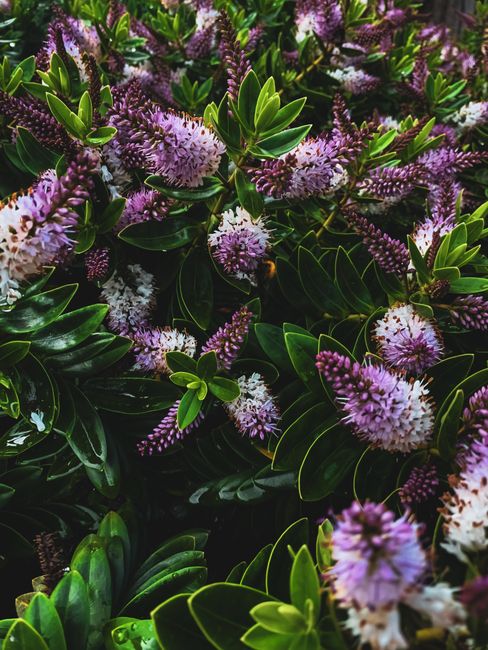
If you have walked past a garden centre shelf in late summer and spotted a compact, deep-green shrub absolutely smothered in pink-purple flower spikes, there is a good chance you were looking at a Hebe. Among the many cultivars available today, Hebe 'All Blooms' stands out for one very good reason: it does exactly what its name promises. This article covers everything you genuinely need to know, what the plant actually is, how big it grows, where to put it, how to look after it, and, most importantly for Hungarian gardeners, what to expect from it when the first real frost arrives.
Hebe 'All Blooms' is a striking plant known for its beautiful pink to dark blue-pink flowers held above elongated, dark green leaves that create a vivid colour contrast. The flowers are arranged in racemes, elongated clusters, and the plant typically flowers during July, August, and September. In my experience, that three-month flowering window feels like a gift in a garden where most shrubs have already dropped their petals by midsummer.

Key Takeaways
-
Compact size, big impact: Hebe 'All Blooms' is a compact plant that typically ranges in height from 10 to 20 centimetres, with some varieties growing as short as 5 centimetres, making it ideal for borders, rockeries, and pots without crowding surrounding plants.
-
Long flowering season: A hebe's flowering period runs from midsummer to mid-autumn, with most flowering between June and September, therefore deadhead spent spikes regularly to keep new blooms coming throughout this whole window.
-
Drainage is everything: Plant your hebe in moderately fertile, fast-draining soil, as these plants will not thrive in damp, waterlogged, or wet soil and will quickly die in heavy clay, so always improve heavy ground with grit before planting.
-
Hungary's winters are a real risk: Winter hardiness for Hebe 'All Blooms' is rated as limited at USDA zone 8, and not hardy in zones 9, 10, and 11. Since Planta Greenhouses' Hungary hardiness zone data shows most of Hungary sits in zones 6b to 7b, this cultivar needs reliable winter protection or container growing to survive.
-
Pollinators love it: Hebe has a decent flowering season, bears profuse blooms, and attracts butterflies and bees, therefore planting near vegetables or a cutting garden will boost pollinator activity across your whole plot.
Quick-Start Prioritisation Framework
| Growing Situation | Best Approach | Effort Level | Realistic Outcome |
|---|---|---|---|
| Sheltered urban garden, Budapest microclimate | Plant in ground with mulch + fleece in winter | Medium | Good chance of survival with care |
| Exposed rural garden, cold zone 6b | Grow in container, overwinter indoors | Medium | Reliable year-on-year success |
| Terrace or balcony | Container growing in a 30 cm+ pot | Low | Excellent, easy to move inside |
| Clay-heavy garden soil | Improve drainage heavily first | High | Possible but high-risk without preparation |
| Rockery or raised bed | Direct planting in free-draining mix | Low | Very good, natural habitat match |
Start here if you are:
-
A beginner or balcony gardener: Grow in a container on a south or west-facing terrace. Move the pot indoors or into an unheated corridor in November; it is the simplest way to guarantee your plant survives a Hungarian winter.
-
An experienced gardener with a sheltered city plot: Plant in the ground, choose the warmest microclimate available (south-facing wall), mulch the root zone in October, and keep horticultural fleece handy for sharp cold snaps.
-
Gardening on the Great Hungarian Plain: Treat 'All Blooms' as a seasonal container plant. The exposed continental winters on the Plain regularly push temperatures well below -10°C, which is beyond this cultivar's safe threshold.
What Exactly Is Hebe 'All Blooms'?
Origins and Botanical Background
Hebes are popular evergreen shrubs, mostly native to New Zealand, although some are indigenous to Australia and South America. Named after the Greek goddess of youth, hebe plants are low-maintenance plants that maintain their decorative foliage all year round. Botanically, the genus has recently been reclassified, these plants have recently been reclassified change and are now referred to as Shrubby Veronica, although Hebe was known as Veronica up until 1929 and the name only reverted back around 2022-23. You will still find them sold under the Hebe label in garden centres across Europe, including at Holland Kertészet, so do not let the botanical rename cause any confusion.
Mature Size and Shape
One of the most useful things to know before buying any shrub is how big it will actually get. Hebe 'All Blooms' is notably compact, typically ranging in height from 10 to 20 centimetres, making it an ideal choice for gardens where space is limited, and its small stature lends itself well to container gardening or rockeries. This is genuinely small, roughly the height of a standard coffee mug at its shortest. Most small hebe varieties sit around 40 cm high, and taller varieties reach around 1 to 1.5 metres, so 'All Blooms' sits firmly at the compact, front-of-border end of the spectrum. Plan your planting accordingly: put it at the very front of a bed or use it to edge a path where its flowering spikes will be visible at eye level when you are sitting on the terrace.
Flowers and Foliage
The flowers of Hebe 'All Blooms' are very small, ranging from 1 to 10 millimetres in diameter, but what they lack in size they make up for in sheer beauty, the flowers are arranged in racemes that create a stunning display when in bloom. Most hebes bear purple, pink, red or white flowers that are similar to a bottlebrush's spike of flowers. The dark green foliage holds its colour all year, giving the plant genuine year-round appeal even when not in flower.
Planting Position and Soil
Where to Plant
Most hebes thrive in moist but free-draining soil, in full sun to partial shade, ideally in a sheltered spot protected from winds. In Hungary's continental climate, where summer temperatures regularly climb above 30°C and winter winds can be brutal, choosing a sheltered south or west-facing position is more than a suggestion; it is essential. Shrubby veronica comes through winters down to roughly -10°C, but young plants stay fragile for the first few years after planting, and a sunlit, wind-sheltered position makes all the difference, as the shrub is vulnerable to cold frost spells.
Pro tip: In Hungarian gardens, the best microclimate for 'All Blooms' is against a south-facing wall or fence. The masonry absorbs heat during the day and releases it at night, raising the local temperature by 2 to 3°C, sometimes enough to keep a borderline-hardy plant alive through a cold spell.
Soil Preparation
Plant your hebe in moderately fertile, fast-draining soil, as these plants will not thrive in damp, waterlogged, or wet soil and will quickly die in heavy clay soil. Many Hungarian gardens sit on clay-heavy soils, particularly around the Danube basin. If that sounds like your plot, dig in plenty of coarse horticultural grit and compost before planting, at least a third of the total volume of the planting hole. these plants have recently been reclassified soil of any kind works, but avoid soil with an acid pH.
I've found that the most common mistake Hungarian gardeners make with hebes is planting them into heavy, poorly drained soil and assuming the plant is tender when it actually drowns before winter even arrives. Fix the drainage first and half your problems disappear.

Watering Through the Seasons
The First Summer Is Critical
Water newly planted hebes regularly during their first summer to support root development. This is non-negotiable. A newly planted hebe has a small root system and cannot yet search deep in the soil for moisture. Aim for a thorough soak two to three times per week in hot, dry weather, far better than a light daily sprinkle that encourages shallow roots.
Established Plants
these plants have recently been reclassified watering should be sufficient unless the weather is exceptionally hot and dry. When grown in open ground, hebes should only be watered in very dry periods, water well if needed, but not often. Over-watering an established, in-ground hebe does more harm than under-watering. Hungarian summers can be genuinely hot, so keep an eye on the soil in July and August and water generously if the top 5 cm dries out completely.
Winter Watering
Many hebes are damaged in winter when temperatures drop below freezing and there is no precipitation. Dry soil and dry air is very hard on evergreen plants, so make sure to water even in winter. This surprises many gardeners who assume all watering stops once temperatures fall. In practice, a brief soak on any mild winter day above 5°C will help the plant survive cold periods in much better condition.
Pro tip: Never water a hebe when the ground is frozen solid. Wait for a mild spell, even a single mild day, then give the roots a good drink. This is especially important for container plants, which dry out faster than in-ground specimens.
Pruning: Keep It Light
The Golden Rule
Hebes rarely need pruning, as most are slow growing and form a neat, rounded shrub. If a hebe does require a bit of a tidy-up, lightly prune it to restore its shape by clipping it over with shears. Hebes do not respond well to hard pruning and often fail to re-sprout if you cut back into woody stems. For a compact cultivar like 'All Blooms', this rule matters even more because the plant is already small, aggressive pruning can reduce it to a few bare twigs.
When to Prune
Deadhead spent blooms to improve the overall look of the plant and promote extended flowering. Late summer is ideal for pruning, as it encourages strong new growth and helps maintain a well-shaped, bushy appearance. After a harsh winter some stems may have been damaged by frost, inspect your hebe at the end of March and prune away any damaged stems, cutting back to a live bud. After winter, I always find it helpful to scratch a stem with a fingernail before cutting: green underneath means alive; brown and dry means it has to go.
Annual pruning will extend the life of your hebe, cut back dead flowers and up to a third of foliage in late summer, after flowering, to encourage strong new growth and a good bushy shape.
Growing Hebe 'All Blooms' in Containers
Container growing is genuinely the smart strategy for 'All Blooms' in Hungary, and the plant is well suited to it.
Choosing the Right Pot
When choosing a container to grow hebes in, it is paramount that large drainage holes are present, as they prefer moist but well-drained soil and struggle if grown in wet or waterlogged soil. Choose a pot that is a minimum 30 cm in diameter to make sure it will be large enough to accommodate the plant's mature size and root system. A terracotta pot has an added advantage: a terra cotta pot encourages excess moisture to evaporate, reducing the risk of root rot.
Compost and Feeding
When choosing soil for planting hebes in containers, use either a peat-free multi-purpose compost or a loam-based mix with plenty of horticultural grit added to improve the drainage. Avoid feeding heavily as this can make hebes grow too quickly and develop floppy leaves. A single, modest feed with a balanced slow-release fertiliser in spring is enough.
Overwintering Container Plants
This is the crucial section for Hungarian gardeners. Hebes in pots are vulnerable to winter cold and can easily get waterlogged in winter, so if you have the space, move them into a greenhouse or cold frame and water them sparingly. If that is not possible, make sure they are in a sheltered spot and raise the pots up on pot-stands or bricks to help excess water drain out.
Remember that plants in pots are more susceptible to cold, so huddle them together in a sheltered spot for best results from overwintering. You can also move them into a cold frame or unheated greenhouse and raise them above ground level on bricks or pot feet.
Pro tip: Wrap the outside of the pot in bubble wrap or hessian from November to March. The roots are more exposed to frost than the top growth, and protecting the root zone dramatically improves survival rates through a Hungarian winter.
Winter Hardiness in Hungary: The Honest Answer
This is the question that matters most, so let us be direct about it.
What the Data Says
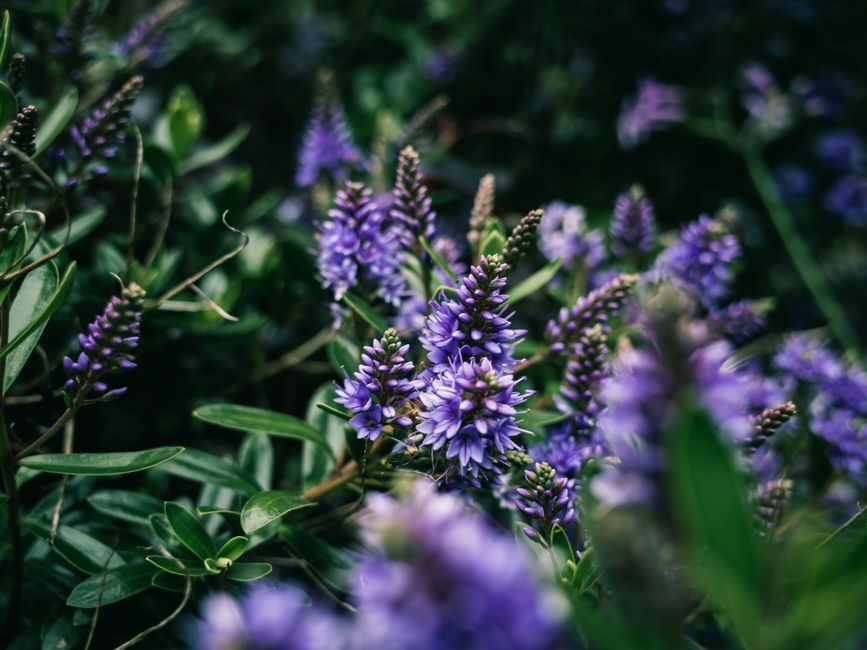
The winter hardiness of Hebe 'All Blooms' is rated as limited at USDA zone 8 and not hardy in zones 9, 10, and 11. Based on the USDA Hardiness Zone Map, Hungary ranges from zone 6a to zone 8a. This means that in colder parts of Hungary, particularly the northern highlands and the Great Hungarian Plain, winters can regularly drop below the safe threshold for 'All Blooms'.
From the Great Hungarian Plain to the foothills of the Carpathians, Hungary's diverse landscape spans three main planting zones: 6b, 7a, and 7b. Budapest and the warmer south-western regions sit in the milder zones, which gives 'All Blooms' a fighting chance in a sheltered urban garden. Rural and upland gardens face a harder reality.
Climate Change Context
Studies using recent climate normals show that many parts of Europe now experience milder winter lows than a few decades ago, effectively shifting large areas by roughly half a zone to a full zone warmer. However, more frequent extreme events, late frosts, heatwaves, and droughts, still pose risks for plants. In practical terms: do not assume a few mild winters mean your hebe is permanently safe in the ground. Plants may die if winter temperatures) changes from balmy to exceptionally cold in a short period of time.
The Bottom Line for Hungarian Gardeners
In Budapest and sheltered south-facing gardens in zone 7: In-ground planting is possible with a thick mulch of bark or straw over the root zone and horticultural fleece on hand for sharp cold snaps below -8°C. A mulch on the ground in winter will protect roots from freezing.
In rural zone 6b gardens and exposed areas: Grow 'All Blooms' in a container and move it into an unheated hallway, garage, or cellar from November to March. Keep it barely moist and in the lightest spot available. Bring it back outside once night temperatures consistently stay above 3°C.
Hebes do not mind cold temperatures as long as winter does not include heavy frosts or a deep freeze. This type of cold will damage the shrubs. Generally, flowering hebes are happy in an area with warm summer weather and mild winter weather. Hungary's continental climate, hot summers, cold winters, means you are always managing a compromise. The good news is that the compromise is very manageable with a little preparation.
Frequently Asked Questions
How big does Hebe 'All Blooms' actually get at maturity?
Hebe 'All Blooms' is a compact plant that typically reaches between 10 and 20 centimetres in height, with some specimens staying as short as 5 centimetres. This makes it one of the smallest hebes available and perfectly suited to front-of-border positions, rockeries, and container displays on balconies and terraces. Allow roughly 20 to 30 cm of horizontal space as well.
Can I grow Hebe 'All Blooms' outdoors year-round in Hungary?
In some parts of Hungary, particularly sheltered city gardens in Budapest and the warmer south and south-west, year-round outdoor growing is possible with good winter preparation. The plant can come through winters down to roughly -10°C, but young plants stay fragile for the first few years, and a sunlit, wind-sheltered position makes all the difference. In colder, more exposed areas, container growing with a winter move indoors is the safer and more reliable approach.
When exactly does it flower, and how long does the display last?
Hebe 'All Blooms' typically flowers during July, August, and September. Deadheading spent blooms will improve the overall look of the plant and promote extended flowering. With regular deadheading, the flowering season can stretch across the full three months, giving your garden colour precisely when many other summer shrubs are already fading.
What is the biggest mistake people make when caring for Hebe 'All Blooms'?
Waterlogging. Hebes suffer from root rot in waterlogged soils, which can cause a plant to die. This is far more commonly the cause of a failed hebe than frost damage, particularly in clay-heavy Hungarian soils. Always prioritise drainage above everything else, whether that means improving your planting bed with grit, choosing a free-draining compost for containers, or raising pots on feet so excess water can escape.
How do I prune Hebe 'All Blooms' without killing it?
Keep it minimal. The best time to trim hebe is in late summer, after the plant has finished flowering. For compact varieties, only cut back an inch or two, just enough to maintain the shape. Avoid hard pruning, as hebes can fail to re-sprout. After winter, inspect the plant in late March and remove any frost-damaged stems by cutting back to a visible live bud. That is genuinely all the pruning 'All Blooms' needs in a typical year.
A Final Word
Hebe 'All Blooms' is a genuinely rewarding plant, low maintenance, generous with its flowers, attractive to pollinators, and compact enough to fit into almost any garden or balcony. The one area where it needs your active attention is winter. Respect its hardiness limits in Hungary's continental climate, provide good drainage, and choose the right overwintering strategy for your zone, and it will reward you with three months of vivid colour every summer. You can find this cultivar and expert growing advice at Holland Kertészet, where the team can help you select the right variety and protection approach for your specific garden conditions.
Sources
-
Hebe 'All Blooms' Bama Plant Profile, Club Global Flowers. Detailed botanical data including flowering months, height, and hardiness zones. https://club.global.flowers/en/hebe/29881-hebe-all-blooms-bama
-
How to Grow Hebes (Shrubby Veronica), RHS Growing Guide. Comprehensive care guidance including pruning, soil and drainage requirements. https://www.rhs.org.uk/plants/hebe/growing-guide
-
Hebe: How to Grow, When to Prune and Which to Plant, Gardens Illustrated. Flowering period, hardiness ratings and variety information. https://www.gardensillustrated.com/plants/winter/hebe-prune-best-plants
-
How to Grow Hebe, Hayloft Plants. Watering, hardiness ratings, container care and overwintering. these plants have recently been reclassified
-
How to Grow Hebe, Gardeners Dream. Container growing, winter protection and pruning guidance. https://www.gardenersdream.co.uk/blogs/gardeners-dream-blog/how-to-grow-hebe
-
Container Growing Hebe, Horticulture.co.uk. Pot size, drainage, compost selection and watering for container hebes. https://horticulture.co.uk/hebe/containers/
-
Hungary Plant Hardiness Zone Map, Planta Greenhouses. Zone data for Hungary ranging from 6a to 8a. https://plantagreenhouses.eu/blogs/planting-zones/hungary
-
Hardiness Zones in Europe, Gardenia.net. European context for hardiness zones and the effect of climate change on winter minimums. Studies using recent climate
-
Shrubby Veronica, Planting, Pruning and Care, Nature and Garden. Cold tolerance, mulching, and site selection. https://www.nature-and-garden.com/gardening/hebe-pruning-watering-planting.html
-
How to Grow and Care for Hebe Shrubs, Gardening Know How. Soil requirements, watering and frost tolerance. https://www.gardeningknowhow.com/ornamental/shrubs/hebe/hebe-shrubs.htm
-
How to Grow Hebe, BBC Gardeners' World Magazine. Pruning timing, feeding and year-round care. https://www.gardenersworld.com/how-to/grow-plants/how-to-grow-hebes/
-
Expert Advice on Growing Hebes in the UK, Garden Focused. Open-ground watering, pruning schedule and seasonal care. https://gardenfocused.co.uk/shrub/hebe.php


