

Most gardeners pack away their tools when summer fades. That is a mistake. September is one of the most productive sowing windows of the entire gardening year, the soil is still warm, the air is cooling, and a handful of hard-working crops are just getting started.
Soil temperature lags air temperature by two to three weeks, so a bed that felt like August on the first still germinates seed happily on the fifteenth. That warm soil is your asset right now. Across Hungary and most of Europe, from the Atlantic coast to the Carpathian foothills, these conditions last only a few more weeks before the window tightens. Use them well, and your garden will feed you well into the darkest months.
This guide covers five winter vegetables that work reliably across European climates, from the mild maritime west to the continental interior. Every one of them can be sourced as quality seed from Holland Kertészet, a specialist with over 750 seed varieties selected with European, and particularly Central European, growing conditions firmly in mind.

Key Takeaways
-
September soil is your secret weapon: Overwintering vegetables planted in September establish strong root systems before the cold sets in, delivering earlier and more abundant harvests the following year. The combination of warm soil and decreasing temperatures makes September one of the best times to plant cold-hardy crops. Sow now rather than waiting.
-
Budapest's first frost falls around 23 October: Fall planting requires working backwards from the first frost date, around 23 October in Budapest, to ensure crops mature before winter. That gives you roughly six weeks of unprotected growing time right now, so prioritise fast-establishing crops first.
-
Garlic needs cold to form bulbs: Many garlic varieties require a cooler period with temperatures under 10°C for the first one to two months to produce well-formed heads. Plant now to let vernalisation happen naturally over winter, then harvest in summer.
-
Kale sweetens after frost: Kale, along with beets, carrots and leeks, tastes better after a couple of hard frosts, because starch molecules in the plants convert to sugar molecules when the weather is cold. That flavour improvement is a genuine reward for growing this crop into winter.
-
Lamb's lettuce is the most cold-tolerant salad crop you can grow: Lamb's lettuce (also called corn salad or mâche) is the hardiest winter salad you can grow, sow from August to October for autumn and winter pickings, as it sails through hard frosts under a cloche and provides fresh leaves when little else is growing.
Quick-Start Prioritisation Framework
| Vegetable | Best For | Effort Level | Time to First Harvest |
|---|---|---|---|
| Spinach | Beginners, small plots, raised beds | Low | 6-10 weeks |
| Lamb's Lettuce | Cut-and-come-again salads, containers, balconies | Low | 8-10 weeks |
| Kale | Long-season harvest, family cooking | Low-Medium | 8-12 weeks (from transplant) |
| Garlic | Anyone who wants a summer staple; long-term investment | Low | Next June-July |
| Broad Beans | Gardeners with space, early spring harvest goal | Medium | Following May |
Start here based on your situation:
-
Complete beginner: Spinach or lamb's lettuce, sow direct into pots or a small bed this week, water once, and you will have leaves by mid-November with minimal effort.
-
Experienced gardener with a plot: Add garlic and broad beans now. Both take a full season to pay off, but the September sowing is exactly what both crops need to build strength before winter.
-
Balcony or container gardener: Lamb's lettuce and spinach in deep pots, with a single pot of garlic cloves alongside, all three perform well in containers and need almost no winter attention.
1. Spinach, Editor's Pick and Best for Year-Round Nutritional Value
Spinach is the most versatile entry point into winter growing. It is quick, forgiving, and delivers real nutritional value through the months when other fresh greens are hardest to find.
Why September Is the Ideal Sowing Window
For a good autumn and winter harvest, sow spinach from August to September. Sowing any later risks plants being too small to cope with hard frosts. Sow too early in summer heat and the seeds refuse to germinate or bolt before you get a single leaf.
Sow hardy spinach varieties, such as 'Giant Winter', direct in shallow drills in well-prepared soil or in pots. Avoid sowing if temperatures are still very hot, as this can lead to erratic germination, but do not leave it too late as plants need to become established before winter.
I have found that a September sowing in rows 30 cm apart, thinned to 10 cm between plants, produces the most reliable leaves. Sow a second batch two weeks after the first for a staggered harvest through November and December.
Nutrition and Kitchen Value
Spinach is a nutrient-dense leafy green packed with vitamins A, C, and K1, plus minerals like iron, calcium, and folic acid. It also contains beneficial plant compounds such as lutein, zeaxanthin, nitrates, and quercetin. Per Healthline's spinach nutrition guide, it also supports eye health and helps moderate blood pressure. For a mid-winter plate, it is hard to beat.
Protecting Your Crop
Cover with fleece or a low cloche from October onwards to protect from frost. The spinach will enter dormancy as temperatures drop, but will regrow as soon as they increase again in spring, giving you an early harvest. That spring regrowth is a genuine bonus, one sowing can produce two distinct picking seasons.
Pro Tip: Choose a mildew-resistant variety for autumn sowing. BBC Gardeners' World notes that spinach is prone to downy mildew which is worse in humid weather; mildew-resistant varieties are available, but the best method of prevention is good spacing around plants to help the air circulate.
Holland Kertészet's full vegetable seed range includes spinach varieties selected for exactly this kind of seasonal performance.
2. Lamb's Lettuce (Corn Salad / Mâche), Best for Cold-Season Salads with Zero Fuss
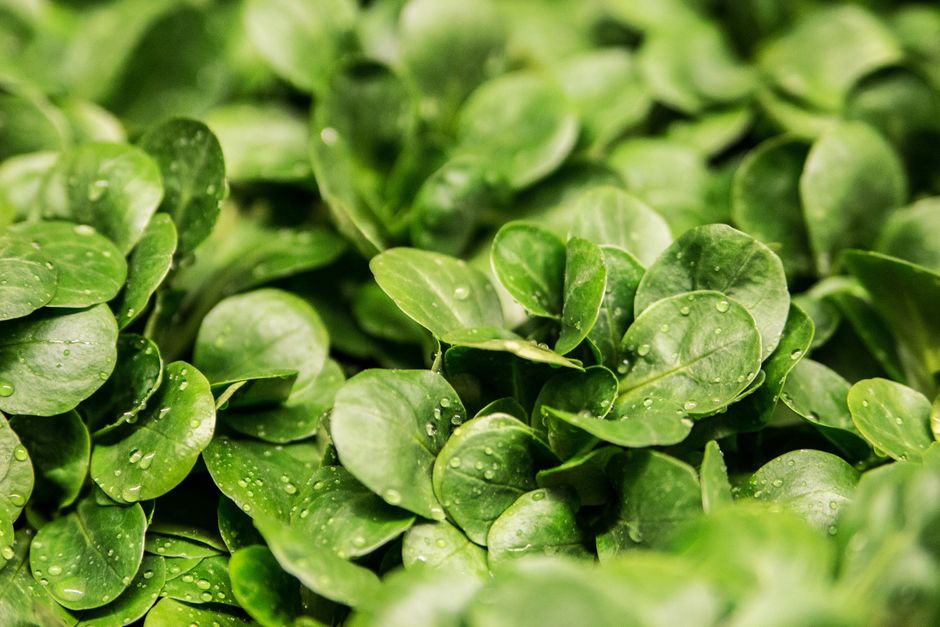
Lamb's lettuce has been a European kitchen garden staple for centuries. Today it is a traditional gourmet winter salad green in France, Italy, and Germany, mixed into salad greens where its characteristic nutty flavour and attractive dark green colour complement other leafy greens. It earns its place purely because nothing else performs at the same level in the depths of winter.
Sowing and Growing
Sow from August to September and harvest from October to April. The window is open right now, and Promesse de Fleurs confirms that lamb's lettuce is generally harvested during the autumn and winter months when other salad greens are scarce.
Sow direct in shallow drills 15 cm apart and barely cover with soil. Germination is slow in warm weather, so spring sowings are less reliable than autumn. This is one crop where September timing genuinely works in your favour rather than against you.
Harvest whole rosettes by cutting at the base, or pick individual leaves cut-and-come-again. Best varieties include 'Vit' (large-leaved) and 'Verte de Cambrai' (classic French heirloom).
Cold Hardiness
Sowing can start in early August and continue until mid-September at the latest for harvesting throughout the autumn. Lamb's lettuce will survive the harshest winters in the open ground and can be eaten again in spring until it goes to seed.
The leaves do well with frost and cold weather is not detrimental to their taste or texture. They grow slowly in winter, but it is a nice one to sow in a box or pot and place on a balcony or roof, to be ignored for a couple of months. That low-maintenance character makes it ideal for anyone who wants winter greens without a complicated care routine.
Pro Tip: Sow a generous patch rather than a small row. Lamb's lettuce grows quite slowly and you need a lot of plants to get a reasonable crop. Aim for at least half a square metre per household for meaningful winter pickings.
3. Kale, Best for Long-Season Harvesting and Frost-Sweetened Flavour
Kale is the backbone of the European winter kitchen garden. It is one of the very few crops that actually improves as the temperature falls.
What Happens to Kale in the Cold
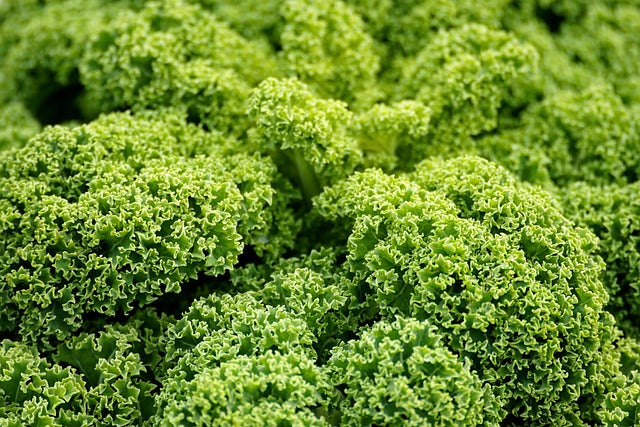
Kale is a perfect winter crop that tolerates cold and can be harvested as a cut-and-come-again vegetable for many months. The leaves are rich in nutrients and fibre and taste even sweeter in winter after a few frosts, which convert the starches into sugars. That sweetness makes even reluctant kale eaters convert.
Cold-hardy and resilient, kale is one of the most productive plants you can grow in your autumn garden. Plants set out now will produce an abundant crop of autumn greens, stand through winter with modest protection, and then explode with new growth in early spring. That spring growth, tender, sweet buds and young leaves, is a genuine second harvest that many gardeners miss.
Best Varieties for European Winters
Not all types of kale are equally cold-hardy. Some cultivars are designed to withstand wintry conditions. Generally, curly-leafed kale does better in winter, with quick-growing, fuller bunches.
For Hungarian and Central European conditions, varieties such as Winterbor (extremely frost-resistant with ruffled blue-green leaves) and Red Russian (flat, grey-green leaves with purple veins, excellent as baby greens) are both reliable performers. The GrowVeg guide to growing kale and collards through winter confirms that established plants are winter-hardy to at least -12°C without protection. That covers the majority of Hungarian winter conditions.
Timing in September
For September sowing, kale seeds can be started in modules and transplanted out by early October, giving plants time to establish before serious cold arrives. Sow seeds for Siberian kale in mid-summer to ensure the plants are full-sized by the time the temperature drops in early October. If you missed that window, you can still buy young transplants and plant them out this month for a reliable winter crop.

4. Garlic, Best for Hands-Off Growing and a Rewarding Summer Harvest
Garlic asks very little from you in autumn and rewards you generously the following summer. Garlic is a low-maintenance crop that can be stored for many months after drying, takes up relatively little space, and produces reliable harvests.
Why Autumn Planting Is Essential
Garlic needs a period of cold weather, vernalisation, to trigger bulb formation. Autumn-planted garlic gets this naturally over winter, resulting in larger, better-formed bulbs. Skip the autumn planting and you get smaller heads with fewer cloves. It is that simple.
For Budapest and Central Europe specifically, garlic should be planted around early September when soil temperature reaches around 15°C at the 10 cm depth. For best results, the main crop is planted in the autumn (October to December). Ideally, the plants require a period of 0-10°C for one to two months in order for the plants to bulb properly for a harvest in eight months.
How to Plant
Choose your variety carefully (it is not recommended to plant supermarket-bought bulbs) and split the bulb into cloves, planting them with the root end facing down. They need sun and very well-drained soil and should be planted under 2.5 cm of soil.
Garlic prefers light, well-drained soil enriched with organic matter. Avoid waterlogged conditions, which cause rot.
Avoiding the Most Common Mistake
Do not plant garlic from the supermarket. Supermarket garlic is often treated with chemicals to prevent sprouting, which can affect growth, and may carry diseases that can persist in your soil. Source certified, disease-free cloves from a reputable seed supplier. A single good-quality bulb, split into cloves and planted 10-15 cm apart, will give you a full row of heads to harvest next July.
Pro Tip: Your garlic will be ready to harvest in the spring once the leaves have turned yellow. But before that, you can help yourself to a few leaves to add a flavoursome garnish to your plate. Those garlic tops are a genuinely delicious free bonus.
5. Broad Beans, Best for Early Spring Harvests and Beating the Blackfly
Broad beans sown in September will spend winter quietly building roots underground, then surge into growth the moment spring warmth arrives. Overwintering can be very successful, with harvests up to a month earlier than sowing in the spring. That early harvest matters because broad beans in late May fill a real gap when almost nothing else is ready.
The Autumn Sowing Advantage
One great thing about growing broad beans from an autumn sowing is that they are ready to harvest in late May, when there is hardly any other vegetable available to pick. Another key reason for the autumn sowing is to avoid the damage caused by blackfly.
These insects love to feed on the top of the broad beans and on the joints of the flowers. By overwintering the plants you can easily avoid this, as the plants will flower and the pods will be ready sooner than the blackfly can do any damage to the crop.
Which Variety to Choose
The universal favourite for autumn sowings is 'Aquadulce Claudia', which yields long pods encasing smooth white beans. Longpod varieties are the hardiest, so go for these.
Growing broad beans in the winter is very easy, as the plants are cold-tolerant down to about -13°C. That makes them suitable across virtually all of Hungary and much of Central and northern Europe without needing protection in all but the most severe winters.
How to Sow
Choose a sunny, sheltered spot for your beans and sow into soil that is well-drained and fertile, forking in some well-rotted manure or compost before sowing will help to improve soil conditions. Plant seeds roughly 5 cm deep and 20-23 cm apart in rows. They will show green tips above the soil within two to three weeks and then hold at that size until February.

Common Mistakes That Quietly Wreck the Autumn Harvest
Even straightforward crops go wrong when a few basics are skipped. Here are the pitfalls that come up most often.
Sowing Too Late in September
Day length has already dropped below twelve hours in most of northern Europe by mid-September, and below about ten hours of daylight plants effectively stop making new growth. Sow by mid-September at the latest for all five crops covered here. Plants need at least four to six weeks of active growth before winter slows them.
Ignoring Drainage
All five crops on this list are damaged by waterlogged soil over winter. Bulbs will rot if the soil is not free-draining, and garlic will not succeed whenever you plant it if waterlogged. If your plot holds water, raise your beds or improve the soil with grit and compost before sowing.
Skipping Frost Protection
If you are gardening in a cold climate, using a polytunnel, cold frame, or fleece over your September sowings can extend the harvest of salad leaves and greens by several weeks, often right through to February. A roll of garden fleece costs little and saves an entire crop when temperatures drop suddenly in October or November.
Pro Tip: Gardening activities are most frequent in spring, summer, and autumn, with many people spending time in their gardens at least once a week during those seasons. According to the European Garden Monitor, the winter months see less activity, which means your autumn-sown crops will be working hard while most other gardeners have switched off entirely. That alone is worth the effort of a September sowing session.
A Note on Hungarian and Central European Conditions
From the Great Hungarian Plain to the foothills of the Carpathians, Hungary's diverse landscape spans three main planting zones: 6b, 7a, and 7b. Hungary's climate is predominantly continental, with Mediterranean influences in the south. This unique combination creates a diverse growing environment that supports a wide range of crops and ornamental plants.
Budapest has approximately 220 frost-free days per year, with winter lows around -3°C and summer highs reaching 28°C. That continental swing means springs arrive quickly and winters can be sharp, but all five crops in this guide are well within the tolerance range. Garlic and broad beans are the most robust; spinach and lamb's lettuce benefit from a simple fleece cover on the coldest nights.
Budapest has approximately 220 spinach, and garlic can often be planted in autumn for early spring harvest in Budapest. Cold frames or row covers extend the season further.
Holland Kertészet carries a curated range of vegetable seeds suited to exactly these conditions, varieties that have been chosen with Central European gardens in mind, and that are available to order now while September's sowing window is still open.
Frequently Asked Questions
Can I sow these five vegetables directly into the ground, or do I need to start them indoors?
Most of them can go straight into the ground or a pot in September. Spinach, lamb's lettuce, garlic, and broad beans all prefer direct sowing. Kale can be direct sown now too, but if you prefer to start it in modules indoors first, GrowVeg's European growing guides offer detailed planting calendars by region. The main thing is not to overthink it, a shallow drill, seed in, cover lightly, water once, and you are done.
What is the minimum space needed to grow all five vegetables?
You can grow lamb's lettuce and spinach in containers as small as 30-40 cm wide. Garlic needs 10-15 cm between cloves and does well in a deep pot or a small border. Broad beans need the most room, allow 20-23 cm between plants in a row. Kale can be grown in large pots if beds are not available. A 3 m x 1 m raised bed would comfortably accommodate a meaningful sowing of all five.
How do I protect these crops in a sharp Central European winter?
In regions with severe winter weather, consider using cloches or horticultural fleece to shield your plants from frost and cold winds. Broad beans and garlic are the most tolerant and need the least help. Spinach and lamb's lettuce benefit from a cloche or fleece on nights below -5°C. Kale generally manages without any protection at all. The key investment is a basic cold frame or a roll of fleece, both are inexpensive and make a significant difference.
Do I need to feed or fertilise these crops in autumn?
Rich soil helps, but heavy feeding in autumn encourages soft, frost-vulnerable growth. Before sowing, enrich the soil by digging in homemade garden compost and a general fertiliser. This will both help the crop to grow well, and also prevent leaves from tasting bitter. After that initial preparation, hold off on feeding until spring when growth resumes in earnest.
Where is the best place to source quality winter vegetable seeds in Hungary?
Holland Kertészet's full vegetable seed range is the go-to option for Hungarian and Central European gardeners, with over 750 seed varieties available and a focus on biological, sustainable gardening rooted in Dutch horticultural tradition. Rooted in Dutch gardening tradition, the collection offers carefully selected seeds, plants, and garden essentials designed to help every garden grow, flourish, and thrive. For winter vegetables in particular, the selection covers the key varieties mentioned throughout this guide.
Sources
-
When to Sow in September, SeedsChoice. Soil temperature and day-length guidance for European gardeners. https://seedschoice.com/blogs/news/what-to-sow-in-september
-
Growing Winter Spinach, GrowVeg UK. Step-by-step autumn spinach guide. https://www.growveg.co.uk/guides/growing-winter-spinach/
-
What to Plant in September, BBC Gardeners' World Magazine. Variety recommendations and care tips. https://www.gardenersworld.com/plants/what-to-plant-september/
-
How to Grow Spinach, BBC Gardeners' World. Full growing guide including downy mildew prevention. https://www.gardenersworld.com/how-to/grow-plants/how-to-grow-spinach/
-
Spinach Nutrition Facts, Healthline. Vitamins, minerals, and health benefits. https://www.healthline.com/nutrition/foods/spinach
-
Growing Mâche for Winter Salads, GrowVeg. Lamb's lettuce cultivation guide. https://www.growveg.com/guides/growing-mache-lambs-lettuce-or-corn-salad-for-winter-salads/
-
Lamb's Lettuce Sowing Guide, Allotment Planner UK. Spacing, varieties, and harvest guide. https://allotmentplanner.com/plants/lamb-s-lettuce
-
Dutch Lamb's Lettuce Seeds, Promesse de Fleurs. Sowing and harvest calendar. https://www.promessedefleurs.ie/vegetable-gardens/vegetable-seeds/salad-leaf-seeds/dutch-lambs-lettuce-corn-salad.html
-
Growing Kale and Collards Through Winter, GrowVeg. Cold hardiness data and variety guidance. https://www.growveg.com/guides/growing-kale-and-collards-through-winter/
-
How to Grow Garlic (Autumn Planted), GrowVeg UK and Europe. Planting and harvest guide. https://www.growveg.co.uk/plants/uk-and-europe/how-to-grow-garlic-autumn-planted/
-
How to Grow Garlic, RHS. Full cultivation guide from the Royal Horticultural Society. https://www.rhs.org.uk/vegetables/garlic/grow-your-own
-
Growing Garlic in the City, Kitchen-Garden.be. European planting calendar and cold requirements. https://kitchen-garden.be/gardening-why-garden/growing-garlic-in-the-city
-
How to Grow Autumn-Sown Broad Beans, GrowVeg UK. Variety guide and sowing method. https://www.growveg.co.uk/guides/how-to-grow-autumn-sown-broad-beans/
-
Broad Beans Overwintering Guide, SeedParade. Cold tolerance data and blackfly avoidance. https://www.seedparade.co.uk/news/sowing/broad-beans-how-to-grow-broad-beans/
-
Hungary Planting Zones, Planta Greenhouses. Zone map and climate overview for Hungary. https://plantagreenhouses.eu/blogs/planting-zones/hungary
-
When to Plant Vegetables in Budapest, Garden.org. First frost date and fall planting calendar. Fall planting requires working
-
European Garden Monitor, USP Research. Seasonal gardening activity data across Europe. https://www.usp-research.com/insights/blogs/european-garden-monitor-trends-and-outlooks/
-
Holland Kertészet Vegetable Seeds, Holland Kertészet. Full seed range for European gardeners. Holland Kertészet's full vegetable seed range


