

A practical vegetable garden series
Grow crisp, colourful radishes from seed and enjoy one of the quickest harvests in the vegetable garden.
|
GROW WITH US A short row of radishes is a quick way to bring fresh crunch to your spring table. |
Written for home gardeners in Hungary
CHAPTER WELCOME
Your radish season starts here
This book follows the whole journey: seed → seedling → garden → care → harvest → kitchen → next season.
Radishes are cool-season root vegetables that grow quickly from seed. Near Győr, sow spring varieties outdoors from March as soon as soil is workable, then make small repeat sowings through spring. Pause during hot weather and sow again in August for autumn roots. Keep the soil evenly moist, thin seedlings and harvest promptly while roots are crisp.
This guide focuses on familiar small salad radishes. Long summer and winter types take longer and need more room, so check the packet for their sowing time, spacing and harvest size.
Our Hungarian calendar
|
March |
Sow spring salad radishes as soon as the ground is workable. |
|
March–May |
Make small repeat sowings every 10–14 days in cool weather. |
|
June–July |
Pause if it is hot; water and harvest any roots still growing. |
|
August |
Sow again for a fresh autumn crop. |
|
September–October |
Harvest autumn radishes before hard frost. |
|
After harvest |
Remove tops, wash roots and enjoy while crisp. |
|
WHAT I WOULD DO I would sow a short row every two weeks in spring, then make a fresh sowing in August for autumn. |
The rule for this series: dates guide us, but the plant and the weather make the final decision.
CHAPTER 1
Meet Radish
A fast-growing root crop that brings crunch, colour and a peppery bite.
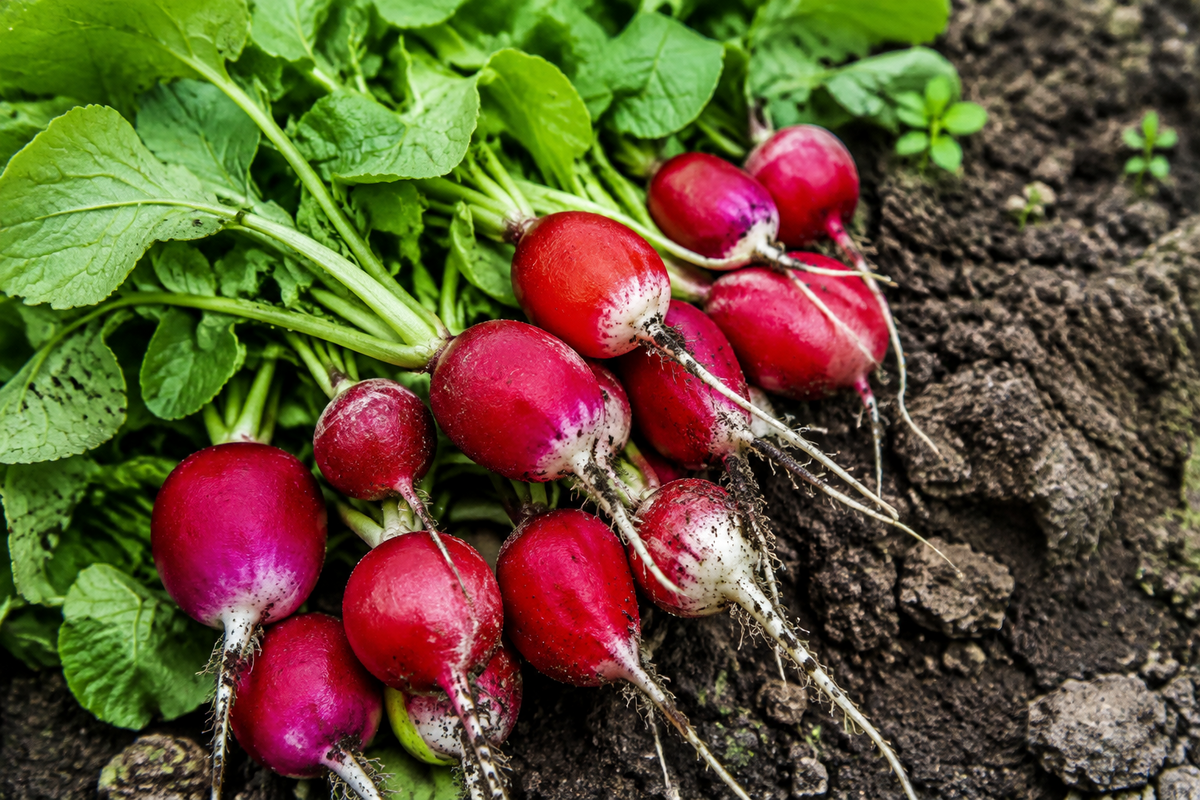
The familiar garden radish, Raphanus sativus, is grown for its crisp, swollen root and edible leaves. Spring salad types are usually round or oval, with red, pink, white or mixed colours. They belong to the cabbage family, alongside cabbage, kale and mustard. Radishes prefer cool weather and quick, steady growth. In warm conditions they may become woody, very hot or send up a flower stalk before the root sizes up. Long summer and winter radishes are different crop types with longer growing times; use their seed-packet directions.
A cool-season crop with a quick reward
|
Botanical name |
Raphanus sativus; garden radish. |
|
Plant family |
Brassicaceae, the cabbage family. |
Choose how you want to enjoy the plant
· For an early harvest: sow spring salad radishes as soon as soil is workable.
· For more roots: sow a short row every 10–14 days in cool weather.
· For autumn: sow a suitable variety in August as days begin to cool.
· For a small garden: use a trough or wide container with drainage.
· For crisp roots: keep moisture steady and thin seedlings on time.
· For the kitchen: eat the roots fresh, or cook them to soften their bite.
|
GOOD TO KNOW Small spring radishes can be ready in about three to five weeks; long and winter types need more time. |
CHAPTER 2
Choose Your Radish
Start with the type you like to eat and the season you can grow it in.
Ask yourself five questions
1. Do I want quick spring salad roots or a larger summer or winter type?
2. Can I sow into loose soil that is free of stones and clods?
3. Will I have time to water regularly during dry spells?
4. Can I thin the seedlings so each root has room to swell?
5. Would small repeat sowings suit my kitchen better than one large crop?
A beginner-friendly first planting
|
Sow early |
Start spring types in March when soil is workable. |
|
Thin seedlings |
Leave about 4–5 cm for small salad roots. |
|
Keep growing |
Water steadily so roots develop quickly and evenly. |
|
Pick on time |
Harvest roots while crisp, before they become woody. |
|
A COMMON MISTAKE Sowing one large row all at once. Small repeat sowings give you roots over a longer period. |
|
TRY THIS Sow radishes between slower rows of carrots to mark the row, then harvest them young. |
CHAPTER 3
Let’s Sow
For a first try, choose a packet of quick spring salad radish and sow a short row. They grow from seed in the place where they will mature, so there is no need to raise seedlings indoors. Loosen the top 15–20 cm of soil and remove stones that could distort roots. Sow thinly, water gently and thin once seedlings are large enough to handle. A small row is easy to keep evenly moist and harvest at its best.
When to sow in Hungary
Near Győr, spring radishes can be sown outdoors from March when the ground is workable; a fleece or low tunnel can help with very early sowings. Continue with small sowings every 10–14 days through spring. As warmer weather arrives, spring varieties may turn woody or bolt, so pause in summer unless the packet recommends a heat-tolerant type. Sow again in August for an autumn crop. Winter radishes have their own timing; follow the packet.
What you need
· A packet of spring salad radish seed
· A sunny bed or deep trough with drainage
· Loose soil, with stones and clods removed
· A watering can with a gentle rose
· Labels and a ruler for rows and spacing
Sowing, step by step
1. Loosen the soil and break up clods into a fine seedbed.
2. Make a shallow drill about 1 cm deep and water it lightly.
3. Sow seeds thinly, about 2–3 cm apart, then cover with soil.
4. Label the row and water gently so seeds stay in place.
5. When seedlings emerge, thin them to about 4–5 cm apart.
|
DON’T PANIC Radish seedlings emerge quickly in good conditions, often within about a week. |
|
A COMMON MISTAKE Letting the soil dry out, then soaking it heavily. Uneven moisture can split mature roots. |
CHAPTER 4
Seedling School
Quick germination is only the start; spacing and steady moisture build roots.
Recognise a healthy seedling
Radish seedlings usually emerge within about a week in suitable conditions. First come two rounded seed leaves, followed by rougher, toothed true leaves. Keep the row moist but not waterlogged. When seedlings are easy to handle, thin them so the roots have room; crowded tops can look lush while roots stay small. Snip extras at soil level if pulling them would disturb nearby plants. Thin leaves are edible when grown cleanly.
Why has the seed not germinated?
Seeds can be slow if the soil is cold, too dry or crusted after heavy rain. Keep the seedbed evenly moist and break up only a thin crust at the surface. Radishes germinate best in cool-to-mild conditions, not in baking hot soil. If a row fails, check the seed packet date and sow again in a fresh shallow drill. A light fleece can protect an early sowing from harsh weather.
Water while they settle
Water gently after sowing and keep the soil from drying out while seedlings establish. Radish roots are shallow, so check the bed during dry or windy weather. A steady supply of moisture supports quick, even growth and helps keep roots tender. Avoid alternating very dry soil with a sudden drenching, which can make mature roots split. Containers dry faster than garden beds and may need checking daily in warm weather.
Feeding
Prepare the bed with mature compost if the soil is poor, but avoid fresh manure and heavy feeding. Radishes are a quick crop and usually do not need extra fertiliser in a reasonably fertile bed. Too much nitrogen can encourage leafy growth instead of a good root. If growth is weak, check soil texture, light, spacing and watering before adding feed. Rotate the crop with other cabbage-family vegetables where possible.
|
WHAT I WOULD DO I would grow a short row in a raised bed where I can keep the soil loose and moist. |
|
DON’T PANIC The root may be partly visible at the soil surface. Check its size and pull a sample. |
CHAPTER 5
Ready for the Real World
Sow straight into the garden and give each young root room to grow.
Before sowing: check the bed and the forecast
1. Choose a sunny spot with loose, well-drained soil.
2. Start in March when the ground can be worked; protect early rows if needed.
3. Remove stones and clods from the top 15–20 cm of soil.
4. Sow thinly and water the row gently.
5. Keep the soil evenly moist as roots begin to swell.
When can it live outside in Hungary?
Radishes are cool-season vegetables and tolerate light spring cold. Near Győr, you can sow spring salad types outdoors from March once the soil is workable. For an earlier start, use a fleece or low tunnel and follow the packet. Sow again in August for autumn harvest. During hot summer weather, many spring types bolt or develop coarse, hot roots; choose a suitable variety or wait for cooler conditions rather than forcing a crop.
Sow directly into a prepared bed or container, about 1 cm deep. Cover lightly and water with a fine spray. Thin to roughly 4–5 cm between plants for small salad radishes; larger varieties need more space. Rows about 15–20 cm apart are easy to weed and water. Do not transplant seedlings, because moving them can disturb the developing root. Keep the row labelled until the rounded roots begin to show.
|
A COMMON MISTAKE Leaving mature roots too long. They can become woody, hollow or much hotter in flavour. |
|
GOOD TO KNOW Cool weather and quick, even growth usually give the mildest, crispest radishes. |
CHAPTER 6
Give Them a Good Home
Sun, loose soil and room underground help radishes form smooth roots.
The right place
Choose an open, sunny position for quick growth, especially in spring and autumn. Loosen the soil so young roots can swell without pushing around stones or hard clods. A container or raised bed is useful if your garden soil is heavy; use a deep trough with drainage for small salad types. Avoid a spot that has recently grown cabbage-family crops, and do not let the bed dry out during root development.
Spacing
Sow small salad radishes about 2–3 cm apart and thin seedlings to around 4–5 cm, or use the packet spacing for the variety. Larger spring or winter types need more room. Crowded plants compete for light, water and space below ground, leading to small roots. Keep rows around 15–20 cm apart so you can reach in to weed and water without stepping on the bed.
Planting day
1. Loosen soil to at least 15–20 cm and remove stones.
2. Make a straight drill about 1 cm deep.
3. Place seed thinly and cover it lightly with fine soil.
4. Water gently and mark the row with a label.
5. Thin seedlings once they are large enough to handle.
Growing in containers or under cover
Choose a pot or trough deep enough for the variety, with generous drainage holes. Fill it with loose multipurpose compost and sow directly into it. Keep the compost evenly moist, especially when the roots are swelling. A fleece or unheated greenhouse can help with very early or late sowings, but ventilate on mild days. In a warm greenhouse, watch for heat and dry compost; radishes prefer cool conditions.
|
TRY THIS Roast halved radishes with oil, salt and thyme to mellow their peppery bite. |
CHAPTER 7
Water, Feed & Keep Them Growing
Steady moisture and quick growth are the secret to mild, crisp roots.
Watering
Keep the seedbed moist until seedlings establish, then water deeply whenever the soil begins to dry. Check more often in containers and during dry spring winds. Consistent moisture helps roots stay tender and crisp. If the bed dries out and then receives a heavy soak, mature radishes may split. Water the soil rather than blasting leaves and keep pots draining freely after rain.
Mulch
A thin layer of fine compost can help hold moisture once seedlings are established. Keep mulch away from tiny plants and do not cover the row so thickly that you cannot see or harvest the roots. In a container, mulch is optional; steady watering matters more. Remove weeds while small, working carefully so you do not disturb the shallow radish roots.
Feeding
A little mature compost worked into poor soil before sowing is generally enough. Avoid fresh manure and rich nitrogen feeds, which can produce lots of leaves without a well-shaped root. Radishes mature quickly, so there is little time to correct poor soil after sowing. If plants are pale or slow, check drainage, light, crowding and watering before adding any fertiliser.
Keep plants healthy
Look for small round holes in the leaves, which can be caused by flea beetles. A fine insect-proof mesh over the row can protect seedlings; secure the edges and remove it when plants need more room. Weed gently and keep moisture even. Rotate radishes away from other cabbage-family crops. Harvest promptly, since old roots can become woody, hollow or overly hot.
|
WHAT I WOULD DO I would pause spring sowing during summer heat, then start again in August. |
CHAPTER 8
Roots, Leaves & “What Is That?”
The root shoulders show when the crop is sizing up beneath the leaves.
Why are there leaves but no roots?
Crowding, hot weather, too much shade or excess nitrogen can leave you with a leafy row and little root growth. Thin seedlings promptly, give them enough light and sow spring varieties early enough to mature in cool weather. Keep moisture steady so growth does not stall. If the weather has turned hot, wait for late summer and sow a fresh row suited to autumn rather than expecting old plants to recover.
The beginner’s trouble guide
|
Lots of leaves, tiny roots |
Thin seedlings; check light, heat and excess feeding. |
|
Roots split |
Moisture may have swung from dry to very wet. |
|
Roots taste very hot |
Heat, slow growth or late harvest can intensify the bite. |
|
Leaves have small holes |
Flea beetles may be feeding; cover young rows with mesh. |
|
Plants flower early |
Warm weather or stress may have triggered bolting. |
|
DON’T PANIC A hot spell can spoil a spring sowing. Wait for cooler weather and sow again in late summer. |
|
A COMMON MISTAKE Trying to transplant radishes. Sow directly where the roots will grow. |
CHAPTER 9
Can I Pick It Yet?
Check the shoulders and packet timing, then pull a sample root.
What “ready” looks like
Most small spring radishes are ready in about three to five weeks, though variety and weather change the timing. Brush soil away from the top of one root: when it has reached the size shown on the packet, pull a sample. The shoulder often shows above the soil. Harvest the rest while roots are crisp and smooth. Left too long, they can become woody, split or develop a stronger taste.
Harvest for the use you want
|
Kitchen |
Pull crisp roots when they reach the size on the packet. |
|
Timing |
Often about three to five weeks for spring salad types. |
|
Method |
Loosen beside the root if needed, then pull gently by the tops. |
|
Storage |
Remove leaves and refrigerate; use while fresh and crisp. |
How often should I check?
Once roots begin to swell, check the row every few days. Pull one sample to see whether it is ready, then harvest others at the same stage. Do not wait for every root to become oversized. A row sown in stages gives you a longer picking window. In warm weather, check more often because radishes can change quickly. Remove the leaves after harvest if you are storing the roots.
|
READY TO HARVEST? Brush away soil and check that the shoulder has reached a useful size. |
|
TRY THIS Serve sliced radishes on fresh bread with butter and a pinch of salt. |
CHAPTER 10
From the Garden to the Kitchen
Fresh radishes add crunch to salads and mellow into a sweet, savoury side.
The first rule: harvest them young
Pull salad radishes when they are crisp and the size you want. Twist or cut off the leafy tops, rinse the roots well and use them fresh for the sharpest crunch. Slice them into salads, put them on bread with butter and salt, or roast them briefly to soften their peppery flavour. The leaves can also be used when young and clean; wash them carefully and add to soup or sautéed greens.
Match the harvest to its purpose
· Salad: slice fresh roots for crunch and colour.
· Snack: serve whole with bread, butter and a pinch of salt.
· Cooked: roast or sauté to soften the peppery bite.
· Greens: use young, clean leaves in soups or cooked greens.
|
FROM THE KITCHEN Raw radishes are crisp and peppery; roasting or sautéing makes the flavour milder. |
Keeping the harvest fresh
For the crispest radishes, remove the leaves soon after picking because they draw moisture from the roots. Rinse and dry the roots, then store them in the refrigerator in a container or bag. Use them within a week or two for best texture. If they become a little limp, a short soak in cold water can refresh them. Keep greens separately and use them promptly.
When you have more than one use
Pick a few roots for a snack and leave the rest in the row for another meal, checking them often so they do not grow past their best. Fresh radish pairs well with cucumber, spring onion, lettuce and soft cheese. If the raw bite feels too sharp, try roasting or sautéing the roots. Young leaves can be added to soup or mixed greens after a thorough wash.
CHAPTER 11
Next Season Starts Now
Record when you sowed, how quickly roots formed and which variety tasted best.
Keep a tiny garden record
· Seed packet name and variety type
· Sowing dates and the weather at the time
· How long seedlings took to appear
· When roots reached a good eating size
· Whether the soil stayed evenly moist
· Which variety stayed crisp and mild
· How the spring and autumn sowings compared
Saving seed for next year
Radishes are usually grown for their roots and resown each season. To save seed, leave a healthy, true-to-type plant to flower and form pods; the plant becomes taller and the roots are no longer for eating. Keep it away from other flowering radish varieties if you want to preserve a particular type, because they can cross-pollinate. Let pods mature and dry before collecting seed. For a first garden, buying a fresh labelled packet is simpler.
1. Choose one healthy plant from a variety you want to keep.
2. Leave it in the bed to flower and form seed pods.
3. Allow pods to mature and dry on the plant.
4. Collect dry pods before they split and scatter.
5. Store clean, dry seed in a labelled envelope.
|
GOOD TO KNOW Remove the leafy tops before storing so the roots hold their moisture longer. |
|
WHAT I WOULD DO I would pull one sample root every few days once the crop starts to size up. |
COME GROW WITH ME
RADISH CHEAT SHEET
The page to come back to when you have soil on your hands and no time to reread the whole book.
|
SOW |
March–May; again in August |
Cool weather; direct sow about 1 cm deep |
|
POSITION |
Sunny bed or container |
Loose, stone-free, well-drained soil |
|
SPACE |
Thin small types to 4–5 cm |
Check packet for larger varieties |
|
WATER |
Keep moisture even |
Avoid drying out and sudden heavy soaking |
|
HARVEST |
Often 3–5 weeks for spring types |
Pull while crisp and before roots age |
|
Start |
Direct sow spring radishes from March when soil is workable. |
|
Repeat |
Sow a short row every 10–14 days in cool weather. |
|
Thin |
Give each root enough space to swell. |
|
Care |
Water evenly and protect young leaves from flea beetles. |
|
Pick |
Pull roots while crisp and tender. |
|
Next season |
Try another variety and compare spring with autumn sowing. |
|
HUNGARY IN ONE LINE Near Győr, sow spring radishes from March, pause through summer heat, then sow again in August for autumn. |
COME GROW WITH ME • RADISH


