

A practical vegetable garden series
Grow the sweet-leaved stevia plant in a warm Hungarian summer garden, then bring it indoors before frost.
|
GROW WITH US Start stevia indoors in spring, enjoy its sweet leaves in summer and protect it before frost. |
Written for home gardeners in Hungary
CHAPTER WELCOME
Your sugarleaf season starts here
This book follows the whole journey: seed → seedling → garden → care → harvest → kitchen → next season.
Sugarleaf, also called sweetleaf or stevia, is Stevia rebaudiana: a tender leafy herb whose leaves have a naturally sweet taste. In Hungary, treat it as a summer plant. Start seed indoors in spring or buy a young plant, then move it outside only after frost has passed and the weather is reliably warm. Near Győr, a large pot is especially useful because you can bring the plant indoors before autumn cold. Give it sun, free-draining soil and steady moisture, then pick leaves fresh or dry them for later.
Stevia is a tender perennial in its native warm climate, but it is usually grown as an annual where winters are cold. The leaves are the harvest: use a small fresh leaf to sweeten tea or dry a larger pick for storage. Seed can be slow or uneven, so do not be discouraged if every seed fails to grow. A starter plant or a cutting from a healthy plant can be an easier beginning. This guide is about the sweet herb Stevia rebaudiana, not Sugarloaf chicory, which appears in the Chicory guide.
Our Hungarian calendar
|
Late winter–spring |
Sow indoors in warmth or choose a young plant. |
|
After frost |
Harden off and move outside when nights are mild. |
|
Early summer |
Pinch the tips once the plant is established. |
|
Summer |
Water regularly and pick a few leaves as needed. |
|
Late summer |
Dry extra leaves before the weather turns cold. |
|
Before autumn frost |
Bring a potted plant indoors or take a cutting. |
|
WHAT I WOULD DO I would grow one stevia plant in a pot so I could move it outside in summer and shelter it in autumn. |
The rule for this series: dates guide us, but the plant and the weather make the final decision.
CHAPTER 1
Meet Sugarleaf
A tender, bushy herb grown for its naturally sweet green leaves.
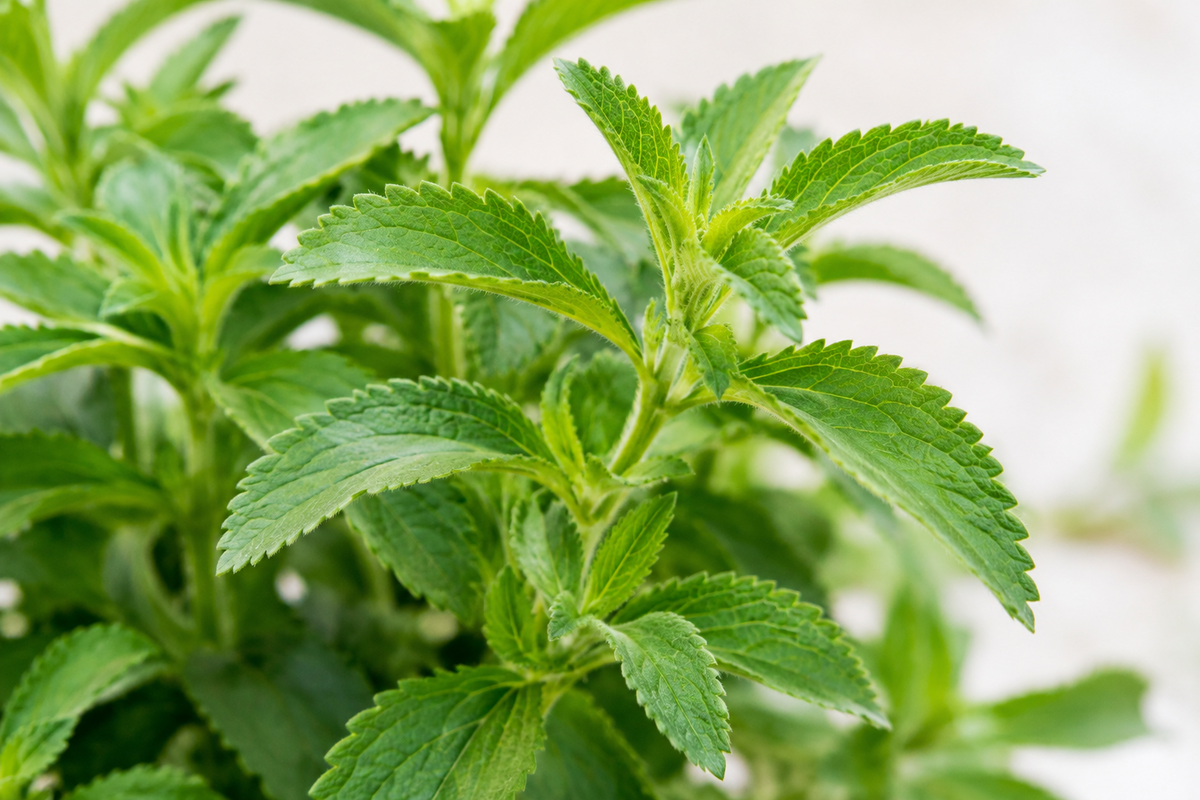
Sugarleaf (Stevia rebaudiana) is a bushy herb with small, toothed green leaves and clusters of tiny white flowers. Its leaves contain sweet-tasting compounds and can be used fresh or dried as a sweetener. The plant is a perennial where winters stay warm, but frost-sensitive in a Hungarian garden, so most growers treat it as a summer annual or overwinter it in a pot indoors. It likes warmth, sun and soil that stays lightly moist but drains freely. Pinching the tips encourages a fuller, leafier plant.
A small leaf with a sweet flavour
|
Botanical name |
Stevia rebaudiana; also called sweetleaf or sugarleaf. |
|
Plant family |
Asteraceae; grown as a tender herb for its leaves. |
Choose how you want to grow the plant
· For an easy start: buy a healthy young plant and pot it on gently.
· For a seed project: sow indoors in spring and keep the compost warm.
· For a small garden: grow one plant in a large pot you can move.
· For a bushier shape: pinch the growing tips once the plant is established.
· For a gentle sweetener: try a small fresh leaf before using more.
· For next year: bring a healthy potted plant indoors before frost.
|
GOOD TO KNOW Stevia is a tender perennial, but in Hungary it is safest to treat it as a summer plant or overwinter it indoors. |
CHAPTER 2
Choose Your Sugarleaf
Decide whether you want to start from seed or begin with a young plant.
Ask yourself five questions
1. Can I give stevia a warm, sunny and sheltered growing place?
2. Will I start with seed, a cutting or a ready-grown plant?
3. Can I keep the soil lightly moist without leaving roots in water?
4. Do I have a pot I can bring indoors before autumn frost?
5. Will I pick leaves regularly and pinch flower buds if they form?
A beginner-friendly first planting
|
Start |
Sow indoors in spring or buy a young plant. |
|
Position |
Warm, sunny and sheltered. |
|
Pot |
One plant in a pot about 25–30 cm wide. |
|
Water |
Keep lightly moist; let excess water drain. |
|
A COMMON MISTAKE Moving a warm-grown plant outside too early. Wait until frost risk has passed and harden it off. |
|
TRY THIS Keep the first pot near the kitchen door so you can pick a leaf for tea. |
CHAPTER 3
Let’s Sow
For your first try, grow one stevia plant in a pot rather than sowing a whole tray. Seed germination can be variable, while a young plant lets you learn how much sun and water it needs. If you choose seed, start indoors in spring and follow the packet for sowing depth; keep the compost warm and evenly moist. When the plant is established and the weather is warm, move the pot outside to a sunny, sheltered place. Bring it indoors before cold autumn nights arrive.
When to sow and plant in Hungary
Start stevia seed indoors from late winter through spring, allowing time for small seedlings to grow before summer. Near Győr, move a young plant outdoors after the risk of frost has passed, usually around mid-May or later if the forecast remains cold. Harden it off over a week by giving it a few hours outside each day, gradually increasing the time. If you buy a potted plant, keep it protected until nights are mild. The plant needs warmth more than an early start, so wait rather than setting it into a chilly bed.
What you need
· Stevia seed, a rooted cutting or one healthy young plant
· A bright indoor spot for seedlings and a warm outdoor position
· Seed compost and small pots with drainage holes
· A larger pot, labels and a gentle watering can
· Clean scissors for pinching and picking leaves
Sowing, step by step
1. Fill small pots with fine, damp seed compost.
2. Sow a few seeds following the depth on the packet.
3. Keep the pots warm and evenly moist, never waterlogged.
4. Give seedlings bright light as soon as they appear.
5. Pot on carefully when roots fill the small container.
|
DON’T PANIC Stevia seed may germinate unevenly. Sow extra seeds or begin with a young plant. |
|
A COMMON MISTAKE Leaving the pot in a saucer of water. Stevia needs moisture, but its roots need air too. |
CHAPTER 4
Seedling School
Warmth, bright light and careful watering help tiny stevia seedlings get established.
Recognise a healthy seedling
Young stevia seedlings start small, with a pair of seed leaves followed by toothed true leaves. They develop slowly at first, so give them warmth, bright light and a little patience. Keep the compost lightly moist and let excess water drain away. Once seedlings have several true leaves, move each one to its own small pot. Handle the root ball gently and avoid leaving a newly potted plant in strong midday sun until it has settled.
Why have the seeds not sprouted?
Stevia seed can germinate unevenly, and old or poorly stored seed may have low viability. Check the packet date and sow a few extra seeds in fresh compost. Keep the pots warm and moist but not saturated, and allow time before deciding that nothing will emerge. If the seed tray stays cold or dries out, germination can be delayed. A healthy young plant or cutting is a reliable alternative if you want to get growing this season.
Water while they settle
Water gently after sowing and keep the compost evenly moist until seedlings appear. Small pots dry quickly in a warm room, so check them often, but never let them sit in a tray of water. After potting on, water at the soil surface and allow the pot to drain. Young plants need regular moisture while roots establish. Once the stevia is growing strongly, water whenever the top of the compost begins to dry, especially during hot weather outdoors.
Feeding
Start with a good-quality compost that drains freely and contains some nutrients. A young stevia plant needs little extra feed at first. Once it is actively growing in a pot, a light balanced liquid feed now and then can help support leafy growth; follow the product label and avoid overfeeding. Too much feed can make soft growth, while dry roots or a waterlogged pot can both make leaves look tired. Check watering and drainage before reaching for fertiliser.
|
WHAT I WOULD DO I would pinch the growing tip after the plant is settled to encourage a bushier shape. |
|
DON’T PANIC A few yellow lower leaves can appear as the plant grows; check moisture and remove damaged leaves. |
CHAPTER 5
Ready for the Real World
Harden off stevia gradually and wait for warm, frost-free weather before moving it outside.
Before planting out: prepare the plant and its new home
1. Choose a sheltered position with sun or light afternoon shade.
2. Use a pot or bed with loose, free-draining soil.
3. Water the plant before moving it from its current container.
4. Harden it off gradually over about a week.
5. Plant at the same depth and water gently to settle the roots.
When can it live outside in Hungary?
Stevia is tender and should not be exposed to frost. Near Győr, keep it protected indoors until spring frost risk has passed and nights have turned mild, often from mid-May onward. Harden the plant off gradually rather than moving it from a warm room straight into full sun and wind. If a cold night is forecast, bring a potted plant inside or cover a garden plant temporarily. Since stevia is easy to grow in a container, you can keep it mobile throughout the season.
For a garden bed, space plants about 30–40 cm apart, or follow the supplier’s advice for the variety. In a pot, choose a container at least 25–30 cm wide with drainage holes so the roots have room and excess water can escape. Use a free-draining potting mix and set the plant at the same depth it was growing before. A pot is practical in Hungary because it can move into shelter before autumn frost and back outside when spring is warm.
|
A COMMON MISTAKE Waiting until frost is forecast to bring the plant inside. Move it before cold nights arrive. |
|
GOOD TO KNOW Taste a small amount first; fresh and dried stevia leaves can be much sweeter than expected. |
CHAPTER 6
Give Them a Good Home
Warmth, shelter and soil that drains well keep stevia growing leafy and sweet.
The right place
Choose a warm, sheltered position with full sun or a little light afternoon shade. Stevia grows best in soil that holds some moisture but drains freely; cold, soggy ground can damage roots. A sunny patio, greenhouse or warm garden corner can work well. Near Győr, a pot gives you control over the plant’s position: move it to shelter in a cold spell and indoors before the first autumn frost. Avoid a windy spot that dries the leaves and compost quickly.
Spacing
Give plants around 30–40 cm of room in a garden bed so leaves can spread and air can move around them. In a pot, grow one plant in a container about 25–30 cm wide or larger. A cramped pot dries rapidly and can restrict growth, while a very large pot can stay wet for too long if drainage is poor. If you grow several plants, leave enough space to reach the leaves for harvesting and pinching.
Planting day
1. Water the plant and prepare a moist, crumbly bed or fresh potting mix.
2. Make a hole just large enough for the root ball.
3. Set the plant at its previous soil level and fill around the roots.
4. Firm gently, water at the base and add a clear label.
5. Place the pot in a warm, sheltered spot and check the soil often.
Growing in containers or under cover
A container is an excellent choice for stevia in Hungary. Use a pot with drainage holes and a free-draining mix, then place it in a warm, bright position. Turn the pot occasionally so the plant grows evenly. Under cover, open a door or vent on warm days to prevent stuffy air, but keep the plant away from cold drafts. Check the compost more often than garden soil, since pots dry quickly in summer. Bring the plant indoors before autumn frost.
|
TRY THIS Dry a small batch of clean leaves and crumble just a pinch into a warm drink. |
CHAPTER 7
Water, Feed & Keep Them Growing
Even moisture, warm days and occasional pinching encourage fresh leafy growth.
Watering
Keep the root zone lightly moist during active growth. Water when the surface of the soil begins to dry, then let excess water drain away. Stevia dislikes both prolonged drought and waterlogged roots. Pots may need daily checks during hot, sunny weather, especially on a patio. Water at the base in the morning when possible, and empty saucers after watering so roots do not sit in water overnight.
Mulch
A light mulch over the soil can slow moisture loss in a garden bed, but keep it away from the main stem. In pots, a thin layer of compost can help the surface stay evenly moist. Do not pile mulch over the crown, and check that water can still reach the roots. A little shade in the hottest afternoon hours can reduce stress during a heatwave, while morning sun helps keep the plant compact and leafy.
Feeding
Stevia grown in a rich, free-draining compost may need only light feeding during the growing season. If growth slows, check whether the pot is root-bound, too dry or waterlogged before adding feed. Use a balanced liquid fertiliser sparingly and according to its label. Avoid repeated heavy feeding, which may encourage soft growth. Stop feeding as the weather cools and the plant prepares to rest indoors.
Keep plants healthy
Pinch the growing tips once the plant is established to encourage branching and a bushier shape. Remove damaged leaves and check regularly for aphids or whitefly, especially under cover. Good airflow, steady watering and a clean pot help prevent many problems. If flower buds form, pinch them off if your aim is to keep harvesting leaves. Before bringing the plant indoors in autumn, inspect the leaves and stems for pests and remove any dead growth.
|
WHAT I WOULD DO I would keep one pot outdoors in summer and take a cutting before bringing the mother plant in. |
CHAPTER 8
Leaves, Flowers & “What Is That?”
Small toothed leaves are the harvest; clusters of tiny white flowers may appear later in summer.
Why has the plant started flowering?
Stevia naturally forms small white flowers as the season progresses. Flowering is normal, but many gardeners pinch off the buds to keep the plant focused on leafy growth and to pick leaves before the plant becomes leggy. Snip the tips just above a pair of leaves, and the stems may branch from that point. If you want to collect seed, leave some flowers instead and let them finish developing before the cold weather arrives.
The beginner’s trouble guide
|
Seeds do not emerge |
Seed may be old or the compost too cold; sow extra in fresh mix and keep warm. |
|
Leaves droop |
Check the pot; dry compost needs water, while soggy compost needs better drainage. |
|
Stems grow long |
Give the plant brighter light and pinch the tips once it is established. |
|
Flower buds appear |
Pinch them off if you want to focus on leafy growth. |
|
Pests under leaves |
Look for aphids or whitefly and rinse or remove affected growth. |
|
DON’T PANIC A slow start is normal for a small seedling. Give it warmth, light and time before changing everything. |
|
A COMMON MISTAKE Using too many leaves at once. Stevia is sweet, so begin with a small amount and taste. |
CHAPTER 9
Can I Pick It Yet?
Pick a few fresh leaves once the plant is established, then take the main harvest before autumn cold.
What “ready” looks like
Once the plant has several strong stems and plenty of healthy leaves, you can begin picking a few at a time. Use the youngest, clean leaves fresh, or snip leafy tips for a larger harvest. For a main pick, harvest before the plant flowers heavily or before cold nights arrive. Leave enough green growth on the plant if you plan to overwinter it indoors. Handle the leaves gently and taste a small amount first, since sweetness varies from plant to plant.
Harvest for the use you want
|
Plant |
Several healthy stems and plenty of green leaves. |
|
Fresh use |
Pick a few clean leaves as needed. |
|
Main harvest |
Pick before autumn frost or heavy flowering. |
|
Overwintering |
Leave green growth on the plant if keeping it indoors. |
How often should I check?
Check the plant weekly during active growth and pick a few leaves whenever you need them. Pinching the tops regularly can keep stems branching and make the plant easier to manage. Near the end of summer, make a larger harvest before the first autumn frost. If you are keeping a plant indoors for winter, leave some healthy leaves and stems so it can recover after moving. Harvest in the morning after any dew has dried, when leaves are clean and fresh.
|
READY TO HARVEST? Pick a few leaves from an established plant, then dry the extra before autumn frost. |
|
TRY THIS Add one small leaf to tea, taste it, then decide whether you want a little more. |
CHAPTER 10
From the Garden to the Kitchen
Fresh or dried stevia leaves can add a gentle sweetness to drinks and simple dishes.
The first rule: start with a little
Stevia leaves taste sweet, but their flavour is different from table sugar and can become strong or slightly herbal if you use too much. Rinse fresh leaves and add one small leaf to tea or a drink, then adjust to your taste. For a dry supply, spread clean leaves in a single layer in a warm, airy place out of direct sun. When crisp, crumble them and store in a labelled airtight jar. Keep dried leaves dry and use a pinch at a time.
Match the leaves to the use
· Tea: steep a small fresh or dried leaf with the drink.
· Yoghurt or fruit: crumble a little dried leaf and taste before adding more.
· Herbal blend: combine a small amount with mint or lemon balm.
· For later: dry leaves fully and store them in an airtight jar.
|
FROM THE KITCHEN Fresh or dried leaves can sweeten drinks; their flavour is herbal, so start with a pinch. |
Keeping the harvest fresh
Use fresh stevia leaves soon after picking, or keep a small bunch loosely wrapped in the refrigerator for a short time. For a longer store, dry the leaves until crisp in a warm, airy place away from direct sun. Remove any stems that remain soft, crumble the leaves and store them in an airtight container in a cool, dry cupboard. Label the jar with the plant name and harvest date. Discard leaves that become damp, mouldy or musty.
When you have more than one use
Pick only what you need for tea or a small kitchen experiment, then dry extra leaves before autumn. You can add dried stevia to a tea blend, crush a little over fruit or infuse it in a warm drink. Because the flavour is concentrated and varies between plants, start with a small pinch and taste before adding more. A labelled jar makes it easy to remember how much you enjoyed using next time.
CHAPTER 11
Next Season Starts Now
Save a healthy plant or take a cutting before frost if you want to grow stevia again.
Keep a tiny garden record
· Seed source or name of the plant you bought
· Indoor sowing date and how long seedlings took to appear
· When the plant moved outdoors and how it handled the change
· Which position gave the fullest, healthiest growth
· How often you watered during warm or dry spells
· When flowering began and which leaves tasted best
· How much you harvested fresh or dried for later
Saving seed and keeping a plant for next year
Stevia can be grown from seed, but germination may be uneven, so keep the packet instructions and sow a few extra seeds. If a plant flowers, allow some flower heads to dry and collect any mature seed before autumn weather turns cold; label it with the plant and year. A potted plant can be brought indoors before frost and kept in a bright, protected place. You can also take a healthy stem cutting while the plant is actively growing, root it in moist compost and keep the young plant warm.
1. Choose a healthy plant and leave a few flower heads if you want to try saving seed.
2. Let the flower heads dry and collect any mature seed before frost.
3. Label seed with the plant name and year, then store it cool and dry.
4. Before frost, move a healthy potted plant into a bright indoor place.
5. Alternatively, root a stem cutting in moist compost for next season.
|
GOOD TO KNOW Dry leaves until crisp and store them airtight in a cool, dry cupboard. |
|
WHAT I WOULD DO I would dry the late-summer leaves and keep the strongest plant sheltered for next year. |
COME GROW WITH ME
SUGARLEAF CHEAT SHEET
The page to come back to when you have soil on your hands and no time to reread the whole book.
|
START |
Late winter–spring indoors |
Germination may be uneven. |
|
OUTDOORS |
After frost risk has passed |
Harden off gradually. |
|
POSITION |
Warm sun or light shade |
Choose a sheltered place. |
|
WATER |
Lightly moist soil |
Do not leave roots in water. |
|
HARVEST |
Summer to early autumn |
Pick leaves before frost. |
|
Start |
Sow seed indoors or buy a young plant. |
|
Prepare |
Use warm, bright space and free-draining compost. |
|
Plant |
Move outside after frost and harden off first. |
|
Care |
Water, pinch tips and inspect for pests. |
|
Pick |
Use a few fresh leaves or dry a larger harvest. |
|
Next season |
Bring a pot indoors or root a healthy cutting. |
|
HUNGARY IN ONE LINE Near Győr, enjoy stevia outdoors from late spring through summer, then move it indoors before autumn frost. |
COME GROW WITH ME • SUGARLEAF
Seasonal guidance is adapted for Hungarian home gardens.


