

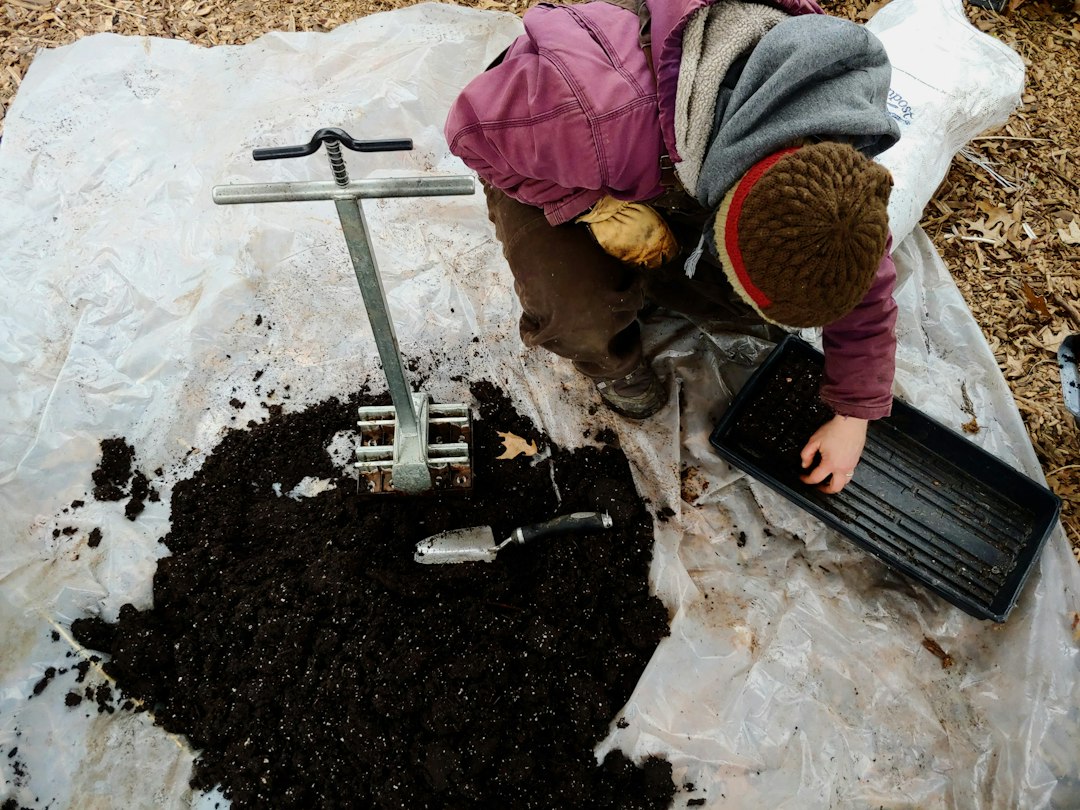
There is something genuinely magical about handing a child a dry, earthy bulb, asking them to drop it in the soil, and watching their face three months later when a flower pushes through. Children's engagement in gardening is linked to a host of developmental, emotional, social, mental health, and academic benefits, and bulbs make the very best starting point. Unlike seeds, which can be fiddly and easy to lose, bulbs are chunky, satisfying, and almost impossible to get wrong. The flower is already tucked away inside the bulb, so success is practically assured, and that guaranteed reward is exactly what keeps young gardeners hooked.
In Hungary and across Europe, autumn and spring offer perfect windows for planting bulbs that will reward children with bright, bold blooms. Whether you have a rambling garden outside Budapest or a single pot on a flat balcony, every child can have their own patch of wonder. Below are six brilliant bulbs to get started with, chosen for speed, visual impact, and pure child-friendly joy.
Key Takeaways
-
Bulbs are beginner-proof: Bulbs are big enough for small children to handle easily, making them far more accessible for young hands than tiny seeds.
-
Speed matters for children: Sunflower seeds germinate in 7 to 14 days, giving children fast visible results, so choose fast varieties to maintain enthusiasm.
-
Non-toxic choices first: The best flower bulbs for children to plant include Muscari (Grape Hyacinth), Crocosmia, and Alliums because they are non-toxic, making them the safest selections for curious young gardeners.
-
Containers work anywhere: You can plant bulbs straight into a garden bed or grow them in containers, which are perfect if you do not have a lot of outdoor space, making bulb planting ideal for all families and school gardens.
-
Gardening builds wellbeing: Gardening provides children with feelings of mastery and empowerment, as well as quiet time for reflection and increased confidence and self-esteem, a wonderful side effect of simply planting a bulb.
Quick-Start Prioritisation Framework
Use this table to choose the right bulb based on your child's age, your available space, and when you want to see results.
| Bulb | Best For | Effort Level | Time to Results |
|---|---|---|---|
| Crocus | Very young children, tiny spaces | Very low | Early spring after autumn planting |
| Muscari (Grape Hyacinth) | Small pots, balconies | Very low | Early spring after autumn planting |
| Tulip | Colour lovers, cut flowers | Low | Spring after autumn planting |
| Daffodil | Beginners, long-lived displays | Low | Spring, returns yearly |
| Hyacinth | Indoors and out, sensory interest | Low | Winter indoors, spring outdoors |
Start here if you are:
-
New to gardening with children: Crocus or Muscari, tiny bulbs, massive reward, almost zero effort.
-
Growing in pots only: Hyacinth or Dwarf Tulip, both perform brilliantly in containers on a balcony or windowsill.
-
Wanting the fastest wow factor: Sunflower; it grows so fast children can measure it daily with a ruler.
-
Planning a permanent patch: Daffodil, plant once and enjoy them returning every spring for years.
Bulb 1: Crocus, The First Sign of Spring
Native to Eastern Europe, crocuses are easy to grow spring bulbs and are well-suited to growing in pots and naturalising in grass. They are one of the most child-friendly choices on this list because the corms (the technical term for their rounded underground structure) are small, light, and very easy to handle with small fingers.
Why Children Love Them
Crocus can flower any time from late winter to early spring and they appear very quickly, one day there will be no sign of growth and the next day you may discover them in bloom! That element of magical surprise is deeply exciting for children. In Hungary, crocuses often push through as early as February or March, making them among the first flowers a child will see after a long winter.
How to Grow Them
Plant corms in autumn, ideally from September through November, before the ground freezes. Choose a spot with full sun to light shade. Plant corms 8 to 10 cm deep and 8 to 10 cm apart with the pointed end up. A handful of corms placed in a terracotta pot is all that is needed. Crocus flowers require minimal care, grow back stronger year after year, and present some of springtime's earliest, loveliest blooms.
Pro Tip: Plant a mix of purple, white, and yellow crocus corms for a multicolour spring display. Let children arrange them as they please, there is no wrong pattern, and it gives them a genuine sense of ownership over the result.
Bulb 2: Muscari (Grape Hyacinth), The Vivid Blue Carpet
Muscari, commonly known as grape hyacinth Hyacinth, are so winter-hardy and easy to grow that no garden should be without them. For children, their greatest quality is visual impact: planted in clusters, they create a vivid river of cobalt blue that looks genuinely spectacular. Grape hyacinth is a mid-spring blooming, perennial bulb native to south-eastern Europe, making it perfectly adapted to Hungarian and broader European conditions.
Why Children Love Them
The name alone is wonderful. Grape Hyacinth? Children immediately want to know why they are called that, and the answer (the tiny flowers do look just like a bunch of miniature grapes) delights them. Muscari blooms in mid-spring with cheery spikes of flowers that often last for a full month, giving children a long window to enjoy, photograph, and show off their work.
How to Grow Them
They are happy growing in sun to almost full shade, in soil that has been amended with compost or not. They only need to be planted about 8 cm deep and 5 to 8 cm apart, making them quick and easy to plant. Plant them in autumn alongside tulips for a stunning paired display. Muscari is one of the easiest bulbs for big spring impact in a small space.

Bulb 3: Tulips, The Iconic Spring Showstoppers
The beautiful flowers of tulip bulbs come in almost every colour imaginable, from pale pastels to hot, vibrant shades, which makes them irresistible for children who want to choose their own colours and make their own garden decisions. Most tulips are relatively easy to grow, making them a fantastic choice for both beginner and seasoned gardeners.
Why Children Love Them
Colour choice is the big draw. A child picking their first tulip bulbs from a catalogue or garden centre feels like a proper gardener making real decisions. One advantage of tulip bulbs is their size. Individual bulbs are fairly big, which can make planting bulbs easier than sowing small seeds, particularly for children with smaller hands.
How to Grow Them
The best time to plant tulips is in October and November before the hard frosts. Plant them in a sunny spot with good drainage. Plant each bulb at three times the height of the bulb deep. Leave about 10 to 15 cm between bulbs so that they do not compete for soil nutrients. For containers, the RHS growing guide recommends around 12 bulbs for a 45 cm wide pot.
A practical tip from experience: plant the pointy end upward, a task children can learn and remember. If a bulb goes in sideways, it will usually still flower, but teaching the rule gives children a sense of craft and mastery.
Bulb 4: Daffodils, The Reliable Returnees
Daffodils, also known by their botanical name narcissus, are easy and reliable spring-flowering bulbs. Of all the bulbs on this list, daffodils are the most forgiving. They will grow in sun or partial shade, tolerate a wide range of soils, and return every year without being lifted or replanted. Daffodil bulbs are exceptionally easy to grow with minimal maintenance, and they will return year after year, multiplying and creating an even more magnificent display over time.
Why Children Love Them
Daffodils deliver an early spring celebration that a child who planted bulbs the previous autumn will remember planting. The wait from October to March becomes a lesson in patience and delayed gratification, two genuinely valuable life skills. Daffodils are often some of the most affordable bulbs to purchase, and they will come back year after year, making them a great addition to any garden.
How to Grow Them
Plant bulbs in early autumn, ideally in September. Bulbs are quick and easy to plant, just set them at the correct depth in the ground, equivalent to three times the bulb's height. A handful of miniature varieties like 'Tête-à-Tête' are especially suitable for children's pots, staying compact at around 15 cm tall. Note that daffodil bulbs are toxic if ingested, so supervise young children during planting and encourage hand-washing afterwards.

Bulb 5: Hyacinths, The Scented Sensory Experience
Hyacinths are fragrant easy-to-grow spring bulbs that flower in a range of colours, from traditional purple and pink to white and even mauve. What sets them apart from every other bulb on this list is the extraordinary fragrance, rich, sweet, and powerful enough to fill a room. For children, growing something that smells wonderful is a completely different kind of excitement.
Why Children Love Them
Hyacinths make for a fun project for children, and they are very easy to force indoors, grown from a shallow dish of soil or clustered in a pot with other spring bulbs. You can even grow them in a glass of water, children can watch the white roots develop beneath the surface, which is fascinating in its own right. Hyacinth bulbs are suitable for indoor planting, and they are particularly good for children as the bloom time is just 4 to 6 weeks.
How to Grow Them
Like other spring-flowering bulbs most hyacinths should be planted in autumn, between September and early November. They will flower the following spring, in March and April. For an indoor winter project, look for 'prepared' bulbs at your local garden centre, these have already received their required cold treatment and will bloom around Christmas if planted in September. Always handle hyacinth bulbs with gloves, as the outer skin can irritate sensitive skin.
Pro Tip: Grow a hyacinth bulb in a dedicated glass hyacinth vase (available from Holland Kertészet and other garden suppliers). No soil is needed, just water. Children can watch roots and then shoots grow right before their eyes, which makes an exceptional science project.
Common Mistakes to Avoid When Gardening with Children
Planting at the Wrong Depth
The single most common error with bulbs is planting too shallowly. A shallowly planted bulb is vulnerable to frost damage and may not flower well. As a rule, plant at three times the bulb's height. Use a ruler to show children the correct depth; it turns a basic task into a mini maths lesson.
Choosing Only One Bulb Type
Planting just one variety means all the flowers arrive at once and then disappear. Mix crocus (February to March), daffodils (March to April), tulips (April to May), and alliums (May to June) to create a rolling display that keeps children interested all spring. Gardeners' World notes that mixing early, mid-season, and late-flowering tulip varieties alone can extend the display by several weeks.
Overwatering After Planting
Where you plant matters as much as how deep you dig. Grape hyacinth and most bulbs want well-drained soil, since soggy ground rots the bulbs over winter. A single good watering after planting is usually sufficient. Children often want to water daily out of enthusiasm, so explain that the bulbs are 'sleeping' and do not need much water until spring.
Skipping the Safety Check
If you have children who tend to put things in their mouths, you may prefer to plant non-toxic flowers whenever possible. Muscari, crocus, and allium are non-toxic choices. Daffodil and hyacinth bulbs are toxic if ingested, so these should be planted with supervision and followed by hand-washing.
Frequently Asked Questions
When is the best time to plant spring bulbs in Hungary?
The best time to plant spring-flowering bulbs is in autumn, once the soil has cooled following summer. October and November provide ideal planting conditions across central Europe before winter sets in. In Hungary's continental climate, October is the sweet spot. Bulbs need those cold winter weeks underground in order to bloom well in spring.
Can children grow bulbs in pots without a garden?
Absolutely. What could be more fun than getting children to help plant flower bulbs in pots and containers and then watch them develop before their very eyes? Crocus, Muscari, miniature daffodils, and compact tulip varieties all grow beautifully in pots on a balcony or windowsill. Use a good-quality potting compost, ensure the pot has drainage holes, and place it somewhere frost does not linger.
How deep should children plant bulbs?
The general rule is to plant a bulb at three times its own height. So a tulip bulb that is 5 cm tall should go 15 cm into the ground. Bulbs are quick and easy to plant, just set them at the correct depth in the ground, equivalent to three times the bulb's height. Show children how to use a ruler or a bulb planter marked with depths to make this easy and fun.
Are all garden bulbs safe for children to handle?
Most common bulbs are safe to touch, though a few, particularly daffodil and hyacinth bulbs, can irritate skin or cause digestive issues if eaten. The best flower bulbs for children to plant are Muscari, Crocosmia, and Alliums because they are non-toxic. For any bulb, encourage children to wash their hands after planting and never put bulbs near their mouths.
How does gardening actually benefit children's development?
Engagement in gardening activities has shown to promote social relationships, family connection, emotional and mental wellbeing, moderate stress, reduce depression and anxiety, and improve cognitive and educational outcomes in children and adolescents. Even planting a single pot of bulbs in autumn and caring for it through winter teaches patience, responsibility, and the quiet joy of watching something grow. Parents and children may bond over planting, creating meaningful family time away from screens and daily distractions.
A Final Word
Bulbs are one of nature's most generous gifts to young gardeners. You plant something that looks like nothing much at all, forget about it through winter, and then one morning in February or March, a small green shoot pushes out of the soil. The delight on a child's face at that moment is worth every muddy wellington boot and every slightly too-shallow planting hole. Start with crocuses and Muscari for instant confidence, add tulips for drama, and let sunflowers be the grand summer finale. If you are looking for quality bulbs suited to European gardens, Holland Kertészet offers a wide selection of spring-flowering bulbs chosen for exactly this kind of shared family gardening. Their spring flowering range includes Muscari, Crocus, and more, chosen because they believe gardening is something we share, and they select seeds and bulbs they would plant in their own garden.
Sources
-
Fast-growing flowers to grow with children, Royal Horticultural Society. Practical guide to bulbs and annuals for children. https://www.rhs.org.uk/garden-inspiration/projects/fast-flowers-to-grow-with-children
-
Gardening with flower bulbs is lots of fun for children, Gardenia.net. Overview of child-friendly bulb varieties. The flower is already tucked away
-
The Best Gardening Bulbs for Kids, Play of the Wild. Non-toxic and edible bulb options for children. https://playofthewild.com/2019/11/27/the-best-gardening-bulbs-for-kids/
-
Planting flowering bulbs with children, The Ladybirds' Adventures. Step-by-step planting guide for families. Planting Bulbs with Children, Royal Horticultural Society. Step-by-step planting guide for families. https://www.rhs.org.uk/education-learning/school-gardening/resources/getting-started/bulb-planting
-
Grow Sunflowers with Children, Garden UK. Costs, timelines, and age-appropriate tasks. https://gardenuk.co.uk/growing/grow-sunflowers-children-uk/
-
How to grow sunflowers with children, NurtureStore. Benefits and lifecycle of sunflower growing. https://nurturestore.co.uk/how-to-grow-sunflowers-with-children/
-
Muscari (Grape Hyacinth), Gardenia.net. Growing guide for Muscari armeniacum. Muscari, commonly known as grape hyacinth
-
How to grow tulips, Royal Horticultural Society. Comprehensive tulip planting guide. https://www.rhs.org.uk/plants/tulip/growing-guide
-
How to grow crocuses, Gardeners' World. Crocus varieties and planting advice for European gardeners. https://www.gardenersworld.com/how-to/grow-plants/how-to-grow-crocuses/
-
How to grow hyacinths, Gardeners' World. Indoor and outdoor hyacinth care. https://www.gardenersworld.com/how-to/how-to-grow-hyacinths/
-
Cultivating wellbeing and mental health through gardening, British Psychological Society. Research on gardening benefits for children. https://www.bps.org.uk/psychologist/cultivating-wellbeing-and-mental-health-through-gardening
-
Exploring the health benefits of home gardens, Springer Link. Peer-reviewed research on family bonding through gardening. https://link.springer.com/article/10.1186/s12982-025-00987-8
-
Research Digest: Gardening, Children and Nature Network. Meta-analysis of gardening benefits for children. https://www.childrenandnature.org/resources/research-digest-gardening/
-
Holland Kertészet, Holland Kertészet / Van Vliet International Kft. Hungarian bulb and seed retailer, Gyömöre, Hungary. https://www.hollandkerteszet.hu/
-
All About Crocus, Longfield Gardens. Planning, planting, and growing crocus in European conditions. https://www.longfield-gardens.com/blogs/all-about-fall-planted-bulbs/all-about-crocus


