

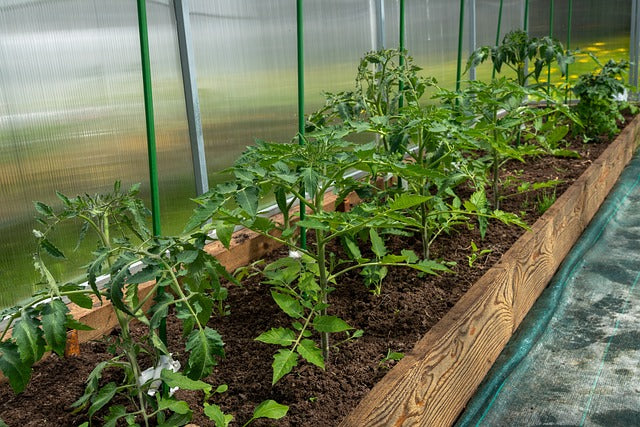
You planted with care, watered consistently, and chose a sunny spot. So why are your tomatoes sulking, your courgettes plateauing, and your peppers barely budging? Every summer, gardeners across Hungary and the wider European continent face the same frustrating situation. The culprit, almost every single time, sits quietly beneath the surface.
The plants in raised bed gardens are entirely dependent on the quality of the soil you provide. And most gardeners unknowingly fill their beds with a mix that works brilliantly in spring, then quietly fails under the heat and demands of a proper growing season. The good news? Once you understand the core mistakes, fixing them is surprisingly straightforward.
Key Takeaways
-
Wrong soil mix stunts roots from day one: Impermeable soil stops tender roots in their tracks, and plants may simply grow to a certain point and then stop. Bad soil literally stunts growth. If your beds are filled with straight garden soil or pure compost, act now.
-
Soil needs annual refreshment, not replacement: One of the biggest misconceptions about raised bed gardening is that you only need to fill the bed once. The truth is, every harvest removes nutrients and organic matter from your raised beds. Topdress with compost each season, not once in a gardening lifetime.
-
Depth matters more than most gardeners realise: According to The Raised Bed Company's depth guide, fruiting vegetables such as tomatoes, peppers, and courgettes need 30 to 45 cm of soil to buffer moisture swings and support heavy top growth through summer.
-
Compaction is the silent summer killer: The compost and organic amendments you mix into your raised bed are constantly being broken down by soil microbes. A bed that was beautifully fluffy in spring can sink several inches by midsummer and become noticeably denser year over year. Loosen the surface regularly and never stand in the bed.
-
pH lockout prevents plants using the nutrients already present: Your soil's pH directly controls which nutrients plants can access. This nutrient lockout explains why plants can show deficiency symptoms even in seemingly rich soil when pH is imbalanced. Target pH 6.0 to 6.8 for most summer vegetables.
Quick-Start Prioritisation Framework
| Situation | Priority Action | Effort Level | Expected Improvement |
|---|---|---|---|
| New raised bed, wrong soil | Replace or blend with correct mix | Medium | Within first season |
| Established bed, compacted | Loosen surface, add compost | Low | Within weeks |
| Pale leaves, slow growth | Soil pH test then amend | Low | 2 to 4 weeks |
| Bed drying out in summer | Add 5 to 8 cm mulch layer | Low | Immediate |
| Depth under 25 cm | Top up soil level with fresh mix | Low to Medium | By next planting |
| No annual refresh done | Topdress with 5 to 7 cm compost | Low | Within one season |
Start here if you are:
-
A first-year raised bed gardener: Focus on getting the soil mix right before anything else, the foundation determines everything that follows.
-
An experienced gardener with declining harvests: Your soil has likely exhausted its nutrients. Run a pH test and topdress with compost before the next planting.
-
A busy home gardener with limited time: Mulch first. A simple 5 to 8 cm layer of straw or wood chips addresses moisture loss, temperature stress, and surface compaction in one move.
The Biggest Mistake: Filling with the Wrong Soil
This is where most problems begin. One of the biggest mistakes gardeners make is assuming that any dirt will work in a raised bed. It feels logical, soil is soil, after all. But raised beds operate differently from the ground. They are contained, isolated from the deeper earth, and they heat up and dry out far faster.
Why Straight Garden Soil Fails
Using garden soil in raised beds can lead to poor drainage and restricted root growth. When ordinary garden soil is contained in a raised bed frame, it is repeatedly watered and compressed until it forms something resembling concrete. Roots hit this dense layer and stop. The plant above the surface may look healthy initially, then hit a wall around midsummer.
Potting soil also often lacks nutrients to sustain a raised bed garden all season. Raised beds function best when filled with organic, nutrient-rich soil from the beginning. Skipping this means starting every season behind.
The Correct Raised Bed Soil Mix
A raised bed on soil or lawn works best with 2 parts topsoil to 1 part compost, and never more compost than topsoil. If you are filling from scratch, aim for 25 to 50 % organic matter by volume. A practical starting point for Hungarian gardeners sourcing materials locally is a blend of:
-
Quality screened topsoil (around 50 %)
-
Mature garden compost or bagged plant-based compost (around 30 %)
-
Coarse sand or perlite for drainage (around 20 %)
Compost improves the water-holding capacity of the soil and helps maintain a balanced pH level, which is especially important for vegetables, many of which thrive in neutral to slightly acidic soils.
Pro Tip: Always source topsoil from a reputable nursery or landscape supplier and check that it smells earthy and dark, not musty or clay-heavy. Topsoil should be dark and crumbly with an earthy smell. Do not purchase soil that is very high in clay, has a funky odour, or feels sticky in texture.
Compaction: The Problem That Builds All Summer
Even a perfectly blended bed at the start of spring can betray you by July. As temperatures soar and solar radiation intensifies, the soil in raised beds heats up far faster than in-ground gardens, accelerating moisture loss. Plants are at their peak growth and fruiting stage, with water and nutrient demands at an all-time high. Any lapse in management can trigger wilting, stunted growth, or even premature decline.
Why Raised Beds Compact So Quickly
The organic matter that makes your soil light and airy is alive. Microbes are constantly digesting it. Research from university extension programmes indicates that compacted soil can reduce root growth by as much as 50 to 70 %, significantly limiting a plant's ability to take up nutrients and water. Therefore, if your plants seem to plateau in growth around midsummer despite regular watering and feeding, test your soil's firmness. If you cannot push a finger 5 cm into the surface easily, compaction is the likely cause.
How to Fix and Prevent Compaction
Most raised bed soil problems come from compaction, poor drainage, nutrient depletion, or uneven moisture. These issues can be fixed with simple adjustments that restore structure, airflow, and fertility so plants can grow strong again.
The practical approach, as Timberlane Gardens' soil problem guide recommends, is to:
-
Never stand or kneel in the bed itself
-
Loosen the top 8 to 10 cm gently with a hand fork every few weeks in summer
-
Add a compost topdressing mid-season to reintroduce organic structure
-
Use paths on every accessible side of the bed to avoid reaching and leaning across

Nutrient Depletion: The Invisible Drain
You water, the sun shines, and heavy feeders like tomatoes and cucumbers get to work. Tomatoes, squash, and cucumbers are heavy feeders that extract enormous quantities of nitrogen, phosphorus, and potassium from your soil over the growing season. By August, what was once rich, dark soil can look pale and resist water properly. This is nutrient depletion, and it affects almost every raised bed that does not receive mid-season care.
The Annual Refresh Rule
Every harvest removes nutrients and organic matter from your raised beds. Over time, soil naturally settles, microbes break down organic material, and even the best soil mix becomes less productive.
The fix is simple and inexpensive. Add 5 to 8 cm of finished compost each spring and fork it lightly into the top of the bed. For an existing bed in its second or third year, a mid-summer liquid feed every two to three weeks once flowering begins keeps hungry plants supplied throughout the critical fruiting window.
Pro Tip: Good compost improves structure feeds soil biology, and provides a slow trickle of nutrients, but the concentrations are too low and too inconsistent to replace what intensive cropping removes. Use compost as the foundation and supplement with a balanced organic granular fertiliser in the upper growing zone each spring.
The team at Holland Kertészet stock a range of compost products and soil nutrient amendments well suited to Hungarian raised bed conditions, a convenient local source for everything from aged compost to worm castings.
Soil Depth and Nutrient Access
Depth is linked directly to how much nutritional reserve your plants can draw on. Fruiting vegetables such as tomatoes, peppers, courgettes, and cucumbers benefit from 30 to 45 cm of depth, which helps buffer moisture swings and supports heavier top growth during the most demanding part of the season.
If you can only build one depth of bed, 30 cm with a good soil mix will grow the majority of popular vegetables well, with the exception of full-length root crops which will need a dedicated deeper bed or a shorter variety. Root crops such as carrots and parsnips need 40 to 60 cm of loose, stone-free soil to produce straight, full-length roots, according to The Garden Patch's raised bed depth guide.
pH: The Lock on Your Nutrient Cabinet
You can have the richest, most organic soil imaginable. If the pH is off, your plants cannot use it. Vegetables grow best in soil between pH 6.0 and 6.8, slightly acidic and squarely in the range where most plant nutrients become available to roots.
What Happens Outside the Ideal Range
Below pH 6.0, iron and manganese become overly available while phosphorus and calcium lock out. Above pH 7.5, iron, manganese, and boron become unavailable even if present in adequate quantities. Most vegetables grow best in a pH range of 6.0 to 7.0, with 6.5 considered the sweet spot for the widest range of crops.
The Allotment and Gardens guide to soil pH preferences confirms that carrots, tomatoes, summer squash, and pumpkins all share a preferred range of 6.0 to 6.8, a helpful reminder that a single, well-managed pH target suits most summer beds.
Testing and Adjusting pH in Practice
A simple pH test from any garden centre, or a professional soil test sent to a lab, gives you the information needed. Before you amend your soil for the first time and about every couple of seasons, a soil test helps determine pH levels and deficiencies, guiding your amendment choices.
-
To raise pH (acid soil): add horticultural lime, worked in at least two weeks before planting
-
To lower pH (alkaline soil): incorporate sulphur or composted pine bark gradually over successive seasons
Pro Tip: Annual topdressing with good quality compost naturally buffers pH over time, keeping most beds in the 6.0 to 7.0 range without chemical intervention. This is the simplest long-term approach for most home gardeners.
Summer Moisture: Keeping the Soil Alive Through the Heat
Because raised beds drain efficiently, they can lose moisture more quickly during hot summer weather, making mulch and consistent watering especially important. This is not a flaw, raised beds drain better than ground-level plots by design. But in summer, that advantage becomes a vulnerability without management.
Mulch: The Most Underused Tool
One of the primary benefits of mulch is its ability to conserve moisture, which offsets the rapid drainage that occurs in raised beds during the summer.
A 5 to 8 cm layer of straw, shredded leaves, or wood chips placed around your plants after the soil has warmed in late spring:
-
Reduces surface evaporation significantly
-
Keeps soil temperature more stable during afternoon peaks
-
Suppresses weeds that compete for water and nutrients
-
Feeds soil biology as it gradually breaks down
Light-coloured natural mulches moderate soil temperatures even in the hottest summer, reducing plant stress, according to Rutgers University's guide to mulches for vegetable gardens. Therefore, apply straw or shredded leaves after the soil has fully warmed in late May or early June, and replenish as needed through August.

Common Mistakes That Compound the Problem
Even experienced gardeners repeat a handful of errors that stack on top of the core soil issue.
Overcrowding Plants
Plants in a raised bed compete for nutrients, water, and sunlight, which can become limited if the bed is overcrowded. Too many plants in a single bed can lead to stunted growth as there is not enough to go around and some, if not all, plantings will struggle.
Skipping Crop Rotation
Planting the same plants in the same raised bed year after year can deplete soil nutrients and lead to repeat pest problems. Rotate your plant families annually and your soil will thank you with improved yields.
Never Refreshing the Soil
Most garden vegetable plants like tomatoes and peppers are classified as heavy feeders and can deplete the soil's nutritional content in one single growing season. Treating your raised bed as a set-and-forget system is the clearest path to disappointing harvests by year two or three.
Frequently Asked Questions
What is the best soil mix for a raised bed vegetable garden in Europe?
For a raised bed on soil or lawn 2 parts topsoil to 1 part compost is the most reliable starting mix, with the University of Maryland Extension recommending never using more compost than topsoil. In Hungary and Central Europe, sourcing screened topsoil locally and blending it with mature plant-based compost and a small percentage of coarse sand or perlite gives excellent results for summer vegetables.
How often should I refresh the soil in my raised bed?
For most raised beds, adding one to two inches (roughly 5 cm) of finished compost each year is enough to keep soil healthy. Established beds in their third year and beyond may benefit from a liquid feed programme through the growing season in addition to the annual spring topdressing.
Why are my raised bed vegetables wilting even though I water every day?
Wilting in raised beds is often caused by soil drying out too quickly, not a lack of watering. The most practical fix is to apply a 5 to 8 cm mulch layer to reduce surface evaporation and check whether the soil feels genuinely moist 5 to 10 cm below the surface before watering again.
How deep should my raised bed be for summer vegetables?
For most gardens, a raised bed with 30 to 45 cm of usable soil depth is a strong all-round choice. Root crops such as carrots need at least 40 cm of loose, stone-free soil. If your bed sits on a hard surface such as concrete or paving, aim for a minimum of 45 cm.
What soil pH should I target for a mixed summer vegetable bed?
If you are growing a mixed vegetable bed, target pH 6.5 as a safe middle ground. Test your soil every two to three seasons and adjust with lime (to raise pH) or sulphur (to lower pH) based on test results, rather than guessing.
Final Thought
Raised beds are one of the most rewarding ways to grow food. The control they give you over soil quality is genuinely a superpower, but only when you use it. In my experience, the gardeners who get the best summer harvests are the ones who treat their soil as a living system to maintain, not a one-time purchase to forget. Check your mix, refresh it every spring, mulch in early summer, and test your pH every few years. Those four habits, done consistently, will transform what your raised beds produce.
The Holland Kertészet range of soil amendments, compost, and growing media is a useful starting point if you are ready to build or refresh a bed this season. Happy growing.
Sources
-
Growing Vegetables in Raised Beds, University of Maryland Extension. Organic matter recommendations and soil mix ratios for raised beds. https://extension.umd.edu/resource/growing-vegetables-raised-beds
-
Raised Bed Soil Depth Guide, The Raised Bed Company (UK). Depth recommendations by vegetable type in metric measurements. https://theraisedbedcompany.co.uk/how-deep-should-a-raised-bed-be/
-
Raised Bed Depth for Vegetables, The Garden Patch (UK). Depth guide by crop type including root vegetables. https://www.greengaffer.co.uk/raised-garden-beds/raised-garden-bed-depth-for-vegetables/
-
Raised Bed Soil Problems and Fixes, Timberlane Gardens. Practical guidance on compaction, drainage, and nutrient depletion. https://www.timberlanegardens.com/pages/raised-bed-soil-problems-and-fixes
-
Why Is My Raised Garden Bed Soil Compacting?, Anleolife. Compaction research and root growth impact data. https://www.anleolife.com/blogs/news/why-is-my-raised-garden-bed-soil-compacting-how-to-fix-it
-
Signs Your Raised Bed Soil Needs More Compost, Vego Garden. Annual nutrient refresh guidance. https://www.vegogarden.com/blogs/academy/signs-your-raised-bed-soil-needs-more-compost
-
Ideal Soil pH Range for Vegetable Gardens, Backyard Superstar. pH preferences by crop type. https://backyardsuperstar.com/2026/05/25/ideal-soil-ph-range-for-vegetable-garden/
-
Soil pH Preferences for Common Vegetables, Allotment and Gardens (UK/Europe). Crop-specific pH targets for European vegetable gardeners. https://www.allotment-garden.org/composts-fertilisers/soil-ph-effect-garden/soil-ph-preferences-for-common-vegetables/
-
Summer Raised Bed Care Guide, Vego Garden. Mulching, moisture management, and summer heat guidance. https://www.vegogarden.com/blogs/academy/raised-garden-bed-summer-maintenance-guide
-
Mulches for Vegetable Gardens, Rutgers University Extension (NJAES). Scientific guidance on mulch types and soil temperature effects. https://njaes.rutgers.edu/fs058/
-
Best Soil Mix for Vegetable Gardens, Homegrown Garden. Soil ratios referencing University of Maryland Extension data. https://homegrown-garden.com/blogs/blog/best-soil-mix-for-vegetable-garden
-
7 Reasons Your Raised Bed Vegetables Are Struggling, Family Handyman. Common raised bed problems and solutions. https://www.familyhandyman.com/list/why-raised-bed-vegetables-are-struggling/
-
Your Raised Bed Soil Is Slowly Starving, Smart Veggie Garden. Nutrient depletion, compost limitations, and feeding schedules. https://www.smartveggiegarden.com/blog/your-raised-bed-soil-is-slowly-starving-and-compost-alone-wont-fix-it
-
How to Restore Soil After Summer Harvest, Reencle. Compaction causes, nutrient extraction by heavy feeders. https://reencle.co/blogs/news/soil-restoration-after-summer-harvest
-
Holland Kertészet, Soil amendments, compost, and raised bed growing media for Hungarian gardeners. https://www.hollandkerteszet.hu/


