


Every gardener who has watched a freshly purchased rose wither within its first season knows the frustration well. The plant looked healthy in the photograph, the description promised vigour, and yet something went wrong between the click and the garden bed. Hungary's landscape spans three main planting zones, 6b, 7a, and 7b, meaning that not every rose sold online is suited to your specific corner of the country. Buy the wrong variety, or buy from the wrong source, and you are simply purchasing disappointment.
The good news is that Hungarian gardens are genuinely well-suited to growing exceptional roses. Hungary's climate is predominantly continental, with Mediterranean influences in the south, and this unique combination creates a diverse growing environment that supports a wide range of ornamental plants. The challenge is knowing exactly what to look for, and where to find it, before you spend a single forint.
Key Takeaways
-
Match variety to climate zone: Based on the USDA Hardiness Zone Map, Hungary ranges from Zone 6a to Zone 8a, so always confirm a variety's hardiness rating before purchasing. If a rose is not rated to at least Zone 6, it will struggle through a Hungarian winter.
-
Soil pH is non-negotiable: Roses need a soil pH of between 6 and 7 for healthy growth, with around 6.5 considered ideal. Soils that are too acidic or too alkaline affect the roses' ability to absorb nutrients, resulting in stunted growth, poor health, and possibly death. Test your soil before planting, not after.
-
Sunlight determines success: Sunlight is the most critical factor for rose growth and blooming. Identify a spot that receives at least 6-7 hours of direct sunlight daily before placing an order. Commit to this and half your problems disappear.
-
Delbard roses are a strong choice for Central Europe: Delbard is synonymous with rose perfection. Their roses are elegant, with exceptional perfume, vigorous growth, a bushy habit, lush green foliage, and are hardy and disease-resistant, qualities that translate beautifully to Hungary's continental conditions.
-
Source matters as much as variety: Beginning rose gardeners should not buy cheaply bagged roses. Many have severely cut-back or damaged root systems, and many are misnamed, meaning you will not get the blooms shown on the tag. Buy from a specialist.
Quick-Start Prioritisation Framework
| Strategy | Best For | Effort Level | Time to Results |
|---|---|---|---|
| Container roses from a specialist nursery | Beginners, immediate impact | Low | Weeks |
| Bare-root Delbard varieties ordered online | Experienced gardeners, budget-conscious | Medium | 1 growing season |
| Soil pH amendment before planting | All gardeners with heavy or sandy soil | Medium | 4-6 weeks prep |
| Selecting disease-resistant varieties | Gardens with shade or high humidity | Low | Ongoing |
| Mulching and winter protection | Northern Hungary, Zone 6b areas | Low | Before first frost |
Start here if you are:
-
A first-time rose buyer: Choose a container-grown, disease-resistant variety from a trusted specialist such as Holland Kertészet and plant it in a well-drained, sunny spot.
-
An experienced gardener: Order bare-root Delbard roses in autumn for the widest selection and the best value, then prepare your soil over winter.
-
Working with a shaded or north-facing garden: Prioritise modern shrub varieties with proven disease resistance before worrying about fragrance or colour.
Understanding Hungary's Rose-Growing Conditions
The Climate Advantage You Already Have
Hungary's varied conditions allow for a substantial growing season of approximately 180-200 days in most of the country, enabling cultivators to explore a wide range of planting options. This is genuinely encouraging. A growing season of that length gives roses time to establish, reflush, and harden off properly before winter.
However, the continental climate also has its sharp edges. Hungary's landlocked position can lead to significant temperature fluctuations, and late spring frosts as well as summer heat waves can pose risks to sensitive crops. This is precisely why variety selection matters so much. A French garden rose bred for mild Atlantic conditions may not survive a late frost in Miskolc or a baking July on the Great Plain.
According to David Austin Roses' regional care guide, roses are incredibly versatile plants and can grow in varying climates, but knowing the ideal climate for your chosen rose helps your plants thrive. Most roses prefer warm climates, though many are extremely adaptable and can handle extreme temperatures when cared for correctly. The key phrase there is "when cared for correctly", and in Hungary, correct care starts with correct variety choice.
Soil Conditions Across Hungary
While the Great Hungarian Plain boasts rich, loess-based soils, other regions may have less fertile or more challenging soil types. If you garden in Transdanubia or the northern highlands, your soil may be more acidic or clay-heavy, requiring amendment before roses will perform.
Gardener Report's rose soil guide confirms that a pH of 6-7 is perfect for rose planting. If you have tested your garden soil and it is either too alkaline (pH 7.5 or above) or too acidic (pH 6 or lower), you will need to amend it before planting. Therefore: test your soil before you spend money on plants. A simple kit from any garden centre costs very little compared with replacing dead roses the following spring.
Pro Tip: Dig your planting hole, take a soil sample from 30cm depth, and test it before your roses arrive. Garden soil with regular applications of mulch will tend to sit in the pH range of 6-7, because most organic material when decomposed is either slightly acidic or pH neutral, so if you have been mulching for years, you are probably already in good shape.
A Proper Introduction to Delbard Roses
The French House That Changed Rose Breeding
If you are going to buy rose plants in Hungary, it is worth knowing about one of the most celebrated rose breeders in the world. In 1935, Georges Delbard opened his first store on the banks of the River Seine, and the name and reputation of Delbard quickly spread across the globe. What began as a single flower shop in Paris became a horticultural dynasty spanning more than 90 years.
By 1958, the first Delbard research laboratory was opened with scientists and breeders working to understand the mysteries of rose culture, stronger flowers, greater scent, and crucially, disease resistance. Since the 1930s, over 250 new varieties have been bred by the Delbard family, and each introduction is treated like the baptism of a child, being presented to the world.
All Delbard roses are possessed of a wonderful perfume, and many are award winners at trials throughout Europe. That European trial record is particularly relevant for Hungarian gardeners, roses tested in European continental conditions are far more likely to perform well in your garden than varieties developed for British or Californian climates.

The Painters Collection: Living Works of Art
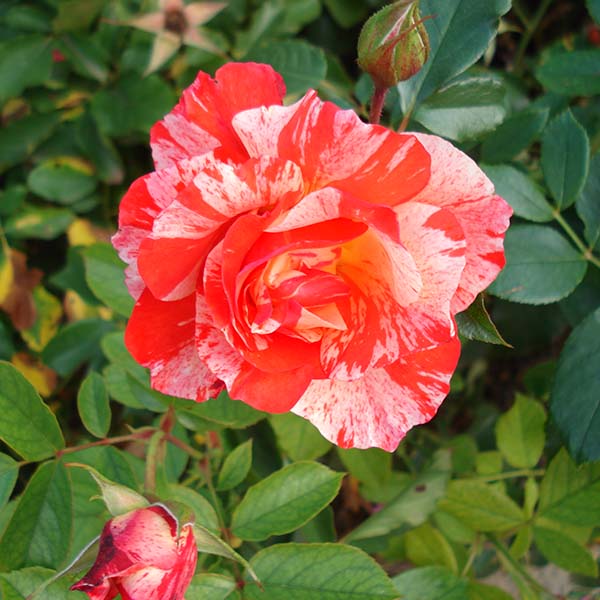
One of Delbard's most remarkable achievements is their Painters Collection. Henri Delbard created a new range of roses that appear as if an artist had brushed the petals and hand-painted them, blending them in swirls of different colours. He called the roses 'The Painters Collection' to honour the great French Impressionist artists.
The Painters Collection is a celebrated series of roses bred by Delbard in France, inspired by some of the world's greatest artists. Each variety is characterised by unique striped or blended colouring, with no two blooms ever quite the same, like brushstrokes on a canvas. These roses bring movement, personality and artistic expression into the garden.
The collection includes varieties named after Claude Monet, Maurice Utrillo, Henri Matisse, Camille Pissarro, Paul Cézanne, and Edgar Degas, among others. The Claude Monet rose is disease resistant and a profuse bloomer. The hotter the weather in summer, the deeper the bloom colour, and it will maintain its unique stripes. Claude Monet is a Hybrid Tea with a mild fruity vanilla scent, perfectly formed, flowering continuously all season to approximately 1 metre tall in vivid pinks, reds and magenta.
The Maurice Utrillo variety features vividly splashed and streaked double blooms in a kaleidoscope of white, yellow, pink, and red. Each flower is unique, no two are ever exactly alike, giving the impression of living, ever-changing art in the garden. In a Hungarian summer, that display runs from late spring well into autumn.
Pro Tip: If you are new to Delbard roses, start with the Maurice Utrillo or Claude Monet varieties. Beyond its remarkable colour palette, Maurice Utrillo is celebrated for its performance. The plant is hardy, with excellent disease resistance and strong healthy dark green foliage, and it flowers generously and repeatedly from spring through to late autumn.
The Grand Parfum and French Rose Collections
Beyond the Painters series, Delbard produces two further celebrated collections. The Grand Parfum Collection focuses on exceptional fragrance, roses whose scent alone justifies their place in any garden. Varieties such as Parfum de Paris and Madame Delbard produce intensely fragrant blooms in soft pink tones with outstanding vigour. Delbard roses are elegant, with exceptional perfume and vigorous growth, a bushy habit, lush green foliage, and are hardy and disease-resistant, a combination that suits the demands of the Hungarian growing season well.
Holland Kertészet stocks a curated selection of Delbard varieties suited to Hungarian conditions, including roses from all three major collections. In my experience, buying from a specialist who has pre-selected for local climates removes a great deal of the guesswork.
How to Buy Rose Plants Online Without Mistakes
Bare Root vs. Container: Making the Right Call
When you set out to buy plants online, the first decision you face is whether to order bare-root or container-grown plants. Both have their place. Container-grown plants typically experience less transplant shock since their roots stay intact, and they often look more mature at planting. However, they do cost more due to the added weight and care involved in shipping.
Bare-root roses, on the other hand, offer real advantages for the informed buyer. Bare-root plants tend to have robust, healthy root systems. Since they are grown in natural soil, their roots can spread out and form beneficial relationships with bacteria and fungi, leading to resilient plants that can rival or even outgrow their container-grown counterparts.
As Fine Gardening's four-way rose buying guide notes, bare-root plants have the advantage of being much cheaper to ship when it comes to mail order because there is no soil to add weight. That saving is often passed on to the buyer. Therefore: if you are ordering multiple roses and have the preparation time to plant promptly, bare-root is typically the better value.
Pros (bare-root):
-
Lower purchase price
-
Wider variety selection
-
Less transplant shock on establishment
-
Stronger long-term root development
Cons (bare-root):
-
Must be planted promptly after arrival
-
Available in a narrow seasonal window
-
Requires more careful post-arrival handling
Pros (container-grown):
-
Can be planted any time during the growing season
-
Visible foliage and sometimes blooms at point of purchase
-
Less demanding in the first few weeks after planting
Cons (container-grown):
-
Higher shipping cost
-
Risk of circling roots if pot-bound
-
Heavier to handle
What to Look For When Buying Online
The canes should be thick and healthy in appearance. Look for healthy, robust leaves that are free of disease and insects. The rose bush should have good shape and be properly pruned. When buying online, this means scrutinising nursery photographs carefully and reading customer reviews that comment specifically on plant condition on arrival.
It is always important to buy landscape plants from a reputable source. When a nursery or grower puts a lot of effort into the care of plants, you end up with healthier, hardier, and more vital plants. Therefore: choose a specialist nursery with horticultural expertise over a generic marketplace seller, every time. Holland Kertészet is a strong example of a specialist Hungarian supplier where the sourcing is done with local conditions in mind.
Pro Tip: Online-ordered roses often travel long distances, experiencing changes in temperature and moisture. These conditions make them vulnerable to fungal infections. Treating the plant immediately upon arrival reduces the risk of root rot, dieback, and black spot disease. Have your soil prepared, your planting hole ready, and your watering can filled before your delivery arrives.
Planting Roses for Long-Term Success in Hungary
Timing and Preparation
Roses are best planted in spring after the last frost, or in autumn at least six weeks before your average first frost. Planting early enough in autumn gives the roots enough time to establish before the plants go dormant over winter. In Hungary, this means aiming for late March to early May for spring planting, or late September to mid-October for autumn.
For the best show of flowers and the healthiest plants, rose bushes should receive six to eight hours of sunlight daily. They should also be planted in well-drained soil that is rich in organic matter. If your proposed site falls short on either count, it is worth relocating rather than compensating with extra feeding.
Winter Protection for Hungarian Conditions
Prolonged periods of exceptionally cold weather can be challenging for roses, but some varieties are hardier than others. Plant your rose deeply, with the base of the stems about 5-7cm below ground level. It is a good idea to provide more insulation during the coldest months by creating a mound of wood chips, leaves, or soil around the base of the plant. For Zone 6b areas in northern Hungary, this step is essential rather than optional.
Apply a thicker layer of mulch in autumn to protect roots from freeze-thaw cycles. Remove only dead or severely diseased wood in autumn, heavy pruning is best left to late winter or early spring.

Common Mistakes That Kill Newly Bought Roses
The Three Most Expensive Errors
I have found that most rose failures trace back to three completely avoidable mistakes. First, planting without checking soil pH. If soil pH drops below 6, the roots of roses find it difficult to absorb potassium, phosphorus and nitrogen. Without sufficient quantities of these nutrients, roses will be less equipped to fight off diseases and pests and will display signs of ill health such as stunted growth and yellowed leaves. The solution is to test before you plant, not a month later when the symptoms appear.
Second, overcrowding. Roses need airflow, space, and proper arrangement to thrive. Overcrowding causes poor circulation, fungal infections, and pest infestations. As a rule, allow at least 60cm between bush roses and 90cm between climbing varieties. Third, buying cheap bagged roses from discount outlets. Beginning rose gardeners should not buy cheaply bagged roses. Many of these rose bushes have severely cut-back or damaged root systems and they rarely live up to the photographs on the packaging.
Watering and Feeding Pitfalls
How you water is as important as the frequency. To keep roses healthy, avoid wetting the foliage. Use a soaker hose, watering can with a long spout, or a watering wand pointed directly at the soil. Wet foliage in Hungary's humid summer evenings is an open invitation to black spot and powdery mildew.
On feeding: mix compost or organic matter into the soil at planting, but avoid over-amending with high nitrogen, which encourages foliage at the expense of blooms. A nitrogen-heavy feed in early summer is the single most common cause of lush but flowerless rose bushes.
Frequently Asked Questions
What is the best time of year to buy rose plants in Hungary?
Roses are best planted in spring after the last frost, or in autumn at least six weeks before your average first frost. In Hungary this typically means late March to early May, or September to mid-October. Ordering bare-root roses in early autumn gives you the widest selection from specialist suppliers and allows planting before the ground hardens.
Are Delbard roses suitable for the Hungarian climate?
All Delbard roses are possessed of a wonderful perfume and many are award winners at trials throughout Europe. Their track record in European continental climates, including cold winters and warm summers, makes them an excellent fit for Hungarian gardens. Varieties such as Claude Monet, Maurice Utrillo, and Henri Matisse are particularly well regarded for their hardiness and repeat-flowering performance.
What soil pH do roses need, and how do I adjust it?
Roses need a soil pH of between 6 and 7, with around 6.5 considered ideal. If your soil tests too acidic, add lime. If too alkaline, incorporate composted organic matter and sulphur. Adjusting soil pH is relatively straightforward, but there is no quick fix. You need to give yourself enough time, a few months or more, to adjust soil pH gradually. Once you have consistent test results between pH 6 and 7, the soil is ready to grow roses.
Is it safe to buy rose plants online, and what should I look for?
Buying rose plants online is becoming increasingly popular among gardening enthusiasts and beginners alike. It allows access to rare and premium varieties that may not be available in local nurseries, delivered directly to your doorstep. The key is to buy from a reputable specialist nursery, verify that the variety is suited to your hardiness zone, and prepare your planting site before the delivery arrives. Holland Kertészet is one such specialist source for Hungarian gardeners.
How do I protect roses over a Hungarian winter?
Plant your rose deeply, with the base of the stems about 5-7cm below ground level. During the coldest months, create a mound of wood chips, leaves, or soil around the base of the plant to insulate the root zone. In Zone 6b areas in northern Hungary, adding a rose collar or horticultural fleece around the canes in November provides additional protection against hard freezes. Remove all protection gradually in March when temperatures begin to stabilise.
Final Thought
The decision to buy rose plants is the smallest part of the journey. What determines whether those plants thrive in your garden is the combination of informed variety selection, honest soil assessment, and a reliable source. Delbard roses represent one of the finest options available, with a pedigree of European trial success and the kind of disease resistance that makes gardening genuinely enjoyable rather than anxiously corrective. Visit Holland Kertészet to explore the range available for Hungarian gardens, and plant with the confidence that comes from buying correctly.
Sources
-
Delbard Roses: Best of the Best Collection, Peter Beales Roses. History and heritage of the Delbard family. https://www.peterbealesroses.com/blog/delbard-roses-best-of-the-best-collection/
-
Discover the Exquisite Delbard Painters Collection of Roses, A Rose is a Rose is a Rose. Painters Collection varieties and history. https://aroseisaroseisarose.com/2025/06/25/painters-collection-maurice-ultrillo/
-
Hungary Planting Zones, Planta Greenhouses. Hungary climate, zones and growing season. https://plantagreenhouses.eu/blogs/planting-zones/hungary
-
Hungary Interactive Plant Hardiness Zone Map, PlantMaps. Zone classification for Hungary. Based on the USDA Hardiness Zone
-
Buying Rose Plants Online: 10 Must-Do Preparations, Yoi Identity. Online rose buying guidance. https://yoidentity.com/buying-rose-plants-online/
-
Advice on What to Look For When You Buy Rose Bushes, Gardening Know How. Rose selection and quality indicators. https://www.gardeningknowhow.com/ornamental/flowers/roses/buy-rose-plants.htm
-
Four Ways to Buy Roses, Fine Gardening. Bare-root vs container rose buying. https://www.finegardening.com/article/four-ways-to-buy-roses
-
Rose Buying Guide, Easy Elegance Roses. Quality standards for purchased roses. https://easyeleganceroses.com/resource/rose-buying-guide/
-
pH Level for Roses: What's the Ideal Range?, BAC Fertilizers. Rose soil pH requirements. https://www.bacfertilizers.com/mineral-fertilizer/soil-additives/ph-level-for-roses/
-
Do Roses Like Acidic Soil?, Gardener Report. Soil pH adjustment for roses. https://www.gardenerreport.com/do-roses-like-acidic-soil/
-
Caring for Roses: A Beginner's Guide, Garden Design. Rose planting, watering and care. https://www.gardendesign.com/roses/care.html
-
Rose Care by Climate, David Austin Roses. Regional rose care calendar. https://www.davidaustinroses.com/pages/rose-care-by-region
-
Delbard Rose Maurice Utrillo, Garden Express. Variety description and performance. https://www.gardenexpress.com.au/product/delbard-rose-maurice-utrillo/
-
Painters Collection Delbard Roses, Eumundi Roses. Collection overview and variety details. https://www.eumundiroses.com/collections/painters-collection-delbard-roses
-
Bare Root vs Container Plants, Farm Store. Comparison of planting formats. https://www.farmstore.com/blog/bare-root-vs-container-plants-which-one
-
Planting Roses, New York Botanical Garden Research Guides. Soil preparation and planting technique. https://libguides.nybg.org/plantingroses


