

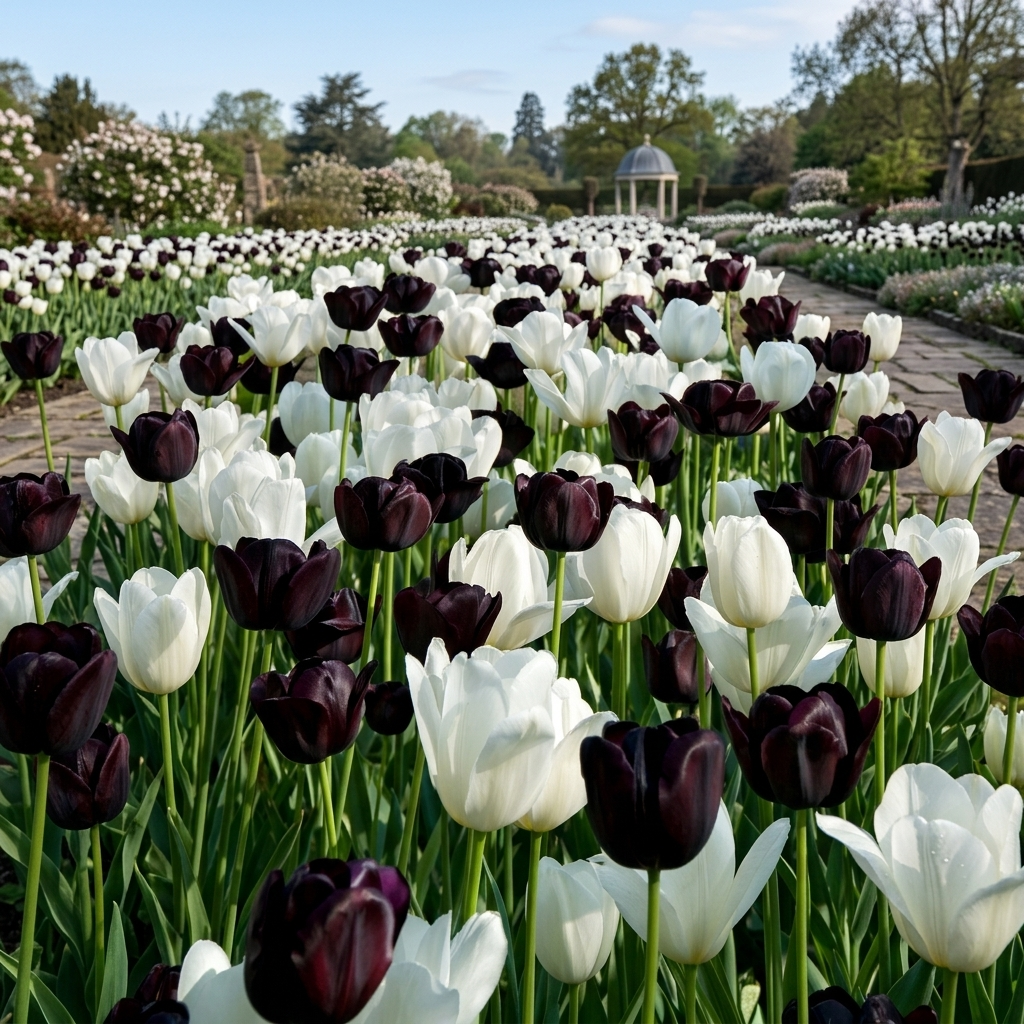
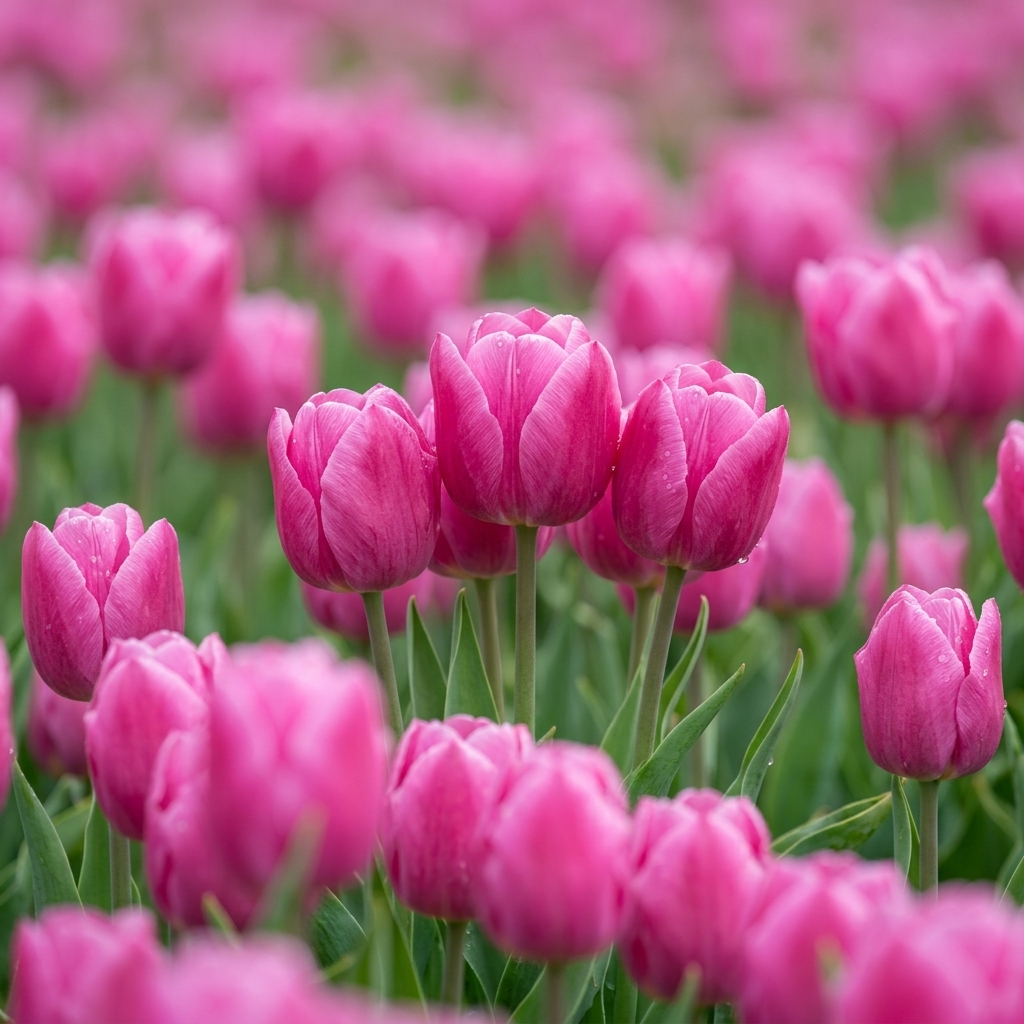
Every autumn, thousands of gardeners stare at a bag of bulbs and ask the same question: how many do I actually need? Plant too few and your spring border looks sparse; plant too many and you waste money, or worse, crowd the bulbs so badly they fail to flower. Getting the number right per square metre is the single biggest difference between a display that stops passers-by in their tracks and one that quietly disappoints.
This guide gives you precise planting densities for five of the most popular spring bulbs, tulips, daffodils (narcissus), muscari (grape hyacinth), and crocus, alongside planting instructions for each. Whether you are filling a small raised bed or planning an ambitious mixed border, the numbers below will save you time, money, and frustration.
Key Takeaways
-
Tulips need 50-70 bulbs per m² for a bold display: It is recommended to plant 60-70 tulip bulbs per m². This is only a guide, so long as the tulip has room for the foliage to grow and the bulbs are not touching, you can fit more in. Treat standard hybrid tulips as annuals and plan to replace them each season.
-
Daffodils want 50-60 bulbs per m² for larger varieties: Allow around 50-60 bulbs per m² for larger varieties, and for the dwarf varieties around 75-100 bulbs per m². Unlike tulips, daffodils multiply year after year, so you can start with fewer and let them fill in.
-
Muscari (grape hyacinth) suits 100-130 bulbs per m²: Flowers like Muscari and Galanthus can be planted closer together than larger bulbs such as tulips and daffodils. Their small footprint means they pack into gaps beautifully.
-
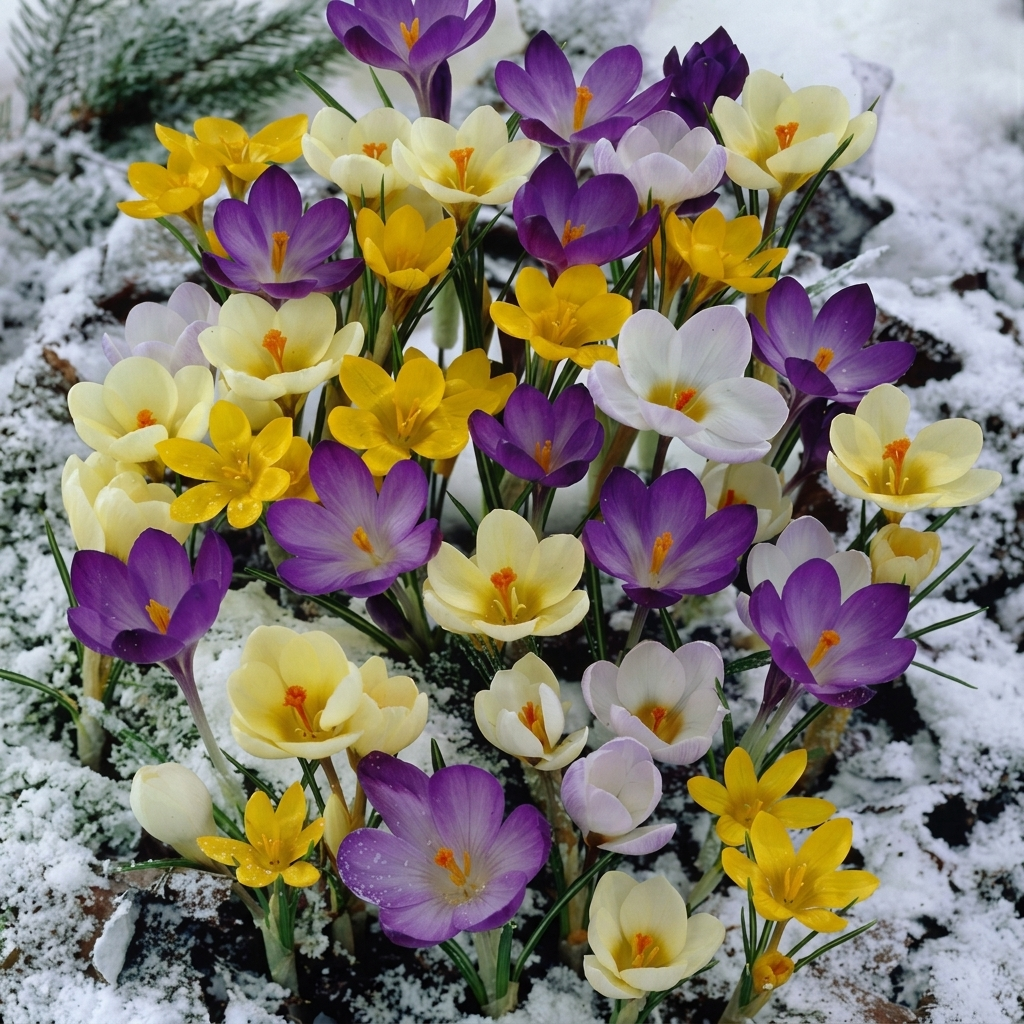
Crocus thrives at 70-100 per m²: Use 70-100 corms per m² they look fantastic when planted in large groups. Dense planting is essential, thin crocus displays look timid rather than cheerful.
-
Spacing drives the maths: For the planting distance, keep three times the width of the bulb. For the planting depth, dig a hole about three times the bulb's height. Memorize this ratio and you will never be confused again.
Quick-Start Prioritisation Framework
| Bulb | Recommended per m² | Planting Depth | Spacing Between Bulbs | Time to Flower | Perennial? |
|---|---|---|---|---|---|
| Tulip | 50-70 (dense: 70) | 15 cm | March-May | Treat as annual | |
| Daffodil | 50-60 (large varieties) | 15 cm | 10-12 cm | February-April | Yes |
| Muscari | 100-130 | 7-8 cm | 5-8 cm | March-April | Yes |
| Crocus | 70-100 | 8-10 cm | 5-8 cm | February-March | Yes |
Start here if you are:
-
A first-time bulb planter: Choose muscari or crocus, both are low-cost, forgiving, and require very little aftercare once in the ground.
-
Planning a formal colour-block display: Tulips at 60-70 per m² in a single variety will give you the bold, uniform effect typical of Dutch-style garden designs.
-
Building a low-maintenance perennial border: Lead with daffodils and crocus, which naturalize freely and multiply without being lifted each year. Daffodils give the best long-term return because daffodils can naturalize and return for decades, whilst many other bulbs decline if left in the soil, making daffodils should thrive and multiply each year.
Tulips: Bold Colour Blocks That Demand a Dense Planting
How many tulip bulbs per m²?
For a good display, it is recommended planting 60-70 bulbs per m². At this density you achieve the kind of seamless colour drift you see at famous bulb gardens across Europe. If you want a slightly more naturalistic look with individual stems visible, 50 bulbs per m² will work. To stop the roots competing and the foliage getting cramped, tulip bulbs will ideally like to be placed 8-10 cm apart for a natural look.
For containers, the rules relax slightly. It is recommended to plant 50-60 providing the pots are nice and deep, you can fit a few more in than recommended to make a powerful impression. Aim for 70-80 per m² in a deep pot, ensuring bulbs never actually touch one another.
Tulip planting instructions
Tulips need to be in cold ground for at least 6 weeks to flower at their best. Plant your bulbs around 15 cm deep and 5-15 cm apart.
Plant anytime from October through to early December. Plant tulips in autumn between September and December. It is better to plant them when the temperature is cooler, so late autumn is better. The soil needs to have cooled before the bulbs go in; planting into warm soil risks premature shoot growth and rotting.
Tulip bulbs can be planted in a sunny position or semi-shade, with well-drained, slightly acidic or neutral soil. Drainage is non-negotiable. It is recommended to plant 50-60 and affect the performance of the flower.
Daffodils: The Reliable Perennial That Rewards Patience
How many daffodil bulbs per m²?
Allow around 50-60 bulbs per m² for larger varieties, and for the dwarf varieties around 75-100 bulbs per m². Daffodils can naturalize and return for decades, you can plant them in the ground or in pots in a sunny or semi-shaded position, spacing them out 5-10 cm apart.
A natural-looking display of perennial bulbs like crocuses, daffodils, winter aconites, camassias or snake's head fritillaries are best planted in irregular clumps leaving bigger gaps between each group. Therefore, if you want a relaxed meadow feel rather than a formal block, you can reduce to 30-40 per m² and let them spread naturally over three to five years.
Daffodil planting instructions
The correct planting depth is essential for strong flowering and bulb health. Large-flowered varieties should be planted at a depth of 15 cm, while dwarf or small-flowered varieties should be planted at a depth of 10 cm.
Plant daffodil bulbs in autumn in moist but well-drained soil in full sun. The best window is September through to November. Daffodils can be planted any time from early autumn to early winter. Plant the bulbs pointy end up in a hole that is about three times the length of the bulb. Space them about 7-10 cm apart. Water well.
Daffodils prefer well-drained soil with a pH of 6.0 to 7.0. Work in some compost or manure to improve drainage and soil structure before planting.
Daffodil aftercare
Narcissi will re-flower year after year if they have been planted at the right depth and as long as their foliage is allowed to die back and go yellow once they have finished flowering. This allows nutrients from the leaves to re-enter the plant.
Dead-head the flowers as soon as they begin to fade to prevent seed production, but leave the foliage to die back naturally at least 6 weeks. Knotting or plaiting the leaves is a common mistake, it cuts off the food supply to the bulb and weakens future flowering.
Daffodil bulbs multiply, in time one bulb will become a clump of bulbs. Dig up and divide the clumps every four to five years. This simple task keeps the display flowering strongly and gives you free bulbs to spread elsewhere in the garden.
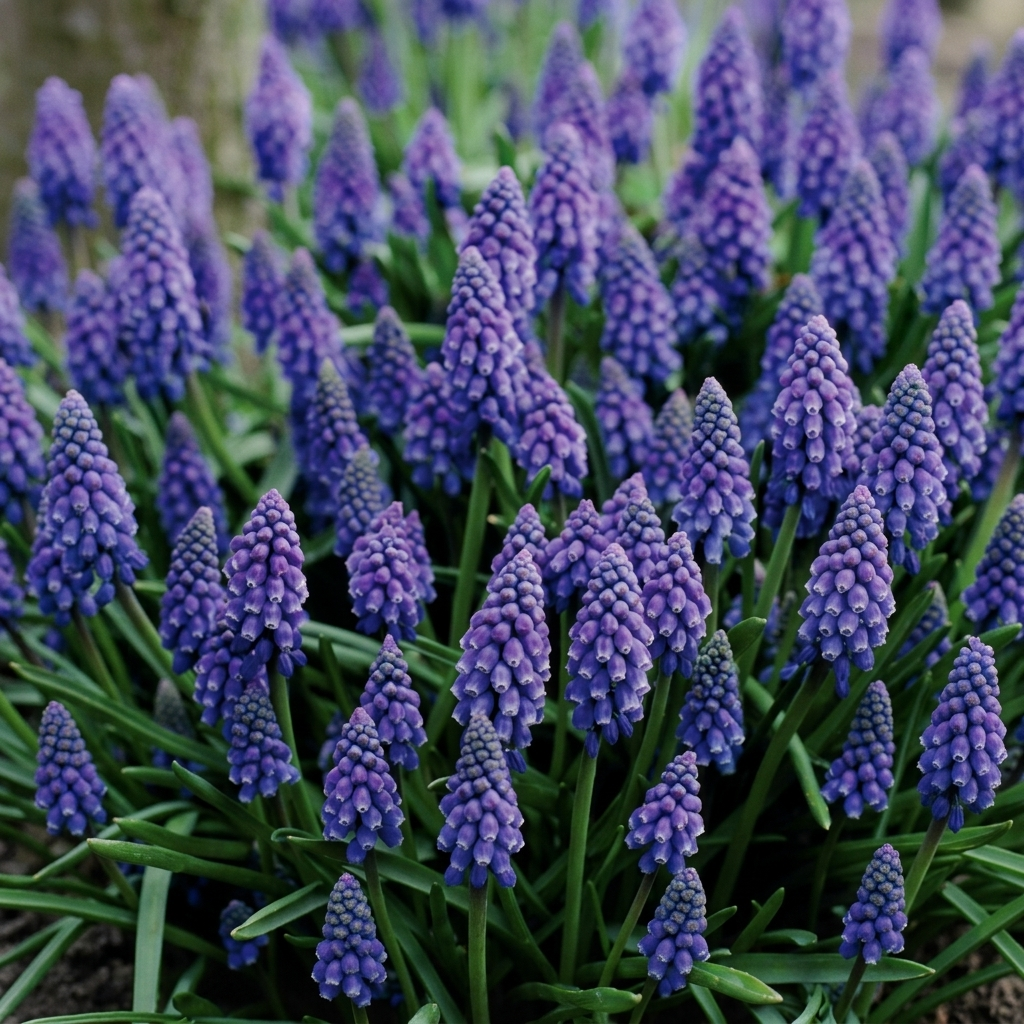
Muscari (Grape Hyacinth): The Blue River Effect for Your Border
How many muscari bulbs per m²?
Muscari are small-bodied bulbs that work best when planted very generously. High Country Gardens' muscari planting guide advises they only need to be planted approximately 7-8 cm deep and 5 - 8 cm apart, making them quick and easy to plant. At a 5-8 cm spacing, that equates to roughly 100-130 bulbs per m². Eden Brothers' grape hyacinth guide recommends about 10 grape hyacinth bulbs per square foot, which converts to approximately 107 per m², sitting right in that same productive range.
It is important to plant lots of bulbs to get a pleasing effect, planting in groups of at least 25 bulbs is recommended. Planting densely also increases the lovely fragrance they share.
Muscari planting instructions
Grape hyacinths prefer full sun or partial shade with average, well-draining, sandy soil holding a pH between 6.0 and 7.0. Dig holes that are approximately 10 cm deep and add a handful or two of compost to each hole. Plant your bulbs with the pointed end facing up approximately 7-8 cm below the soil level. Water well after planting to settle the soil.
Like most spring-flowering bulbs autumn is the prime time for planting muscari. Plant a few weeks before your first expected frost.
Grape hyacinths are small spring bulbs with bright blue flowers. They look good at the front of a border, naturalized in grass, or in shady places such as at the edge of a woodland or under deciduous shrubs.
Muscari aftercare
Grape hyacinths are perennial plants that come back every year and have a tendency to self-seed, so you might find them invasive, if you would rather keep them contained, plant them in containers.
Muscari plants need only moderate watering. In autumn after planting, give them a light drink to help them root in. This is especially important if you have had a particularly dry autumn, to help roots establish.
As soon as the flowers fade, cut them back with scissors, leaving the stems to nourish the bulb. Apply a layer of compost in the autumn. Let them die back naturally.
Dig up the bulbs and separate them if your grape hyacinths begin to get crowded, as this will disrupt flowering. These plants are known to self-seed and spread over time, which is fantastic but needs to be maintained.
Crocus: The Earliest Colour and the Easiest Bulb
How many crocus per m²?
Use 70-100 per m², they look fantastic when planted in large groups. For a solid carpet effect such as a lawn naturalization, Dutch growers for crocus growing guide recommends larger numbers for a stunning effect, 75-100 to every m². At the very generous end, some gardeners go up to 150 per m² for a mass planting in a lawn drift. If you are dotting crocus through a mixed perennial border, 50-70 per m² creates a pretty, natural look without overwhelmingly dense coverage.
Crocus planting instructions
To ensure vibrant blooms, planting crocus bulbs requires attention to timing and soil conditions. Choose a well-draining location receiving ample sunlight. Plant bulbs in autumn, about 5-7 cm deep and 7-10 cm apart, with pointed ends facing upward.
If you plant them too deep they will struggle to break through the surface of the soil. Equally, planting too shallow leaves bulbs exposed to frost and squirrel damage.
The optimal time for planting crocus bulbs is during the autumn season, ideally between late September and early November, before the first frost sets in. This timing allows the bulbs to establish strong roots before the winter chill arrives.
Crocus bulbs are easily grown in average, medium-moisture, well-drained soil in full sun to part shade. They thrive in sandy or gritty soils but perform poorly in heavy clay soils. If necessary, incorporate sand into the planting area to improve soil drainage.
Crocus aftercare
Once planted, crocus require little or no maintenance or upkeep. Crocus bulbs need not be disturbed for some years. In fact, as long as they flower freely, unless an increased stock is desired, they should be left alone.
Once your crocuses finish flowering, allow the foliage to die back naturally before removing it. If your soil drains well, the bulbs can remain in the ground. If drainage is poor, it is best to lift and store the bulbs in a cool, dry place until you replant them in the autumn.
Squirrels are the main culprit when crocus mysteriously disappear; they are known to dig up and nibble on the bulbs. Lay chicken wire flat over the planting area immediately after planting, then remove it in spring once the corms have established.
Common Mistakes That Ruin a Bulb Display
Planting too shallow
The most common error is underestimating depth. Proper spacing will keep the bulbs from competing with each other for water and nutrients, promoting better bloom in subsequent years. Shallow planting also exposes bulbs to frost heave, where freeze-thaw cycles push bulbs towards the surface.
Ignoring drainage
Quality bulbs and well-drained soil are the two most important ingredients to successful flowering bulbs. If water pools on your soil for several hours after rain, add grit, raise the bed, or choose a different location. No amount of careful spacing will compensate for waterlogged roots.
Planting tulips too early in warm soil
It is recommended to plant when the temperature is cooler, soil should be below 15℃ ,so late autumn is better. Planting into warm soil triggers premature root growth that leaves bulbs vulnerable to disease and slug damage before winter properly sets in.
Cutting foliage too early
After flowering, many gardeners tidy away yellowing leaves. Resist the urge. Deadhead plants after flowering and leave the foliage to die down naturally, so the nutrients in the leaves are returned to the bulb, this improves flowering potential the following year.
Suppliers such as Holland Kertészet (www.hollandkerteszet.hu) stock a wide range of premium spring-flowering bulbs and can advise on the correct quantities for your specific bed size, so it is always worth checking with them before ordering in bulk.

Frequently Asked Questions
How do I calculate exactly how many bulbs I need?
Measure the length of the space and multiply this by the width to find out roughly how many m² you need to plant, for example, 3 m x 1.5 m = 4.5 m². Next, multiply your total m² by the number of bulbs recommended for your chosen variety. For example, 4.5 m² of tulips at 60 per m² requires 270 bulbs in total.
Can I mix different bulb types in the same bed?
Yes, and the results can be very spectacular. Where space is limited you can try a lasagne planting technique with larger bulbs planted beneath layers of smaller bulbs. This creates a relaxed, eclectic feel that suits cottage garden borders, with new bulbs popping up as others fade. Plant daffodils deepest, tulips in the middle layer, and crocus or muscari at the shallowest level.
Do I need to feed my spring bulbs?
Not necessarily needed. For organic gardeners, liquid seaweed is an excellent choice. Avoid nitrogen-heavy feeds as these encourage leafy growth at the expense of flowers.
Why are my bulbs producing leaves but no flowers?
Several causes are possible. Daffodils can be planted any time foliage and no flowers are known as blind. This is more common in bulbs that have been in the ground for more than a year. Poor soil lacking in nutrients can also cause blindness. Overcrowding is another key culprit, if bulbs have been in the ground for several years without division, lift and replant them with the correct spacing to restore flowering.
How long do spring bulbs last in the ground?
It depends on the species. With proper care and growing conditions, crocus bulbs can last and bloom reliably for up to five years or even longer. Daffodils can persist for decades when given space to multiply. Tulips perform best when replanted annually, though species tulips, Humilis and Kaufmannia types will naturalise reliably for many seasons.
Sources
-
Gee Tee Bulbs, Tulip Planting Guide. Recommended densities and care instructions for tulip bulbs per m². It is recommended to plant 60-70
-
Peter Nyssen, How to Plant Narcissus and Daffodil Bulbs. Authoritative daffodil and narcissus spacing and depth guide. Allow around 50-60 bulbs per
-
Peter Nyssen, Crocus Planting Guide. Corm density and planting depth recommendations. Use 70-100 corms per square metre
-
High Country Gardens, Growing Muscari. Grape hyacinth spacing, depth, and aftercare instructions. Grape hyacinth spacing, depth, and aftercare instructions. High Country Gardens muscari planting guide.
-
Eden Brothers, Grape Hyacinth (Muscari) Bulb Collection. Bulb density per square foot and growing notes. Bulb density per square foot and growing notes. Easy To Grow Bulbs grape hyacinth collection.
-
BULBi.nl, Planting Instructions. Comprehensive guide to bulb spacing and planting depths across species. https://www.bulbi.nl/en/planting-instructions
-
Gee Tee Bulbs, Daffodil Planting Guide. Best results guide for daffodil bulbs including density recommendations. daffodils can naturalise and return for decades
-
Farmer Gracy, How Many Bulbs Per m² Guide. Comprehensive m²-based bulb quantity reference table. https://www.farmergracy.co.uk/blogs/farmer-gracys-blog/how-many-bulbs-need-per-m2-square-meter
-
BBC Gardeners' World, How to Grow Muscari. Expert growing guide for grape hyacinth bulbs. https://www.gardenersworld.com/how-to/grow-plants/how-to-grow-muscari/
-
Bulbs Direct NZ, Crocus Growing Guide. Density and naturalisation recommendations for crocus corms. Because of their lack of foliage
-
Sarah Raven, How to Plant and Grow Narcissi. Daffodil depth, spacing, and aftercare guidance. Daffodils can be planted any time
-
Horticulture Magazine, Bulb Calculator. General bulb spacing and density reference for large and small bulbs. https://www.hortmag.com/featured/bulb-calculator
-
Gardens Illustrated, How to Grow Narcissi. Expert aftercare and foliage management advice for daffodils. https://www.gardensillustrated.com/plants/bulbs/narcissi-how-to-plant
-
Gardeningknowhow.com, Growing Grape Hyacinths. Muscari spacing, watering, and care information. https://www.gardeningknowhow.com/ornamental/bulbs/grape-hyacinth/planting-and-care-of-grape-hyacinths.htm
-
DutchGrown UK, Crocus Bulb FAQs. Practical crocus planting answers including squirrel protection tips. https://www.dutchgrown.co.uk/pages/crocus-bulbs-questions-answers


