

The Benefits and Uses of Humuforte Lava Meal for Your Garden
Your vegetable patch worked hard all season. The tomatoes, the courgettes, the herbs; they all pulled minerals out of the soil every single day. And when they were done, they left behind ground that is noticeably poorer than it was in spring. This cycle repeats year after year, and the result is soil that is gradually starved of the building blocks that healthy plants desperately need.
Research referenced at the 1992 Earth Summit showed mineral levels declining dramatically over the last 100 years, with a 72% decline in Europe alone. That is a staggering figure, and it is why gardeners and smallholders across Hungary and the rest of Europe are increasingly turning to natural remineralisation solutions. One of the most practical and affordable of those solutions is Humuforte Lava Meal, a certified organic volcanic powder that works quietly in your soil to rebuild what years of growing have taken away. This guide explains exactly what it is, what it does, and how to use it well.
Key Takeaways
-
Lava meal is a natural mineral restorer: Humuforte Lava Meal is a volcanic primordial rock that, as a fertiliser, both lightens the soil and strengthens plants, and it contains key minerals such as silicon and magnesium alongside trace elements that are easily absorbed by the plant. Prioritise it at the start of every growing season, particularly after hungry crops like brassicas or root vegetables.
-
It doubles as a pest and fungal barrier: When you sprinkle lava meal over wet leaves of infected plants, it forms a protective layer against pests such as slugs and lice and repels mould. If you are already seeing fungal pressure on your courgettes or roses, apply it immediately as a foliar dust rather than waiting until next spring.
-
European soils are in decline and need help: Overall soil erosion is estimated at 1 billion tonnes annually across the EU, and approximately a quarter of EU soils are already affected by water erosion. Therefore, actively replenishing your soil with mineral-rich amendments is no longer optional for anyone who wants consistent harvests.
-
It is certified organic and safe to use freely: Lava meal is approved according to European EC Regulation No. 2381/94 concerning organic production methods, which means you can use it on edible crops without any concern about chemical residues.
-
Crop yields can improve significantly with volcanic rock dust: Newcastle University research published in PLOS ONE found that yield was on average 15% higher in plots treated with basalt rock dust, which means if your harvests have been disappointing, this is a practical lever worth pulling.
Quick-Start Prioritisation Framework
| Situation | Best First Action | Effort Level | Time to See Results |
|---|---|---|---|
| Depleted vegetable garden soil | Incorporate 120-200 g/m² before planting | Low | 2-6 weeks |
| Fungal pressure on leaves | Dust leaves with powder sprayer | Low | Days |
| Slug or caterpillar problem | Sprinkle around plant bases and on leaves | Low | Days |
| Heavy clay or compacted soil | Rake 150 g/m² into top 10 cm | Low-Medium | 1-3 months |
| Potted plants or balcony garden | Mix 5-10 g per litre of potting soil | Low | 2-4 weeks |
| Lawn looking thin and tired | Broadcast 200-300 g/m² and water in | Low | 3-6 weeks |
Start here if you are:
-
A beginner gardener: Begin with soil incorporation in spring; it is forgiving, safe, and immediately useful.
-
An organic grower: Use it as both a soil amendment and a foliar spray to reduce chemical inputs across the board.
-
A balcony or container gardener: Mix into potting compost at planting time to give roots a long-term mineral reservoir throughout the season.
What Exactly Is Humuforte Lava Meal?
The Volcanic Origin That Makes It Special
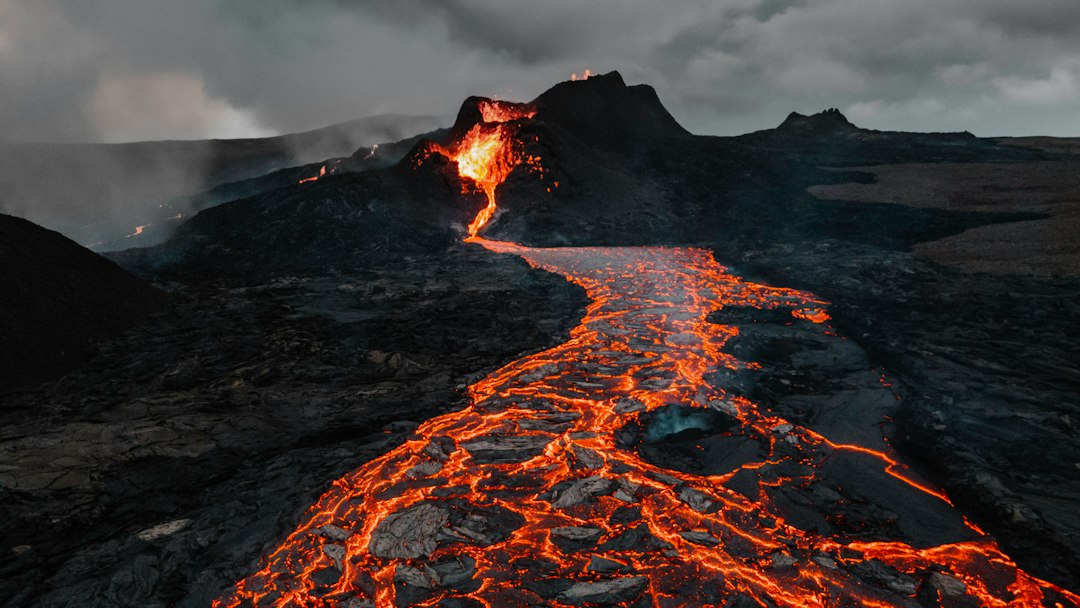
Also called basalt dust, rock flour, or stone powder, volcanic rock dust is ground-up volcanic rock, specifically made from basalt, an igneous rock formed from cooled lava, and it is rich in minerals that plants crave, like calcium, magnesium, iron, and manganese.
For thousands of years, humans have noticed that crops grown near volcanoes tend to flourish, volcanic soils are among the most fertile in the world, because eruptions spread fresh mineral material over the land, rebooting the soil from scratch. Humuforte Lava Meal harnesses this same principle in a convenient powder form, ground finely enough to blend seamlessly into your garden soil or dissolve into water for spraying.
What Is Inside the Powder?
Lava meal is very rich in silicon in an easily absorbable form for plants, silicon increases the resistance of the crop against drought, diseases and pests, and in addition to silicon, it contains 83 other minerals that together improve the fertility and health of your soil.
The chemical breakdown of volcanic rock powder includes significant levels of Silicon Oxide (43%), Calcium Oxide (12%), Aluminium Oxide (12.6%), Iron Oxide (13.38%), and Magnesium Oxide (10.74%), giving it a genuinely broad spectrum of plant-available nutrition rather than targeting just one or two elements like conventional fertilisers do.
Pro Tip: Lava meal behaves as an indirect fertiliser. Hermie's guide to lava meal applications explains that its excellent silicon content allows plants to better absorb other nutrients such as phosphate, meaning it makes everything else you feed your garden work harder.
The Key Benefits of Humuforte Lava Meal
Soil Structure Improvement for All Soil Types
One of the most practical things about lava meal is that it helps regardless of your starting point. Volcanic rock dust improves every soil type, whether you have sandy soil or heavy clay; it enhances soil aeration, which directly promotes better water retention and root development, with sandy soils retaining water and nutrients more effectively, whilst clay soils become more friable and drain better.
Clay soil becomes rougher and allows water to pass through better, while sandy soil will retain nutrients and water better, and peat soil will be stabilised against decomposition. In practice, this means that wherever you garden in Hungary, whether you have the heavier soils typical of the Great Plain or the lighter, sandier ground of western regions, lava meal will move your soil in the right direction.
Stronger, More Resilient Plants
Silica is a nutrient that makes plants tougher and thus more resistant to extreme weather conditions, such as drought, heat and frost. For Hungarian gardeners who face genuinely hot, dry summers and occasionally sharp late frosts, this stress resilience is particularly valuable. You invest weeks of time into a tomato plant; a mineral-strengthened cell wall is what helps it survive the difficult weeks of August.
The rock flour ensures strong plants with thick cell walls that are therefore less susceptible to diseases and pests. Think of it as building the plant's immune system from the ground up rather than reaching for treatments once problems have already appeared.
Natural Pest and Fungal Control
Lava meal can be used as a fungicide by spraying it on the leaves of the plant, by spraying lava meal, moisture will be withdrawn from the leaves, giving fungi less chance to manifest themselves.
It has a side effect that combats pests and diseases thanks to its rich amount of silicon, and pests such as aphids and slugs hate lava meal. This is where the dual-use nature of the product becomes so appealing to home gardeners: the same bag of powder that you rake into your soil in February can be dusted onto your rose leaves in June if powdery mildew appears. You get two tools in one.
Boosting the Compost Heap
Many gardeners overlook this use, but it is one of my personal favourites. For a 200-litre compost barrel that is half full, you can mix 1 kilo of lava flour into your compost, the composting will be stimulated, the smell will disappear and the worms that were hiding in the bottom layer can once again produce plenty of humus. When you compost lava meal it breaks down and is even more ready for your plants.
Pro Tip: Mixing lava meal into a smelly or stagnant compost bin is one of the fastest ways to revive it. The minerals stimulate microbial activity, the worms return, and within a few weeks you have far richer finished compost to spread on your beds.

How to Use Humuforte Lava Meal, Practical Application Guide
Soil Incorporation: The Foundation Application
The primary method is raking lava meal into the top layer of your soil. To enrich and improve soil, loosen the soil and remove weeds including roots, then scatter the lava flour evenly and rake it lightly through the ground (approximately 10 cm deep), using a dose of 120-200 grams per m².
For a full vegetable garden, hobby greenhouse, ornamental garden or lawn, use 100-300 g/m² and lightly incorporate into the soil. This can be done at any point in the growing season, though spring preparation before planting gives the minerals time to integrate. After a heavy-feeding crop, brassicas, maize, potatoes, always replenish with a fresh application before the next planting.
Potting Soil and Container Gardening
For potting soil, use 10-50 g per 10 litres. Mix it in at the time of potting or repotting. If you grow herbs on a balcony, tomatoes in a grow bag, or flowers in terracotta pots, a small dose of lava meal in the potting mix will give roots a long-term mineral supply without any risk of burning or over-fertilising.
Foliar Application for Pest and Fungal Control
Lava meal can also be sprayed over the plants, creating a physical barrier that makes the plant less accessible to fungi, caterpillars and other harmful insects.
Lava meal can be used all year round and can also be applied simultaneously with worm compost, for best results, apply on a non-sunny day and water thoroughly afterwards. Applying in the morning when leaves are slightly damp helps the powder adhere. Reapply every two to three weeks during periods of high fungal pressure or pest activity.
Lawn Treatment
For lawns and borders, apply 40 to 150 grams per m². Broadcast the powder by hand or with a spreader, then water in well. You will notice improved colour and density over the following weeks as the minerals support root development and microbial activity in the turf zone.
Pro Tip: In my experience, pairing lava meal with worm compost gives noticeably better results than either product alone. The organic matter from the compost feeds soil microbes, while the minerals from the lava meal give those microbes the trace elements they need to thrive. Wormenkwekerij Wasse's product guidance confirms these two amendments combine excellently.
What Happens to Your Soil Over Time
The Long-Term Remineralisation Effect
When mixed into your garden beds the rock slowly breaks down and releases a steady stream of micronutrients into the soil, these nutrients strengthen plant roots, boost immune systems, and even improve flavour and nutritional value.
Lava rock dust revitalises soil biology, improves crop quality and resilience, enhances flavour and yields, and supports long-term soil health without leaching or risk of burn or overdosing. That last point matters enormously for home gardeners who worry about getting dosing wrong. With lava meal, you genuinely cannot cause damage by applying a little too much, there are no aggressive chemicals to create burn or toxicity. You cannot overdose with volcanic rock dust, as it contains no aggressive substances that could lead to over-fertilisation.
pH Balancing Without Liming
Lava meal will add trace elements to the soil and also have a pH-boosting effect, which makes it a superior alternative to lime in many situations. An important note is that lime also extracts some trace elements from the soil, such as manganese, whereas lava meal adds minerals rather than removing them. Therefore, if your soil tests slightly acidic, reach for lava meal before lime and you will correct the pH while simultaneously enriching the mineral profile.

Common Mistakes to Avoid
Applying Only Once and Expecting Permanent Results
Lava meal is long-lasting but not permanent. The roots of plants are greedy and absorb minerals from the surrounding soil, but after a while the mineral reserves run out, after a crop of cauliflower, for example, quite a few minerals have been absorbed by the plant, and the crops after that will never be as successful unless you add a new dose of lava flour to your vegetable garden beds. Build it into your annual rhythm rather than treating it as a one-off fix.
Skipping Foliar Application When Fungal Pressure Is High
Many gardeners only think of lava meal as a soil product and never use it as a foliar spray. This is a missed opportunity. The leaves of your plants are constantly exposed to air and sun, and at the same time also exposed to one major danger, fungi, including mildew, downy mildew and phytophthora, and to prevent fungi, you can use a powder sprayer to spray lava flour on the leaves of the plant. Keep a powder sprayer handy from early summer onwards and treat at the first sign of trouble.
Buying Low-Quality Products Without Verified Composition
Ground concrete is sometimes sold as lava flour in web shops, which means it pays to buy from a trusted source. Products like Humuforte Lava Meal, available through Holland Kertészet, come from a well-established brand with a verified organic composition. You get what the label promises, which is not always the case with cheaper alternatives.
Pro Tip: I've found that buying lava meal in a larger pack, such as the 1.5 kg Humuforte option, gives you enough to use it in multiple ways throughout the season: soil incorporation in spring, compost boosting in summer, and foliar spraying whenever fungal pressure appears. One pack covers all three uses for a medium-sized garden.
Frequently Asked Questions
What is Humuforte Lava Meal and where does it come from?
Humuforte Bio Lava Meal is a natural powder that makes plants harder and stiffer, lava meal is a volcanic primordial rock that, as a fertiliser, both lightens the soil and strengthens the plants. Most European lava meal products, including Humuforte, are sourced from volcanic deposits such as those in the Eifel region of Germany. Lava meal sourced from the Eifel region is particularly valued for its high mineral quality.
Is Humuforte Lava Meal safe to use on edible vegetables?
Yes, completely. Lava rock is completely safe for vegetable gardens; it is an inert, natural volcanic material that does not release harmful chemicals or affect the taste of your vegetables. In fact, many gardeners report improved flavour in crops grown in mineralised soil. The product is certified organic, so it can be used on food crops right up to harvest without any withdrawal period.
How often should I apply lava meal to my garden?
For foliar and maintenance applications, apply every 2 to 3 weeks. For soil incorporation, an annual application in spring is the standard approach, with a top-up after any particularly hungry crop is harvested. The application window runs from February through to October, so there is plenty of flexibility to fit it into your gardening routine.
Can I mix Humuforte Lava Meal with other fertilisers?
Yes, lava meal works exceptionally well alongside organic fertilisers. Lava meal also improves the structure of the soil, and together with organic matter from organic manure, lava meal provides good granular soil structure. It pairs particularly well with worm compost, blood meal, and bone meal. Holland Kertészet stocks the full Humuforte range, so you can combine lava meal with other products from the same organic line for a complete soil health programme.
Will lava meal work on my balcony or in my container pots?
Absolutely. For potting soil, use 10-50 g per 10 litres, mixing it in when you prepare or refresh your containers. Container plants are particularly prone to mineral depletion because nutrients wash out with every watering. A dose of lava meal in the potting mix acts as a slow-release mineral reserve, reducing how often you need to supplement with liquid feeds.
Final Thoughts
Soil health is the foundation of everything that grows. After years of studying and using volcanic amendments in my own garden, I've come to think of Humuforte Lava Meal as one of the most straightforward improvements any gardener can make, whether you are tending a small urban balcony, a kitchen garden, or a larger plot in the countryside. It is safe, it is certified organic, it works on every soil type, and it tackles several problems at once: depleted minerals, weak plants, fungal pressure, and slugs.
Nutrient imbalances are estimated to affect 74% of agricultural land in Europe, and that challenge does not stay on the farm; it shows up in every back garden where soil has been cultivated without regular remineralisation. Lava meal is a practical, affordable step toward fixing that imbalance, one square metre at a time.
You can find Humuforte Lava Meal and the full range of Humuforte organic products at Holland Kertészet, Hungary's trusted source for garden-tested, organically approved growing supplies.
Sources
-
Bio Lava Meal Fertilizer 1.5kg HumuForte, Product Listing, Tuinzaden.eu. Organic lava meal product specifications and application guidance. To enrich and improve soil, loosen
-
Five Uses of Lava Meal: The Natural Soil Improver and Fertiliser, Hermie.com. European guide covering fertiliser, fungicide, lime substitute and insect barrier uses. https://hermie.com/en/blog/five-applications-of-lava-flour-the-natural-soil-conditioner-and-fertiliser
-
Lava Meal Helps Control Horsetail and Improve Soil, Organifer.com. Mineral content breakdown and application method guide. https://organifer.com/en/lava-meal-helps-control-horsetail-and-improve-soil/
-
Volcanic Rock Dust for Your Garden, Application and Tips, Moowy.co.uk. Practical usage guide covering dosage, soil types and pH effects. https://moowy.co.uk/volcanic-rock-dust/
-
Franky's Flora Lava Meal, Product Description, Wormenkwekerijwasse.nl. European EC Regulation approval, dosage table, and application guidance. https://wormenkwekerijwasse.nl/en/product/vulcanic-dust-frankys-flora/
-
What is Lava Rock Dust?, Bloominmarvellous.net. Comprehensive mineral content and agricultural benefit overview. https://www.bloominmarvellous.net/post/what-is-lava-rock-dust
-
Volcanic Rock Dust for Soil: Benefits, Minerals and How to Apply It, Growingorganic.com. Soil remineralisation science and practical planting guidance. https://growingorganic.com/soil-guide/volcanic-rock-dust/
-
Volcanic Rock Improves Crop Yields and Soil Health in UK Trial, Farmingfuturefood.com. Newcastle University PLOS ONE study on basalt rock dust and yield improvement. https://farmingfuturefood.com/volcanic-rock-dust-boosts-yield-soil-ph-and-crop-nutrients-in-uk-trial/
-
2024 State of Soils in Europe Report, EASAC / European Environment Agency. Soil erosion and nutrient imbalance statistics across EU agricultural land. https://easac.eu/news/details/2024-state-of-soils-in-europe-report-shows-alarming-trends-of-soil-degradation-in-the-eu-and-eea
-
Lava Meal Powder 20 kg, For a Fertile Soil, Graszaadselect.nl. Application methods, dosage and soil type benefits. https://www.graszaadselect.nl/en/lava-flour-powder-20-kg-100-m2.html
-
Using Lava Flour in the Vegetable Garden, Plukkers.com. Practical guide to combining lava flour with compost and using it as a pesticide. https://plukkers.com/en/blogs/voeding-en-verzorging/lavameel-gebruiken-moestuin
-
DCM Lava Meal 4kg Organic, Product Information, Hermie.com. Certified organic product specs, foliar and soil incorporation guidelines. https://hermie.com/en/202001624/dcm-lava-meal-4kg-organic
-
Lava Meal, Volcanic Rock Meal Full of Minerals, Pure4green.com. EU-compliant organic production use and mineral content information. https://www.mertens-groep.nl/en/dcm-lava-meal-powder-20-kg
-
Holland Kertészet, Humuforte Product Range, Holland Kertészet. Hungarian stockist of the full Humuforte organic fertiliser line. https://www.hollandkerteszet.hu/
-
Mineral Depletion in the Soil Directly Impacts Your Health, Johnandbobs.com. Earth Summit 1992 data on European soil mineral decline. https://www.johnandbobs.com/blogs/news/16705388-mineral-depletion-in-the-soil-directly-impacts-your-health
-
Lava Rock for Raised Garden Beds, Complete Guide, Hellogravel.com. Safety, drainage benefits and structural use of volcanic rock in beds. https://hellogravel.com/guides/lava-rock-for-raised-garden-beds-complete-guide-to-benefits-and-best-practices/


