

Does No-Dig Gardening Actually Work for Hungarian Home Plots?
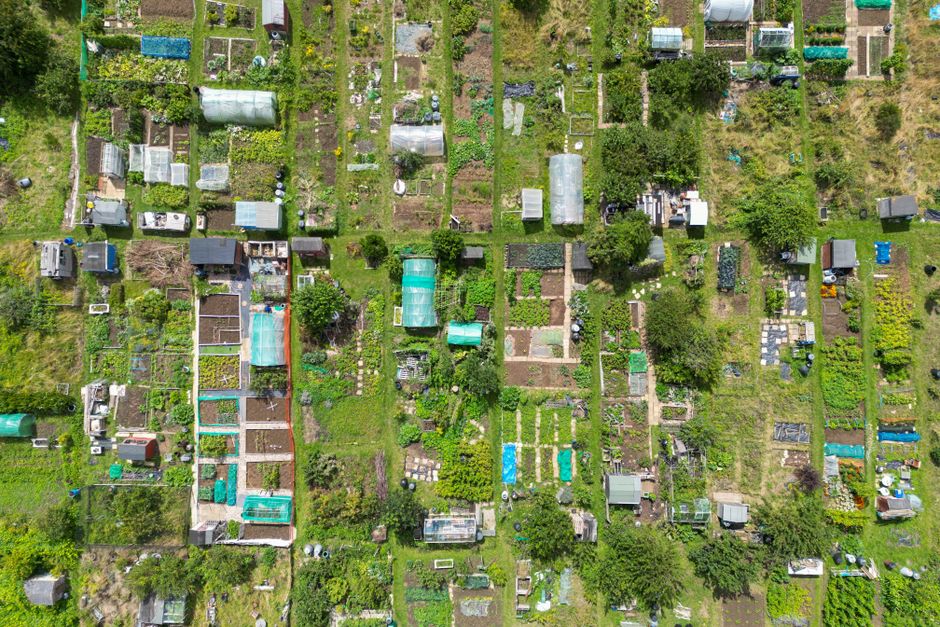
If you have ever spent an entire April weekend double-digging a vegetable bed, only to watch weeds swamp it by June, you are not alone. Across Hungary, a quiet revolution is gathering pace among home gardeners who have put down their spades and picked up a bag of compost instead. The no-dig gardening method challenges one of horticulture's oldest assumptions: that cultivated soil is healthy soil. Scientific evidence now shows that cultivation damages soil structure and disrupts the natural processes occurring within it, making no-dig a better choice for soil health by minimising disturbance. For Hungarian gardeners dealing with variable continental summers, periodic drought, and soils that often carry a legacy of intensive land management, that matters more than most guides let on.
This article gives you an honest, practical look at whether the no-dig method translates to a Hungarian home plot, the conditions where it excels, where it needs adapting, and how to start in your own garden this season.
Key Takeaways
-
Soil disturbance actively damages yield: Over a seven-year trial period, a dug bed produced 656.37 kg of vegetables, while an identical no-dig bed produced 728.46 kg, that gap widens every year you continue digging. Switch methods before this season's bed preparation.
-
Hungary's soils need organic matter urgently: As land is brought under cultivation, the carbon content of most soils tends to decline, leading to structural degradation; intensive practices such as the removal of crop residues eliminate opportunities to replenish soil organic matter. No-dig compost layering directly addresses this.
-
Water retention is the Hungarian home gardener's strongest argument: Studies from the Rodale Institute show that undisturbed soils retain 25% more water than conventionally tilled ground. In a continental climate where drought hits the Great Plain hardest, this difference can save a crop.
-
Weed pressure drops substantially: When you dig into the soil, you uproot an untold number of viable weed seeds; once those seeds receive sunlight and warmth they begin to sprout, meaning traditional tilling generates far more weeds than no-till methods. Stop tilling and you reduce weeding time significantly.
-
Results take time but begin in year one: Over seven years of recorded data no-dig plots outperformed dug plots every single year, with a year-one advantage of 15 to 21 percent depending on crop type.
Quick-Start Prioritisation Framework
| Garden Situation | Recommended Approach | Effort Level | Time to See Results |
|---|---|---|---|
| New plot on grass or weeds | Cardboard + 15 cm compost layer | Low | 1 season |
| Existing dug beds, good soil | Stop digging, top-dress annually | Very low | Immediate |
| Heavy clay, never cultivated | One-off light fork, then no-dig layers | Medium | 1-2 seasons |
| Severe perennial weeds (tarack, bindweed) | Double cardboard layer + thick compost | Medium | 1 season |
| Sandy Great Plain soil, drought-prone | No-dig with mulch layer between plants | Low | First summer |
Start here if you are:
-
A first-time no-dig gardener: Use the cardboard-and-compost method on a single 1.2 m-wide bed. Master one bed before scaling up.
-
Already growing vegetables: Simply stop digging at the end of this season and top-dress with 5-10 cm of compost. You have nothing to lose and a measurably better harvest to gain.
-
Managing a drought-prone plot in eastern Hungary: Prioritise a mulch layer between plants after establishment. Studies show that mulching significantly reduces evaporation and helps keep soil temperatures steady during dry heat.
What the No-Dig Method Actually Involves
The Core Principle
No-dig gardening means no digging turning, or lifting the soil. Instead, it focuses on covering the ground with organic matter such as compost, and then growing directly into this. The method promotes adding garden compost or manure to the surface of the soil, imitating the natural processes in an ecosystem as leaves fall to the ground, break down, and incorporate into the soil. In practice, this feels almost counter-intuitive at first. You are not loosening anything. You are simply feeding from the top and letting the soil's own inhabitants do the work below.
The technique recognises that micro- and macro-biotic organisms constitute a 'food web' community in the soil, necessary for healthy cycling of nutrients and prevention of problematic organisms and diseases. Plants transfer a portion of the carbon energy they produce to the soil, and microbes that benefit from this energy in turn convert available organic substances in the soil to the mineral components plants need to thrive. When you dig, you tear this food web apart.
The Science Behind Leaving the Soil Alone
As Guy Barter, chief horticulturist at the Royal Horticultural Society (RHS), explains: 'Digging disrupts natural processes that keep soil healthy and productive. Minimising cultivation is desirable when trying to grow plants in ways that have the least environmental impact.' Digging destroys worm drainage channels, breaks important fungal networks, and releases carbon locked in the soil into the atmosphere.
No-dig also conserves mycorrhizal fungi, tiny, sprawling fungal networks that are super-beneficial to plants as they work in symbiosis with roots, helping them access more water, nutrients, and increasing a plant's natural resistance. Digging once severs these networks instantly. Building them back takes years.
Pro Tip: In my experience, the first concrete sign that no-dig is working comes not from the harvest but from the earthworm count. Probe a mature no-dig bed with a trowel after three seasons and the worm density compared to a dug neighbour plot will convince any sceptic.
Why Hungarian Conditions Make a Particularly Strong Case for No-Dig
The Soil Carbon Problem
Hungary's climate is predominantly continental, with Mediterranean influences in the south. This unique combination creates a diverse growing environment that supports a wide range of crops and ornamental plants. The trouble is that this same combination, hot, dry summers and cold winters, accelerates organic matter loss from bare, tilled soil.
Research confirms that soil organic carbon dynamics in Hungary are shaped by both spatial heterogeneity and land use. Persistent SOC losses in croplands and central lowland regions raise concerns regarding soil degradation and long-term SOC sequestration potential. This is not only a problem for commercial farmers. Organic fertilisers face availability challenges available in Hungary in sufficient quantities to ensure a large-scale increase in organic matter content of soils, making climate-smart agricultural practices such as conservation tillage even more valuable. For the home gardener, no-dig compost layering is a direct, affordable response to this challenge.
Drought Resilience and Water Retention
Despite moderate rainfall, Hungary can experience periodic droughts, particularly in the Great Plains region, making efficient irrigation systems often necessary for consistent crop yields. The preservation and improvement of the water-holding capacity of soils is a key factor in adapting to climate change, and the value of soil is increasingly defined by the water resource it contains rather than other parameters of soil fertility.
No-dig's compost mulch layer acts directly on this problem. Since no-dig gardening improves soil structure over time through regular mulching, it increases the soil's water-holding capacity; your garden needs less water because roots can grow deep to reach the moisture they need, and plants naturally become more drought-tolerant. If your plot sits in the drier eastern lowlands, this alone justifies the switch.
Pro Tip: Mulch between transplants immediately after planting, do not wait. Mulching with compost or chipped bark can reduce water loss by as much as 20%, and in a Hungarian July that difference shows in whether your lettuce bolts or keeps cropping.
What the Evidence Really Shows
Charles Dowding's Long-Running Trial
The most detailed practical comparison of dig versus no-dig methods comes from Charles Dowding's Homeacres trial, running since 2013. Dowding has run no-dig market gardens in Somerset, England since the 1980s. His formal comparison trial at Homeacres is the most detailed long-running dataset on no-dig versus conventional dug beds in existence. The setup involves identical beds, identical crops, and identical inputs applied to the surface only, one side dug to a spade's depth each year, the other never disturbed below the compost layer.
By year five, the dug beds showed visible compaction below the worked layer and required more compost input to maintain comparable fertility. The no-dig beds continued to improve without additional intervention, with better worm counts, better soil structure, and better water retention. The Blooming Expert analysis of Dowding's trial data notes that the yield gap between the two methods grows as years accumulate, making early adoption genuinely worthwhile.
Where the Research Has Honest Limits
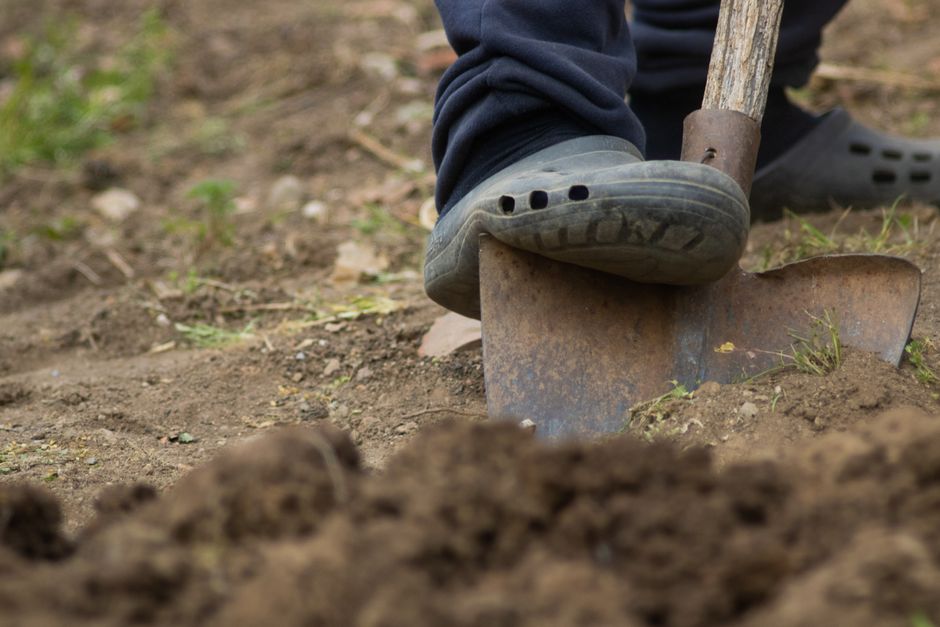
There is no published research showing whether dig or no-dig is better specifically in home gardens; most studies focus on agriculture, so they do not translate directly to backyard settings. Dowding himself acknowledges this. He does not have the space or resources to undertake properly replicated trials, so it is best to say that the results here are indications, not proof in the current scientific sense. However, even if the yields were similar they were definitely not worse, which essentially means that digging accomplished nothing aside from creating extra labour and damaging the soil ecosystem.
That is a reasonable working conclusion for a Hungarian home gardener: no-dig performs at least as well as digging and almost certainly better over time, with substantially less effort.
How to Set Up a No-Dig Bed on Your Hungarian Plot
Step One: Prepare the Ground Without Digging
If you are converting an existing bed to no-dig, there is no need to cover with cardboard unless it is particularly weedy. Simply spread a thick (10-15 cm) layer of organic matter over the soil. For a new plot on grass or persistent weeds, lay cardboard first. Lay cardboard directly over the area, overlapping edges by six inches to prevent gaps. This cardboard layer will decompose while blocking light from reaching unwanted vegetation below.
For severely compacted clay soils, common in many parts of Hungary's transition zone between the hills and the plain, Charles Dowding's FAQ is clear that clay soils grow fantastic plants with no-dig. Loose soil holds less moisture and results in plants falling over, since roots prefer firm soil. However, if the clay is waterlogged and smells of sulphur, a one-off forking can help loosen this rare problem before you begin the no-dig system.
Step Two: Add Compost and Plant
Add 5 cm of compost as a mulch for established beds, or 15-20 cm thick if creating a brand-new bed. You can plant directly into this compost layer. From year two onward, top-dress the surface with 2.5-5 cm of compost each autumn or spring. Do not dig it in.
Step Three: Maintain the Mulch Layer
A 5 cm layer of straw, aged wood chip, or additional compost between established plants retains moisture, moderates soil temperature, and prevents surface crusting. This layer is what allows a no-dig bed to run with minimal watering and weeding through midsummer. In Hungary's hot July and August, that surface layer is doing significant work.
Pro Tip: Time your compost top-dressing carefully. Studies have shown that spreading mulch in autumn can be wasteful of nitrogen. Winter rains wash out nitrogen, so aim to mulch in late winter rather than in autumn; mulching at that time releases soluble nutrients just as plants begin to grow away in spring. In central Hungary, this points to a February or early March top-dressing as the sweet spot.
Honest Pros and Cons for Hungarian Home Gardeners
Pros:
-
Less physical labour at every stage of the growing season
-
Reduced weed pressure from the second season onwards
-
Better water retention during Hungary's dry summer periods
-
Soil health improves each year rather than deteriorating
-
Lower reliance on chemical fertilisers as the soil food web builds
-
By not tilling the soil, carbon is sequestered beneath the surface rather than released into the atmosphere, a meaningful ecological contribution
Cons:
-
Requires a good supply of compost, which can be difficult to source in volume for large plots
-
No-dig relies on layering organic matter on top of the soil, which may limit root penetration depth; some deep-rooted vegetables may not thrive as well in a no-dig system in the early years
-
Slugs can be more active in the first season as mulch provides cover, reduce this by using compost as the primary mulch rather than straw
-
Results on severely compacted urban plot soil may take two full seasons to become clearly visible
-
One common challenge is sourcing enough compost; for urban and suburban gardeners, limited space can make it tricky to produce the volume needed
Frequently Asked Questions
Is no-dig gardening suitable for all Hungarian soil types?
While the Great Hungarian Plain boasts rich, loess-based soils, other regions may have less fertile or more challenging soil types. Tokaj's volcanic soils, for instance, are excellent for wine grapes but may require amendments for other crops. No-dig works across all these soil types, though the timeline differs. On sandy plains soils, you will see water retention benefits almost immediately. On clay-heavy garden soils in hilly regions, give it two full seasons before evaluating. The RHS advice on no-dig gardening is applicable to continental climate gardens with only minor timing adjustments.
How much compost do I actually need?
For a new bed, plan for 15-20 cm depth across the full planting area. In subsequent years, 2-3 cm of new compost added each December is sufficient. Home composting from kitchen and garden waste is the most sustainable option. If you need to supplement, Holland Kertészet stocks quality compost and organic mulch materials suited to Hungarian growing conditions, worth exploring if you are establishing several beds at once.
Will I still get weeds?
Yes, but fewer. No-dig reduces but does not eliminate weeds completely. Use a trowel to remove any that appear. Regular checking can be beneficial, though your mulching should handle the majority of prevention. The important distinction is that you will not be creating new weed problems by turning seeds to the surface every spring. Persistent perennial weeds such as tarackfű (couch grass) respond well to the cardboard suppression method in the first season.
Can I grow root vegetables like carrots and parsnips without digging?
Root vegetables are the most common concern. The assumption that loose, broken soil makes better carrots turns out to be backward in an established no-dig bed. After two or three growing seasons, earthworm biopores create channels through the native soil that roots follow easily. In year one, sow root vegetables into the compost layer itself, which should be at least 15 cm deep. Results improve markedly from year two.
When is the best time of year to start no-dig in Hungary?
The best time to convert to a no-dig system is in late autumn after your final harvests. In practical terms for Hungarian growing conditions, this means October or November, after tomatoes and peppers are cleared. Laying cardboard on grass or weedy ground in autumn means winter kills what is beneath, and the bed is ready for planting by March. In central Hungary, outdoor planting typically begins in mid-April, giving you ample time for the cardboard layer to break down and the compost to settle before the main planting season.
A Final Word
I've found that the hardest part of adopting no-dig is psychological, not practical. Decades of received wisdom tell us that a turned, aerated bed signals a diligent gardener. In reality, digging damages soil structure by destroying natural drainage channels made by worms, disturbing fungal networks, and releasing carbon that is locked in the soil. Stopping that damage is the single most productive thing many gardeners can do. For Hungarian home plots, facing drier summers, organic-matter-depleted soils, and climate pressures that will only intensify, the no-dig method answers several problems at once without demanding more of your time. Start with one bed this autumn, observe it honestly for a full season, and let the earthworms make the case for you.
Sources
-
No-Dig Gardening, Royal Horticultural Society. Scientific and practical overview of the no-dig method. https://www.rhs.org.uk/soil-composts-mulches/no-dig-gardening
-
No-Dig Gardening: Build Rich Soil in One Season, Blooming Expert. Charles Dowding trial data and method guide. https://www.bloomingexpert.com/garden/no-dig-gardening/
-
Dig/No Dig Trial at Homeacres, 2013-current, Charles Dowding. Primary trial data and annual results. https://charlesdowding.co.uk/blogs/trials/dig-no-dig-trial-2019-2022
-
No Dig FAQs, Charles Dowding. Practical guidance on clay soils, compaction, and weeds. https://charlesdowding.co.uk/blogs/no-dig-resources/faqs
-
No-Dig Gardening: Benefits, How It Works and How to Get Started, Soil Association. Organic growing context and beginner steps. https://www.soilassociation.org/take-action/growing-at-home/allotments-and-home-growing/no-dig-gardening/
-
Why No-Dig Gardening Is the Zero-Effort Way to Improve Your Garden, BBC Science Focus. RHS expert commentary. https://www.sciencefocus.com/science/no-dig-gardening
-
Climate-Smart Agricultural Practices, Strategies to Conserve and Increase Soil Carbon in Hungary, MDPI Land journal. Peer-reviewed review of conservation tillage and SOC in Hungary. Organic fertilisers face availability challenges
-
Hungary: Planting Zones and Soil Conditions, Planta Greenhouses. Overview of Hungarian growing zones and soil types. https://plantagreenhouses.eu/blogs/planting-zones/hungary
-
Comparing Dig vs. No-Dig Soil in a Market Garden, Mikroliv. Independent analysis of Dowding's trial data including soil biology findings. https://www.mikroliv.no/en/dig-vs-no-dig
-
The No-Dig Garden Approach: How to Boost Your Soil Health, Grower Achiever. Rodale Institute water retention data and setup guide. https://www.growerachiever.com/blog/no-dig-garden-boost-soil-health
-
How to Garden During Drought Without Watering Constantly, Organic Growers School. Mulching and soil moisture research. https://www.organicgrowersschool.org/blog/how-to-garden-during-drought-without-watering-constantly
-
Agriculture and Horticulture, Hungary, Climate Change Post. Data on soil water-holding capacity and Hungarian precipitation patterns. https://climatechangepost.com/hungary/agriculture-and-horticulture
-
Holland Kertészet, Hungarian sustainable gardening supplier. https://www.hollandkerteszet.hu/


