

From Fragrant Seeds to Soft Summer Flowers
A friendly guide to sowing, growing, cutting and enjoying Sweet Sultan in Hungary.
Come Into the Garden With Me…
Today, we're growing Sweet Sultan - one of those old-fashioned flowers that seems to belong naturally in a cottage garden, a cutting patch and a vase on the kitchen table.
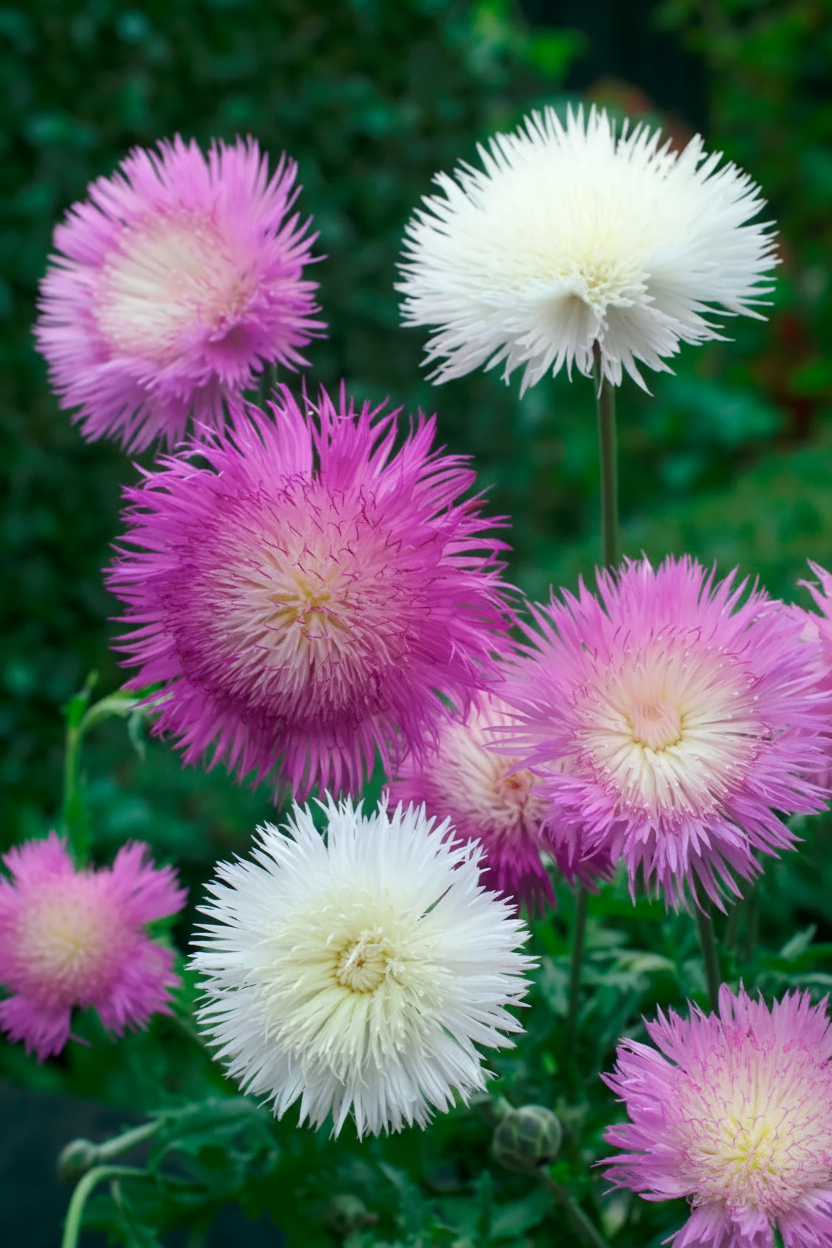
The name is wonderfully grand, but the plant itself is soft and romantic. Sweet Sultan produces fluffy, finely divided flower heads in gentle shades of white, rose, mauve, lilac and pink. The flowers sit on long stems and carry a noticeably sweet fragrance.
Our Holland Kertészet packet is Horti Tops Sweet Sultan 'Imperialis'. It is a hardy annual, usually around 70 cm tall, happiest in full sun and particularly useful as a cut flower.
In Hungary, it fits beautifully into the cooler shoulders of the growing season: sow in spring, let it establish before the hardest summer heat, then enjoy flowers through summer and into early autumn.
This is also a flower for people who like a garden to feel alive rather than perfectly arranged. The plants move in the breeze. Bees visit the flowers. A few stems lean into their neighbours. And if you cut regularly, the plant simply keeps trying to make more flowers.
Ready? Open the seed packet, find a sunny corner, and let's grow something fragrant.
1. Meet Sweet Sultan
Sweet Sultan is commonly known botanically as Amberboa moschata, although older seed catalogues may list it under Centaurea moschata. It belongs to the daisy family, Asteraceae, and its relationship to cornflowers becomes obvious when you look closely at the flower structure.
What does it look like?
The flowers are soft, feathery and almost powder-puff-like. Instead of one flat daisy face, the bloom is made from many narrow florets that create a silky, tufted head. 'Imperialis' is usually sold as a mix, so one packet can give several pastel shades rather than one uniform colour.
How big does it get?
Expect plants around 60-80 cm tall, with the Horti Tops packet commonly listed at about 70 cm. That height makes it useful in the middle of a border and ideal for cutting because the stems are long enough for a vase without the plant becoming enormous.
And the fragrance?
This is one of Sweet Sultan's strongest features. The scent is sweet and honey-like, especially noticeable when you bring a few stems indoors. It is not an overpowering perfume, but it is enough to make a small bouquet feel much more special.
|
GOOD TO KNOW Sweet Sultan 'Imperialis' is an annual. One sowing gives you one growing season, but seed is easy to collect and sow again next year. |
2. Give It Sun, Space and Sensible Soil
Sweet Sultan wants light. Give it a sunny, open position where the stems can develop strongly and where the flowers receive enough sun to bloom freely.
Full sun is best
Aim for at least six hours of direct sun. A little light shade for part of the day is not a disaster, but deep shade usually produces softer growth and fewer flowers.
Ordinary soil is fine
Ordinary well-drained garden soil is perfectly suitable. Sweet Sultan is not a plant that needs a heavily fertilised bed. In fact, very rich soil can encourage lush leaves at the expense of flowers.
In heavier Hungarian soils, improve drainage and avoid low places where water lingers after rain. In sandy soil, a little organic matter helps the ground hold enough moisture through summer.
Give the stems room
Around 20-25 cm between plants is a practical target. Crowding may look efficient at first, but it gives weaker stems, poorer airflow and smaller plants.
|
A COMMON MISTAKE Giving too much nitrogen-rich fertiliser. You want sturdy stems and flowers, not a giant soft green plant. |
3. The Sweet Sultan We Grow With You
At Holland Kertészet, the variety in our seed range is Sweet Sultan 'Imperialis'.
'Imperialis' at a glance
The botanical name is Amberboa moschata, often also sold as Centaurea moschata. It is a hardy annual reaching about 70 cm, with mixed pastel flowers in white, pink, rose, mauve and lilac.
The main sowing window is March-April under protection for an earlier start, or April-May outdoors. Flowering is mainly from July into October, depending on sowing time and weather.
Its best uses are cottage-garden borders, pollinator planting and especially cut flowers, where the long stems, soft colours and fragrance are very useful.
Why this packet is fun
One packet gives several soft colours, so even a small patch can look like a deliberately mixed cutting garden. You do not know exactly which shade each seedling will become until the flowers open.
|
GROW WITH US Grow a small group of 'Imperialis' rather than one isolated plant. The changing whites, pinks, lilacs and mauves look more natural together and give you better choice when cutting for a vase. |
4. Let’s Sow the Seeds
Sweet Sultan is straightforward from seed, and you can choose between a protected early sowing and a direct outdoor sowing.
Starting under protection
Sow in March or April in trays or small pots if you want an earlier start. Use a fine seed compost, sow thinly and cover the seed lightly. Keep the compost evenly moist but never waterlogged.
Once seedlings appear, move them into good light. A bright, cool position is better than a dark, overly warm room because we want short, sturdy growth rather than pale stretched stems.
Direct sowing
From April into May, sow directly into prepared garden soil. Rake the surface fine, water if the ground is dry, scatter or sow in short rows, then cover lightly.
Once seedlings appear, thin them so that the remaining plants have room to branch and develop good airflow. Keep the strongest seedlings rather than trying to save every one.
Spacing from the beginning
Aim for roughly 20-25 cm between established plants. If you sow more thickly, thin while seedlings are still small so the roots of the plants you keep are disturbed as little as possible.
|
DON’T PANIC Not every seedling needs to survive. Thinning is not failure - it is how you give the strongest seedlings enough room to become good flowering plants. |
5. From Seedling to Flowering Plant
If you started indoors, harden the young plants off before moving them permanently outside. Give them a little more outdoor time each day for about a week, protecting them from hard frost and fierce wind at first.
Planting out in Hungary
Move them into the garden once conditions are reasonably settled. Water well after planting, then continue watering regularly until new growth shows that the roots have established.
Do I need to pinch them?
You can pinch the growing tip of young plants if you want a bushier plant with more side branches. This is particularly useful for cutting gardens because more branches usually mean more flowering stems.
If you prefer taller, straighter stems, leave some plants unpinched and compare the difference. Gardening is often easier to learn when you let two plants show you the answer side by side.
Support if needed
At around 70 cm, Sweet Sultan often stands without help, but an exposed Hungarian garden can be windy. A discreet ring of twiggy support or light netting is useful in a cutting patch, especially once the plants are carrying many blooms.
|
WHAT I WOULD DO Pinch a few plants and leave a few untouched. By midsummer you can see which habit you prefer in your own garden - bushier plants for more stems, or taller plants for straighter cuts. |
6. Summer Care: Keep the Flowers Coming
Once Sweet Sultan begins flowering, the main job is to keep it growing rather than allowing it to finish its life cycle too quickly.
Water deeply
Water at the base when the soil becomes dry. One thorough watering is better than a daily splash that only wets the surface. Containers need checking much more often than plants in the ground.
During the hottest parts of July and August, especially on sandy soil, deep watering can make the difference between a plant that keeps flowering and one that rushes to seed.
Keep cutting or deadheading
The more faded flowers you remove, the longer the plant will usually continue producing new buds. If you grow Sweet Sultan for the vase, regular cutting does much of the deadheading for you.
Feeding
In ordinary garden soil, feeding can be light. Container plants may benefit from a diluted flowering-plant feed once they are established, but do not overdo it.
|
GOOD TO KNOW The flowering secret is simple: do not let every flower turn into seed. Keep cutting and deadheading, and the plant keeps trying to replace what you removed. |
7. When Something Goes Wrong
Sweet Sultan is not especially troublesome, but its stems and flowers will tell you quickly when conditions are out of balance.
Tall, soft growth with few flowers
Too much nitrogen or too little sun is usually the first thing to investigate. Move container plants into more light and stop heavy feeding.
Plants collapse after rain or wind
Crowded, soft plants are most vulnerable. Thin properly, avoid excessive feeding and add discreet support before the plants become top-heavy.
Flowering slows in extreme heat
Very hot weather can slow flowering. Keep roots evenly moist, deadhead and wait for slightly cooler conditions. Plants often recover as late-summer nights become less intense.
Aphids
Tender new shoots can occasionally attract aphids. Small colonies can often be washed away with water or left for ladybirds and other natural predators to manage.
Powdery mildew or tired foliage
Give the plants space and airflow, water at soil level rather than constantly wetting the leaves, and remove badly affected material.
|
DON’T PANIC A short pause in flowering during severe heat does not mean the plant is finished. Keep it watered, remove spent blooms and let cooler nights encourage the next flush. |
8. Flowers for the Garden and the Vase
Sweet Sultan deserves a place in a cutting garden. The stems are long, the flowers are soft and unusual, and the fragrance adds another layer to a bouquet.
When to cut
Cut when the flower is freshly open but before it begins to fade. Early morning is ideal because stems are fully hydrated. Use clean snips and place the stems into water immediately.
Conditioning the stems
Remove any leaves that would sit below the waterline. Let the stems drink in a cool place before arranging them.
What to combine it with
Sweet Sultan combines beautifully with cosmos, phlox, snapdragons, scabiosa, sweet peas and fine ornamental grasses. The pastel colours make useful bridges between stronger flowers in a mixed bouquet.
Pollinators and garden design
The tufted flowers attract bees and other pollinating insects. In the border, repeat Sweet Sultan in two or three small groups rather than planting one isolated specimen; repetition makes the planting feel connected even when the colours vary.
|
TRY THIS Cut a loose bunch of Sweet Sultan with cosmos, sweet peas and fine grasses. The soft colours and fragrance can make even a simple jar bouquet feel deliberately arranged. |
9. Saving Seed and the End of the Season
If you want to grow Sweet Sultan again next year, allow several of the healthiest late-season flowers to remain on the plant instead of deadheading them.
Let the heads mature
The flower heads will dry and form seed. Wait until they are fully mature and dry, then collect them on a dry day. Finish drying indoors if necessary before storage.
Store it properly
Keep cleaned seed in a labelled paper envelope somewhere cool, dark and dry. Write both the plant name and the year on the packet so you know exactly what you are sowing next spring.
Expect a little variation
Because 'Imperialis' is a colour mix, seedlings grown from saved seed may not reproduce the exact balance of colours you had this year. That is part of the fun. Let the next generation surprise you.
Then autumn arrives
As frost and persistent wet weather arrive, the annual plants finish. Remove healthy material to the compost and clear any badly diseased foliage separately.
|
A COMMON MISTAKE Saving every flower for seed. Leave a few selected heads to mature and keep cutting the rest. You get both: a longer flowering season now and seed for next year. |
10. Your Sweet Sultan Cheat Sheet
We've gone from a small packet of seed to soft fragrant flowers. Here's the whole journey in one place.
1. Sweet Sultan is Amberboa moschata.
2. The Holland Kertészet variety is 'Imperialis'.
3. It is a hardy annual.
4. Expect plants around 70 cm tall.
5. Flowers come in mixed pastel shades.
6. Choose full sun.
7. Use ordinary, well-drained garden soil.
8. Sow under protection in March-April for an earlier start.
9. Or direct sow outdoors in April-May.
10. Cover the seed lightly.
11. Give seedlings plenty of light.
12. Thin or space plants to roughly 20-25 cm.
13. Harden protected plants off before permanent planting.
14. Water deeply when the soil becomes dry.
15. Avoid heavy nitrogen feeding.
16. Pinching is optional but can encourage branching.
17. Support plants in exposed positions if needed.
18. Cut or deadhead regularly for more flowers.
19. Allow selected late flower heads to mature for seed.
20. Store completely dry seed somewhere cool, dark and dry.
If You Remember Only Five Things…
1. Give it sunshine
Sweet Sultan flowers best in a bright, open position. Too much shade gives softer growth and fewer blooms.
2. Do not overfeed
Ordinary soil is enough. Too much nitrogen gives you leaves and weak stems when what you really want is flowers.
3. Give every plant some space
Around 20-25 cm allows branching, airflow and stronger stems.
4. Keep cutting
Regular cutting and deadheading are the simplest ways to persuade an annual plant to keep producing more flowers.
5. Stop to smell the flowers
The soft colours are lovely, but the sweet fragrance is part of what makes Sweet Sultan worth growing.
One Last Walk Around the Garden
Do you remember where we started?
With a small packet of 'Imperialis' seed and an old-fashioned flower with a wonderfully grand name.
We sowed while spring was still finding its feet, thinned the seedlings, gave them sunshine and enough room to branch, and watched the stems rise through the border.
Then the flowers opened: white, rose, mauve, lilac and pink. Bees found them. The stems moved in the breeze. And the first handful we cut for the house brought that soft honey-like fragrance indoors.
Hungarian summer then asked the usual questions. Was the soil still moist below the surface? Were the plants crowded? Had we fed them too much? Did they need a little support before the next storm?
By late summer, you know the answers for your own garden. You know which corner gives the straightest stems, how often your soil needs water, which shades you like best in a vase, and whether you prefer pinched plants or taller unpinched ones.
That is what this series is really about: not memorising instructions, but learning a plant until it begins to feel familiar.
So cut a final fragrant bunch. Leave a few good heads for seed. Let a few flowers stay for the insects. Then, when autumn frost finishes the season, remember which colours you hope to see again next year.
And when you're ready for the next plant…
Come into the garden with me.


