

Introduction: A Garden with a Little More Personality
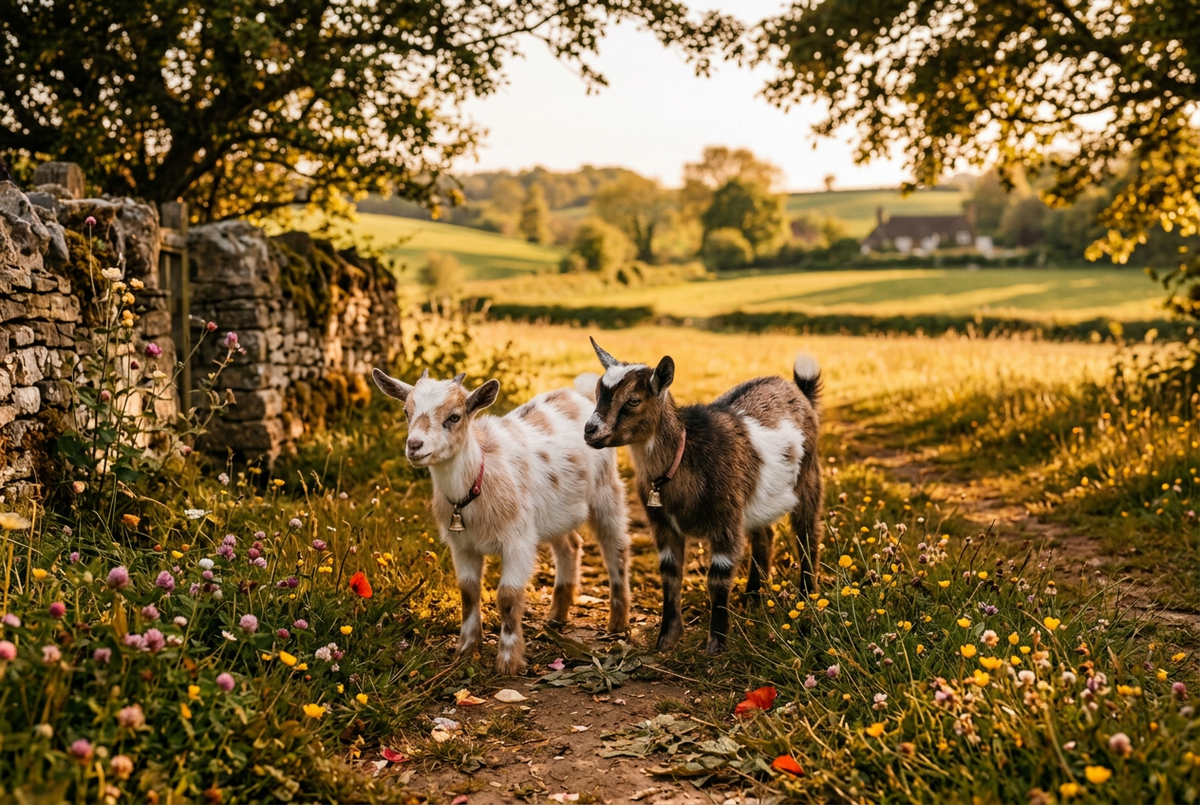
Imagine stepping into your garden on a quiet Hungarian morning. The dew is still on the grass, the fruit trees are beginning to wake up, and two goats are waiting at the gate, watching you as though breakfast is already late. One stretches up to investigate a branch. The other stands on a low log to get a better view. Before you have finished your coffee, they have found something interesting to do.
Goats can be delightful companions in a larger country garden. They are curious, sociable and surprisingly clever. They also have strong opinions about where they would like to go and what they would like to eat. A garden shared with goats can be full of life, but it requires a different approach from keeping cats, dogs or chickens. These are livestock animals with specialised nutritional, housing, fencing and healthcare needs.
Let us look at the garden from a goat’s point of view: what makes them feel secure, what keeps them healthy, what they enjoy doing, and how to protect the plants we love while giving them a good life.
1. How Goats Experience Your Garden
Goats are natural browsers. Rather than spending the whole day grazing a neat lawn, they often prefer investigating leaves, shoots, shrubs, hedgerows and taller vegetation. Their flexible lips help them select interesting pieces of plants. They are also keen observers, noticing changes to their surroundings and remembering routines.
A goat may greet you at the same gate every morning, investigate a new wheelbarrow and climb onto a safe platform simply because it is there. Exploration is a natural part of their day. That is why a featureless pen with nothing to do is unlikely to meet their needs, even if it has plenty of grass.
A good goat area combines safe browse, open space, sheltered resting places and objects to investigate. Variety matters, but safety comes first: goats will also investigate things they should never eat.
2. Companionship: Never Plan for Just One Goat
Goats are herd animals. They communicate, rest, play and explore in the company of other goats. A lone goat may become distressed, noisy or difficult to manage. Human attention, chickens or a family dog cannot fully replace a suitable goat companion.
Plan for at least two compatible goats from the beginning, and think about what happens if one becomes ill or dies. Introductions need supervision and enough room to avoid conflict. Size, age, horns, sex and temperament can affect compatibility. Some groups need separate feeding spaces so quieter animals are not pushed away.
Goats also benefit from predictable daily care. They quickly learn feeding times and recognise familiar people. Spend time observing them, not just delivering food. A change in appetite, behaviour or social position can be an early sign that something is wrong.

3. Is Your Garden Really Large Enough?
A large garden is not automatically suitable for goats. What matters is the usable area, drainage, shelter, fencing, stocking density and how the ground will cope during wet weather. A small number of goats can strip vegetation and turn a confined run into bare, muddy ground surprisingly quickly.
There is no universal square-metre figure that guarantees good welfare for every goat. Requirements depend on breed, body size, land quality, feeding arrangements and local rules. Ask an experienced goat keeper or livestock veterinarian to assess your plan before purchasing animals.
Where space allows, dividing the area into sections can help plants recover and reduce parasite pressure. Rotation is not a substitute for parasite management, and moving goats too frequently onto short grass can still cause problems. Keep a dry, firm area near the shelter for periods when the ground is saturated.
4. Choosing Goats for a Family Garden
Smaller breeds may appeal to gardeners, but small does not mean effortless. Dwarf or pygmy-type goats still need companions, secure fencing, appropriate feed and veterinary care. Larger dairy breeds may be more demanding in terms of space and nutrition, especially when producing milk.
Before choosing, decide whether you want companion animals, breeding stock or dairy goats. These are very different commitments. For many households seeking friendly garden companions, a pair of healthy, appropriately managed non-breeding goats may be simpler than keeping breeding animals. Male goats, especially intact bucks, can have strong odours and require careful management; castrated males can have particular urinary health risks if fed incorrectly.
Buy from a reputable source with clear identification, health history and suitable paperwork. Meet the animals, ask about temperament and ensure you have access to a veterinarian who treats goats.
5. Fencing: The Most Important Garden Investment
A goat sees a weak fence as a puzzle waiting to be solved. Some squeeze through gaps, some climb, some push, and others simply test the same corner every day until something gives way. A decorative garden fence may not be enough.
Choose sturdy, properly tensioned livestock fencing with safe openings, secure posts and dependable gates. Fence design must account for whether goats have horns; openings that allow a head to enter but not withdraw can be dangerous. Avoid sharp wire ends and climbing footholds near the boundary. Electric fencing may be useful as part of a correctly installed livestock system, but should never replace good welfare and safe construction.
Walk the boundary regularly. Check for loose panels, digging, fallen branches and gates left open by visitors. Keep poisonous shrubs outside browsing reach even through a fence, because goats can stretch surprisingly far.
6. Shelter, Bedding and a Dry Place to Sleep
Goats need a dry, draught-protected shelter with fresh air and enough room for every animal to lie down comfortably. They generally tolerate cold better than persistent dampness, but young, sick and vulnerable animals need additional protection. A wet, poorly ventilated shed can contribute to respiratory and hoof problems.
Provide dry bedding and replace soiled material regularly. Good ventilation should remove moisture without directing a cold draught across resting animals. Feed should be stored dry and protected from rodents. Avoid low ceilings, protruding nails, exposed electrical cables and equipment that goats can pull down.
Hungarian winters can bring freezing nights, while summer heat can be intense. Plan shelter for both seasons, with shade and air movement in summer and a dry refuge during rain, snow and wind.

7. Food: Goats Are Not Living Lawnmowers
This is one of the most persistent myths about goats. They are often pictured as animals that will neatly mow a lawn and clear every weed. In reality, goats are selective browsers. They may ignore the grass and head straight for your young apple tree, rose bush or carefully planted hedge.
Their diet should be based on appropriate good-quality forage, with suitable hay available when grazing or browse is insufficient. Fresh, clean water must always be accessible. A goat-specific mineral supplement may be necessary, selected with local veterinary advice. Concentrates should be used only when justified by age, production, condition and diet; overfeeding grain can cause serious digestive disease.
Introduce dietary changes gradually. Never feed mouldy hay, spoiled kitchen waste or unidentified cuttings. Bread and random garden leftovers are not a balanced diet. Goats have sensitive rumen systems, and what looks like a harmless treat can cause trouble.
8. Poisonous Plants: Know What Grows Along the Fence
A goat-friendly garden starts with a plant audit. Some familiar ornamental and wild plants can be dangerous. Yew is highly poisonous. Oleander, rhododendrons, azaleas, certain cherry-laurel foliage and other toxic plants should not be accessible. Wilted or cut branches can remain hazardous; never toss hedge trimmings into the goat pen.
Do not assume that goats instinctively avoid poisonous plants. Hunger, curiosity or lack of alternative forage can lead to dangerous eating. Plant toxicity depends on the exact species, quantity and conditions, so use botanical names and obtain locally appropriate veterinary guidance. Be especially careful after storms when branches fall into enclosures.
If a goat shows sudden weakness, drooling, bloating, tremors, diarrhoea or unusual behaviour, call a livestock veterinarian urgently. Save a sample or photograph of suspected plants, but do not try home remedies.
9. Protecting Your Flower Beds and Fruit Trees
If you love gardening, you must decide which parts of the property belong to the goats and which remain off limits. Goats can strip bark, break young branches, eat flower buds and damage roots by standing or climbing near plants. A small orchard may be tempting, but unprotected young trees can suffer severe damage.
Fence the vegetable garden, flower borders and orchard securely. Individual tree guards must be robust and far enough from trunks to prevent browsing through them. Check regularly as trees grow. Do not assume thorny roses or prickly hedges will discourage a determined goat.
A practical arrangement is a dedicated goat paddock with its own shelter and enrichment, separated from the ornamental garden. You can still enjoy watching the goats from the terrace without sacrificing every tulip or fruit tree.

10. Climbing, Playing and Preventing Boredom
Goats often enjoy standing on raised objects and exploring changes in height. A low, broad wooden platform, securely fixed log or stable mound can add interest. The structure must not wobble, have gaps that trap legs, or place goats within jumping distance of the fence.
Offer multiple activity areas so a dominant animal cannot control everything. Rotate safe enrichment objects occasionally and provide branches from species confirmed suitable for goats. Remove string, plastic netting, loose nails and small objects that might be swallowed.
Goats do not need circus equipment. Their favourite enrichment may be a safe pile of branches, a dry patch of earth, a sturdy platform and time spent browsing with their companions. Watch how they use the space, then adjust it.
11. Hooves, Parasites and Everyday Health
Good goat care includes regular observation and preventive healthcare. Hooves may need trimming, depending on wear and ground conditions. Overgrown or damaged hooves can cause pain and difficulty walking. Ask a trained keeper or veterinarian to demonstrate safe handling and trimming.
Internal parasites are an important consideration, especially where animals repeatedly use the same pasture. Do not give dewormers on a fixed schedule without veterinary guidance: inappropriate use can contribute to resistance. A veterinarian can recommend faecal testing and a management plan based on your animals and land.
Watch for reduced appetite, abnormal droppings, coughing, limping, bloating, pale eyelids or changes in behaviour. Establish a relationship with a livestock veterinarian before an emergency occurs. Keep identification, treatments and health records organised.
12. Goats, Dogs, Children and Visitors
Friendly goats can be wonderful to watch, but they are not toys. Even small goats can butt, jump or knock over a child. Horns create additional risks, and a goat that is gentle at feeding time may behave differently when startled or competing for food.
Supervise children closely and teach them to move calmly. Do not encourage head-butting games or hand-feeding that creates pushy behaviour. Keep unfamiliar dogs away from the enclosure; chasing can seriously stress or injure goats. Introductions to a household dog should be carefully controlled and never assumed safe.
Provide a place where goats can move away from people. Visitors should respect closed gates, feeding rules and the animals' need for rest.
13. Manure and the Garden: A Useful Resource with Rules
Goat manure and used bedding can become valuable compost ingredients. When composted properly, they contribute organic matter to garden soil. But fresh manure should not simply be scattered over vegetables ready to harvest. It can contain pathogens, and immature manure can damage plants or create hygiene problems.
Compost manure and bedding in a managed system away from wells and drainage channels. Follow good food-safety practices and locally applicable guidance for using animal manure on edible crops. Keep runoff from manure storage away from ponds and watercourses.
A well-run goat area can be part of a thoughtful garden system, but it will not automatically make your soil healthier. The benefit comes from careful collection, composting and responsible use.

14. Hungarian Seasons: From Summer Heat to Winter Mud
Spring is a time to check fencing, pasture regrowth and parasite risk. Introduce fresh grazing or browse gradually rather than allowing hungry goats onto lush vegetation without preparation. Remove poisonous seedlings and check for storm-damaged branches.
Summer brings shade and water challenges. Provide reliable drinking water, shaded resting places and good ventilation. Inspect troughs frequently; goats may dirty or tip them. Avoid transporting or handling animals unnecessarily during extreme heat.
Autumn is the season to stock good hay, check roofs and drainage, and secure fallen fruit or garden cuttings. Winter requires dry bedding, unfrozen water and a firm surface near feeding points. Deep mud is not merely untidy: it can affect hooves, hygiene and comfort. In Hungary, plan for both freezing nights and periods of wet, thawing ground.
15. Before Bringing Goats Home: The Practical Checklist
Before purchasing goats, make sure you have compatible companions, suitable land, a secure enclosure, weatherproof shelter, dependable water, forage storage and a source of veterinary care. Calculate ongoing costs, including hay, bedding, minerals, hoof care, repairs and unexpected treatment.
Goats are livestock, so identification, registration, movement and disease-control requirements may apply even to animals kept as companions. Check current Hungarian requirements with the relevant authorities, including Nébih and the local veterinary administration, before acquiring animals. Local zoning, neighbour considerations and rules about shelters or manure storage may also matter.
Finally, consider who will care for the goats when you travel. They need reliable daily attention throughout the year, not just on sunny weekends. A goat may live for many years, so this is a long-term promise.
Frequently Asked Questions
Can I keep one goat? No. Goats need suitable goat companionship; plan for at least two compatible animals.
Will goats mow my lawn? Not neatly. They tend to browse leaves, shrubs and shoots and may damage ornamental planting.
Can goats live outdoors all winter in Hungary? They need dry, draught-protected shelter, bedding, water and care appropriate to their age and health.
Are dwarf goats easier? They may be smaller, but their social, dietary, fencing and veterinary needs remain substantial.
Can I feed garden prunings? Only plants positively identified as safe and free from sprays or spoilage. Never feed unknown hedge cuttings.
Can goats share a garden with dogs? Only with carefully managed separation and supervision. Dogs may chase or frighten livestock.
Do goats need a veterinarian? Yes. Arrange a livestock veterinarian and preventive-care plan before they arrive.
Final Thoughts: A Garden with Goats Is a Shared Adventure
There is something wonderfully cheerful about watching goats explore a country garden. They are inquisitive, expressive and full of character. They can turn an ordinary morning into a small adventure simply by discovering a new branch or deciding that a wooden platform offers the finest view of the neighbourhood.
But happy goats need more than a pretty field. They need one another, secure boundaries, appropriate forage, dry shelter, health care and a place where their natural behaviour is welcome. The most successful goat gardens are planned around those needs from the start.
If you have the space, time and commitment, goats can become much-loved members of your outdoor life. Protect your flowers, respect the animals and enjoy the pleasure of a garden shared with curious four-legged companions.
Happy gardening from Holland Kertészet — where we believe that beautiful gardens can make room for plants, people and animals, when every one of them is cared for thoughtfully.
Animal welfare note: This article provides general information, not veterinary advice. Confirm local livestock rules and obtain individual feeding and healthcare guidance from a goat-experienced veterinarian.


