

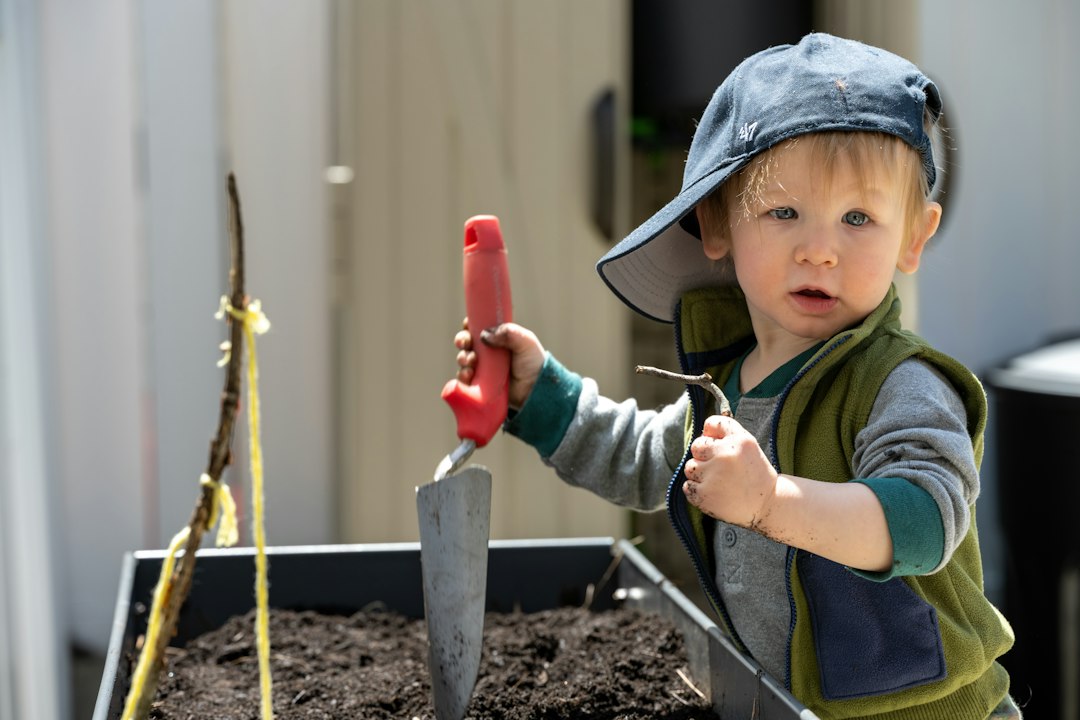
There is something quietly remarkable about watching a child kneel beside a patch of soil, press a seed into the earth, and then look up with a grin. That small act holds more developmental power than most parents realise. Engagement in gardening activities, whether integrated into the school curriculum or community and home-based, has been shown to promote social relationships, family connection, emotional and mental wellbeing, and improved cognitive and educational outcomes in children and adolescents. And yet, across Europe, children are spending less time outdoors than ever before.
Only half of European children meet sufficiently limited screen time guidelines, while just 53.5% get enough exercise. That means the other half are increasingly sedentary and screen-bound, a pattern that has measurable consequences for mood, attention, and self-belief. A kids gardening kit offers a practical, joyful, and affordable counter to this trend. It puts real tools into small hands, connects children to living things, and, perhaps most importantly, gives them something they grew entirely on their own.
Key Takeaways
- Confidence comes from doing, not watching: Research concludes that accomplishing garden tasks contributes to developing self-confidence and a healthy self-esteem, so the act of successfully planting and harvesting is itself the lesson.
- The right kit removes barriers: With the right tools designed specifically for small hands, children can develop essential motor skills, learn responsibility, and gain confidence through nurturing their own plants. Choose size-appropriate, ergonomic equipment from the start.
- Fast-growing plants keep children engaged: Radishes are a fantastic choice for beginners, especially for children, thanks to their incredibly short growth cycle, offering a rewarding harvest in as little as three weeks, providing a quick and tangible result that builds gardening confidence. Start with winners.
- Gardening supports mental health, not just physical health: Studies report a wide range of physical, mental, and social health outcomes, including reductions in depression and anxiety and increases in life satisfaction and quality of life. Therefore, treat the garden as a wellbeing tool, not merely a hobby.
- Screen time drops when outdoor time rises: More frequent visits to nature are associated with significantly less screen time across the whole week, making a garden a practical antidote to digital overexposure.
Quick-Start Prioritisation Framework
| Strategy | Best For | Effort Level | Time to First Result |
|---|---|---|---|
| Starter seed kit with fast crops | Ages 3 to 6 | Low | 1 to 4 weeks |
| Full kids gardening tool set | Ages 4 to 10 | Low | Immediate engagement |
| Raised bed or container garden | Any age, small outdoor space | Medium | 2 to 8 weeks |
| Herb and vegetable grow kit | Ages 6 and above | Medium | 3 to 6 weeks |
| School-holiday garden project | Ages 7 and above | High | Full season |
Start here if you are:
- A first-time parent gardener: Pick a seed-starter kit with fast-growing crops like radishes or sunflowers. The quick payoff keeps children motivated and shows results before attention wanders.
- Limited on outdoor space: A container garden on a balcony or windowsill works beautifully. Herbs, lettuce, and cherry tomatoes grow well in pots and take up almost no room.
- Buying as a gift: A complete kids gardening kit, with child-sized tools, gloves, a watering can, and a seed packet, is the most complete starting point. Suppliers like Holland Kertészet carry seeds ideally suited to European growing conditions, including easy beginner varieties.
Why a Kids Gardening Kit Builds Real Confidence
The Connection Between Growing and Self-Belief
Confidence in children develops through mastery, through doing something difficult and succeeding at it. The garden is one of the clearest environments for this process. Seeing the growth process unfold teaches patience and responsibility while also building confidence. Children learn that their effort, watering plants, providing sunlight, and tending the soil, directly contributes to the success of their garden.
Most studies describe how children gained confidence and self-esteem through school gardening. Developing and maintaining gardens gave children the opportunity to demonstrate ownership and responsibility, which contributed to these feelings of confidence. This matters enormously for children who do not thrive in traditional classroom settings, where confidence is often tied to test scores rather than tangible achievement.
In my experience, children who struggle to sit still or concentrate in class will often spend 45 minutes carefully watering seedlings without any prompting at all. The garden meets them where they are.
Motor Skills and Focus in Disguise
With the right tools designed powerful learning opportunities through hands-on experiences. Children develop fine motor skills when using trowels, spades, and watering cans designed for their small hands. Gardening activities also enhance cognitive development through counting seeds, measuring soil depth, and understanding plant growth cycles.
These are not trivial gains. Fine motor development in early childhood is directly linked to later literacy and numeracy skills. And because the tasks feel like play, children engage deeply without resistance. Garden activities offer practical hands-on learning experiences that entice children's natural curiosity and wonder. Gardens are versatile teaching tools that can be used across all subject matters, including early literacy development, science exploration, and maths practice.
Pro Tip: Let children measure their plants' growth with a small ruler, recording height in centimetres in a garden journal each week. This simple habit ties numeracy skills to something they genuinely care about, and watching that number grow is its own reward.
Choosing the Right Kids Gardening Kit
What to Look For in Age-Appropriate Tools
When selecting a kids gardening set, it is important to look for tools specifically designed for children. These sets usually include smaller versions of common garden tools that are lighter, safer, and easier for small hands to handle. A good kids gardening kit typically includes tools such as trowels, rakes, watering cans, gloves, and sometimes even seeds or starter plants.
The age of the child should guide your choice. Watering cans are fun, especially for toddlers, and in this case a sturdy, lightweight plastic watering can is more practical. Hand tools such as a trowel, spade, and shovel are suitable for slightly younger children, beginning at about age five. Many hand tools come in sets, often with a brightly coloured tote bag.
For older children (seven and above), tools with metal heads and wooden handles offer greater durability and a more realistic gardening experience. When it comes to choosing tools for children, it is best to spend a little more and invest in sturdy tools, such as those with metal heads and wooden handles. Cheap plastic versions that snap on first contact with real soil quickly frustrate young gardeners and undermine their confidence.
The Essential Kit Checklist
A well-rounded kids gardening kit should include the following items:
- A child-sized trowel for digging planting holes
- A mini rake for preparing soil
- A lightweight watering can (1 to 1.5 litres is ideal for small hands)
- Gardening gloves in the correct size
- Plant markers or labels
- A storage bag or tote to keep everything organised
- A selection of beginner-friendly seeds
STEM-oriented kits or sets that incorporate planting guides, plant labels, and education booklets can deepen the experience. Look for tools that encourage planning, measurement, and observation, skills that translate beyond gardening into classroom learning and critical thinking.

Pro Tip: When buying a kit as a gift, include a fast-germinating seed packet alongside the tools. A packet of sunflower or radish seeds from Holland Kertészet costs just a few hundred HUF and transforms a tool set into an immediate, living project. The seed is the spark.
The Best Plants to Grow With a Kids Gardening Kit
Fast Results That Keep Children Hooked
The single biggest reason children lose interest in gardening is waiting too long for anything to happen. The solution is to start with plants that deliver visible results quickly. According to Eartheasy's guide to gardening with children, radishes bring quick results for the young gardener, germinating in 3 to 10 days and with a very short growing season of 20 to 30 days. That is well within a child's natural attention span for a project.
From the Thursd guide to easy plants for kids, the best beginner options include:
- Radishes, harvestable in under a month
- Sunflowers, the most traditional and easiest plants for children to grow; they germinate so easily you can have children start the seeds indoors to see how fast they sprout, then move seedlings out to the garden
- Snap peas, edible straight from the plant, ready in under two months
- Cherry tomatoes, fun to harvest and eat, low maintenance
- Bush beans, fast, easy, high yield; bush beans germinate in 4 to 8 days and mature in 40 to 65 days
- Lettuce, nearly instant gratification providing fresh, crisp leaves just weeks after planting
Matching Plants to the Hungarian Growing Season
For families in Hungary, timing matters. Spring is ideal for starting radishes, peas, and lettuce outdoors, while May and June are the right months for tomatoes, beans, and sunflowers. Matching the seed to the season gives children a better chance to experience success. Let them help choose, a slightly impractical plant they are excited about may receive more attention than the sensible vegetable an adult picked for them.
Holland Kertészet stocks a wide range of vegetable and flower seeds suited to Central European conditions, including easy-to-grow varieties across more than 750 seed options. Choosing seeds together as a family is itself a lovely ritual and gives children ownership of the project before a single seed hits the soil.
The Developmental Benefits Parents Often Miss
Emotional Regulation and Patience
We live in an age of instant gratification. Children are accustomed to immediate feedback from screens, games, and apps. Gardening offers something genuinely countercultural: the lesson that effort and waiting produce results. At a time when many things in children's lives are immediate and instant gratification is common, children will practise patience as they wait for the seeds to sprout, the plants to grow, the flowers to bloom, the fruits and vegetables to ripen.
Further personal wellbeing effects include increased enjoyment, a sense of achievement, satisfaction and pride from nurturing the plants, as well as feelings of mastery and empowerment for children who do not excel in the traditional academic setting. The garden is democratic in this way: it rewards effort and care, regardless of whether a child finds reading or maths easy.
Responsibility and Independence
Planting, watering, observing waiting, and caring for something living can support curiosity, responsibility, patience, and nature connection. These are qualities that schools and parents consistently say they want to nurture, yet they rarely arise from a worksheet. They arise from ownership, and ownership begins the moment a child is given their own tools.
A systematic review published in Springer's BMC Public Health found that most studies described how children gained confidence and self-esteem through school gardening. The British Psychological Society's research summary on gardening and wellbeing also highlights that gardening provides feelings of mastery and empowerment for children who do not excel in the traditional academic setting, along with increased confidence and self-esteem.
I have found that children who take on the responsibility of watering their own plants begin to talk about their plants in the same way they talk about a pet, with genuine affection and concern. That kind of emotional investment is a sign that something important is developing.
Pro Tip: Give each child in a family their own dedicated patch of soil or their own pot, clearly marked with a plant label bearing their name. Ownership, even at a small scale, dramatically increases engagement and follow-through.
Common Mistakes to Avoid With a Kids Gardening Kit
Starting With Plants That Are Too Slow or Too Difficult
One of the most common mistakes parents make is choosing plants that adults find interesting rather than plants suited to a child's patience and ability. Starting with a slow-growing perennial or a delicate plant that requires precise conditions sets children up for disappointment. A strong kit should be age-appropriate, simple to start, safe to use, and easy for children to revisit as plants grow. Prioritise fast-germinating, forgiving varieties first.
Buying Oversized or Fragile Tools
Adult garden tools are too heavy, too unwieldy, and simply unsafe for young children. Children have small hands, which means adult gardening tools can be too big and heavy for them to use comfortably. It is best to look for a set that has smaller handles, as they will be easier for a child to grip and manoeuvre. Equally, cheap tools that snap under normal use cause frustration and a loss of confidence. Invest in quality, child-sized equipment from the start.
Taking Over Too Quickly
In my experience, the temptation to "help" by correcting a child's planting technique, adjusting their watering angle, or fixing their spacing is strong, and counterproductive. Children yearn for more independence to make their own decisions on what crops to cultivate. A few wonky rows of seeds planted by small hands matter far less than the ownership and pride the child feels in the process. Let them make small mistakes. The garden will still grow.
Frequently Asked Questions
What age is a kids gardening kit suitable for?
Most starter kits are designed for children from around age 3 upwards, with tools scaled to different age groups. With the right tools designed tools designed specifically for small hands, including plastic watering cans with easy-grip handles and soft-handled mini trowels. Children aged 4 and above can move to sturdier sets with metal-tipped tools. The key is matching the tool to the child's strength and grip.
How much does a good kids gardening kit cost in Hungary?
A basic, quality kids gardening tool set typically costs between 3,000 and 8,000 HUF, depending on the number of pieces and material quality. Seed packets for beginner-friendly vegetables and flowers start from around 500 to 700 HUF each at suppliers like Holland Kertészet. A complete introductory setup, tools, gloves, seeds, and a watering can, can therefore be assembled for well under 10,000 HUF.
Which plants are easiest for children to grow in Central Europe?
The best choices for Hungarian gardens and balconies are radishes (ready in 3 to 4 weeks), sunflowers (germination within 7 to 14 days), snap peas, cherry tomatoes, and bush beans. A solid selection of plants for children that are simple to grow includes snap peas, sunflowers, radishes, marigolds, cherry tomatoes, lettuce, and carrots. All of these are available as seed packets suited to European growing conditions.
Can gardening really improve a child's mental health?
Yes, and the evidence is substantial. A meta-analysis reviewed by the Children and Nature Network found that studies reported a wide range of mental and social health outcomes, including reductions in depression and anxiety and increases in life satisfaction and quality of life. Horticultural therapy was also associated with a substantial increment in comfort, naturalness, relaxation, and cheerfulness feelings, as well as a significant reduction in total anxiety levels.
Do children need a garden to use a kids gardening kit?
Absolutely not. Container gardening on a balcony, windowsill, or even a kitchen counter works well for many plants. Herbs, lettuce, radishes, and cherry tomatoes all grow happily in pots of 20 cm diameter or larger. Growing kits allow children to experiment with growing plants on a small scale to gain confidence in taking those skills further and being more adventurous in their gardening endeavours. A single pot on a balcony is more than enough to begin.
The moment a child lifts a radish from the soil for the first time, wide-eyed, soil on their hands, grinning with a pride that no screen can replicate; you understand why a kids gardening kit is one of the most worthwhile gifts you can give. It is a small investment with an outsized return: in confidence, in focus, in connection to the natural world, and in the quiet satisfaction of having grown something yourself.
Whether you are starting with a balcony herb pot or a full raised bed, the seed of confidence is planted alongside every seed in the soil. Holland Kertészet is a natural starting point for families across Hungary looking for quality seeds and garden essentials rooted in Dutch horticultural tradition.
Sources
-
KidsGardening Basics Toolkit, KidsGardening & National Head Start Association. Seasonal toolkit covering mental, physical, and social benefits of gardening with children. https://kidsgardening.org/wp-content/uploads/2024/03/Gardening-with-Kids-Basics-Toolkit.pdf
-
Why Garden With Kids?, KidsGardening. Research on youth gardening programmes and documented developmental gains. https://kidsgardening.org/why-garden-with-kids/
-
Cultivating Wellbeing and Mental Health Through Gardening, British Psychological Society. Review of gardening's impact on children's confidence, self-esteem, and mental health. https://www.bps.org.uk/psychologist/cultivating-wellbeing-and-mental-health-through-gardening
-
Gardening is Beneficial for Health: A Meta-Analysis, Children and Nature Network / Preventive Medicine Reports. 22-study meta-analysis on gardening's health outcomes. Children and Nature Network
-
Horticultural Activity: Its Contribution to Stress Recovery and Wellbeing for Children, PubMed Central (NCBI). Study showing horticultural activity reduces anxiety and increases relaxation in children. Horticultural therapy was also
-
A Systematic Review of Health and Well-Being Impacts of School Gardening, Springer BMC Public Health. Review of confidence and self-esteem outcomes from school garden programmes. https://link.springer.com/article/10.1186/s12889-016-2941-0
-
Over 75% of 3 and 4-Year-Olds in Europe Get Too Much Screen Time, Euronews Health. European data on children's screen time, exercise, and sleep. https://www.euronews.com/health/2024/09/30/over-75-of-3-and-4-year-olds-in-europe-get-too-much-screen-time-and-not-enough-sleep-and-e
-
Associations Between Parent-Child Outdoor Visits and Children's Screen Time, PMC (NCBI). Study from Finland showing nature visits reduce weekly screen time. https://pmc.ncbi.nlm.nih.gov/articles/PMC12590795/
-
Garden-Based Learning: At-Risk Students in Spain, Children and Nature Network. Spanish study finding improved self-confidence and self-esteem through garden-based learning. https://research.childrenandnature.org/research/garden-based-learning-associated-with-improved-academic-performance-and-teacher-observed-self-confidence-and-self-esteem-in-at-risk-students/
-
7 Easy Plants for Kids to Grow, Thursd. Guide to fast-growing, child-friendly garden plants. https://thursd.com/articles/7-easy-plants-for-kids-to-grow-and-have-a-blast-in-your-garden
-
Gardening With Children, Eartheasy. Practical guide including germination times and growing tips for beginner crops. https://eartheasy.com/blogs/grow/gardening-with-children
-
What To Look For in a Kid-Friendly Gardening Set, Rutabaga Gardening. Guide to ergonomics, age-appropriateness, and safety in children's tools. https://rutabagagardening.com/blogs/toolshed-tales/what-to-look-for-in-a-kid-friendly-gardening-set
-
Best Kids Gardening Tools for Hands-On Learning, Paths of Learning. Age-breakdown of tool recommendations from toddler to school age. With the right tools designed
-
Best Gardening Kits for Kids, Wonderkid. Skills supported by gardening kits including confidence, patience, and observation. https://wonderkidstoy.com/en-us/blogs/news/best-gardening-kits-for-kids-2026-grow-food-learn-science-amp-build-responsibility
-
Holland Kertészet, Dutch-tradition seed and gardening supply store serving Hungary. https://www.hollandkerteszet.hu/


