

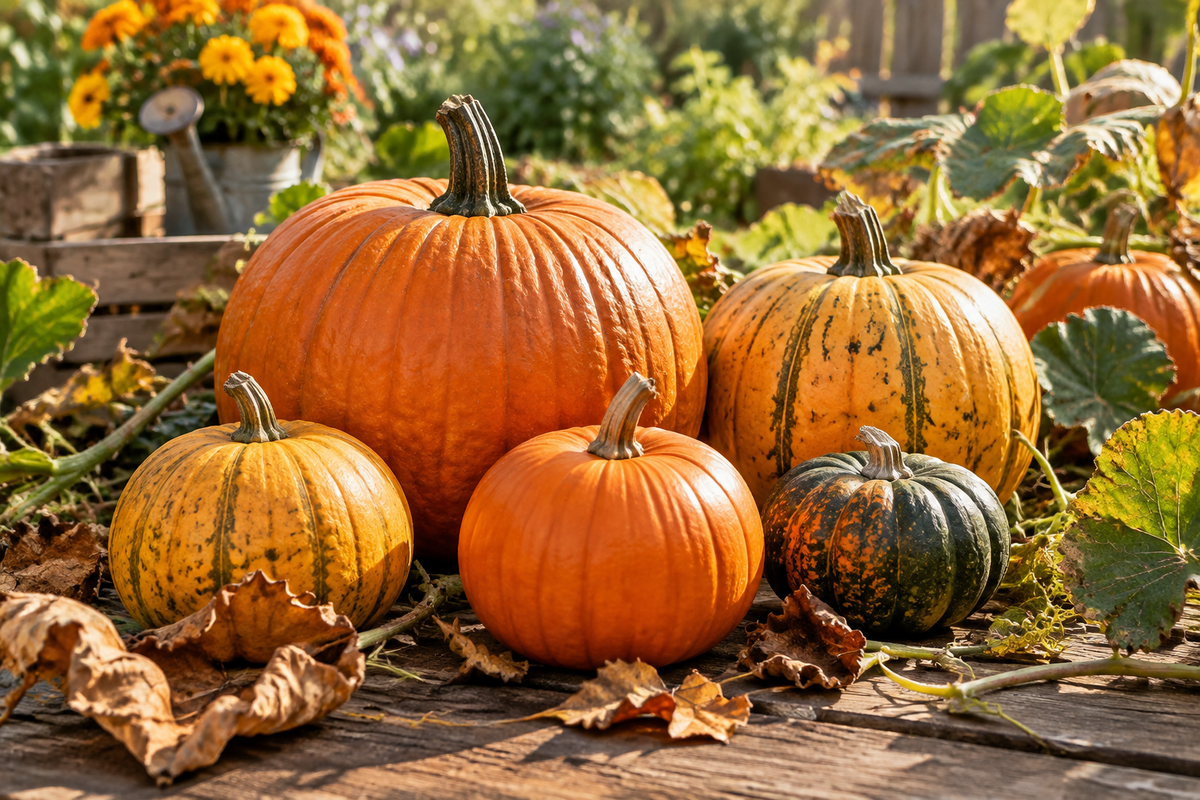
Growing your own pumpkins is deeply satisfying, and when harvest time arrives in early autumn, you will suddenly find yourself with far more orange flesh than you know what to do with. With just 30 calories per 100 g pumpkin is rich in vitamin A and a source of potassium, which makes it one of the most rewarding crops in any kitchen garden. The question is: how do you turn a wheelbarrow of home-grown pumpkins into genuinely delicious meals that the whole family will love?
At Holland Kertészet, we hear this question from gardeners every single October. In my experience, the cooks who make the most of their garden pumpkin crop are the ones who plan ahead, thinking across sweet and savoury dishes so that nothing goes to waste. This guide covers 10 brilliant recipes, from Hungarian classics to Italian risotto and spiced cakes, and shows you exactly how to use every last gram of your harvest.
Key Takeaways
- Nutritional value is genuinely impressive: According to the Aprifel European nutritional database, raw pumpkin provides just 30 kcal per 100 g while delivering 64% of your daily vitamin A requirement, so eat more of it freely, especially in soups and stews where no fat is added.
- Roasting before cooking unlocks far more flavour: Roasting concentrates sugars and adds a caramel depth that boiling alone never achieves. Apply this step to any recipe that calls for puréed or chunked pumpkin.
- Hungarian recipes deserve a place on your table: As research published in PubMed Central confirms, pumpkin has been used as a functional food in Hungary for generations, traditional dishes like tökfőzelék and pumpkin soup are quick, budget-friendly, and deeply warming.
- Preserve the surplus: A bumper garden crop spoils if left untouched. Chutney and jam extend your pumpkin harvest for up to 12 months and make excellent gifts.
- Both sweet and savoury work brilliantly: Healthline's nutrition review confirms pumpkin suits both types of dish, so plan your 10 recipes to span cakes, soups, stews, risotto, and preserves.
Quick-Start Prioritisation Framework
| Recipe | Best For | Effort Level | Time to Results |
|---|---|---|---|
| Creamy Pumpkin Soup | Any cook, any week | Low | 45 minutes |
| Tökfőzelék (Hungarian Stew) | Midweek family meals | Low | 50 minutes |
| Pumpkin Risotto | Weekend cooking | Medium | 55 minutes |
| Spiced Pumpkin Cake | Baking enthusiasts | Medium | 1 hour 15 min |
| Pumpkin Beef Stew in a Pumpkin | Occasion cooking | High | 2.5 hours |
| Pumpkin Bread / Muffins | Breakfast & snacks | Low | 1 hour |
| Pumpkin Pasta | Quick midweek dinner | Low | 35 minutes |
| Roasted Pumpkin Seeds | Zero-waste snacking | Low | 20 minutes |
| Pumpkin Chutney | Batch preserving | Medium | 1.5 hours |
| Pumpkin Jam | Batch preserving | Medium | 1 hour |
Start here if you are:
- A busy home cook: Creamy Pumpkin Soup and Tökfőzelék, both ready in under an hour with minimal prep.
- Feeding a crowd: Pumpkin Beef Stew baked inside a whole pumpkin, spectacular to serve and uses up a large fruit in one go.
- Looking to preserve the harvest: Chutney and jam, make a double batch on one afternoon and you are sorted until next autumn.
Soups: Three Ways to Bowl You Over
Classic Creamy Pumpkin Soup
The simplest place to start with a fresh garden pumpkin is a good, honest soup. This creamy pumpkin soup you want in a autumn recipe, creamy, comforting, and bursting with the natural sweetness of pumpkin. It is simple enough for a light weeknight dinner with some crusty bread and a salad, but elegant enough to serve as a starter for your holiday table.
For a classic version, soften a large onion or leek in a little butter, add roughly 900 g of peeled and cubed pumpkin, a bay leaf, a sprig of thyme, and about one litre of vegetable stock. Simmer until completely tender (about 20 minutes), then blitz with a stick blender until smooth. Finish with a swirl of soured cream and the toasted seeds you saved from the pumpkin.
Pro Tip: Always roast your pumpkin at 200°C for 25 minutes before adding it to the soup pot. Roasting pumpkin before blending delivers maximum flavour, the caramelised edges add a depth that simply simmering in water cannot replicate.
Spiced Pumpkin Soup with Apple
For a more autumnal flavour profile, add one peeled and chopped apple to the pot alongside the pumpkin. Apple adds a subtle sweetness that pairs really well with the pumpkin. Season with half a teaspoon each of cinnamon, ground ginger, and freshly grated nutmeg, and finish with coconut milk or full-fat cream for richness. This version works beautifully as a starter at a dinner party.
Traditional Hungarian Pumpkin Soup
Pumpkins can be baked on their own and are exceptional in desserts, but on a cool autumn day, a hot dish of pumpkin soup served with its own roasted seeds is equally amazing. The Hungarian approach, documented on Hungary Today, uses 500 g of pumpkin for two people, softened with a chopped onion, then blended with 100 ml of soured cream (tejföl), seasoned with salt, pepper, and chilli flakes. It is bold, warming, and ready in 30 minutes.
Stews and Főzelék: Hungary's Greatest Pumpkin Gifts
Tökfőzelék, Hungarian Stewed Squash
If you grow your own pumpkin or courgette in Hungary, tökfőzelék is practically a seasonal obligation. Tökfőzelék is one of the most popular and healthy dishes in Hungary, cooked throughout the week and loved by all generations. It is a Hungarian stewed squash recipe with soured cream and dill, cooked in the traditional főzelék style.
The method, as described on My Hungarian Kitchen, is straightforward: coarsely grate 1 kg of peeled pumpkin and stew it gently with 500 ml of full-fat milk and a splash of white wine vinegar. Thicken with a roux of flour mixed into 250 g of tejföl (soured cream), and finish with a generous handful of chopped fresh dill. Serve with fried eggs or Hungarian meatballs (fasírt) on top.
Főzelék is a type of thick Hungarian vegetable stew or soup, similar to pottage. It sits somewhere between a soup and a side dish, exactly the kind of practical, nourishing food that a garden glut deserves.
Pumpkin Beef Stew Baked Inside a Pumpkin
For a genuine showstopper, choose a large, round pumpkin from your garden, at least 3 to 4 kg. Pumpkin stew combines tender chunks of beef, creamy potatoes, and savoury vegetables with sweet, roasted pumpkin for an unforgettable fall feast. After simmering on the stovetop, the stew is ladled into a large, hollowed-out pumpkin and baked until the squash is tender and its naturally sweet flavour infuses every spoonful.
Brown 500 g of diced beef in batches, then slow-cook with diced carrots, potatoes, onion, paprika, and beef stock for about 90 minutes on the hob. Hollow out your pumpkin, fill it with the stew, replace the lid, and bake at 180°C for a further 60 to 90 minutes until the pumpkin walls are soft. Serve by scooping some pumpkin flesh onto each plate alongside the stew.
Pro Tip: If you want the pumpkin flavour without the long oven step, add cubed pumpkin directly to the stew while it simmers on the stovetop and save the whole-pumpkin presentation for weekends.

Pumpkin Risotto and Pasta: Italian Inspiration
Creamy Pumpkin Risotto
Creamy pumpkin risotto is the perfect Italian comfort food for autumn, Arborio rice slowly cooked in broth until tender, then finished with Parmesan, cream, and delicious cooked squash. The authentic Italian version from Giallo Zafferano uses Carnaroli rice with 750 g of Delica pumpkin, vegetable broth, white wine, butter, and Parmigiano Reggiano.
I have found that roasting the pumpkin separately before stirring it into the risotto gives you control over texture; you can leave some chunks whole for bite, or mash it through for a completely creamy, golden result. Toast the rice in the pan for two minutes before adding any liquid: this one step makes a noticeable difference to the final texture.
Pumpkin Pasta Sauce
Pasta with pumpkin is a first course with a rich and creamy flavour, delicate but at the same time delicious and with an unmistakable taste. Soften garlic in olive oil, add 400 g of cubed pumpkin and a pinch of chilli, cook until soft, then mash roughly and toss through cooked pasta with a ladleful of pasta cooking water and a handful of grated Parmesan. Ready in 35 minutes, this is one of the best midweek meals you can make from a garden pumpkin.
Baking: Cakes, Bread, and Muffins
Spiced Pumpkin Cake with Cream Cheese Frosting
This pumpkin spice cake is wonderfully moist, packed with real pumpkin flavour, and has that perfect balance of warm spices. The key is using your own home-made pumpkin purée, roast a wedge of pumpkin, scoop out the flesh and blitz it smooth. As described by Sally's Baking Addiction, combine the purée with oil, eggs, sugar, flour, cinnamon, ginger, nutmeg, baking powder, and baking soda, then bake at 175°C for around 35 to 40 minutes.
Ground cinnamon, ground ginger and freshly grated nutmeg infuse every bite with warm autumn flavour; you can replace the individual spices with one tablespoon of mixed pumpkin spice if desired. Frost with a simple cream cheese icing made from 250 g of cream cheese beaten with 80 g of icing sugar and a squeeze of lemon juice. The result is moist, warmly spiced, and worth every minute.
Pumpkin Bread and Muffins
Moist, fragrant with spices, and easy to slice, pumpkin bread is a comforting bake that fills the kitchen with the aroma of autumn. Use the same basic batter as the cake but reduce the sugar slightly and bake in a loaf tin at 170°C for 55 to 60 minutes. For muffins, the batter fills 12 cases and bakes in just 22 to 25 minutes. These muffins are the perfect level of sweetness, moist and cosy, scented with pumpkin spice: cinnamon, ginger, allspice, nutmeg, and cloves. Both the bread and the muffins freeze beautifully, slice before freezing for grab-and-go breakfast convenience.
Pro Tip: Add 80 g of toasted pumpkin seeds or walnuts to the batter for crunch and an extra dose of nutrients. research published in PubMed Central magnesium, potassium, and selenium found in pumpkin seeds make them a nutritional powerhouse. This means that saving and roasting the seeds from your garden pumpkin is always worth the five minutes it takes.

Zero-Waste: Seeds, Chutney, and Jam
Roasted Pumpkin Seeds
Before you do anything else with your pumpkin, scoop out the seeds and rinse them thoroughly. Toss with a little olive oil, salt, and smoked paprika, then spread on a baking tray and roast at 175°C for 15 to 20 minutes, stirring once halfway through. They are addictive as a snack and brilliant scattered over soups or salads. Pumpkins are high in fibre and low in calories, and the seeds carry concentrated nutrition, so this tiny extra step pays real dividends.
Pumpkin Chutney
When you have more pumpkin than you can cook fresh, chutney is your best friend. A delicious autumnal chutney made with pumpkin goes well with almost all cold meats, cheeses, and curries. The straightforward recipe from Allotment Garden calls for 900 g of peeled and chopped pumpkin, 450 g of onions, 450 g of tomatoes, 570 ml of white vinegar, 675 g of brown sugar, garlic, allspice, and white peppercorns. Simmer everything together for about 45 minutes until thick, then pot into sterilised jars. Store in a cool, dark cupboard for three to four weeks before opening to allow the flavours to mature, the chutney will keep for up to 12 months.
Pumpkin Jam with Orange and Cinnamon
Pumpkin jam is one of the most overlooked preserves in European kitchens, and it should not be. As Larder Love demonstrates, the basic formula is simply 350 g of pumpkin, the juice and zest of two oranges, 20 g of fresh ginger, and 350 g of sugar. Boil to a setting point of 105°C, pour into sterilised jars, and seal. The result is a golden, lightly spiced spread that is wonderful on toast or stirred through yoghurt. This lightly spiced treat is a great way to use up an autumn glut and enjoy all year round.
Pro Tip: If your jam is not setting, add the juice of half a lemon. Lemon is naturally high in pectin and will help the jam reach the correct consistency without the need for commercial pectin products.
Common Mistakes to Avoid with Garden Pumpkin Cooking
Using a Carving Pumpkin Instead of an Eating Variety
The large, round orange pumpkins sold for Halloween decoration have watery, stringy flesh that tastes of very little. For all the recipes in this guide, choose a cooking variety. Hokkaido (red kuri), Butternut, Delica, or the Hungarian Nagydobos pumpkin all have dense, sweet flesh. The most famous Hungarian pumpkin variety is the Nagydobos pumpkin, with a cultivation tradition that dates back to the late feudal period.
Skipping the Curing Step After Harvest
After cutting your pumpkins from the vine, do not rush them straight into the kitchen. Before storing pumpkins, cure the skins by leaving the fruits out in the sun for around 10 days. In poor weather, place them in a greenhouse or on a sunny windowsill. Cured pumpkins store far longer and develop a richer flavour.
Throwing Away the Seeds and Skin
The seeds are nutritious and delicious when roasted. The skin of many eating varieties (particularly Hokkaido) is thin enough to eat once roasted, adding extra fibre to your dish. research published in PubMed Central for its peel, flesh, and seeds, a reminder that the whole fruit is useful.
Over-watering or Poor Storage
Once the skins have cured, store the pumpkins in a well-ventilated, cool room at a temperature of around 7 to 10°C. Check periodically for any signs of rot and remove any affected fruits. Stored pumpkins can last for up to six months. This means a well-managed garden crop can feed your family from October well into spring.

Frequently Asked Questions
How do I turn fresh garden pumpkin into purée for baking?
Cut the pumpkin in half, scoop out the seeds, and place the halves cut-side down on a lined baking tray. Roast at 200°C for 40 to 50 minutes until completely soft. Scoop out the flesh, leave it to cool, then blitz in a food processor until smooth. If the purée seems watery, drain it through a fine sieve lined with muslin for 30 minutes. One kilogram of raw pumpkin typically yields around 600 g of purée.
How long does a home-grown pumpkin keep once harvested?
Store cured pumpkins in a well-ventilated, cool room at around 7 to 10°C, and they can last for up to six months. Check them weekly and remove any that show signs of soft spots or mould, as a single rotting fruit can quickly spread to its neighbours on the shelf.
What is the best pumpkin variety for cooking in Hungary?
The most famous Hungarian pumpkin type is the Nagydobos pumpkin. For everyday kitchen use, Hokkaido (red kuri) is widely available across Europe, has thin edible skin, and works across soups, risotto, cakes, and stews. Butternut and Delica are also reliable choices with dense, sweet flesh and a long storage life.
Can I freeze cooked pumpkin dishes?
Yes, almost all of the recipes in this guide freeze well. Soups, stews, tökfőzelék, and pumpkin purée all freeze for up to three months. Pumpkin cake and bread slice well before freezing and can be taken out one slice at a time. The only exception is risotto, which does not freeze successfully as the rice loses its texture, risotto thickens considerably as leftovers, though they make excellent arancini rice balls.
What is the difference between tökfőzelék and pumpkin stew?
Főzelék is a type of thick Hungarian vegetable stew or soup, similar to pottage. It is a special category in Hungarian cuisine, not quite like a soup and thinner than a stew. It is simply cooked, typically by simmering rather than mashing. A Western-style pumpkin stew is generally chunkier, richer, and often contains meat. Tökfőzelék is a lighter, dairy-finished dish built around grated squash, closer to a creamy vegetable braise than anything else in European cooking.
Final Thoughts
A garden pumpkin crop is one of autumn's great gifts. After years of cooking with home-grown pumpkins, I have come to think of each large fruit as ten potential meals rather than one heavy vegetable to deal with. Work through this list across the season, soup on Monday, risotto on Friday, a batch of chutney on Saturday morning, and you will find that waste becomes virtually impossible. The team at Holland Kertészet is always happy to advise on which pumpkin varieties suit Hungarian growing conditions best, so that your next crop gives you even more to cook with.
Sources
-
Pumpkin Nutritional Sheet, Aprifel (European fruit and vegetable nutritional database). Nutritional values per 100 g of raw and roasted pumpkin aligned with EU dietary reference values. https://www.aprifel.com/en/nutritional-sheet/pumpkin/
-
Nutritional Value, Phytochemical Potential, and Therapeutic Benefits of Pumpkin, PubMed Central / National Institutes of Health. Peer-reviewed research on pumpkin as a functional food across Europe and Asia. research published in PubMed Central
-
9 Impressive Health Benefits of Pumpkin, Healthline. Overview of pumpkin nutrition, antioxidants, and immunity benefits. https://www.healthline.com/nutrition/pumpkin
-
Classic Pumpkin Soup, The Woks of Life. Recipe and methodology for classic autumnal pumpkin soup. This creamy pumpkin soup
-
Creamy Roasted Pumpkin Soup, Cookie and Kate. Method for roasting pumpkin before blending for maximum flavour. Roasting pumpkin before blending
-
Pumpkin Stew Recipe, Taste of Home. Instructions for beef and pumpkin stew baked inside a whole pumpkin. https://www.tasteofhome.com/recipes/pumpkin-stew/
-
Hungarian Cooking: Pumpkin Pottage, Food Tour Budapest. Traditional tökfőzelék recipe and background on Hungarian főzelék cooking. https://www.foodtourbudapest.com/blog/hungarian-cooking-pumpkin-pottage
-
Tökfőzelék, Hungarian Stewed Squash, My Hungarian Kitchen. Authentic soured cream and dill pumpkin stew recipe. My Hungarian Kitchen
-
Főzelék, Wikipedia. Cultural and culinary context for Hungary's traditional vegetable dish category. https://en.wikipedia.org/wiki/F%C5%91zel%C3%A9k
-
Pumpkin Soup, Hungary Today. Hungarian pumpkin soup recipe and history of the Nagydobos pumpkin. https://hungarytoday.hu/pumpkin-soup-recipe-cooking-hungarian/
-
Authentic Italian Pumpkin Risotto, Giallo Zafferano. Traditional northern Italian risotto with Carnaroli rice and Delica pumpkin. https://www.giallozafferano.com/recipes/pumpkin-risotto.html
-
The Best Pumpkin Cake, Sally's Baking Addiction. Tested recipe for moist spiced pumpkin sheet cake with cream cheese frosting. Sally's Baking Addiction
-
Easy Pumpkin Cake Recipe, Love and Lemons. Family-tested pumpkin cake using home-made purée. https://www.loveandlemons.com/pumpkin-cake-recipe/
-
Pumpkin Chutney Recipe, Allotment Garden. Traditional British allotment-style pumpkin chutney with vinegar and brown sugar. https://www.allotment-garden.org/recipe/96/pumpkin-chutney-recipe/
-
Easy Pumpkin Jam with Orange and Cinnamon, Larder Love. Lightly spiced pumpkin preserve using citrus and fresh ginger. https://larderlove.com/pumpkin-preserve/
-
How to Grow and Care for Pumpkins, Love the Garden. European growing guide including harvesting, curing, and storage temperatures. https://www.lovethegarden.com/uk-en/growing-guide/how-grow-pumpkins
-
Creamy Pumpkin Risotto, An Italian in my Kitchen. Step-by-step method for Italian-style roasted pumpkin risotto. https://anitalianinmykitchen.com/squash-risotto/
-
Easy Pumpkin Soup, Two Peas and Their Pod. Quick pumpkin soup recipe with ginger, cinnamon, and coconut milk. Two Peas & Their Pod's easy pumpkin soup


