

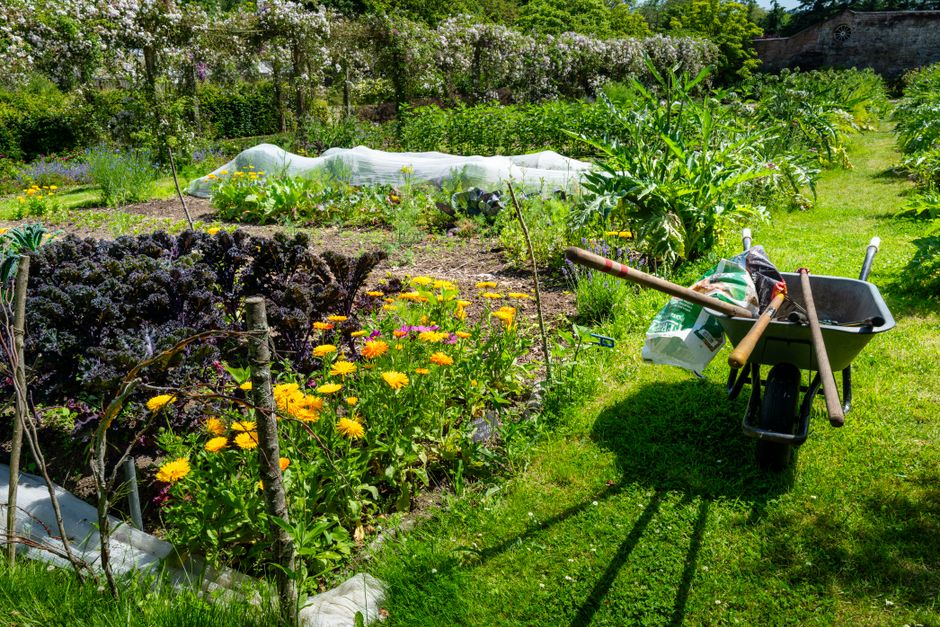
Every time you reach for a pesticide spray, you are fighting against nature. There is a better strategy, one that works with it. The USDA's Pesticide Data Programme found that over 57 percent of tested food commodities contain at least one pesticide residue. For eco-conscious gardeners who grow their own vegetables, that statistic is a powerful call to action: build a garden that does not need those chemicals in the first place.
Companion planting is the practice of growing specific plants together to boost productivity, deter pests, and improve soil health naturally. By harnessing the unique relationships between plants, this sustainable method reduces the need for chemicals while supporting a balanced garden ecosystem. The result is a vegetable garden that feeds your family cleanly, supports local wildlife, and saves you money on inputs year after year.
The good news is that you do not need a large plot or specialist knowledge. A handful of proven plant pairings, backed by modern university research, will transform how your vegetable garden handles pest pressure. Whether you are starting from seed with a supplier like Holland Kertészet or replanting an established bed, the principles in this guide apply from day one.

Key Takeaways
-
The science is solid: University Extension research has produced proven companion planting strategies, and these strategies can help reduce or eliminate insecticide use in the vegetable patch. Apply them deliberately, not randomly.
-
Diversity confuses pests: In one study, UF/IFAS Extension researchers noted that 36% of study insects laid eggs on host plants grown in bare soil, but only 7% laid eggs on host plants surrounded by companion plants. Aim for that level of diversity in every bed to cut egg-laying by roughly 80%.
-
Marigolds and tomatoes have real research behind them: A 2019 Newcastle University study confirmed that French marigolds intercropped with tomatoes from seedling stage significantly slowed whitefly population development over a 48-day period. Plant them at the start of the season, introducing marigolds after a whitefly outbreak is too late.
-
Beneficial insects are your allies: Companion plants provide a desirable environment for beneficial insects, especially predatory and parasitic species that keep pest populations in check. Predators include ladybird beetles, lacewings, hover flies, and mantids. Plant dill, parsley, and cosmos to recruit this natural workforce.
Quick-Start Prioritisation Framework
Before choosing companion plants, identify your primary goal. Different combinations serve different purposes, and trying to do everything at once leads to an overcrowded bed with no clear logic.
| Strategy | Best For | Effort Level | Time to Results |
|---|---|---|---|
| Repellent herbs (basil, thyme) | Tomatoes, peppers | Low | 2-3 weeks after planting |
| Trap crops (nasturtium) | Aphid-prone beds | Low | Pests redirect within days |
| Insectary flowers (dill, cosmos) | Whole-garden pest balance | Low-Medium | 3-6 weeks to recruit beneficials |
| The Three Sisters (corn, beans, squash) | Larger plots, new gardens | Medium | Season-long ecosystem benefits |
| Living mulch (clover, alyssum) | Any bed needing soil cover | Low | Immediate moisture + habitat |
Start here if you are:
-
A first-time companion planter: Choose nasturtium as a trap crop for aphids and basil next to tomatoes. Two plants, two problems solved, zero chemicals required.
-
A gardener with an established vegetable bed: Add dill and parsley around your brassicas and courgettes this week; they begin recruiting parasitic wasps as soon as they flower.
-
A larger-plot grower: Dedicate one bed to the Three Sisters method and observe the pest suppression and soil improvements over a full season before scaling up.
How Companion Planting Actually Works
Understanding the mechanism helps you make smarter planting decisions. Companion planting does not work by magic; it operates through well-documented biological and chemical processes.
The Scent-Confusion Effect
Insects often rely on chemical cues to find the plants they want to eat. Having plants and their chemical smells all mixed up makes it harder for the pest to find its preferred meal. This is why planting rows of a single vegetable is an open invitation to specialist feeders, your monoculture is broadcasting a clear signal.
Basil emits volatile compounds such as estragole, eugenol, and linalool, known to repel bugs like mosquitoes, flies, and common garden beetles. These compounds confuse or repel insects' sense of smell, making it tough for them to locate host plants like tomato vines or tender pepper leaves. Pinch basil regularly to maximise this volatile release throughout the season.
The Landings Theory
There is also the 'landings theory'. Insects land on a plant and 'taste' it with receptors in their feet. They need to land on the right plant a few times in a row before they lay an egg. If vegetable plants are all mixed together instead of grouped in sections, insects are less likely to land on the host plant several times consecutively. Mixed planting disrupts this process at every stage.
Recruiting the Natural Pest Force
Beneficial habitats, sometimes called insectary plantings, are a type of companion plant interaction that has drawn considerable attention. The benefit comes when companion plants provide a desirable environment for beneficial insects, especially those predatory and parasitic species that help keep pest populations in check. Plant dill in your brassica bed and you are not just adding an herb; you are building a recruitment station for the insects that hunt your worst pests.
Pro Tip: Plant your vegetables in a group with an herb and a flowering plant, instead of in separate sections and rows. That single layout change applies the scent-confusion and landings theory principles simultaneously, without any additional cost.
Four Companion Planting Combinations Backed by Research
Tomatoes + French Marigolds
This is the most studied pairing in companion planting, and the evidence is specific enough to act on. Research at Newcastle University indicates that companion planting short-vine tomatoes with French marigolds throughout the growing season will slow the development of whitefly populations.
The mechanism is chemical. Research from Newcastle University published in PLOS ONE confirmed that marigolds emit limonene, a volatile compound that measurably repels whiteflies from tomatoes. Below ground, French marigold roots suppress root-knot nematodes, a significant bonus in beds that have grown tomatoes before.
The Newcastle study drew one clear conclusion: when marigolds were introduced only after whitefly populations had already established on tomatoes, the plants provided no meaningful protection. Therefore, plant your French marigolds at the same time you plant tomato seedlings, not mid-season when the problem appears.
Tomatoes + Basil
In my experience, this is the pairing most home gardeners already know about, but few understand precisely enough to use it well. A 2024 study from Kagoshima University found that volatile compounds released from basil prime the tomato wound response, promoting jasmonic acid and reactive oxygen species signalling. Within mixed planting systems, companion plants can promote growth or enhance stress responses in target plants.
In a well-planned vegetable garden, basil is an active pest management system. Its foliage continuously emits volatile organic compounds that prime neighbouring vegetables to resist insect attack, attract predatory insects, and create an aromatic background that disrupts how pests locate host plants.
Pro Tip: Pinch basil flower buds as they appear. To maximise the basil's repellent effect, encourage vigorous leafy growth. Regularly pinch back the top sets of leaves, especially when flower buds form. This prevents the plant from bolting, which can alter its essential oil composition and reduce its aromatic potency.
Nasturtium as a Trap Crop
Nasturtium operates on a different principle to repellent companions. Instead of driving pests away, it deliberately attracts them to a sacrificial plant, protecting your food crops by offering something more tempting nearby.
Nasturtiums produce chemical compounds that many insects find irresistible, often causing them to bypass nearby vegetables entirely. One major garden enemy they help with is aphids. Aphids love nasturtiums almost as much as we do.
Not all aphid species will feed on nasturtium, but a majority of common garden aphids will be lured in, including green peach, melon, and potato aphids. For best results, place trap crops within four or five feet, but not much closer, to the plants you are trying to protect. Once aphids colonise the nasturtium, remove and dispose of the infested stems before populations move back to your vegetables.
Dill + Brassicas
Dill is a useful herb to grow near cruciferous vegetables like broccoli, kale, cauliflower, and cabbage. Dill flowers attract predators like ladybugs, hoverflies, and parasitic wasps to help take care of pests like aphids and cabbage looper caterpillars. Dill has been scientifically proven to reduce the number of aphids on cabbage leaves when interplanted.
Dill's umbrella-shaped blooms attract hoverflies, lacewings, minute parasitic wasps, tachinid flies, and lady beetles. The payoff shows up fast: once umbels open, you'll see syrphid larvae working aphid colonies within a week or two.
One caution: do not plant mature, flowering dill directly next to carrots. Dill and carrots share the same pests, so a mixed bed concentrates infestation. Worse, flowering dill is allelopathic to carrots and will stunt their growth significantly.
The Three Sisters, An Ancient System That Still Works
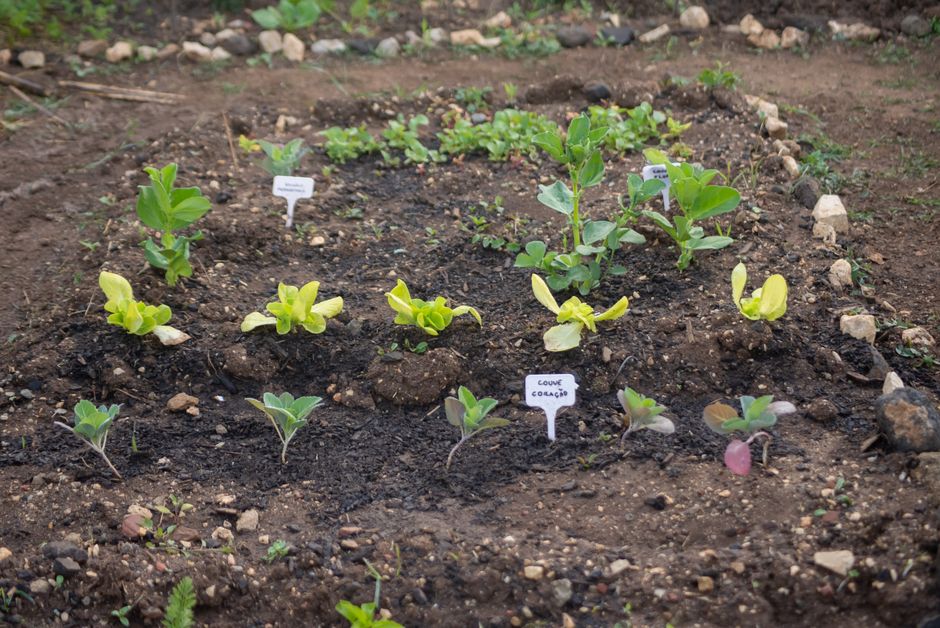
The concept of growing beans corn, and squash together is an ancient agricultural technique known as the Three Sisters method. This practice originated with Indigenous peoples of the Americas and is a brilliant example of companion planting, where different plants are grown together in a way that benefits each other.
The pest control properties are layered. The stiff trichomes on squash stems and leaves irritate the exoskeletons of cucumber beetles and squash vine borers, reducing infestation rates by up to 60% in Cornell field studies. Meanwhile, companion planting studies show strawberry plants adjacent to borage produced 35% more fruits and 32% increased yield by weight in field trials. Recent findings presented at the Ecological Society of America suggest these plants 'communicate', with maize signalling beans to lure insects that feed on pests.
The pole beans fix nitrogen in the soil to benefit all three plants. As the beans grow through the squash vines and wind up the cornstalks, they hold the sisters close together. The large leaves of the sprawling squash create living mulch that shades the soil, keeping it cool and moist and preventing weeds. That weed suppression alone reduces the need for both manual labour and herbicides.
The Old Farmer's Almanac guide to the Three Sisters provides detailed spacing and timing guidance for establishing this system in a home plot.
Pro Tip: Rotate your Three Sisters bed every three years. An ideal rotation sequence runs: Three Sisters, then alliums such as onions and garlic, then brassicas such as kale and cabbage, then back to Three Sisters. This prevents the build-up of soil-borne pests across seasons.
Common Companion Planting Mistakes to Avoid
I've found that most failures with companion planting come from a handful of avoidable errors rather than any fundamental problem with the method itself.
Mistake 1: Ignoring Growth Requirements
A common mistake with companion planting is ignoring the soil, water, and sunlight needs of each plant. Certified garden coach Sara Rubens warns to pay attention to growth habits so taller plants do not shade out smaller ones. Pairing a sun-hungry pepper with a tall brassica will harm the pepper before any pest gets a chance to.
Mistake 2: Planting Relatives Together
Growing plant family cousins side by side is a significant mistake, as it makes them vulnerable to easy picking from pests. Putting two types of brassica together, for example, doubles the signal that attracts cabbage white butterflies and aphids. Separate family members across the bed.
Mistake 3: Lack of Diversity
Planting only one of each species is a mistake. Pest confusion requires diversity. Aim for at least three species in each garden bed. A single marigold in a large tomato bed will have minimal effect, pest deterrence scales with planting density.
Mistake 4: Adding Trap Crops Too Late
The timing of nasturtium as a trap crop matters enormously. Once aphids have already colonised your vegetables, adding nasturtiums nearby will not redirect them, pests that have settled will stay put. Plant nasturtiums at the same time as or slightly before your vulnerable crops to intercept incomers before they land.

Planning Your Chemical-Free Garden Bed
Here is a practical layout approach that incorporates everything above into a manageable system.
Start with a paper sketch of your bed. Mark where the sun hits each section across the day. Place tall, heavy feeders such as corn and tomatoes on the north side so they do not shade shorter crops. Add a nitrogen-fixer such as beans or peas within three feet of each heavy feeder. Border the bed with flowering plants including calendula, alyssum, nasturtium, and buckwheat to draw beneficial insects. Insert two to three herbs including basil, thyme, and dill among the vegetables for pest deterrence.
This layout plan, drawn from Farmers' Almanac companion planting guidance, takes about twenty minutes to sketch and can save an entire season's worth of pest battles.
When it comes to seeds, starting with high-quality, chemical-free stock matters. The team at Holland Kertészet offers a range of vegetable and herb seeds suited to exactly these kinds of sustainable companion planting systems, a logical starting point for anyone building a chemical-free kitchen garden.
Frequently Asked Questions
Does companion planting actually work, or is it folk wisdom?
Thanks to recent University Extension research gardeners now have companion planting strategies that are proven to be effective. This includes scientifically sound practices that improve plant health and productivity, decrease damage from insects and disease, and decrease the need for pesticides. Companion planting is a legitimate horticultural practice that uses ecological principles of beneficial plant relationships to enhance establishment and survival of desired plants. That said, results vary by garden conditions, so start with the most-researched pairings first.
Which companion plants work best for a beginner?
Start with three plants that are easy to grow and have solid evidence behind them. French marigolds planted next to tomatoes, nasturtiums positioned four to five feet from aphid-prone beds, and dill sown at the edges of brassica rows will together cover the most common pest problems a beginner encounters. Companion planting works best when you mix in helpful plants that attract beneficial insects, deter pests, and support healthy growth across your beds.
How many companion plants do I need for effective pest control?
Density matters significantly. Some attractive and useful companion plants really do help ward off certain insect pests from specific crops. Plant these companions in quantity and they can serve to reduce the populations of common insect pests of vegetables. A general rule is one flowering insectary plant (dill, cosmos, or parsley) per square metre of vegetable bed, with trap crops positioned at every bed border.
Can companion planting replace pesticides entirely?
Ultimately, cultural control strategies like companion planting can conserve species diversity, reduce pesticide use, and enhance pest control. For most home vegetable gardens, a well-planned companion planting scheme can manage the majority of common pests without any chemical intervention. In cases of severe infestation, additional organic methods such as hand-picking or physical barriers may be needed alongside companion plants.
Are there combinations I should avoid?
Yes. Companion planting folklore is mostly harmless, but a handful of pairings are genuinely incompatible: they share pests, share diseases, compete for nitrogen, or release allelopathic compounds that shut each other down. Specific pairings to avoid include fennel with any vegetable (it is broadly allelopathic), dill next to carrots at the flowering stage, and alliums directly next to legumes such as beans and peas.
Start This Season
Companion planting in a vegetable garden is one of the most cost-effective, evidence-backed tools available to eco-conscious growers. The initial investment is small, a packet each of French marigolds, nasturtiums, basil, and dill, and the returns accumulate as your garden builds a self-sustaining ecosystem of beneficial insects, confused pests, and healthier crops.
The key habit is planning before planting. Sketch your bed layout, identify your most pest-vulnerable crops, and choose companions that directly address those threats. Pair that intention with high-quality organic seeds from a trusted supplier like Holland Kertészet, and you have everything you need to grow clean, chemical-free vegetables this season and every season after.
Sources
-
Companion Planting Can Help Reduce or Eliminate Insecticide Use, UF/IFAS Extension, University of Florida. Research-backed strategies for home gardeners. https://blogs.ifas.ufl.edu/duvalco/2026/03/02/companion-planting-can-help-reduce-or-eliminate-insecticide-use-in-the-garden/
-
Companion Planting with French Marigolds Protects Tomato Plants from Glasshouse Whiteflies, PLOS ONE / Newcastle University. Peer-reviewed study on limonene and whitefly deterrence. https://journals.plos.org/plosone/article?id=10.1371%2Fjournal.pone.0213071
-
Companion Basil Plants Prime the Tomato Wound Response, PubMed / Kagoshima University, 2024. Study on basil VOCs and tomato pest resistance. https://www.ncbi.nlm.nih.gov/pmc/articles/PMC11263239/
-
Companion Planting & Botanical Pesticides: Concepts & Resources, ATTRA / NCAT Sustainable Agriculture. Overview of insectary planting and biological control. https://attra.ncat.org/publication/companion-planting-resources/
-
Companion Planting Chart for the Vegetable Garden, Old Farmer's Almanac. Research-backed chart of vegetable and herb pairings. https://www.almanac.com/companion-planting-guide-vegetables
-
The Three Sisters: Corn, Beans, and Squash, Old Farmer's Almanac. Guide to the Three Sisters companion planting method. https://www.almanac.com/content/three-sisters-corn-bean-and-squash
-
When Maize Screams, Beans Listen, FAO Agroecology Database / Ecological Society of America, 2024. Research on Three Sisters pest communication. https://www.fao.org/agroecology/database/detail/en/c/1711829
-
Companion Planting in Gardening, Virginia Cooperative Extension / Virginia Tech. Guide to insectary planting and farmscaping. https://www.pubs.ext.vt.edu/content/dam/pubs\_ext\_vt\_edu/spes/spes-620/SPES-620.pdf
-
Companion Planting Mistakes, Farmers' Almanac. Evidence-based bed layout and common errors guide. https://www.farmersalmanac.com/companion-planting-guide
-
Marigolds and Tomatoes: Companion Planting for Pest Control, Garden Insider. Summary of Newcastle and University of Hawaii marigold research. https://gardeninsider.org/plants/vegetables/marigolds-tomatoes-companion/
-
Companion Planting and Insect Pest Control, IntechOpen. Academic overview of companion planting pest suppression mechanisms. https://www.intechopen.com/chapters/42925
-
Global Organic Seed Market Forecast to 2035, Future Market Insights / GlobeNewswire, 2025. Market size, CAGR, and consumer trends in organic seed demand. https://www.globenewswire.com/news-release/2025/02/07/3022516/0/en/Global-Organic-Seed-Market-to-Reach-USD-12-50-Billion-by-2035-Driven-by-Rising-Organic-Food-Demand-and-Sustainable-Farming-Practices-Future-Market-Insights-Inc.html
-
USDA Pesticide Data Programme Annual Summary 2024, Beyond Pesticides. Analysis of pesticide residue findings in commercial food supply. https://beyondpesticides.org/dailynewsblog/2026/01/usda-monitoring-report-declares-pesticide-residues-in-food-supply-safe-despite-science-to-the-contrary/


