

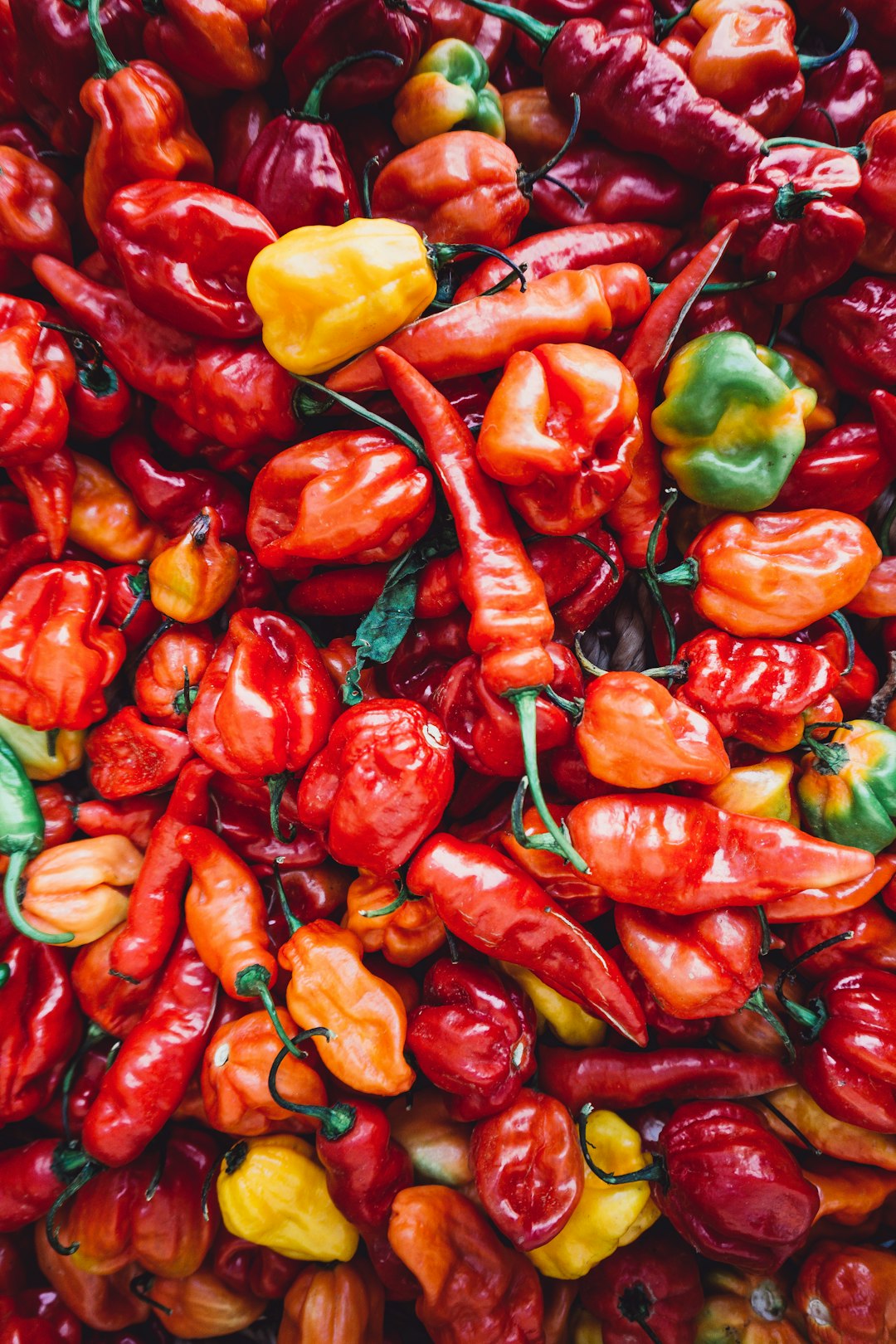
Few vegetables reward a European home gardener more than a healthy pepper plant loaded with fruit. From the famed paprika varieties of Hungary's Great Plain to sweet bell peppers grown on a sunny balcony in Budapest, peppers bring colour, flavour, and real satisfaction to the plot. The process breaks down into four clear stages: sowing seeds indoors in late winter, transplanting once the frosts are gone, harvesting at the right moment, and keeping pests and disease at bay throughout. Get each stage right, and you will rarely go short of peppers from July all the way through October.
According to the Food and Agriculture Organization, global production of capsicums reached 38 million metric tonnes in 2023, with Europe contributing significantly through high-quality cultivation. That scale of demand means the techniques below are proven at every level, from a window box to a market garden. Whether you are growing sweet bell peppers for salads or iconic Hungarian wax varieties, the fundamentals are the same, and this guide walks through all of them.

Key Takeaways
-
Start seeds early indoors: The most practical answer for European conditions is to sow from February, start slow varieties even earlier, and transplant outdoors only after warming up in the second half of May. Sowing late loses weeks of productive growth you cannot recover.
-
Soil pH is non-negotiable: A pH between 6.0 and 6.8 is the sweet spot for pepper nutrient uptake, outside that range, plants cannot absorb certain minerals even when they are present in the soil. Test before you plant, then amend accordingly.
-
Harvest timing defines flavour: Red, orange, and yellow bell peppers can be harvested any time after they are green-mature, taking about three extra weeks to fully ripen to their final colour, and flavour gets more citrusy and sweeter the longer they are left to ripen on the plant. Picking too early sacrifices sweetness.
-
Pests need early action: The major pests of sweet pepper are arthropod pests such as thrips, whiteflies, mites, and aphids, which cause enormous damage by feeding and ovipositing on pepper leaves, fruit, and flowers, leading to decreased quality and marketability of fruits. Weekly inspection catches infestations before they escalate.
-
Rotation prevents soil disease: Management strategies include rotating the crop every 3-4 years away from pepper, and soil fumigation or solarisation can reduce the level of disease inoculant in the soil. Never replant peppers in the same spot two seasons running.
Quick-Start Prioritisation Framework
| Strategy | Best For | Effort Level | Time to Results |
|---|---|---|---|
| Indoor sowing + heat mat | All growers in Central/North Europe | Low | 7-21 days germination |
| Soil pH testing and amendment | Gardens with unknown soil history | Low | Before planting |
| Compost enrichment | Raised beds and containers | Low | Immediate improvement |
| Hardening off transplants | Outdoor beds after mid-May | Medium | 2-week process |
| Aphid monitoring | All plots, especially polytunnels | Low | Ongoing weekly task |
| Crop rotation planning | Anyone who grew peppers last season | Low | Season-long benefit |
Start here if you are:
-
A beginner with a windowsill or balcony: Begin with indoor sowing, this gives you the maximum growing season in Hungary's climate.
-
An experienced gardener with a raised bed: Focus on soil amendment and pH testing first, then plan your rotation to avoid soilborne disease.
-
Growing in a greenhouse or polytunnel: Prioritise aphid and spider mite monitoring, as warm enclosed conditions accelerate pest populations dramatically.
Step 1, Sowing Pepper Seeds Indoors
When and How to Sow
Sow sweet pepper seeds indoors from mid-February to early March for plants that are to be grown under glass, and in late March or early April for growing outdoors. This timing applies across most of Central Europe, including Hungary, where late frosts can persist into April. In my experience, rushing outdoor planting after a warm week in April almost always results in setback; it is better to wait.
Plant seeds at a depth of about 6 mm into small containers with sterile potting soil or seed-starting mix. To germinate, they need 18-21°C so after sowing, place in a heated propagator if available, or on a warm windowsill. A seedling heat mat makes a genuine difference here: ideal soil temperature is 24-29°C especially important for hot and super hot peppers, as bottom heat dramatically improves germination rates. Once seeds are planted, position your grow light 6-12 cm above the tray.
Pro Tip: Cover your seed tray with a clear lid or a piece of cling film to maintain humidity during germination. Remove it as soon as the first sprouts appear to prevent fungal issues. A small desk fan on low setting will strengthen stems and keep the air moving.
Caring for Seedlings
Move pepper transplants into a 7-8 cm pot once they have at least two sets of leaves. Transfer tray-grown pepper seedlings into these pots when the plants have at least two sets of leaves, as potting up is necessary to give seedlings the space and nutrients they need to grow, especially if sowed in small cells.
After pepper seedlings grow their next set of leaves, known as true leaves; they need to be fertilised regularly so that they continue growing well. Fertilisation generally starts about two weeks after pepper seeds have germinated. Use a diluted liquid fertiliser at quarter-strength to begin with, increasing gradually as the plant develops.
Step 2, Soil Preparation and Transplanting
Preparing the Soil
Hungarian wax pepper plants prefer well-drained, fertile soil with a pH between 6.0 and 6.8. Amend heavy clay soil with compost or aged manure to improve drainage. This advice applies equally to all pepper types grown across Europe. Before transplanting, test your soil pH with an inexpensive kit available from most garden centres. If your pH is below 6.0, add garden lime; if above 6.8, work in sulphur or acidic compost.
Incorporate compost or well-rotted manure into the soil to improve fertility and structure. Apply a balanced fertiliser, for example a 10-10-10 formulation, according to soil test recommendations to provide a baseline of nutrients. For container growing, Plukkers' complete pepper guide recommends working compost-treated soil together with nettle manure in the initial phase for strong plants and good fruit set.
Transplanting Outdoors
For greenhouse or glasshouse growing: sow February to March, plant out under glass in May, and harvest July to October. For open ground: sow indoors February to March, transplant outdoors mid-May, and harvest from late August to early October.
Spacing matters. Space plants 30-45 cm apart. Peppers prefer slightly acidic soil with a pH of 6.0-6.8. Before moving plants outside, harden them off carefully: gradually harden off pepper transplants 4-6 weeks after sowing indoors by introducing the seedlings to direct sunlight, dry air, and cool nights over two weeks.
Pro Tip: Transplant in the late afternoon or on a cloudy, calm day to reduce transplant shock. Water the pots thoroughly the evening before moving day so the root ball stays intact when you lift it.

Step 3, Feeding, Watering, and Plant Care
Watering the Right Way
Water deeply and consistently providing about 25-50 mm per week. Avoid overhead watering to minimise foliar disease. This is one of the most common errors I have seen in home gardens, watering from above keeps the foliage wet overnight and invites fungal problems. Use drip irrigation or water at the base of the plant in the morning so any accidental splash dries through the day.
Sweet peppers are particularly vulnerable to water stress when fruiting, so keep the soil evenly moist. If they are not given enough water, the fruits can develop a slightly bitter flavour and may get blossom end rot.
Fertilising Through the Season
As soon as the first flowers appear, feed weekly with a high-potash liquid fertiliser such as tomato feed. Prior to flowering, a balanced NPK fertiliser supports leafy growth. After flowering begins, switch to a lower-nitrogen, higher-potassium feed to push the plant's energy into fruit development rather than leaves.
Mulch around plants with 5-7 cm of straw or shredded leaves to conserve moisture and suppress weeds. Apply a balanced fertiliser or compost tea every 3-4 weeks during the growing season. According to Farmonaut's 2026 fertiliser guide, over 60% of pepper growers in 2025 adopted sustainable fertilisers, boosting yields and reducing chemical runoff, therefore consider organic options like fish emulsion or comfrey liquid as your primary feed.
Pinching and Supporting
Pinch out the tip of the main stem once your plants get to about 30 cm tall. This will encourage the growth of side shoots, creating a bushier, more productive plant with better airflow through the canopy. Support taller varieties with a stake or small cage, as heavy fruit can snap branches in summer wind.
Step 4, Harvesting Peppers at the Right Time
Knowing When Peppers Are Ready
The best way to tell when peppers are ready to pick is to look for changes in colour. Almost all pepper varieties will go through a colour change during the ripening process. For example, bell peppers change from green to a deep red when fully ripened.
Most sweet peppers mature in 60-90 days; hot peppers can take up to 150 days. If you want the maximum sweetness and nutritional value from your bell peppers, patience pays. Pick bell peppers when they reach a full size and stop growing larger. For a sweeter flavour, wait for them to start turning red, then harvest to finish ripening indoors.
How to Harvest Without Damaging the Plant
Use a sharp knife or scissors to cut the peppers from the plant. Pick the first peppers when they reach usable size, as this helps accelerate the growth of the other peppers on the plant. Pulling by hand risks snapping off entire branches, especially in wet weather when stems are more brittle. The best time to harvest bell peppers is in the early morning before the heat of the day kicks in.
Pro Tip: If frost is forecast before your peppers have fully coloured up, harvest all fruits at whatever stage they have reached and ripen them on a warm indoor windowsill. They will continue to develop colour, though the sweetness will be slightly less than vine-ripened fruit.
Storing Your Harvest
Cut the fruits away with a sharp pair of clean pruners then store in the refrigerator ready to enjoy. They freeze well too. Chilli peppers may also be dried then pulverised in a food processor to store as chilli flakes in airtight jars. In Hungary, drying paprika varieties on strings in a warm, airy spot is a tradition that transforms the home harvest into a year-round supply of home-made paprika powder.
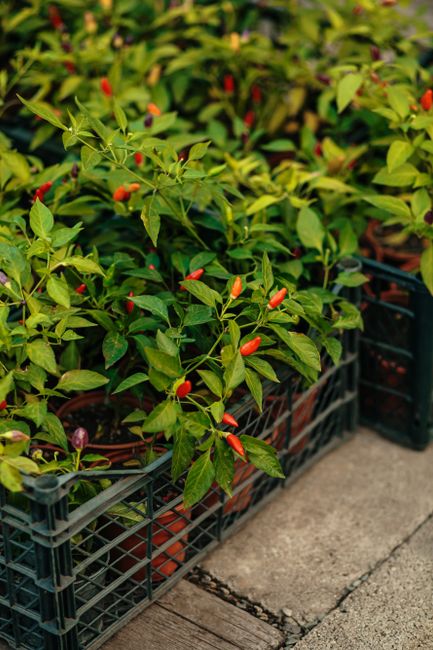
Step 5, Protecting Peppers from Pests and Disease
The Most Common Pests
Aphid control in pepper is essential, both in the greenhouse and outdoors. The aphid is one of the most common pests in horticultural crops, with serious consequences for the fruit; it opens the door to numerous infections and viruses.
When you spot an infestation, act quickly using this order of escalation:
-
Knock aphids off with a strong stream of water from a hose.
-
Apply an insecticidal soap solution to affected areas, focusing on the undersides of leaves.
-
One of the most popular treatments for aphids and other common pests is neem oil. If you plan to use this treatment, be sure to buy 100% cold-pressed neem oil with azadirachtin.
-
Introduce beneficial insects. Ladybugs are one of the most effective and natural ways to control pests on pepper plants. They feed heavily on aphids, spider mites, and other soft-bodied insects, making them a valuable ally in any garden.
Spider mites are a serious threat to pepper plants and can be difficult to detect early due to their extremely small size. These tiny, eight-legged pests typically live on the undersides of leaves. Check the undersides of leaves weekly, especially during hot, dry spells.
Common Diseases and How to Stop Them
All powdery mildew strains make patches of fuzzy grey-white growth on pepper leaves. The mildew spreads to other leaves, eventually infecting surrounding crops. This disease occurs commonly in warm climates with high overnight humidity. According to Epic Gardening's pepper disease guide, prevent it by spacing plants correctly under full sun and avoiding overhead watering.
Blossom end rot is a fruit disorder associated with inconsistent watering and a calcium deficiency. Other contributing factors include root damage, excessive soil salinity, and heavy applications of nitrogen fertilisers. Prevent it by watering consistently and working well-rotted compost into the soil before planting. According to New Mexico State University's pepper disease research, providing sufficient water to prevent water stress is the single most effective control.
Bacterial leaf spot manifests as dark lesions with yellow halos on the leaves, which may eventually lead to leaf drop and reduced plant vigour. This disease is often exacerbated by overcrowded planting, excess moisture, and poor sanitation practices. To manage bacterial leaf spot, growers should implement crop rotation, provide adequate spacing between plants, and avoid working among wet plants to minimise disease spread.
A Note on Europe-Specific Pressures
Recent years have witnessed increased frequency of droughts and heatwaves in key producing regions such as the Great Plain in Hungary. According to the European Drought Observatory, severe drought conditions affected 47% of the EU territory in 2023, leading to a 15% reduction in capsicum yields in affected areas. This means Hungarian home growers should prioritise mulching and drip irrigation to buffer against summer heat and drought. Keeping 7 cm of straw mulch around your plants is not optional in a hot July; it can be the difference between a full harvest and stressed, unproductive plants.
Common Mistakes to Avoid
These pitfalls are worth knowing before you start, not after you have already lost plants:
-
Sowing seeds too late, in Hungary, seeds sown after March will never reach full productivity before autumn.
-
Planting out before night temperatures reliably exceed 10°C, cold nights stunt peppers and can kill young transplants.
-
Watering from above, this encourages powdery mildew and bacterial leaf spot on foliage.
-
Over-applying nitrogen fertiliser, this produces lush leaves but delays and reduces fruit set.
-
Skipping crop rotation, avoid planting peppers and tomatoes on the same land for three years to prevent soilborne disease build-up.
-
Leaving overripe fruit on the plant, red bell peppers left too long will start to shrivel and feel soft to the touch. Harvest promptly to keep the plant producing.
Frequently Asked Questions
When should I sow pepper seeds in Hungary and Central Europe?
The most practical answer for European conditions is to sow from February, start slow varieties even earlier, and transplant outdoors only after warming up in the second half of May. For greenhouse or polytunnel growing, you can plant out in early May. Never transplant before night temperatures are consistently above 10°C, as cold spells after transplanting set plants back significantly.
What soil pH do peppers need, and how do I fix it?
Conduct a soil test to determine its pH level and nutrient content. Peppers prefer slightly acidic to neutral soil, with a pH range of 6.0 to 6.8. Based on the soil test results, amend the soil with organic matter such as compost or well-rotted manure to improve its fertility and structure. Add garden lime to raise pH or composted bark to lower it if needed.
How do I know when my peppers are ripe enough to pick?
Harvest your peppers when you see signs of corking, and you will know you picked your peppers at the peak of their ripeness. Peppers ripen in stages, and you can technically pick the fruit at any stage once it is fully formed, unless you want to save seeds for next year. For maximum sweetness, wait for the full colour change to red, orange, or yellow, this takes roughly three extra weeks after the green-mature stage.
What is the best organic treatment for aphids on pepper plants?
Start with a jet of water to knock aphids off the plant, then apply insecticidal soap to the undersides of leaves. Neem oil is not an instant fix and will not eradicate aphids immediately. The oil works by starving the aphids and disrupting their natural reproduction cycle. Reapply every four to seven days until the infestation clears. For ongoing prevention, plant companion flowers such as marigolds and alyssum nearby to attract beneficial insects.
Can I grow peppers in containers on a balcony in Hungary?
Yes, absolutely. Hungarian wax peppers do great in containers and small gardens. Choose a container at least 40 cm in diameter with good drainage holes and fill with a quality peat-free potting compost enriched with compost. Place in the sunniest, most sheltered position available, water consistently, and feed weekly with a liquid tomato fertiliser once flowering begins. You can expect a good harvest from July through September. Suppliers like Holland Kertészet are a good source for quality pepper seeds and seedlings suited to Hungarian growing conditions.
Sources
-
When to Plant Chilli Peppers in Europe, Palivuo. Practical European sowing calendar with timing for different climate zones. https://www.palivuo.com/blog/post/27-when-to-plant-chilli-peppers-in-europe
-
How to Grow Sweet Peppers, RHS (Royal Horticultural Society). Comprehensive UK and European pepper growing guide including sowing, care, and harvesting. https://www.rhs.org.uk/vegetables/peppers/grow-your-own
-
Hungarian Wax Pepper Growing Guide, PlanNative. Detailed cultivation conditions for Hungarian pepper varieties. https://plantnative.org/hungarian-wax-pepper-guide.htm
-
How to Grow Peppers, BBC Gardeners' World. Practical guidance on sowing, feeding, and harvesting peppers. https://www.gardenersworld.com/how-to/grow-plants/how-to-grow-peppers/
-
Major Pests and Pest Management Strategies in Sweet Pepper, IntechOpen. Peer-reviewed research on arthropod pests in Capsicum annuum. https://www.intechopen.com/chapters/82890
-
Aphid Control in Pepper, SEIPASA. European-focused guide to aphid detection and control in pepper crops. https://seipasa.com/en/blog/aphid-control-in-pepper/
-
9 Common Pepper Diseases, Epic Gardening. Identification and prevention of powdery mildew, blossom end rot, and other diseases. https://www.epicgardening.com/pepper-diseases/
-
Chile Pepper Diseases, New Mexico State University. Research-backed guidance on blossom end rot and disease control. https://pubs.nmsu.edu/\_circulars/CR549/
-
When to Harvest Bell Peppers, Ask The Food Geek. Detailed breakdown of harvest timing and colour-change stages. https://askthefoodgeek.com/when-to-harvest-bell-peppers/
-
How to Fertilise Pepper Plants (NPK Schedule), Know The Pepper. Fertiliser scheduling by growth stage. https://knowthepepper.com/guides/fertilize-pepper-plants/
-
Sowing and Growing Peppers: A Complete Guide, Plukkers.com. European-language pepper growing guide with timing for greenhouse and open ground. https://plukkers.com/en/blogs/gewasinfo/paprika-zaaien-en-kweken-complete-gids-voor-een-rijke-oogst
-
Europe Paprika Market Report, Market Data Forecast. Data on European capsicum imports and Hungary's role in regional production. Recent years have witnessed
-
Best Fertiliser for Pepper Plants 2026, Farmonaut. Survey data on sustainable fertiliser adoption among pepper growers. Farmonaut's 2026 fertiliser guide
-
How to Get Rid of Pests on Pepper Plants, Pepper Joe. Practical aphid, spider mite, and neem oil treatment guide. https://pepperjoe.com/blogs/grow-with-joe/how-to-get-rid-of-pests-on-pepper-plants
-
Growing Peppers from Sowing to Harvest, GrowVeg. European-edition growing calendar and care guide. https://www.growveg.com/guides/growing-peppers-from-sowing-to-harvest/


