

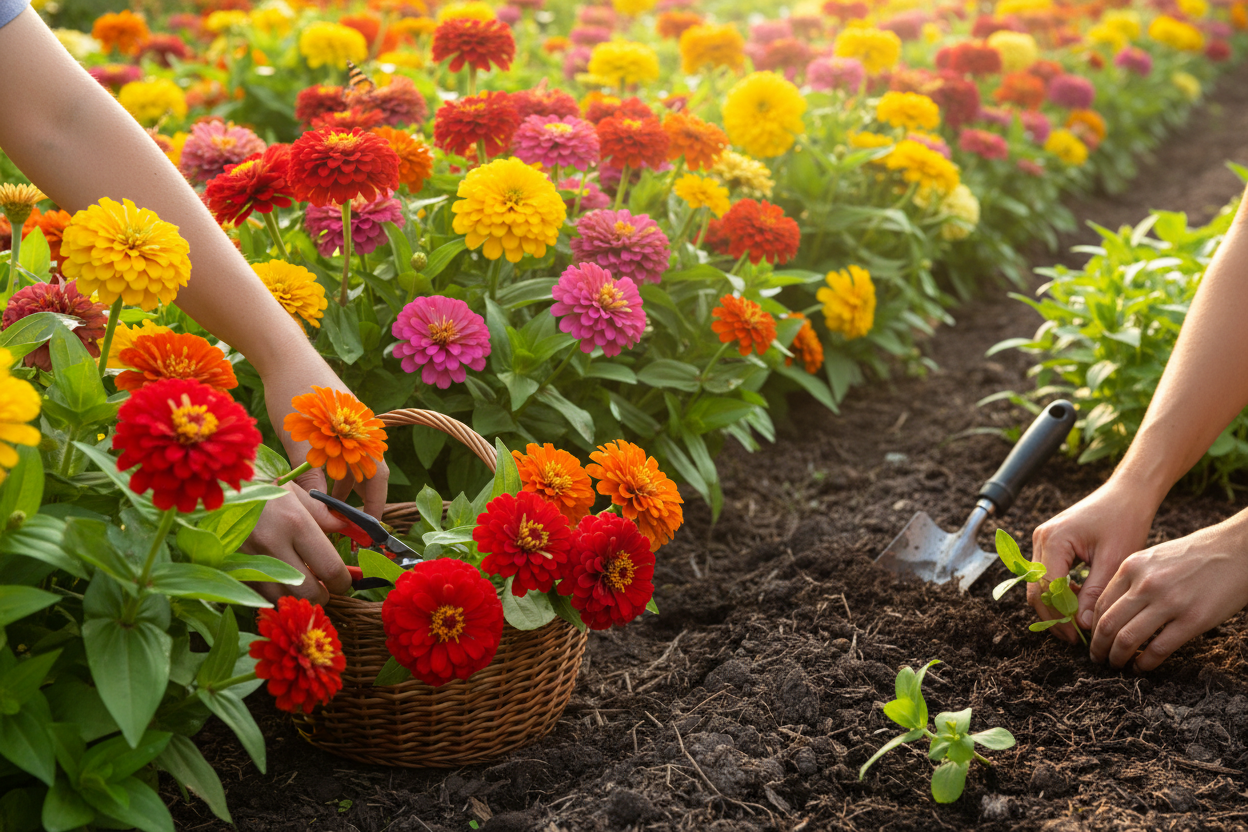
Zinnias are, without question, one of the most rewarding flowers a gardener can grow. From the moment seeds touch warm soil to the day you carry a bucket of vibrant blooms indoors, the process is fast, forgiving, and genuinely satisfying. To grow, harvest and protect zinnia plants successfully, the basic process involves sowing seed into warm, well-drained soil after the last frost, caring for plants with consistent watering and good airflow, cutting blooms regularly to keep them producing, and defending against powdery mildew and common insect pests. Follow those four pillars and your zinnias will flower from midsummer right through to the first autumn frost.

Whether you are planting your first packet of seeds or trying to get more from an existing patch, this guide walks you through every stage, from choosing varieties to saving seed at the end of the season.
Key Takeaways
-
Sow after frost, not before: Zinnias are frost-sensitive annuals that thrive in warmer weather, so you should wait until your last frost has passed to sow them outdoors. Starting too early wastes effort and produces stressed plants.
-
Succession sow for continuous blooms: Succession sow new seeds every 10 to 14 days through late spring so you will have fresh flowers opening week after week. If you sow only once, your display will peak and fade within weeks.
-
Cut more to get more: One zinnia plant can produce 20 or more blooms over a single season if you harvest it regularly, every cut encourages the plant to branch into two new stems, each with its own bloom on the way. Leaving flowers on the plant tells it to stop producing.
-
Vase life depends on how you cut: When cut at the appropriate stage and cared for properly, zinnia blooms can last anywhere from 7 to 10 days in a vase, sometimes up to two weeks, a longevity that rivals chrysanthemum or carnation. Use the wiggle test (see below) to cut at precisely the right moment.
-
Airflow is your best disease defence: Proper air circulation will help to dry the leaves the leaves and prevent powdery mildew. Proper spacing at planting is therefore one of the most important decisions you will make.
Quick-Start Prioritisation Framework
| Task | Best For | Effort Level | Time to Results |
|---|---|---|---|
| Direct sowing outdoors | Most gardeners | Low | 7-10 days to germination |
| Indoor sowing and transplanting | Cold climates, earlier blooms | Medium | 4-6 weeks to transplant |
| Succession sowing | Cut-flower enthusiasts | Low | Week-by-week fresh blooms |
| Pinching young plants | Bushy, high-yield plants | Low | 2-3 weeks extra branching |
| Deadheading and harvesting | All gardeners | Low, ongoing | Immediate bloom extension |
| Disease prevention (spacing, watering) | Humid gardens | Low | Season-long protection |
Start here if you are:
-
A first-time grower: Direct sowing outdoors after frost, the absolute simplest approach with the fastest payoff.
-
In a cool-climate garden: Begin indoors 4 to 6 weeks before last frost, then transplant carefully to avoid disturbing roots.
-
Building a cutting garden: Combine succession sowing with consistent harvesting for a non-stop supply of vase-ready stems all summer.
Step 1, Choosing the Right Zinnia Variety
Understanding Your Options
Succession sow new seeds every 10 to 14 days from, selecting the right zinnia seeds is your first step to success. Zinnias come in a dazzling range of sizes, shapes, and colours, making them a perfect fit for any garden design or container.
For most home gardeners, the decision comes down to three main groups:
-
Tall cutting types produce long stems ideal for bouquets, reaching 1 meter to 1.30 m in height.
-
Compact border types suit containers, edges, and smaller plots.
-
Pollinator-focused varieties with open, single blooms that give bees and butterflies easy access to nectar and pollen.
The Zahara Zinnia offer disease resistance to leaf spot and mildew, resulting in longer-lasting plants in the autumn. If your garden suffers from humidity or poor airflow, these are worth choosing from the outset. The Zinnia elegans offers medium-sized, sturdy double and semi-double blooms, used in cut flower bouquets with longer stems and additional flushes of blooms, and is less susceptible to powdery mildew than other larger cut flower zinnia series.
Where Holland Kertészet Can Help
Holland Kertészet stocks a well-curated selection of zinnia seed varieties, making it straightforward to find the right cultivar for your garden, whether you want compact patio types or tall-stemmed varieties suited to a cutting patch.
Step 2, Sowing Zinnia Seeds Successfully
When to Sow
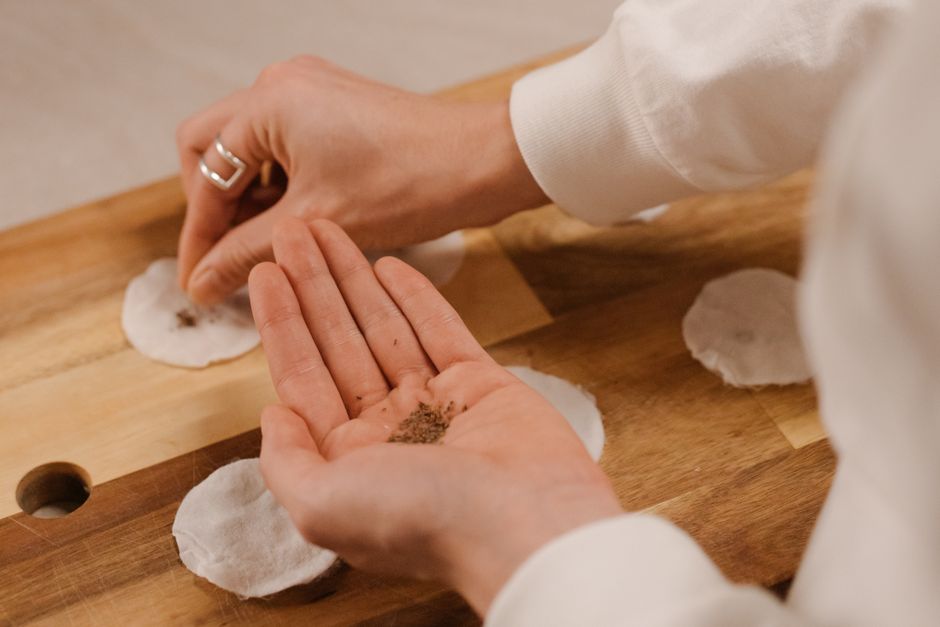
Timing is the single most important sowing decision. Sow outdoors one to two weeks after your average last frost date. The ideal soil temperature for zinnia seed germination is 21 to 27 degrees Celsius. Sowing into cold soil delays germination and invites rot.
When starting indoors, begin 4 to 6 weeks before your average last frost date, then transplant outdoors after the last frost. Zinnias do not benefit from being planted early, wait for warmer weather.
Direct Sowing Outdoors
Direct sowing is the method most gardeners will get the best results from. Before sowing, remove weeds and work compost or aged manure into the soil. Then proceed as follows:
-
Rake the surface smooth so that seeds make firm contact with the soil.
-
Sow seeds approximately 6 mm deep.
-
Water gently after sowing and keep the surface consistently moist until germination.
-
Succession sow new seeds every 10 to 14 days of sets of true leaves, thin them so they have room to grow, anywhere from 15 to 40 cm apart depending on the variety.
Pro Tip: Soaking zinnia seeds before planting for about 12 to 24 hours will help reduce germination time. Simply place them in a small cup of water overnight, then sow as normal the following morning.
Starting Indoors
Use a lightweight seed-starting mix and sow seeds 6 mm deep. Sow two seeds per pot, then thin to the strongest plant once leaves appear by clipping the extra plant at soil level using scissors.
The strongest plant may not be the tallest, look for thick, strong stems and deep colour. By thinning early, you minimise the negative impact of crowding, such as stems stretching for light.
Zinnia seeds usually germinate within 5 to 7 days when kept in a warm, bright location. Place trays under grow lights or on a bright windowsill, and use a heat mat to maintain consistent soil warmth.
Transplanting Without Shock
Succession sow new seeds every 10 to 14 days do not have to disturb the roots during transplanting, as zinnias do not like being moved more than once. When hardening off, introduce plants to outdoor conditions gradually over five to seven days before setting them in their final position.
Step 3, Growing Conditions and Ongoing Care
Sunlight and Soil
Proper air circulation will help to dry the leaves soil and full sun of at least 6 hours per day. In partial shade, stems stretch and flowering is noticeably reduced, therefore position them in the sunniest part of your garden or balcony.
Zinnias thrive in well-draining soil soil that is rich in organic matter. The main requirement is good drainage and a loose structure, since waterlogged soil invites root rot and creates the damp conditions that encourage powdery mildew on the foliage. If your soil is heavy clay, work in generous amounts of compost before sowing.
Watering the Right Way
Proper air circulation will help to dry the leaves regularly, but water at the base of the plants, as getting the foliage wet will encourage leaf spot diseases. They prefer well-drained soil and require regular watering, especially during dry spells, water deeply once a week rather than giving frequent light watering.
In my experience, switching to a soaker hose or drip system is one of the single most effective things you can do for zinnia health. Drip irrigation and soaker hoses deliver water directly to the roots where it is needed, rather than onto the foliage. Overhead watering combined with tight spacing keeps foliage wet longer and compounds the fungal risk, especially in humid climates.
Fertilising Without Overdoing It
In fertile, compost-amended soil zinnias often do not need much additional fertiliser. A balanced slow-release granular fertiliser worked in at planting is usually enough. Too much nitrogen leads to big leaves and fewer flowers.
Fertilise lightly with a balanced fertiliser once a month during the growing season to encourage healthy growth and blooming. If your plants are producing abundant, dark green foliage but relatively few blooms, cut back on feeding.
Pinching for More Blooms
Early in the season, a technique called pinching encourages a bushier plant structure. This involves removing the very top portion of a young zinnia, typically when it has developed three to four sets of true leaves. Pinching sacrifices the first central bloom but forces the plant to branch low, resulting in a sturdier plant that yields a greater number of blooms overall.
Pro Tip: Pinching gets your plants off to the right start, while deadheading is what keeps them productive all season long. Think of pinching as a one-time investment at the beginning of the season and deadheading as the ongoing maintenance that pays dividends week after week.
Step 4, How to Harvest Zinnia Blooms

The Wiggle Test, Do Not Skip This
Use the wiggle test by holding the stem a few cm below the flower head and gently shaking it. If the stem bends easily and the flower head wobbles, the bloom is too immature and will likely wilt quickly once cut. If the stem remains stiff and holds the flower head upright during the gentle shake, the bloom is ready for harvest.
Unlike many flowers, zinnias do not open any further after cutting. Wait until the petals have fully unfurled and are vibrant in colour. Cutting too early is one of the most common beginner mistakes and one of the easiest to avoid.
When and How to Cut
The best time to cut is during the cooler part of the day, specifically early morning after the dew has dried, when the stems are fully hydrated.
Use sharp, clean shears to make a diagonal cut about 1 cm above a leaf node or branching point. This angled cut increases the surface area for water absorption and encourages the plant to produce new blooms.
When a zinnia stem is cut, it draws air into the vascular system, which can block water uptake and cause rapid wilting. To prevent this, place the freshly cut stems immediately into a bucket of clean water. This instant submergence helps seal the cut and minimises the risk of air bubbles forming in the tissues.
Extending Vase Life
The average vase life of cut zinnias is about 5 to 7 days. However, with proper care, you can make them last up to 10 days. Therefore, every handling decision you make from the moment of cutting either extends or shortens that window.
Follow these steps after cutting:
-
Strip any leaves that will fall below the waterline to prevent bacterial growth.
-
Allow stems to condition in a bucket of cool water in a shaded spot for at least two hours before arranging.
-
Change the water every one to two days for the longest-lasting displays, every one to two days is ideal, but at a minimum every three days.
-
Keep arrangements in a cool spot, away from direct sunlight and heat sources.
Pro Tip: Zinnia stems benefit from floral preservatives. Place cut stems immediately in a fresh flower food solution with 1 per cent sugar. This feeds the bloom and inhibits bacterial growth in the vase water simultaneously.
Saving Seed at Season's End
The best time to harvest zinnia seeds is usually after the first frost in autumn or at the end of the growing season. Wait for the zinnia flower heads to dry out and turn brown. The petals should be wilted, and the flower head should feel crispy to the touch.
Towards the end of the season leave a few flowers intact so that they can develop seeds. Forgetting to do so is a common deadheading mistake, as you will miss the chance of getting new plants for free. Once ripe, the seeds can be collected and stored for sowing elsewhere in your garden.
Step 5, Protecting Zinnias from Pests and Disease

Powdery Mildew, The Main Threat
Powdery mildew is a fungal disease (Golovinomyces cichoracearum) that appears primarily on plant foliage but may also infect flowers and stems. It appears as a greyish-white, powdery coating on zinnias. While powdery mildew rarely kills a mature plant, it severely weakens it. It causes leaves to yellow and drop, exposes stems, and stops the production of new, healthy blooms.
Prevention is far simpler than treatment. The key cultural steps are:
-
Spacing: Proper spacing is key, since overcrowded plants trap humidity and promote the spread of powdery mildew. Aim for at least 15 to 25 cm between plants.
-
Watering at the base: As covered in Step 3, keeping foliage dry is fundamental.
-
Mulching: Use mulches to increase soil moisture retention and suppress weeds, and control soil splash that might contain spores by using soaker hoses, drip irrigation, or watering by hand closer to the root zone.
-
End-of-season cleanup: At the end of the growing season, remove all plant debris remove all plant debris to reduce the carryover of fungal disease inoculum. This will lessen or delay the occurrence of diseases the following year.
If mildew does appear, a milk and water solution is a natural, effective way to prevent and treat powdery mildew on zinnia plants. Regular application, combined with good gardening practices, can keep your zinnias healthy and thriving. For more persistent infections, according to At the end of the growing season, remove all plant debris, copper-based fungicides, neem oil, sulphur, and several systemic fungicides are all effective options. At the end of the growing season, remove all plant debris development, spray plants weekly. Always spray fungicides in the late evening to reduce the impact on pollinating insects.
Pro Tip: Dispose of infected plant debris responsibly to prevent the spread of powdery mildew. Avoid composting infected plant material, as compost piles may not reach temperatures high enough to kill fungal spores. Instead, seal infected plant debris in plastic bags and dispose of them in general waste.
Common Insect Pests
Zinnias have few insect pests, but aphids, spider mites, and whiteflies may damage plants, especially during hot, dry weather. Overall, zinnias are resistant to many pests and diseases, but these insects will prey upon plants that may be stressed and under-watered during the hottest weather. Therefore, maintaining consistent watering during heatwaves is your first line of pest defence.
For active infestations:
-
Aphids and spider mites can be hosed off the plants with a strong stream of water.
-
Insecticidal soap or neem oil are both safe and effective options for organic pest control.
-
At the end of the growing season, remove all plant debris soap may be applied to control spider mites, aphids, and whiteflies, but always spray flowering plants in the late evening to prevent harming beneficial insects.
-
Ladybirds and lacewings are natural predators of aphids and can be encouraged into the garden to help control their population.
Zinnias can face a range of secondary challenges including bacterial soft rots, leaf spot diseases, botrytis blight, and thrips, all of which are best managed through the same cultural practices of good spacing, base watering, and prompt removal of infected material.
Zinnias and Pollinators, A Garden Bonus
Zinnias provide nectar and pollen that support a wide array of pollinators and enhance biodiversity in your garden. These vibrant blooms attract bees, butterflies, and even hummingbirds, each playing a crucial role in the pollination process.
Butterflies particularly like the large, open blooms of zinnias because they make a great landing platform, and it is the abundance of pollen and nectar that keeps pollinators coming back. In addition to the pollinators, zinnias also attract many helpful insects that can control common garden pests.
Ladybirds, which prey on aphids and mites, are drawn to zinnias. Predatory wasps are attracted to the plentiful nectar, and they help control cabbage worms, tomato hornworms, and stinkbugs. This means a well-tended zinnia patch actively supports the health of the rest of your garden.
Common Zinnia Growing Mistakes to Avoid
I've found that the same handful of errors appears in almost every struggling zinnia patch, and every single one is easy to correct once you know what to look for.
Planting Too Early or Into Cold Soil
Jumping the gun on sowing is perhaps the most common mistake beginners make. Zinnia seeds are quick to germinate and mature, so the seedlings will be ready to plant outdoors about four weeks after sowing. If you start the seeds too soon, you will be left with overgrown plants that are itching to get in the ground.
Overhead Watering
Overhead watering is not recommended because it may cause spotting on the petals, splash soil onto the foliage, and promote disease spread and mildew. Always water at the base.
Overcrowding Plants
Zinnias need room to breathe. Crowding reduces airflow and increases the risk of mildew. A few small mistakes with spacing can lead to fewer blooms, poor airflow, and plants that start declining earlier than they should.
Neglecting to Deadhead
Failing to deadhead regularly or overlooking dead flowers results in zinnias channelling their energy into seed production, leading to fewer blossoms. Check plants every few days and remove spent blooms before they fully mature.
Cutting Blooms Too Early for the Vase
Zinnias need a different approach than most summer flowers because they do not continue to develop after cutting, a bud stays a bud, a half-open bloom stays half-open. That means the moment you cut is the moment you lock in the result. Always perform the wiggle test before cutting.
Over-fertilising
In partial shade, plants stretch and do not bloom as well. Over-fertilising can cause lush green growth at the expense of flowers. Stick to a light monthly feed and let compost-enriched soil do most of the work.
Frequently Asked Questions
How long does it take for zinnias to bloom from seed?
From seed to first bloom, zinnias generally take about 90 days, which means you start seeing flowers by mid to late summer. Some smaller varieties can bloom in as few as 50 days. This is why succession sowing every two weeks is so effective; it staggers the timing so you always have fresh blooms coming on.
Can I grow zinnias in pots or containers?
Yes, zinnias adapt well to container growing. If you are growing zinnias in pots, choose a well-draining container that is at least 15 to 30 cm wide and fill it with a rich potting mix. For container-grown zinnias, a standard quality potting mix with added perlite works well. Containers dry out faster than garden beds, so you want a mix that holds some moisture without becoming waterlogged, and always make sure containers have drainage holes.
Why are my zinnia leaves going white and powdery?
Powdery mildew is a fungal disease that casts a white or grey powdery film over the leaves and stems. This is not just a cosmetic issue; it can gradually weaken your plants, leading to yellowed leaves and stunted growth. Improve airflow through better spacing, switch to base watering, and treat with a diluted neem oil spray or a milk-and-water solution applied to all leaf surfaces every 7 to 10 days.
How often should I deadhead my zinnias?
Towards the end of the season throughout the growing season. Wait until the flowers fade, shrivel, and start to turn brown before snipping them off. In practice, checking your plants every two to three days during peak summer is ideal. The more regularly you deadhead, the more consistently the plant redirects energy into new blooms.
Do zinnias come back every year?
Zinnias grown in most temperate gardens are treated as annuals and do not return after frost kills them. However, learning how to save seeds is a valuable skill. Zinnias, with their wide range of colours and forms, are a gateway to sustainable gardening practices. By understanding how to carefully harvest seed heads from your favourite zinnias, you can ensure that these delightful flowers continue to grace your garden year after year.
Is it safe to grow zinnias near vegetables?
Zinnias will attract pollinators and other helpful insects to improve your vegetable garden. They are widely used as companion plants, and their ability to draw beneficial predatory insects makes them particularly valuable when planted alongside brassicas, courgettes, and tomatoes. Marigolds planted alongside zinnias are known to help deter pests and their strong scent is said to confuse insects, which may help keep your zinnias healthy too.
A Final Word
Growing, harvesting, and protecting zinnias comes down to a handful of repeatable habits: sow into warm soil, give plants space to breathe, water at the root, cut often and cut correctly, and act promptly at the first sign of mildew or pest pressure. I've found that gardeners who treat deadheading and harvesting as a twice-weekly rhythm rather than an occasional chore are consistently the ones who end up with the fullest, most productive plants by August.
For quality zinnia seeds, growing supplies, and expert advice tailored to your garden, Holland Kertészet is an excellent starting point, their range includes varieties suited to everything from compact patio pots to large-scale cutting patches.
Sources
-
Zinnia Sow and Grow Guide, Botanical Interests. Germination temperatures, indoor sowing guidance. https://www.botanicalinterests.com/community/blog/zinnia-sow-and-grow-guide/
-
How to Grow Zinnias from Seed, Epic Gardening. Sowing timing, frost sensitivity, growing from seed. https://www.epicgardening.com/grow-zinnias-from-seed/
-
How to Grow Zinnias from Seed, Park Seed. Succession sowing, spacing, direct sow method. Succession sow new seeds every 10 to 14 days
-
How to Grow Zinnias from Seed, Hearts Content Farmhouse. Sowing depth, seed soaking, outdoor direct sow. https://heartscontentfarmhouse.com/grow-zinnias-from-seed/
-
How to Grow Zinnias: Best Varieties and Care Tips, Clemson University HGIC. Spacing, sunlight, soil, insect pests and diseases. Proper air circulation will help to dry the leaves
-
Zinnia Insect Pests and Diseases, Clemson University HGIC. Aphid, spider mite, whitefly control; powdery mildew fungicides. At the end of the growing season, remove all plant debris
-
Planting and Growing Zinnias, The Old Farmer's Almanac. Harvesting, deadheading, staking, watering. https://www.almanac.com/plant/zinnias
-
Where to Cut Zinnia Flowers for More Blooms, Biology Insights. Wiggle test, deep cutting technique, harvest timing. https://biologyinsights.com/where-to-cut-zinnia-flowers-for-more-blooms/
-
How Many Blooms Can You Get from One Zinnia Plant, Gardenary. Bloom production per plant, harvesting method. https://www.gardenary.com/blog/how-many-blooms-can-you-get-from-one-zinnia-plant
-
How to Keep Cut Zinnias Fresh for Longer, Biology Insights. Post-harvest conditioning, angled cuts, water placement. https://biologyinsights.com/how-to-keep-cut-zinnias-fresh-for-longer/
-
How to Make Cut Zinnias Last, Epic Gardening. Vase life, water changes, floral food. https://www.epicgardening.com/make-cut-zinnias-last/
-
Zinnias for the Farmer Florist, Mississippi State University Extension. Vase life, post-harvest storage, drip irrigation. https://extension.msstate.edu/publications/zinnias-zinnia-elegans-for-the-farmer-florist
-
Zinnia Plant Profile, Care, Vase Life and Common Problems, Your Flowers Guide. Vase life duration, wiggle test. https://yourflowersguide.com/zinnias/
-
Prevent and Protect Zinnias from Powdery Mildew, University of Illinois Extension. Spacing, mulching, disease-resistant varieties. https://extension.illinois.edu/news-releases/prevent-protect-zinnias-powdery-mildew
-
An Organic Method for Treating Powdery Mildew in Zinnias, ZinniaSeeds.com. Milk and water treatment, application frequency. https://zinniaseeds.com/blogs/news/an-organic-method-for-treating-powdery-mildew-in-zinnias
-
Treating Powdery Mildew on Zinnias, The Tattered Pew. Disease-resistant cultivars, infected debris disposal. https://www.thetatteredpew.com/treating-powdery-mildew-on-zinnias/
-
How to Deadhead Zinnias, Homes and Gardens. Deadheading method, seed saving at season end. https://www.homesandgardens.com/gardens/how-to-deadhead-zinnias
-
Zinnia Pests: Identify, Treat and Prevent, Lifetips by Alibaba. Aphid, spider mite, caterpillar thresholds, monitoring. https://lifetips.alibaba.com/plant-care/zinnia-pests
-
Zinnias, Common Garden Pests Control, UC IPM Programme. Full pest and disease list for zinnias. https://ipm.ucanr.edu/PMG/GARDEN/FLOWERS/zinnia.html
-
Vibrant Zinnias: Attract Pollinators for a Thriving Garden, Hucklebee Farms. Pollinator benefits, nectar, pollen. https://hucklebeefarms.com/blogs/help-the-pollinators/zinnias-for-pollinators
-
Zinnias Will Attract Butterflies and Bees, Horticulture Magazine. Best varieties for pollinators, butterfly attraction. https://www.hortmag.com/smart-gardening/zinnias-will-attract-butterflies-and-bees
-
7 Common Zinnia Growing Mistakes, Bricks 'n Blooms. Overhead watering, spacing errors, decline timeline. https://stacyling.com/zinnia-growing-mistakes/
-
How to Get 7-Day Vases from Zinnias, Blooming Expert. Vase life, gritty stage harvest, wiggle test mechanics. https://www.bloomingexpert.com/garden/flowers/zinnias-as-cut-flowers/


