

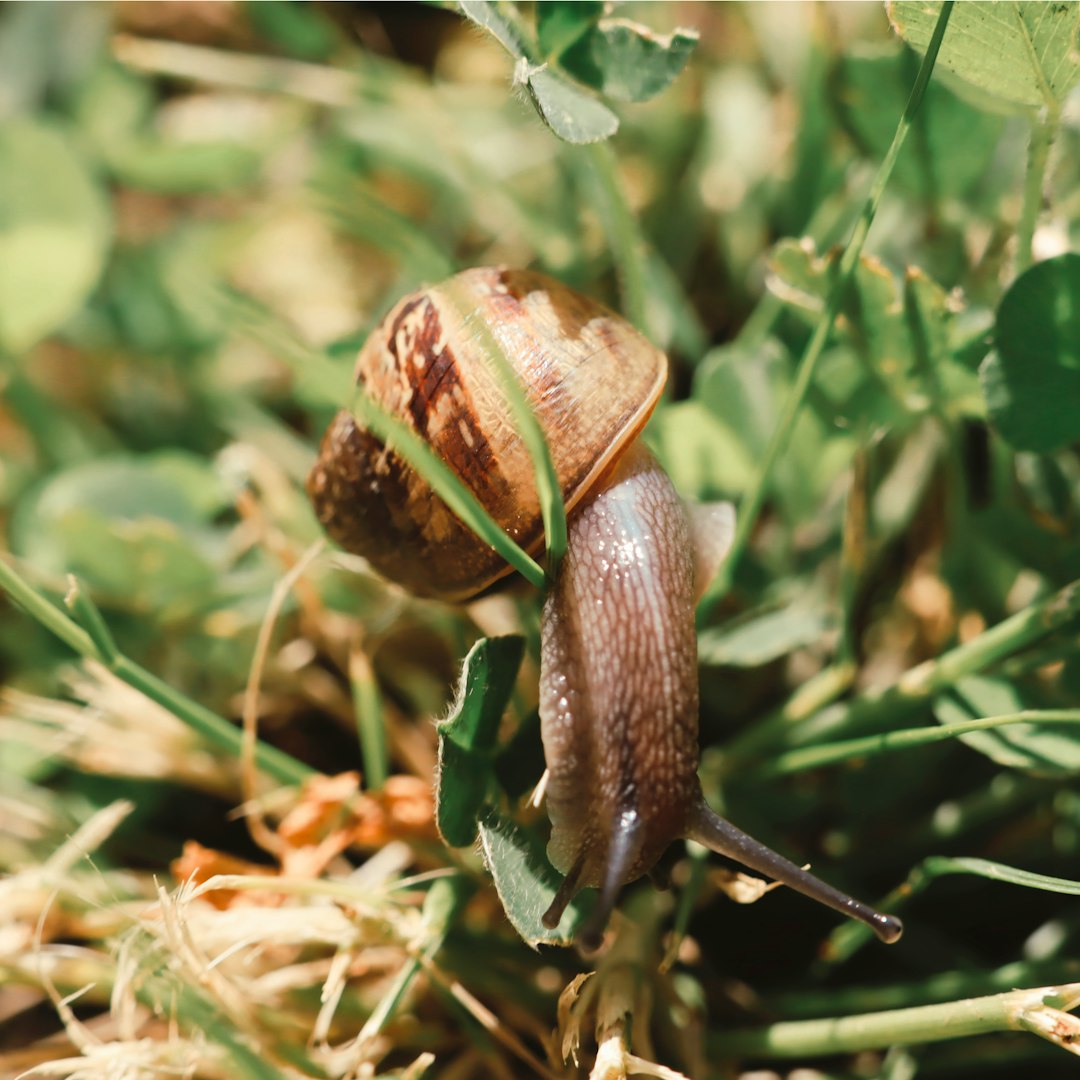
Slugs are out there right now, and they are hungry. One wet evening is all it takes for a thriving vegetable patch to look like something has been dragged through it backwards. If you have ever walked out to your garden on a damp July morning to find your lettuce reduced to lacy ribbons, you already know the frustration.
The good news is that you do not need a shelf full of chemicals to fight back. Organic slug control has matured enormously over the past decade, and a layered approach, combining barriers, traps, biological allies, and smart planting, can protect even the most slug-vulnerable garden without harming the wildlife that helps you in return. This guide walks you through the whole strategy, step by step.
Key Takeaways
-
Know your enemy's weak spots: Slug activity peaks at temperatures between 15°C and 20°C and decreases markedly above 30°C, so targeting interventions for cool, damp evenings, common across Hungary and Central Europe from spring through autumn, is far more effective than acting during the heat of the day.
-
Chemical pellets harm more than slugs: Metaldehyde slug pellets cause significant harm to wildlife, and their outdoor use was banned due to the risks they pose to birds and mammals. Switch to organic alternatives and you protect the natural predators that do much of your slug-control work for free.
-
Biological nematodes are a proven organic option: Current chemical control methods are often ineffective and harm non-target organisms; a viable alternative is the parasitic nematode Phasmarhabditis hermaphrodita, formulated into a biological control agent sold across northern Europe. Apply when soil temperatures exceed 5°C.
-
Morning watering is a free tactic: Slugs require 80-90% humidity levels to remain active, and research from the Royal Horticultural Society indicates they lose 20-25% of their body weight per hour in humidity levels below 75%, forcing them to seek shelter rather than feed. Water at dawn and let the surface dry before nightfall.
-
Layering methods beats relying on one: No single tactic eliminates slugs entirely. Combining barriers, traps, biological controls, and slug-resistant planting consistently outperforms any method used alone.
Quick-Start Prioritisation Framework
| Method | Best For | Effort Level | Time to Results |
|---|---|---|---|
| Morning watering | All gardens | Low | Immediate |
| Beer traps | Small beds, raised beds | Low | 1-3 nights |
| Copper tape | Pots and containers | Low-Med | Days |
| Nematodes | Beds, larger plots | Medium | 2-4 weeks |
| Wildlife habitat (pond, log pile) | Established gardens | Medium | 1 season |
| Slug-resistant planting | Long-term planning | Low (once planted) | 1 season |
| Iron phosphate pellets | High-pressure areas | Low | Days |
Start here if you are:
-
A beginner or pressed for time: Switch to morning watering immediately; it costs nothing and disrupts slugs every single night.
-
Protecting pots and containers: Copper tape around pot rims gives reliable results with minimal maintenance.
-
Managing a larger plot organically: Nematodes are your strongest weapon for scaling up without chemicals.
Step 1: Understand What You Are Dealing With
The Slug That Causes Most of the Trouble
The grey field slug (Deroceras reticulatum) is the most widespread villain in European gardens. The grey field slug is native to the European region, North Africa, and the Atlantic Islands, and occurs widely in Europe in open agricultural areas; countries where it is a significant agricultural pest include Great Britain, Ireland, Austria, Bulgaria, the Czech Republic, the Netherlands, Poland, and Slovakia, a list that places Hungary squarely in its natural range.
Damage can range from complete crop loss where seedlings are consumed to a reduction in yield or quality, and reduction in quality can cause real economic loss when it occurs on fruits such as strawberries. If strawberries and lettuce are on your plot, consider them priority targets from April onwards.
When Slugs Are Most Dangerous
Slugs grow and reproduce more rapidly when it is mild and moist, and such conditions prevail in the spring and early autumn, making many crops more vulnerable at these times of year. In Hungary's continental climate, expect peak pressure in April through June and again in August and September. One slug can lay as many as 300-500 eggs per year, and in a humid summer their spread is even faster. Therefore, interrupt their breeding cycle now and you will have fewer to fight next year.
Pro tip: Go out with a head torch about two hours after dusk on the first warm, damp evening of the week. Count how many slugs you see in a square metre of your most vulnerable bed. If you spot more than five, it is time to bring in multiple controls at once rather than relying on a single tactic.
Step 2: Adjust Your Watering and Garden Hygiene
Water in the Morning, Every Morning
This single habit change is the cheapest slug deterrent available. Most slug and snail species are nocturnal feeders, and watering gardens in the evening provides an environment that encourages increased feeding activity. Switching to morning irrigation means the soil surface dries out well before slugs emerge after dusk.
If you use drip irrigation, the improvement is even more pronounced. Since slugs and their eggs thrive in wet conditions, always water in the morning so the garden dries by nightfall, and consider switching from overhead irrigation to drip irrigation, which targets water at the root zone and keeps plant foliage dry.
Remove Their Daytime Hideouts
Slugs spend daylight hours resting under anything damp and dark. Rake up fallen leaves, spent stems, and other debris before they turn into slug shelters, and put the waste on the compost heap instead. While you are at it, lift any flat stones or boards near vulnerable beds and check the undersides; you may find an entire community waiting for nightfall.

Step 3: Set Physical Barriers
Beer Traps, Reliable, Cheap, and Easy
Beer traps remain one of the most effective hands-on methods for quickly reducing local slug populations. Bury shallow plastic containers around your garden and fill them with beer; if you cannot bear to give up your drink, pubs may give you something from the slop bucket, but be careful not to fully bury the container, and leave a small lip above soil level so that beneficial beetles do not fall in and drown.
Refresh the traps every two to three days. Position them at bed edges and near your most vulnerable plants, then rotate locations weekly to intercept slugs travelling different routes.
Copper Tape on Pots and Containers
Copper tape creates a mild electro-chemical reaction when slug mucus contacts the metal surface, which deters most slugs from crossing. The results are mixed in field trials, but the evidence tilts towards copper being useful in specific settings. Field trials across UK and Pacific Northwest Northwest gardens show a 60-75% reduction in slug incursions when tape is correctly installed on clean, dry, vertical wood or metal bed frames, but the effect drops below 30% if mulch touches the tape or rain pools beneath it.
The lesson is clear: copper tape works best on container rims, where the surface stays unobstructed. Maintaining copper strips by occasionally cleaning them with a kitchen scourer or steel wool to remove oxidation will enhance their effectiveness as a barrier.
Pro tip: Combine copper tape with a ring of coarse horticultural grit around the base of your most prized pots. The two barriers together cover different failure modes, grit deters slugs crossing from below, while copper stops them climbing from the side.
Step 4: Deploy Biological Controls
Nematodes, Your Most Powerful Organic Weapon
Current chemical control methods slug pellets is the parasitic nematode Phasmarhabditis hermaphrodita, which has been formulated into a biological control agent sold across northern Europe. The product is typically sold as a powder that you dissolve in water and apply to moist soil. The nematodes then find and infect slugs, which stop feeding and retreat underground to die.
Apply to soil when the temperature exceeds 5°C, typically from March onwards, and water in during evenings when soil is moist. Reapply every six weeks throughout the growing season.
In Hungary and across Central Europe, you will find nematode products available from specialist garden suppliers and online retailers. The *Phasmarhabditis hermaphrodita* nematodes are especially effective against slugs that live in the soil; in theory they also work against snails, but because snails live above ground the nematodes do not come into contact with them; the nematodes are most effective against the grey slug Deroceras reticulatum. This is precisely the species causing most garden damage across Europe.
If you are shopping for nematode products in Europe, the guide to biological slug control with nematodes provides a helpful overview of what to look for on product labels.
Attract Natural Predators
A well-designed garden can work for you around the clock. Toads and frogs, as well as the less common newts and salamanders, all feed on slugs and help to actively regulate their population in the garden; the common frog, the agile frog, the marsh frog, and the European tree frog are the most widespread species in this part of Europe.
Installing even a small wildlife pond makes a measurable difference. Frogs colonised one gardener's container pond and slug numbers dropped to such a level that she no longer bothers with other slug controls. For European gardeners, hedgehogs are another powerful ally, hedgehogs are ground-dwelling mammals mammals feeding on a range of different food items including slugs, snails, and earthworms, and therefore come into close contact with the pest populations in their habitats. A log pile in a quiet corner costs nothing and can host a hedgehog family throughout the growing season.
Pro tip: When you build a wildlife pond, include a gently sloping edge or place large stones inside the pond at water level. This gives hedgehogs a way to climb out if they fall in, making the habitat genuinely safe for them.
Step 5: Choose Slug-Resistant Plants Strategically
Plants That Slugs Simply Do Not Bother
Redesigning part of your planting scheme around slug-resistant species reduces pressure on your most vulnerable crops significantly. Plants with resinous herb-flavoured leaves, such as lavender, rosemary, salvia, monarda, agastache, and teucrium, are slug-resistant, as are plants with furry or fuzzy leaves such as artemisia, helichrysum, phlomis, and stachys.
Lavender, rosemary, sage, and other Mediterranean herbs produce volatile essential oils that slugs detect and avoid; according to Utah State University Extension, slugs usually avoid plants with aromatic foliage because their chemoreceptors are extremely sensitive to volatile compounds. In practical terms, this means planting a ring of rosemary, lavender, or fennel around or near your vegetable beds creates a living deterrent that works every night, rain or shine.
Know which plants are most vulnerable to slugs and plant them with slug-resistant plants nearby; vulnerable plants include lilies, cannas, hostas, and all members of the pea family. Protect these by positioning aromatic herbs as neighbours rather than growing them in open, exposed rows.

Step 6: Use Iron Phosphate Pellets as a Last Resort
When slug pressure is genuinely severe, particularly in spring when seedlings are most vulnerable, iron phosphate pellets are the organic gardener's safety net. Most organic slug pellets now contain ferric phosphate, a natural substance permitted for use in organic farming that poses no danger to humans, garden wildlife, soil microorganisms, or pets.
After ingestion, slugs stop feeding, retreat to their hiding places without forming slime, and die there, meaning the dead animals do not lie around in the beds. This is a significant practical advantage: there are no slug corpses left on the surface to be accidentally eaten by hedgehogs or birds.
Use pellets sparingly. If you have to resort to slug pellets, some are certified for use in organic growing and contain ferric phosphate, which will degrade harmlessly in the soil; however, these pellets also contain chelating chemicals that can be harmful to soil life, so use them sparingly, only four or five pellets per plant, and only occasionally.
Organic gardening supplies certified for use in Hungary and across the EU are available at Holland Kertészet, where you can find ferric phosphate pellets alongside nematode products and copper tape solutions suited to Central European growing conditions.
Common Mistakes to Avoid
-
Watering late in the evening. This is the single most common error that amplifies slug damage. Fix it today.
-
Using loose mulches near vulnerable plants. Straw and shredded wood mulches create ideal daytime slug refuges. Swap to compost or leaf mould instead.
-
Relying on eggshells alone. While eggshells add calcium to soil, the evidence for slug deterrence is weak once they become wet and compacted. Use them as a supplement, not a primary defence.
-
Applying nematodes to dry soil. Nematodes need moist conditions to move through the soil and reach slugs. Always water the area thoroughly before and after application.
-
Placing copper tape and then letting soil or mulch touch it. Any bridge across the tape renders it useless. Check monthly and clear debris away.
Frequently Asked Questions
When is the best time to apply slug nematodes in Hungary?
Apply to soil when the temperature exceeds 5°C, typically from March onwards. In Hungary's continental climate this usually means from late March through early October. Soil temperatures above 5°C but below about 20°C are optimal. Avoid applying during summer heatwaves when surface soil may dry out too quickly for the nematodes to survive.
Do beer traps harm beneficial insects like ground beetles?
Beer traps do attract and sometimes drown ground beetles, which are themselves natural predators of slug eggs. The fix is straightforward: leave a small lip above soil level when burying the container so that beneficial beetles that reach the rim can escape rather than fall in and drown. A rim height of about 1-2 cm above soil level is sufficient.
Are iron phosphate pellets genuinely safe for hedgehogs and pets?
Yes, when used correctly. Ferric phosphate is a natural substance permitted for use in organic farming and poses no danger to humans, garden wildlife, soil microorganisms, or pets. This contrasts sharply with the now-banned metaldehyde, which posed an unacceptable risk to birds, dogs, and wildlife such as hedgehogs. Apply pellets in small quantities around plant bases rather than scattering them broadly.
Why do my slugs seem worse after a rainy week?
Slug activity is strongly correlated correlated to humidity and temperature, and a significant positive correlation exists between the number of slugs observed and precipitation on the collection day. Rain raises the ambient humidity above the 80-90% threshold that slugs need to remain active, and it also washes away many of your barriers and deterrents. After any significant rainfall, check your copper tape for debris bridges, refresh beer traps, and consider a targeted application of iron phosphate pellets around seedlings.
Can I use all these methods together safely?
Absolutely, and you should. The integrated approach is the most effective long-term strategy. Beer traps, nematodes, copper tape, morning watering, wildlife habitats, and slug-resistant planting all target different aspects of slug biology and do not interfere with each other. The only caution is to avoid using broad-spectrum chemical pesticides anywhere near your garden, as synthetic pesticides on your lawn kill not only pest insects but also beneficial insects such as fireflies that help control slugs naturally; switching to organic lawn care techniques and letting these good insects help you control slugs is the smarter approach.
Sources
-
Thirty years of slug control using Phasmarhabditis hermaphrodita, Pest Management Science / Wiley Online Library. Peer-reviewed research on biological slug control across northern Europe. Current chemical control methods
-
Slug Control Methods, Greenhouse Stores UK, Practical guide covering beer traps, nematode application, and night patrols. https://www.greenhousestores.co.uk/blog/the-ultimate-guide-to-slug-control/
-
Deroceras reticulatum, Arxada Crop Protection, Geographical distribution and crop damage data for the grey field slug in Europe. https://www.arxada.com/en/crop-protection/slugs-and-snails/deroceras-reticulatum
-
Ban on slug killer metaldehyde finally enforced, Gardens Illustrated, Coverage of the UK metaldehyde ban and wildlife impact data. https://www.gardensillustrated.com/news/ban-on-slug-killer-metaldehyde
-
Metaldehyde slug pellets banned, Garden Organic, Organic certification guidance and ferric phosphate pellet advice. https://www.gardenorganic.org.uk/news/metaldehyde-slug-pellets-banned
-
Slug pellets: organic options and how to use them correctly, Plantura Garden, Guide to ferric phosphate pellets approved for organic farming in Europe. https://plantura.garden/uk/pests/slugs-and-snails/slug-pellets
-
How to Time Irrigation and Pruning to Reduce Slugs, Pestcentric, Research-backed analysis of humidity thresholds and morning watering strategy. https://www.pestcentric.com/how-to-time-irrigation-and-pruning-to-reduce-slugs/
-
Copper tape for slugs: what the evidence shows, Vegalab, Analysis of RHS studies and real-world copper tape effectiveness. analysis of RHS studies and copper tape effectiveness
-
Attracting amphibians to the garden, Copper Mesh for Slugs, European frog and toad species as natural slug predators. https://coppermeshforslugs.co.uk/slug-control/slug-and-snail-predators/amphibian-slug-predators/
-
Occurrence of the invasive Spanish slug in Austrian gardens, PMC / NCBI, Citizen science research on slug activity and meteorological correlations in Central European gardens. Slug activity is strongly correlated
-
Slug invasion in summer, MadeinVilnius.lt, European specialist commentary on summer slug breeding cycles and egg-laying. https://madeinvilnius.lt/en/naujienos/lietuvos-naujienos/sliuzu-invazija-vasara-kaip-apsaugoti-darzus-nuo-siu-gleivetu-kenkeju/
-
Slug and snail resistant plants, Thrive Gardening, Verified list of slug-resistant herbs and perennials. https://www.thrive.org.uk/get-gardening/slug-and-snail-resistant-plants
-
5 types of slug-resistant plants, The Middle-Sized Garden, Categorised guide to plant types that deter slugs through texture, scent, and chemistry. https://www.themiddlesizedgarden.co.uk/5-types-slug-resistant-plants-easy-way-beat-snails-slugs-garden/
-
What conditions favour slugs? AHDB, Agricultural research on optimal slug temperature ranges and seasonal activity windows. https://ahdb.org.uk/knowledge-library/what-conditions-favour-slugs
-
How to Make a Home for Slug-eating Helpers, GrowVeg, Practical guide to creating wildlife ponds and hedgehog habitats for slug control. https://www.growveg.com/guides/how-to-make-a-home-for-slug-eating-helpers/
-
Holland Kertészet, Organic garden supplies, nematodes, and natural pest control products for Hungarian and Central European gardeners. https://www.hollandkerteszet.hu/


