

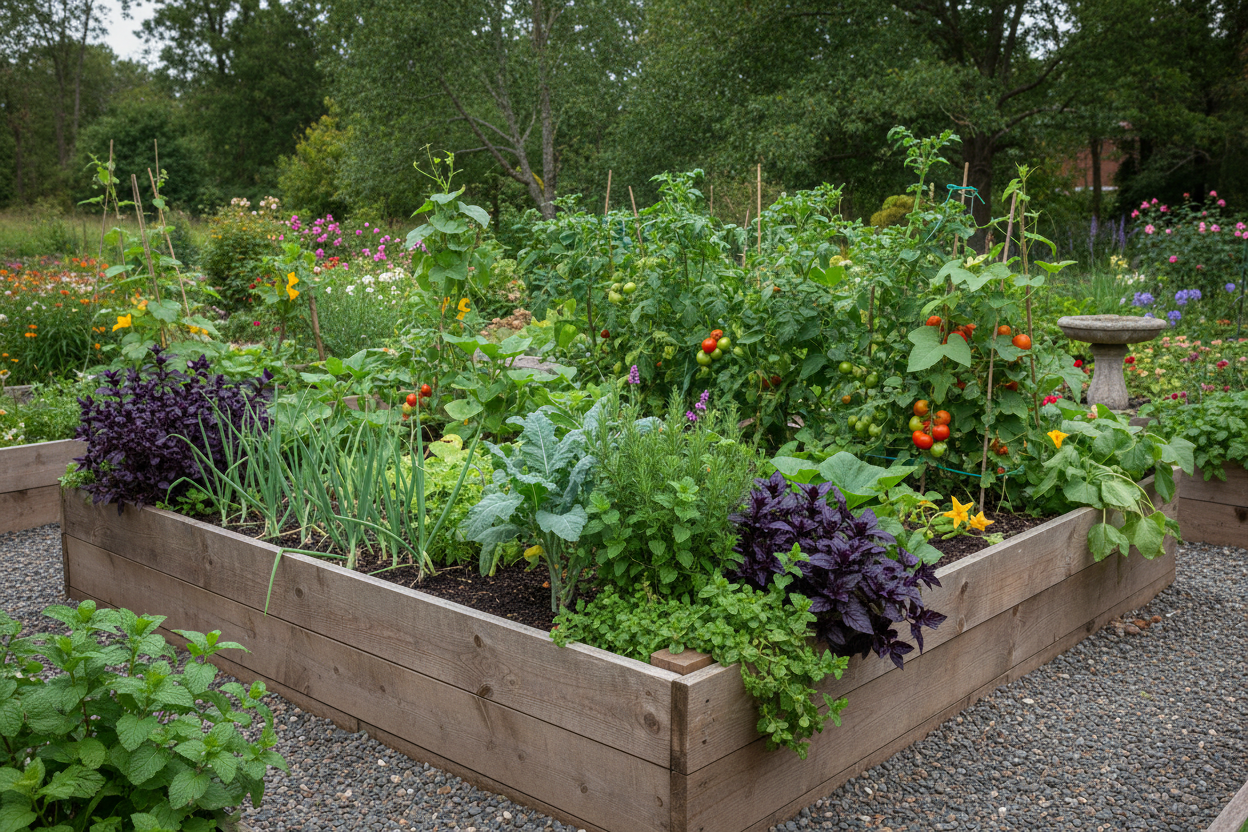
To start a raised bed garden, the basic process involves choosing a sunny, level spot, building or buying a frame from the right material, filling it with a quality soil mix, and planting crops that are well suited to your space and climate. The whole thing can cost as little as a weekend's effort and a modest initial budget, yet the returns in fresh produce and gardening confidence are considerable.
Gardeners who grew food in 2024 estimated saving an average of €875 on their grocery bills that year, that figure alone makes the upfront investment worth scrutinising carefully. Raised beds increase yields by 25-30% per square metre compared to traditional in-ground growing, which means every decision you make about location, materials, and soil pays compounded dividends. This guide walks you through each decision in sequence so you spend money where it matters and skip what you do not need.

Key Takeaways
-
Raised beds outperform in-ground plots on yield: Gardening statistics show raised beds increase yields by 25-30% per square metre, so if your in-ground harvests have disappointed, switching formats is the single highest-impact change you can make.
-
Soil is the budget item you should never cut: According to Bob Vila's raised bed guidance, starting with cheap soil is one of the most common and costly beginner mistakes, invest in a proper mix from day one and you will not need to strip and replace it later.
-
A 1 x 2 m bed is the ideal beginner size: keeping a bed no wider than 1 m means you can reach the centre from either side without stepping in, which prevents soil compaction and preserves root health.
-
47% of home gardeners now prefer raised beds: raised beds have overtaken in-ground plots as the most popular gardening method, meaning the community, resources, and product range available to beginners have never been richer.
Start here if you are:
-
A complete beginner with limited time: Build or buy a single wood kit, keep it to one bed, one soil mix, five plants. Succeed first, expand second.
-
Motivated by reducing grocery bills: Go straight to a larger bed and focus on high-yield crops: tomatoes, courgettes, lettuce, and herbs. These give the fastest return on your soil investment.
-
Working with a small urban space: A galvanised steel raised bed can sit on a patio, balcony, or even a flat roof with adequate structural clearance, no lawn required.
Step 1: Pick the Right Location Before You Build Anything
This is the decision that is hardest to reverse, so get it right first.
Sunlight Is Non-Negotiable
Like any garden, raised beds should be placed in an area with access to water and that gets the proper amount of light for the plants you want to grow. For plants like tomatoes, peppers, and eggplants that require full sun, locate your raised bed in an area that receives at least 6 to 8 hours of sunlight each day. In practice, I recommend tracking your intended spot from morning to late afternoon on a clear day before committing to any build. Shadows shift seasonally, and a spot that looks sunny in March can become partially shaded by June when nearby trees fill out.
Ideally, position your garden on the south side of any tall structures, such as homes, garages, tall sheds, and fences. This is especially important during the winter months, when the sun is lower on the horizon for those in the Northern Hemisphere.
Pro Tip: If your only available spot receives four hours of sun or less, do not abandon the idea entirely. If your raised bed receives less than a few hours of sunlight, you can still grow plants such as lettuce, baby kale, scallions, microgreens, radishes, and beet greens. Limit your ambitions on tomatoes and peppers until you find a better spot.
Drainage, Access, and Water Proximity
Do not install your raised bed in a wet area. Raised beds need to drain well so your garden soil is not continuously soggy. Beyond drainage, position your bed as close to a water source as possible. The second aspect to consider is water proximity. Place your garden, when possible, near a spigot, a rain barrel, or a location where it can be connected to an irrigation system. Hauling a heavy watering can 30 m twice a day gets old very fast.
Step 2: Choose Your Frame Material Wisely
Your frame choice determines how long your bed lasts and how much you spend per growing season. In 2024, unit shipments of raised beds included roughly 46% wood beds, 20% polypropylene resin beds, 18% metal beds, and 16% others. Wood remains the dominant choice for good reason; it is easy to work with, widely available, and looks at home in most gardens.
Wood: Cedar vs. Pine
Cedar and redwood are top performers, typically lasting 10-20 years, especially when made from heartwood and kept well-drained. Budget options like pine or Douglas fir usually last 2-5 years, unless sealed or lined to reduce soil contact.
Avoid pressure-treated lumber when building garden boxes. Chemicals can leach into the soil, which you will especially want to avoid when planting anything edible, particularly if you want an organic garden.
Metal and Other Options
Wood remains the dominant material, while metal, particularly galvanised steel, is the fastest-growing format, representing about 18% of global unit shipments in 2024. Galvanised steel beds are lightweight, essentially rot-proof, and suit a contemporary aesthetic. The caveat: metal is not suited to hot, arid climates as it transfers heat and causes the soil to get too hot for some plants. In Central European climates where Holland Kertészet customers garden, this is rarely a serious issue, but worth monitoring in south-facing, sun-baked spots during a hot summer.
Step 3: Get the Size and Depth Right
Width and Length
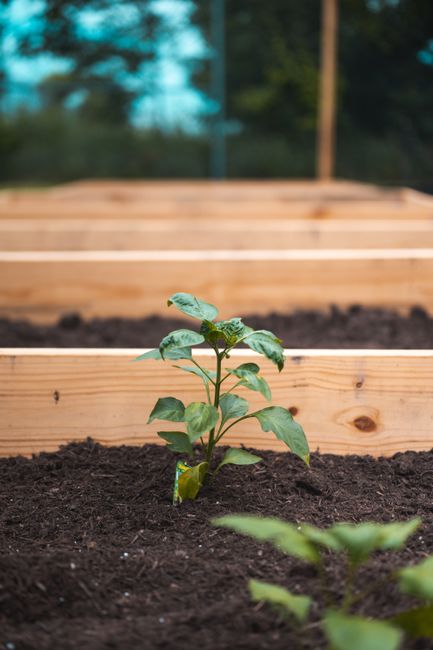
The common beginner size is 1 x 1 m or 1 x 2 m. Keep it no wider than 1m so you can reach the centre without stepping in the bed. Stepping inside compacts the soil and undoes the central benefit of a raised bed. Beds wider than 1m can be hard to reach, so keep them narrow for easier maintenance.
Depth by Plant Type
Depth is where beginners most often under-invest, and then wonder why their crops underperform. Raised bed depth requirements vary by plant: 15 cm for herbs and salad greens, 30 cm for root crops and peppers, and 30 to 40 cm for tomatoes, cucumbers, squash, and other large fruiting plants.
In my experience, building at 30 cm depth for a first bed is the practical minimum for growing a useful range of crops without restriction. If your budget allows, go to 30-40 cm and you will never need to rebuild just to accommodate a new plant type.
Pro Tip: Fill your raised beds all the way to the top. This is where many beginners unintentionally sabotage their garden. Two inches of soil simply cannot support deep roots, healthy vegetables, or root crops like carrots. Budget for enough soil to fill the frame fully before you plant anything.
Step 4: Mix the Right Soil
Soil is the single item where cutting costs causes the most damage. Regular garden soil is too dense for raised bed gardening. You need a mix that stays light and airy, drains freely, and holds enough moisture to sustain plants between waterings.
A Reliable Starting Mix
An optimal raised bed soil mix consists of 50% high-quality topsoil, 30% compost, and 20% organic materials. A simpler alternative that many experienced growers rely on is the classic "Mel's Mix": one third compost, one third coconut coir or peat moss, and one third aeration material such as perlite or pumice. This blend gives you rich organic matter, good moisture balance, and plenty of oxygen around the roots.
Maintain soil health by adding compost twice yearly and using mulch to protect the soil surface. In practice, this means a generous top-dressing of compost each spring before planting, and another lighter application in mid-summer for any crops that will continue growing into autumn.
What to Avoid
Avoid filling a raised garden bed with pure topsoil, straight compost, gravel layers, fresh manure, or wood scraps. Pure topsoil compacts; straight compost dries out rapidly; fresh manure can burn roots and introduce pathogens. Mix these components together rather than layering them in isolation.
Step 5: Choose the Right First Crops
The biggest motivation-killer in year one is planting things that fail. Start with crops that forgive imperfect technique and deliver results quickly.
Fast-Harvesting Crops for Beginners
Leafy greens like kale and lettuce thrive in raised beds and offer multiple harvests throughout the growing season. Radishes provide quick satisfaction for beginners, ready to harvest in just 30-45 days from planting. Bush beans produce abundant yields within 60 days while naturally improving soil quality through nitrogen fixation. Herbs like chives and basil require minimal maintenance and grow exceptionally well in the controlled environment of raised beds.
Tomatoes, basil, courgette lettuce, cucumbers, bush beans, snap peas, kale, and radishes are among the easiest vegetables for raised beds. Choose no more than five or six crops for your first season. A smaller, well-maintained bed will outperform an ambitious but neglected one every time.
Plants to Avoid in Year One
Most favourite vegetables, herbs perennials, and annual flowers can be grown in raised garden beds. However, large crops with extensive root systems, such as corn, artichokes, and rhubarb, are often too large for raised beds. Melons and full-sized pumpkins also take up disproportionate space for the yield they deliver in a small bed. Save them for year two when you have learned what your bed can support.
Pro Tip: Succession planting, sowing a new batch of fast-maturing crops like lettuce, radishes, and spinach every 2-3 weeks rather than all at once, eliminates the feast-or-famine harvest cycle and keeps your raised bed productive from early spring through late autumn.
Common Mistakes That Cost Beginners Money
Understanding what goes wrong is just as useful as knowing what to do right.
Skimping on Wood Thickness
One-inch boards may seem like a cost-effective option, but they are prone to warping, rotting, and breaking under pressure. You will not be able to enjoy your raised beds for very long before they start having problems. Buy the thickest boards your budget allows, ideally 5 cm, and treat it as a long-term investment in the bed's structural integrity.
Neglecting Soil Maintenance
A common beginner gardener mistake is forgetting that soil needs to be fed and maintained to keep up the health and productivity of the garden bed. Raised bed soil loses volume and nutrients each year as organic matter breaks down. Without annual compost additions, yields will decline noticeably by year three.
Overcrowding Plants
If you give plants too much room it wastes valuable growing space. If they are too crowded, this can lead to competition for resources, reduced growth, and increased risk of disease. Square foot gardening is an excellent method for ensuring proper plant spacing without overcrowding. Dividing a 1 x 2m bed into 1 m² sections gives you a clear, practical planting grid without any guesswork.

Frequently Asked Questions
Do I need to remove the grass beneath my raised bed?
Cardboard is a practical and free solution. Lay sheets of plain cardboard (remove any tape or staples) directly over the grass before placing your frame, then fill with soil. Cardboard is a good, free, biodegradable weed barrier that will keep weeds out of your new beds as they get established. It breaks down over 6-12 months, by which point the grass beneath will have died off from lack of light.
How often should I water a raised bed?
Vegetables and fruiting plants thrive on regular and reliable watering schedules, so unless you get exactly 3-5 cm of rainfall a week, you will need to add water consistently. In dry weather, most raised beds need watering every 1-2 days. The best time to water your garden is almost always the early morning when your plants are well rested. Overnight, they restore their energy and grab nutrients from the soil, and the morning is when they prepare for their day of growing ahead.
Can I place a raised bed on a paved surface like a patio?
Yes. Raised beds drain well and are excellent for otherwise difficult areas such as stony, compacted, contaminated, very wet, or nutrient-poor soils. They can even be used on hard surfaces. The key requirement is that the base of the frame is not sealed, drainage must be able to flow freely through the bottom, either into the ground or through drainage holes if using a lined base.
When should I start building and planting?
Build your frame any time outside the deep frost period. For temperate climates, late winter or early spring is ideal: the frame and soil can settle before the main growing season begins. Raised beds offer a longer growing season. Compared to in-ground beds, raised bed soil warms and drains faster in spring, so gardeners get a few extra weeks of growing. Use that advantage by getting cold-tolerant crops like lettuce, spinach, and radishes in the ground as soon as nighttime temperatures are consistently above freezing.
Ready to Build Your First Bed?
Raised bed gardening removes almost every obstacle that puts first-time growers off: poor native soil, limited space, back-breaking weeding, and unpredictable yields. The fundamentals covered in this guide, a well-lit location, a properly built frame, the right soil mix, and the right first crops, are enough to give you a productive, low-maintenance garden in your first season. If you are sourcing quality seeds, soil amendments, or starter plants, Holland Kertészet offers a practical range of products for home gardeners who want to start right without over-spending.
Start with one bed. Fill it properly. Plant five crops. Everything else can wait until year two.
Sources
-
Wifitalents Gardening Statistics 2026, Wifitalents. Yield data, household participation rates, and raised bed statistics. https://wifitalents.com/gardening-statistics/
-
Food Garden Trends & Statistics, Frontdoor. 2025 food gardening participation rates, savings estimates, and raised bed popularity data. https://www.frontdoor.com/blog/gardening-landscaping/food-garden-trends-statistics
-
Raised Bed Vegetable Garden Layouts for Beginners, Old Farmer's Almanac. Soil composition guidance and raised bed fundamentals. https://www.almanac.com/raised-bed-vegetable-garden-layouts-beginners
-
Beginner's Guide to Starting a Raised Bed Garden, Boots & Hooves Homestead. Sizing recommendations and accessibility guidance. https://bootsandhooveshomestead.com/beginners-guide-to-starting-a-raised-bed-garden/
-
Best Wood for Raised Garden Beds, Craft Camp. Lifespan comparisons of cedar, redwood, and pine. https://craft.camp/blog/best-wood-for-raised-garden-beds/
-
How Deep Should a Raised Garden Bed Be?, Gardenary. Depth requirements by plant type. https://www.gardenary.com/blog/the-best-height-for-raised-garden-beds-depending-on-what-plants-you-want-to-grow
-
Best Raised Bed Soil Mix, The Brown Chair. Soil mix recipes and climate adjustments. https://thebrownchair.com/garden/best-soil-mix-for-raised-beds/
-
Choosing the Best Soil for Raised Bed Gardening, Growing In The Garden. Mel's Mix formula and soil science. https://growinginthegarden.com/best-soil-for-raised-bed-vegetable-gardening/
-
Best Soil Mix for Raised Bed Gardening, Thrive Garden. Proportions, organic matter percentages, and maintenance guidance. https://thrivegarden.com/pages/best-soil-mix-for-raised-bed-gardening
-
Guide to Raised Beds, Gardener's Supply. Location selection, sunlight, and drainage guidance. https://www.gardeners.com/blogs/raised-bed-articles/raised-bed-basics-8565
-
A Beginner's Guide to Starting a Raised Bed Garden, DripWorks. Location factors, watering, and common mistakes. https://www.dripworks.com/blog/a-beginners-guide-to-starting-a-raised-bed-garden
-
27 Easy-to-Grow Vegetables for Raised Beds, Epic Gardening. Beginner-friendly crop selection and growing conditions. https://www.epicgardening.com/easy-vegetables-raised-bed/
-
Top Raised Bed Crops for Beginner Gardeners, Thrive Garden. Fast-harvesting crop options and succession planting guidance. https://thrivegarden.com/pages/what-to-grow-in-raised-beds-for-beginners
-
12 Easiest Vegetables to Grow in Raised Beds (2026), Anleolife. Succession planting strategy and crop rotation for beginners. https://www.anleolife.com/blogs/news/12-easiest-vegetables-to-grow-in-raised-beds-2026-zero-fail-list-for-beginners
-
Avoid These Common Mistakes for a Fruitful Raised Garden Bed, Bob Vila. Soil maintenance and crop rotation guidance. https://www.bobvila.com/diy/raised-garden-bed-mistakes/
-
Best Way to Water a Raised Garden Bed, Gardenary. Watering schedules and timing recommendations. https://www.gardenary.com/blog/the-best-way-to-water-a-raised-garden-bed
-
Raised Bed Gardens, University of Minnesota Extension. Authoritative guidance on sunlight, soil, and site selection. https://extension.umn.edu/planting-and-growing-guides/raised-bed-gardens
-
Raised Garden Beds Market Size and Share, Industry Research. Market segmentation data and material format breakdowns for 2024-2026. https://www.industryresearch.biz/market-reports/raised-garden-beds-market-108081


