

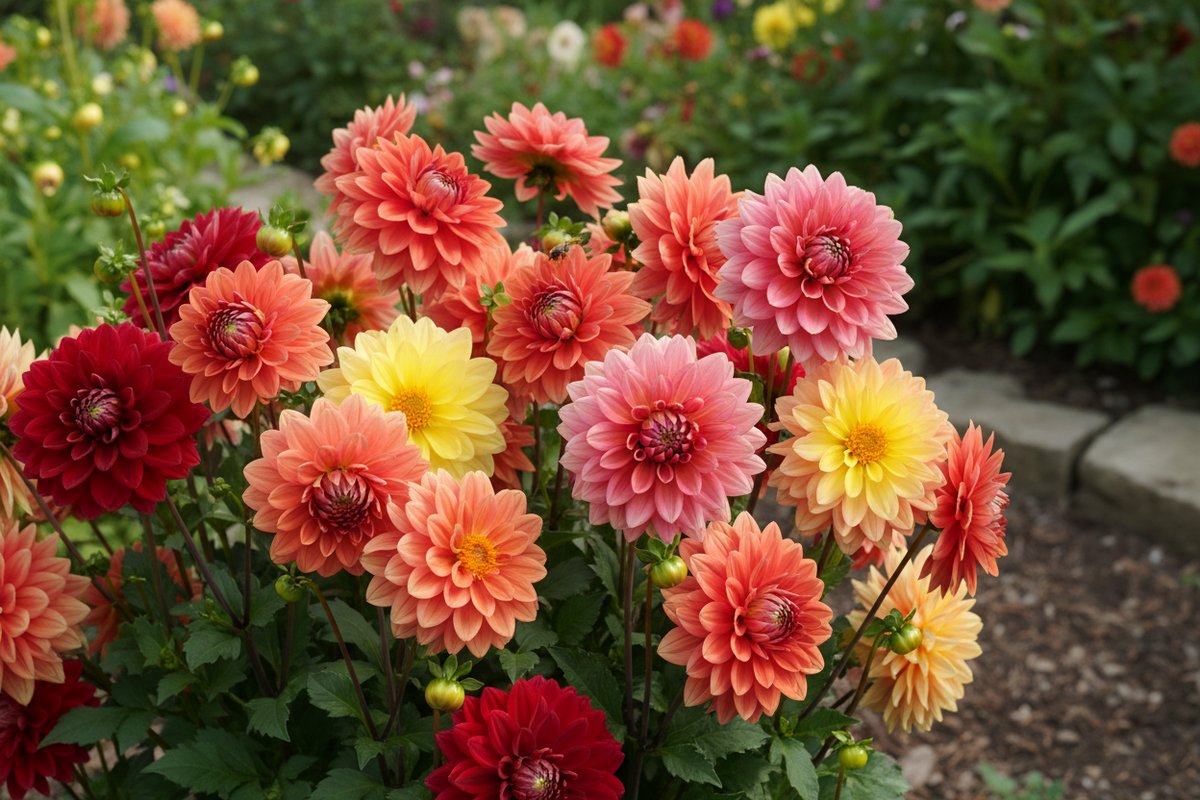
July is the moment most gardeners feel the pull most strongly: the season is in full swing, colour is everywhere, and yet the question lingers, how do I keep this going until the first frost? The good news is that summer flowering bulbs, chosen wisely and planted with a little strategy, can keep a garden alive with colour from June right through to October. Spring and summer bulbs make it easy to fill your yard and garden with colour from early spring through autumn, and by choosing bulbs that flower at different times during the growing season, you can always have something beautiful coming into bloom.
The challenge is knowing which bulbs last the longest and how to combine them. In my experience, most gardeners plant one or two varieties and then wonder why there's a gap in August. With the right selection, dahlias, tuberous begonias, cannas, gladioli, and eucomis; you can build a display that never goes dark. This guide breaks down the best performers, their realistic bloom windows, and the strategies that genuinely extend the season.

Key Takeaways
-
Tuberous begonias are the marathon runners: Tuberous begonias are by far the longest blooming of the summer flowering bulbs, blooming from June until frost. Start them indoors in March to maximise the window.
-
Dahlias bloom for months, not weeks: Dahlias bloom throughout the summer until the first night frost in autumn, this long flowering period makes them a favourite for gardeners who want consistent beauty throughout the warm months.
-
Succession planting is the most powerful tool: Succession planting is the practice of staggering your sowings or bulb plantings so that your garden stays full of flowers all season long, rather than planting everything at once, you plant in waves. For gladioli, planting a new batch every two weeks can extend colour from July to October.
-
Canna lilies are continuous, not seasonal: Canna lilies are continuous bloomers, meaning they do not have a single "bloom period" followed by dormancy. Once started, canna lilies continuously bloom throughout the summer from June to October.
-
Combine early, mid, and late bloomers: Succession bulb planting means choosing specific bulbs that bloom at different times, early blooms, mid blooms, and late blooms. By planting an assortment of bulbs from all categories, your garden will yield fresh blooms all season long.
Quick-Start Prioritisation Framework
| Bulb | Best For | Effort Level | Bloom Window |
|---|---|---|---|
| Tuberous Begonia | Shady spots, containers | Medium | June to frost |
| Dahlia | Bold borders, cutting | Medium | July to frost |
| Canna Lily | Sunny statement beds | Low | July to October |
| Gladiolus (succession) | Cutting gardens, vertical drama | Low | July to October |
| Eucomis (Pineapple Lily) | Late-season gap-filler | Low | July to September |
| Oriental Lily | Mixed borders, fragrance | Low | June to August |
Start here if you are:
-
A beginner with limited time: Canna lilies, plant the rhizomes once and they bloom continuously with minimal intervention.
-
Shade gardener: Tuberous begonias, the only long-bloomer that actively prefers partial shade.
-
Cutting garden grower: Gladioli combined with dahlias, succession plant gladioli every two weeks for a constant harvest.
-
After maximum colour for minimum effort: Dahlias, one planting delivers months of blooms right through to the first frost.
The True Long-Bloomers: Which Bulbs Stand Out
Tuberous Begonias: June to First Frost
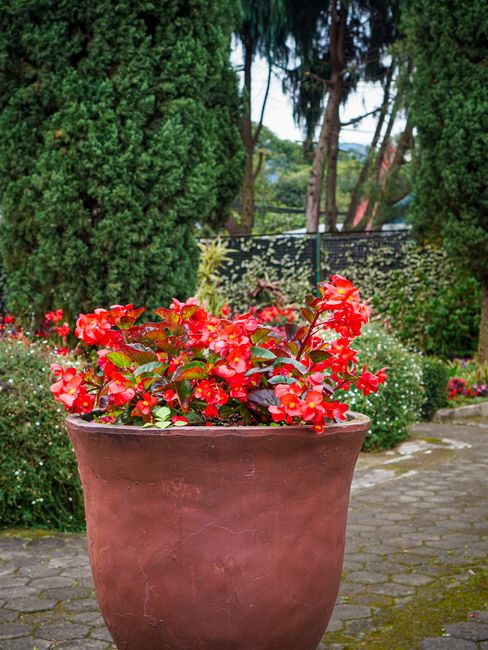
If there is one summer bulb that earns the title of longest display, it is the tuberous begonia. These eye-catching tropicals produce loads of large, lightly fragrant flowers that bloom continuously throughout the summer and autumn, right up until the first nip of frost. That is a potential window of four to five months, a figure no other common summer bulb matches outright.
The catch is timing. Because begonias take about 12 to 15 weeks to bloom, direct-planted tubers may not start flowering until very late in the summer. This is why starting them indoors is highly recommended for a longer display. Start tubers in March, and you will have flowers by late June or early July. One of the best things about begonias is that they are "nonstop" bloomers, unlike some perennials that bloom for a specific two-week window, tuberous begonias will keep producing new buds as long as they are happy.
Pro Tip: Begonias are "heavy feeders." They use a lot of energy to produce those giant, colourful flowers, and providing a steady supply of nutrients can help the plant reach the blooming phase faster and keep it there longer. Feed with a balanced, water-soluble fertiliser every two weeks once leaves are fully developed.
Tuberous begonias thrive in shady spots where few other plants with long bloom periods and showy flowers can grow, making them genuinely irreplaceable for north-facing borders, covered patios, and spots under tree canopies.
Dahlias: Midsummer to First Frost
Dahlias are the workhorses of the summer garden. It generally takes about 90 to 100 days for a dahlia to start flowering after you plant the tuber in the ground, usually around mid-May. Once they are off, they do not stop. Depending on the variety, dahlias usually flower from midsummer until the first killing frost of autumn. That is a reliable three to four months of continuous blooms.
One of the most beloved summer flowers, this Mexican native comes in an endless array of flower colours, forms, and sizes, from 2-inch pompons to giant 10-inch dinnerplates. That variety means dahlias work equally well as a low border plant or a towering focal point.
To get the most from dahlias, deadheading is essential. Cutting the flowers will generate new growth, giving you non-stop flowers. If you are aiming for the longest possible season, plant tubers indoors in early April to start flowers appearing by late July, then keep cutting.
Gladioli and Cannas: Strategic Bloomers
Gladioli: Short per Spike, Long by Design
Gladioli are slightly different from the above in that a single corm offers a brief but spectacular show. The "simple rule" for gladiolus is that they bloom once per corm, each spike of flowers lasts for about two weeks. The trick, therefore, is succession planting.
The best way to achieve a steady stream of blooms that lasts all summer is through a method called succession planting, the simple practice of staggering your planting dates. Instead of planting your entire collection at once, try planting a handful of corms every 10 to 14 days. This simple strategy ensures that as one group of flowers fades, the next group is just beginning to open, giving you colour from mid-July until the first frost of autumn.
On average, gladiolus bulbs will flower between 70 and 100 days after they are tucked into the soil, this three-month window is a general rule, but the exact timing can vary based on several natural factors. Plan your final planting so the corms go into the ground no later than 12 weeks before your expected first autumn frost.
Pro Tip: Mix grandiflora and dwarf gladioli varieties. Grandifloras usually fall on the longer end of the growth spectrum, often taking 85 to 100 days to flower, while dwarf varieties bloom faster, planting both in the same succession batch naturally staggers colour without extra effort.
Canna Lilies: The True Summer Marathon
Cannas earn their place in any long-display planting for their effortless, continuous nature. Under ideal conditions, most cannas will begin to bloom about 10 to 12 weeks after they are planted, because cannas are tropical plants, this timeline is largely dictated by heat and sunlight rather than a specific calendar date.
Once they start, the show rarely pauses. While an individual canna flower typically lasts only a few days, the entire flower stalk can continue to produce new blooms for 2 to 3 weeks. With proper deadheading and care, a canna lily plant can bloom continuously from early summer until the first hard frost, often for 3 to 4 months or even longer in ideal conditions.
Once the blooming starts, it does not stop easily, cannas are prolific producers that will continue to send up new flower spikes as long as the weather stays warm. Regular deadheading, cutting spent spikes down to the next side shoot rather than removing the whole stem, keeps the plant generating new flower heads. For the best results with dahlias, gladioli, and cannas as a combined planting, Holland Kertészet offers a wide range of quality bulbs suited to the European growing season.

The Late-Season Secret: Eucomis (Pineapple Lily)
Most gardeners focus their summer bulb planning on July. The smarter move is to plan for August and September as well, and that is where eucomis proves its value. Eucomis typically blooms for 6 to 8 weeks in late summer or early autumn, providing late-season interest in the garden, arriving precisely when dahlias and cannas begin their descent.
Raceme flowers bloom bottom to top over a long 6 to 8 week bloom period, and purplish seeds appear after the flowers die out and remain on the stalk, prolonging the plant's ornamental value. That is a genuine two-season contribution from a single planting.
Rich in nectar, the flowers of eucomis attract bees, butterflies, hummingbirds, and other pollinators, contributing to biodiversity in the garden. Pair eucomis with cannas for a seamless late-summer handover, as cannas begin to tire in September, the pineapple lilies are at their peak.
Pro Tip: Eucomis, commonly known as pineapple lilies, are unique and captivating, with their pineapple-like flower spikes, these summer-flowering tubers add a touch of exotic charm to your garden. Grow them in large containers so they can be moved to a sheltered spot before the first frost, extending the season by several weeks.
Common Mistakes That Cut Your Display Short
Planting Too Early in Cold Soil
The single most common error with summer bulbs is rushing them into the ground in cold, wet soil. Wait until conditions are warm enough to plant bulbs outdoors, as bulbs can rot if soil is too cool. Soil temperature should be at least 60 degrees or higher. For begonias, starting indoors in March and transplanting after frosts is safer still.
Failing to Deadhead
Every summer bulb in this guide responds to deadheading with extended blooming. Regular deadheading of spent flowers can encourage the plant to produce more blooms, effectively extending the blooming season. For dahlias especially, cutting flowers regularly, even when you do not need them for a vase, signals the plant to produce more. In my experience, gardens where deadheading is done weekly consistently outlast those where it is neglected by three to four weeks.
Planting All at Once
If you plant all of your gladiolus bulbs on the same day, they will likely finish their flowering cycle within a few weeks of each other. While this creates a massive explosion of colour, many gardeners prefer a steady stream of blooms that lasts all summer. The same principle applies, to a lesser degree, to lilies. By staggering your planting of lily bulbs from March to May, you can achieve different flowering times throughout the season.
Neglecting to Store Tender Bulbs
Most summer-flowering bulbs are "tender" and cannot bear frost come autumn. So, if you live in colder climates, they need to be dug up and stored until spring. Dahlias and cannas in particular need lifting after the first frost kills the foliage. Store tubers and rhizomes in dry peat moss or newspaper at around 5-10°C, and they will perform even better the following year.
Frequently Asked Questions
Which summer flowering bulb has the single longest bloom period?
Tuberous begonias are by far the longest blooming of the summer flowering bulbs, blooming from June until frost. Started indoors in late February or March and transplanted after the last frost, a well-tended begonia can deliver four to five months of continuous flowers. The key is beginning them early and feeding regularly throughout the season.
Can I still plant summer bulbs in July for late-season colour?
Yes, for some varieties. To succession plant gladioli, bury corms every two weeks until midsummer, for many growers, the last month for planting is July, though it can be sooner or later depending on your climate. Eucomis planted in July will also produce blooms in late summer and early autumn. Dahlias planted in July in warmer climates can still flower before the first frost.
Do I need to deadhead summer bulbs to extend the display?
Yes, consistently. Tuberous begonias do not need deadheading for continuous bloom, but they will look neater if you remove spent blossoms as well as any wilted foliage. Dahlias and cannas respond more dramatically, removing spent blooms on cannas by cutting down to the next side shoot means each stem will produce approximately 2 to 4 spikes of blooms.
Should I start summer bulbs indoors for a longer display?
For begonias and dahlias, starting indoors is strongly recommended in most of Europe. By starting begonias in March, you can enjoy a full display of colour starting in June or July, effectively doubling your "flower time" for the year. For cannas, under ideal conditions, most cannas will begin to bloom about 10 to 12 weeks after they are planted, so starting indoors in late March means July flowers rather than August.
How do I store summer bulbs over winter for next year?
Once frost has killed the foliage remove it and dig the bulbs up. Shake off excess soil and let them dry for a couple of days. Then store in sawdust or dry peat moss in boxes, not plastic bags, in a storage area that is dry and about 7°C. Do not allow them to freeze. Cannas in zones colder than zone 7 should be treated the same way, stored in barely-moist vermiculite.
Putting It All Together
The gardeners who get the longest summer displays from their bulbs are doing three things: choosing bulbs with genuinely different bloom windows, using succession planting for gladioli, and starting tender varieties like begonias and dahlias indoors early. A bed that combines begonias, dahlias, cannas, and eucomis, with gladioli succession-planted from April through to early July, can run from June to October with almost no gaps.
Some bulbs open in summer and continue blooming throughout the season until the arrival of first frost. This provides lasting interest from these flowers, instead of the ephemeral beauty of springtime bulbs that can come and go faster than you might notice. That staying power is the real value of a well-planned summer bulb collection, and July, the peak consideration month, is the ideal time to plan next year's display.
For a quality selection of summer flowering bulbs suited to the European climate, Holland Kertészet is worth exploring, with varieties chosen to perform well from spring planting through to the first autumn frosts.

Sources
-
Longest-Flowering Bulbs, Epic Gardening. Overview of bloom durations for popular summer bulbs. https://www.epicgardening.com/longest-flowering-bulbs/
-
Continuous Blooms Garden (Bulbs), Eden Brothers. Guide to continuous summer bloom planning. https://www.edenbrothers.com/collections/continuous-blooms-garden-bulbs
-
How to Keep Your Garden in Bloom All Summer Long, Peter Nyssen. Summer flowering bulb varieties and care. Cutting the flowers will generate
-
Bloom Time Chart for Spring and Summer Bulbs, Longfield Gardens. Comprehensive bloom timing reference. https://www.longfield-gardens.com/blogs/gardening-essentials/bloom-time-chart-for-spring-and-summer-bulbs
-
20 Summer Bulbs: The Best Summer-Flowering Bulbs, Garden Design. Planting and care guide. https://www.gardendesign.com/bulbs/summer.html
-
Dahlia Season: When Do They Bloom?, DutchGrown. Dahlia bloom timing and care. https://www.dutchgrown.com/blogs/the-dutchgrown-blog/when-is-dahlias-blooming-season
-
Gladiolus Bulbs Flowering Time: A Complete Summer Guide, Longfield Gardens. Gladiolus bloom timing and succession planting. https://www.longfield-gardens.com/blogs/gladiola-care/gladiolus-bulbs-flowering-time-a-summer-bloom-guide
-
Tuberous Begonias, University of Minnesota Extension. Academic guide to begonia cultivation and bloom timing. Tuberous begonias thrive in shady
-
Tuberous Begonias: A Growing and Care Guide, Garden Design. Bloom period and care requirements. https://www.gardendesign.com/plants/tuberous-begonia.html
-
How to Grow Tuberous Begonias for Beautiful Shade Blooms, Longfield Gardens. Indoor starting and bloom extension tips. https://www.longfield-gardens.com/blogs/begonia-care/how-to-grow-tuberous-begonias-for-beautiful-shade
-
How to Grow Begonias from Tubers, Campbell River Garden Centre. Practical growing guide with bloom period data. https://crgardencentre.com/blogs/shaunas-blog-1/how-to-grow-begonias-from-tubers
-
The Ultimate Canna Lily Care and Growing Guide, Garden Therapy. Canna bloom period and care advice. https://gardentherapy.ca/canna-lily/
-
When Do Canna Bulbs Bloom?, Longfield Gardens. Canna growth timeline and continuous blooming detail. https://www.longfield-gardens.com/blogs/canna-care/when-do-canna-bulbs-bloom-a-guide-to-summer-color
-
Canna Lily Bloom Time, Greenygardener. Duration and deadheading guidance. https://greenygardener.com/canna-lily-bloom-time/
-
Eucomis (Pineapple Lily), Gardenia.net. Bloom season and cultivation requirements. https://plants.ces.ncsu.edu/plants/eucomis/
-
Eucomis comosa (Pineapple Lily), Missouri Botanical Garden Plant Finder. Authoritative species data on bloom period. https://www.missouribotanicalgarden.org/PlantFinder/PlantFinderDetails.aspx?taxonid=281878
-
Eucomis comosa, NC State Extension Gardener Plant Toolbox. University-level species data. https://plants.ces.ncsu.edu/plants/eucomis-comosa/
-
Succession Planting Gladiolus for All-Summer Blooms, Longfield Gardens. Succession planting methods in detail. https://www.longfield-gardens.com/blogs/gladiola-care/succession-planting-gladiolus-for-a-full-summer-of-blooms
-
Summer-Flowering Bulbs Chart, The Old Farmer's Almanac. Reference chart for planting depth, spacing, and timing. https://www.almanac.com/summer-flowering-bulbs-chart


