

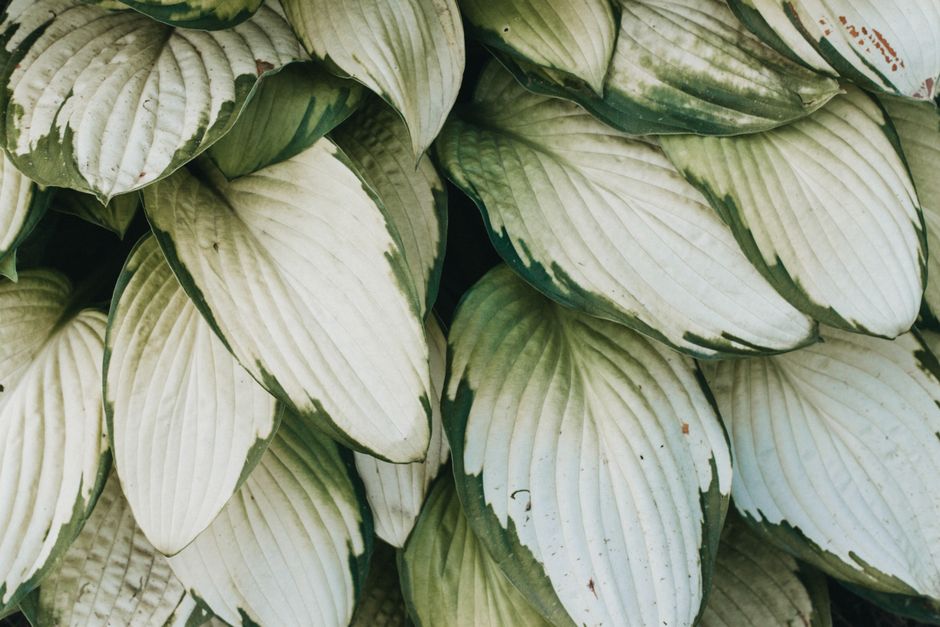
If your garden sits beneath a canopy of trees, hugs a north-facing wall, or is hemmed in by neighbouring buildings, you have probably watched sun-loving plants sulk, yellow, and eventually give up. The good news is that you do not need to surrender your garden to bare soil or tired grass. A carefully chosen selection of shade tolerant perennials can transform even the gloomiest corner into a lush, layered planting that rewards you year after year.
Hungarians collectively spend around 150 billion forints annually on hobby gardening, and the rise of urban and small-space gardening in Hungary is opening up new markets for ornamental plants. With more gardeners working in compact, partially shaded plots, knowing which perennials genuinely thrive without full sun is an increasingly valuable skill.
At Holland Kertészet, the team encounters this question every season: which perennials hold their own when the sun refuses to cooperate? This guide covers seven reliable choices, complete with practical care advice for the European climate.
Key Takeaways
- Shade type matters: Three shade types exist, full shade (under two hours of direct sun), partial shade (two to four hours), and dappled light (filtered through a canopy). Match each plant to the correct type for best results.
- Hostas and ferns are your backbone: Hostas, ferns, and brunnera are among the most reliable shade perennials for European gardens. Build your scheme around them and layer in flowering varieties for seasonal colour.
- Soil preparation is everything: Most shade plants prefer moist humus-rich soil enriched with garden compost. Before planting any of the seven listed here, improve your soil first, then plant.
- European ornamental gardening is booming: The European ornamental horticulture market was valued at €42 billion in 2022. This means a growing range of cultivars is available at garden centres across the continent, use it to your advantage and seek out named varieties with proven performance.
- Combine for four-season interest: Stagger bloom times by pairing early-spring flowerers like Pulmonaria with summer showstoppers like Astilbe, so the border is never bare.
Quick-Start Prioritisation
| Perennial | Best for | Effort Level | Time to Results |
|---|---|---|---|
| Hosta | Structural foliage, any shade depth | Low | One season |
| Hardy Fern (Dryopteris / Athyrium) | Texture, evergreen backbone | Very Low | One season |
| Astilbe | Summer colour in moist soil | Low-Medium | One season |
| Hellebore | Winter and early spring blooms | Low | First full season |
| Heuchera | Year-round foliage colour | Low | One season |
| Pulmonaria | Early spring flowers, ground cover | Very Low | First spring |
| Bleeding Heart (Dicentra) | Spring drama, woodland feel | Low | First spring |
Start here if you are:
- A beginner with a north-facing bed: Hostas and ferns first; they are almost impossible to fail with.
- After year-round interest: Add hellebore for winter, Pulmonaria for early spring, astilbe for summer, and heuchera for evergreen foliage through autumn.
- Working under a dense tree: Choose epimedium-type companions or Pulmonaria for dry shade; astilbe needs moisture, so keep it away from root-heavy zones.
1. Hosta: The Backbone of Any Shade Border
Why Every Shade Garden Needs One
Among the best of all foliage plants, hostas vary from large specimens to more diminutive types suitable for rock gardens, and all thrive in shade while also making good container plants. Few perennials offer such a broad palette: leaves range from steely blue-grey to warm gold, deep green to creamy white variegation, with textures running from smooth and glossy to heavily ridged.
All hostas give their best in moist soil in partial shade, whether in the ground or a container. In European gardens, a partly shaded border receiving gentle morning sun and afternoon protection is ideal. In Hungary's warmer summer conditions, avoid planting in spots that trap afternoon heat, the leaves will scorch.
Slug Management: The One Challenge
Hostas have a reputation for being loved by slugs and snails, so to minimise holes in leaves, choose hostas with some resistance. Varieties with thick, heavily textured leaves, such as 'Sum and Substance' or 'Halcyon', are noticeably less appealing to slugs. Place copper tape around containers, or lay a 5 cm layer of sharp grit around border plants to discourage unwanted visitors.
Pro Tip: Hostas die back completely in winter and re-emerge in April. Mark their positions with small canes to avoid damaging the crowns when digging nearby during winter months.
2. Hardy Ferns: Effortless Texture and Structure
Dryopteris and Athyrium for European Conditions
Ferns bring soft, feathery texture and a fresh splash of green, and they are perfectly at home in Europe's mild, damp climate, one of the easiest, most reliable shade-loving plants you can grow. Two genera are especially suited to Hungarian and central European gardens: Dryopteris (wood ferns) and Athyrium (lady ferns).
Athyrium filix-femina, the European lady fern, is native to Europe and Asia and found worldwide. These dependable ferns grow most happily in evenly moist and shady environments, in loose soils that are organically rich and slightly acidic. For something with more visual drama, the Japanese painted fern (Athyrium niponicum 'Pictum') delivers silver and burgundy fronds that genuinely glow in a dark border.
Dryopteris ferns are elegant deciduous, semi-evergreen or evergreen plants noted for their shuttlecock of arching fronds, and they come in a variety of shapes and sizes, from dwarfs for rock gardens to dramatic architectural plants. Dryopteris ferns are elegant plants thrive in light shade in evenly moist soils, and once established, they are low maintenance and drought tolerant.
Care at a Glance
Most ferns like morning sun but need protection from strong direct afternoon sun; deep to dappled shade works for most ferns. Their deciduous fronds melt away in winter, and the only pruning ever required is clean-up of brown or broken fronds. This makes them ideal for low-maintenance plantings.
3. Astilbe: Summer Colour in Dappled Shade
Plumes of Pink, Red, and White
Astilbe is a shade garden favourite, with colourful plume-like blooms, ferny foliage, and a hardy disposition that makes this easy-going perennial a feathery friend worth knowing. In the European market, it is one of the most sought-after border perennials precisely because it delivers genuine colour in conditions where most flowering plants refuse to perform.
Astilbe plants thrive best in full shade to partial sunlight, while they can tolerate some sunlight, too much exposure can scorch their fern-like foliage and weaken the plant. Plant astilbe in groups of three or more for the best visual impact.
Moisture: The Non-Negotiable
Beneath the feathery foliage and fuzzy plumes is a constitution of iron, with one stipulation: astilbes will not tolerate being dry. This is the critical point most gardeners miss. If your shaded area is also dry, for example, directly under a mature beech or lime tree, astilbe will disappoint. Maintain a mulch layer to lock in moisture and protect roots, and refresh the mulch annually in spring. In Hungary's warmer, drier summers, a 7 to 8 cm layer of compost mulch in May makes a measurable difference.
Pro Tip: If space allows, plant astilbes in multiples, cluster plants in groups of threes or fives, and choose varieties that flower at different heights and times to create a harmonious, layered effect.

4. Hellebore: Winter Flowers When Nothing Else Blooms
The Shade Garden's Seasonal Secret
Hellebore is a treasured shade perennial that blooms in late winter when little else is in flower, producing nodding cup-shaped blooms in white, pink, purple, and green. For European gardeners, particularly those in Hungary who face cold, grey winters, this flowering window from January through to early April is genuinely valuable.
Partial to full shade is ideal for hellebores, as they thrive under deciduous trees where they receive dappled sunlight in winter through bare branches and protective shade in summer. This means a spot that may feel too dark in summer works perfectly for hellebores when they need it most.
Easy Care, Long Life
Hellebores are deer-resistant drought-tolerant once established, and virtually maintenance-free. Hellebore leaf spot is the most common issue, prevent it by removing all old foliage in late winter. Failure to flower usually indicates too much shade, too-deep planting, or recently transplanted plants still settling in.
One thing to note: hellebore is among the most flagged shade plants on toxic plant lists, so site it carefully if you have pets or small children with access to the garden.
5. Heuchera: Year-Round Foliage Colour
The Compact Powerhouse
Heucheras have stunning foliage in various colours, from deep burgundy and purple to lime green, amber, and silver, and some types also produce delicate, bell-shaped flowers on tall stems in early summer, making these excellent perennials for shade. Few plants offer such reliable season-long interest for so little effort.
Heuchera are among the most adaptable and colourful foliage perennials for shady to partially sunny landscapes. Most like partial or dappled shade, although some dark-leaved cultivars can be planted in a sunnier spot to improve the depth of leaf colour; paler-leaved cultivars tend to get scorched by too much sun.
Planting and Maintenance
The single most important care rule for heuchera: keep the crown above the soil. Keep the heuchera crown at or just above soil level, the RHS is explicit on this point, stating that the crown must not be buried, as heucheras are prone to rotting if planted too deeply.
Heuchera performs best in slightly acidic, moist but free-draining soil enriched with organic matter; before planting, work in leaf mould or composted bark to improve structure. Divide clumps every three to four years in early spring to keep the plants vigorous.
6. Pulmonaria (Lungwort): Ground Cover with Early Spring Flowers
Silver Leaves and Bee-Friendly Blooms
With their small blue, pink, or white spring flowers and attractive silver-speckled leaves, these compact, easy-to-grow perennials are cottage garden favourites, and they are a good alternative to hostas if slugs are a problem. Pulmonaria is one of the earliest perennials to flower in the European garden, appearing in February or March, providing nectar for the first emerging bees when little else is open.
Pulmonaria can be herbaceous or semi-evergreen rhizomatous perennials with terminal clusters of funnel-shaped flowers in late winter or early spring, and often strikingly patterned leaves developing in summer. After flowering, the spotted or silver-frosted foliage provides ground cover interest right through to autumn.
Soil and Positioning
Pulmonarias tolerate most soils as long as they do not dry out excessively, and they prefer light shade, although once established they can tolerate more sun. This adaptability makes Pulmonaria one of the most forgiving choices for gardeners who are still learning their plot's conditions. Space plants 30 to 40 cm apart and mulch in spring.
Pro Tip: After flowering, shear Pulmonaria back by a third. This encourages a flush of fresh, pristine foliage that looks its best through summer and into autumn.
7. Dicentra (Bleeding Heart): Spring Drama Under the Trees
A Classic for Good Reason
Dicentra is an elegant, easy-care perennial for shady gardens, commonly known as bleeding heart, named for its distinctive, heart-shaped blossoms that dangle from slender, arching stems and bloom in spring and early summer. It is one of those perennials that stops visitors in their tracks when it is in full flower.
Old-fashioned bleeding heart (Dicentra spectabilis), fern-leaf bleeding heart (Dicentra formosa), and fringed bleeding heart (Dicentra eximia) all grow best in partial shade, where the foliage is protected from hot sun. In a Hungarian garden, dappled shade beneath a deciduous tree is the ideal position.
Summer Dormancy: Plan for the Gap
There is one characteristic to be aware of: the plants usually start to go dormant by August and the leaves turn yellow and wither sooner in hotter or drier weather. This is completely normal. In a shade garden, combine dicentra with ferns, hosta, hardy geranium, and astilbe, which come out later in spring to fill in as the bleeding heart declines. Plan the gap before you plant, and it becomes a non-issue.
Dicentra grows best in soil that stays lightly moist and is rich in organic matter, before planting, improve the soil by adding compost or leaf mould.

Common Mistakes to Avoid in a Shade Garden
Treating All Shade as Equal
The most frequent error is lumping all shaded spots together. Deep shade, under two hours of direct sun, is the toughest condition and only a handful of species really cope; soil moisture matters as much as light, as many shade species prefer moist humus-rich soil, while dry shade under mature trees needs a more drought-tolerant selection. Always check whether your shade is also dry before choosing a moisture-hungry plant like astilbe.
Planting Crown Too Deep or Too Shallow
Crown depth is different for each plant in this list. Hostas like the crown just at soil level. Hellebores should never be planted deeply. Heucheras need their crown slightly above soil to avoid rot. Take five minutes to check the correct depth for each plant before you firm it in; it will save you from losing an otherwise healthy specimen.
Skipping Winter Structure
Skipping winter structure is a common shade border mistake, add evergreen hellebore or epimedium so the bed reads well even in January. A border that looks bare for four months of the year is a missed opportunity.
Frequently Asked Questions
Which shade tolerant perennials work best under a mature tree?
For dry shade directly under a large tree, where roots compete for moisture, the most reliable choices are epimedium, Pulmonaria, hardy ferns such as Dryopteris, and hellebore. For dry shade under mature trees the top performers are epimedium, Pulmonaria, and hardy ferns, as these tolerate the combination of low light and summer drought that challenges most perennials. Astilbe and dicentra need more moisture and are better placed further from the trunk.
How do I improve soil in a shaded border before planting?
Most shade plants prefer moist humus-rich soil enriched with garden compost. Dig in a generous quantity of well-rotted compost or leaf mould before planting, a 10 cm layer worked into the top 20 to 25 cm of soil is a good starting point. Follow up with an annual mulch in spring to maintain moisture and suppress weeds.
Can I grow shade tolerant perennials in containers?
Yes, several of the seven work very well in pots. Hostas can be planted in large containers 30 to 45 cm in diameter, and you should choose a container with drainage holes. Heuchera and ferns also perform well in containers on a shaded terrace or balcony. Keep in mind that container plants dry out faster than border plants, so check soil moisture regularly during summer.
When is the best time to plant shade perennials in Hungary?
Spring (March to May) is the primary planting season, garden centres generate around 60 percent of their annual turnover during March, April, and May, reflecting when plants are at their freshest and roots establish most readily. Autumn planting (September to October) is also excellent for most of these perennials, allowing root establishment before winter.
Do shade perennials need feeding?
Most are light feeders compared to sun-loving border plants. A top-dressing of compost in spring is usually sufficient for hostas, ferns, and pulmonaria. Feed astilbe in spring with a slow-release, balanced fertiliser or organic compost, and a second light feeding after flowering keeps the foliage healthy. Avoid high-nitrogen feeds for dicentra, which can make plants soft and susceptible to slug damage.
Closing Thoughts
A shaded garden is a feature, not a limitation. With the right perennials in place, hostas for bold foliage, ferns for texture, astilbe for summer colour, hellebore for winter interest, heuchera for year-round colour, pulmonaria for early spring, and dicentra for spring drama, even the darkest corner can become a planting you are genuinely proud of.
If you are looking for a curated selection of these shade tolerant perennials sourced for the European climate, Holland Kertészet is a great place to start your search. Take the time to assess your shade type, prepare your soil, and plant with intention, the results will speak for themselves season after season.
Sources
-
RHS Hosta Growing Guide, Royal Horticultural Society. Comprehensive guidance on planting, care, and slug management. https://www.rhs.org.uk/plants/hosta/growing-guide
-
RHS Pulmonaria Plant Guide, Royal Horticultural Society. Shade preference, soil conditions, and cultivar advice. https://www.rhs.org.uk/plants/pulmonaria
-
RHS Epimedium Plant Guide, Royal Horticultural Society. Groundcover in dappled and deep shade. https://www.rhs.org.uk/plants/epimedium
-
RHS Heuchera Growing Guide, Royal Horticultural Society. Planting depth, shade preference, and care. https://www.rhs.org.uk/plants/heuchera/growing-guide
-
Best Plants for Shade in UK Gardens, GardenUK. Shade type classifications and perennial selection. https://gardenuk.co.uk/plants/best-plants-for-shade-uk/
-
Astilbe Care Guide, Nature Hills Nursery. Step-by-step planting, watering, and mulching for astilbe. https://naturehills.com/blogs/garden-blog/growing-and-caring-for-astilbe-plants
-
All About Dicentra, Longfield Gardens. Planting, care, and companion plant advice. https://www.longfield-gardens.com/blogs/perennial-plants-all-about/all-about-dicentra
-
Hellebore Care Guide, Plotmygarden. Maintenance, soil prep, and troubleshooting. https://plotmygarden.com/plants/hellebore
-
Heuchera Growing Guide, Blooming Expert. Crown planting depth, root rot prevention, and companion planting. https://www.bloomingexpert.com/tips/heuchera/growing-guide-15/
-
Shade Loving Perennials: 15 Picks for North-Facing Beds, GetGrowli. RHS shade classification, design tips, and plant pairing. https://www.getgrowli.app/blog/shade-loving-perennials
-
European Ornamental Horticulture Market Statistics, Gitnux. Market valuation and European gardening participation data. https://gitnux.org/gardening-industry-statistics/
-
One Hundred and Fifty Billion Forints Spent on Gardening in Hungary, Növekedés.hu. Hungarian garden centre market turnover and seasonal patterns. https://novekedes.hu/english/one-hundred-and-fifty-billion-forints-spent-on-gardening-in-hungary
-
Athyrium Lady Fern Plant Care, Portland Nursery. European lady fern culture, maintenance, and companion planting. https://portlandnursery.com/ferns/athyrium
-
Dryopteris Wood Fern Care, Gardenia.net. Shade tolerance, maintenance, and garden uses. Dryopteris ferns are elegant


