

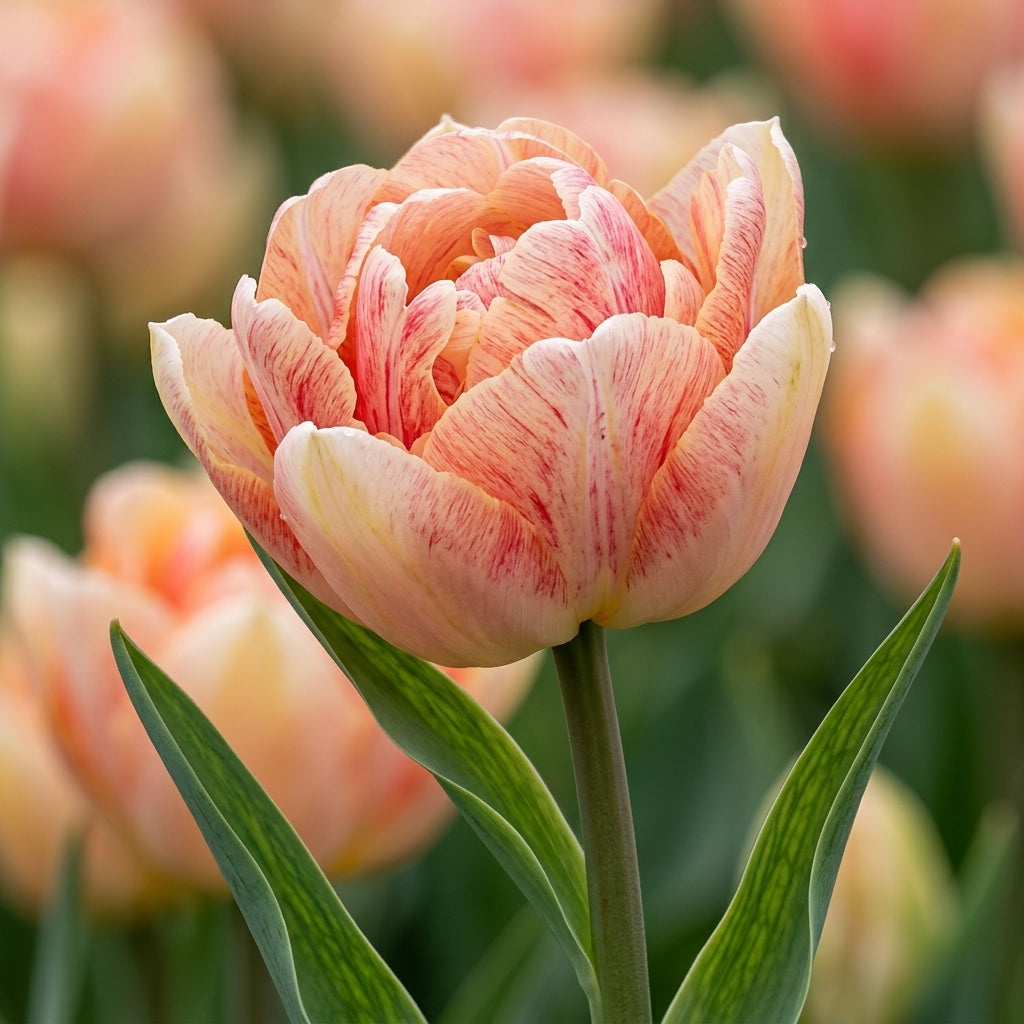
Few spring sights rival a garden bed alive with tulips. Tulips provide a splash of spring colour in dazzling shades, and the good news is that they are far easier to grow than most beginners expect. Whether you have a small front border, a raised bed, or a handful of terracotta pots by the front door, tulips reward very little effort with an extraordinary return. This guide covers everything a grower needs to know: which varieties to choose, when and how to plant, and how to keep your bulbs healthy for seasons to come.
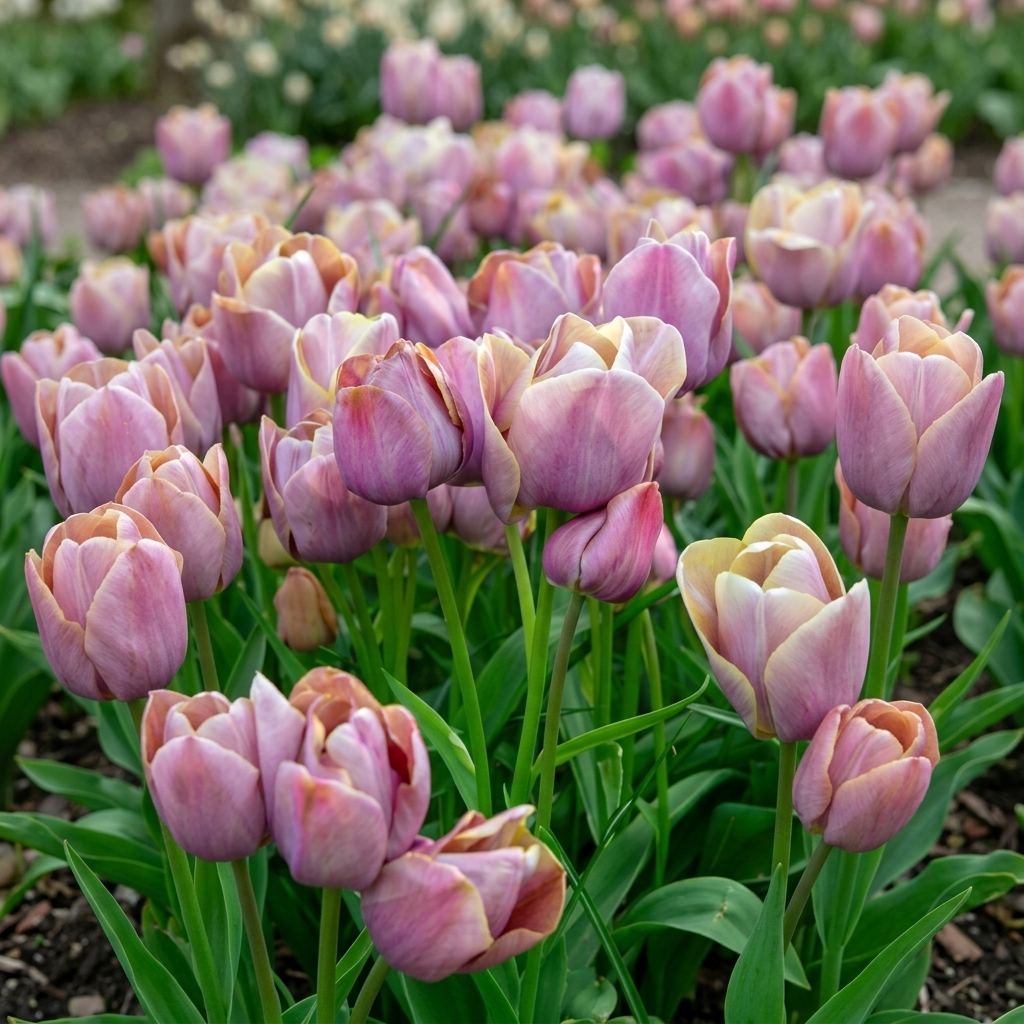
Key Takeaways
-
Timing is everything: Tulip bulbs are planted in the autumn, 6 weeks before the ground freezes, planting too early leads to disease, aim for when nighttime temperatures settle into single figures.
-
Depth protects your investment: A general rule is to plant the bulb two times as deep as the bulb is tall; for most tulips, this means the base of the bulb should be about 15 cm below the soil surface. Get this wrong in either direction and the results will disappoint.
-
Drainage is non-negotiable: Tulips like good drainage, so they do not do well on very heavy clay soils where bulbs may rot if the ground becomes waterlogged. Improving soil structure before planting is the single highest-impact step a beginner can take.
-
Post-bloom care decides next year's display: Foliage plays a critical role in bulb health, the leaves should remain until they naturally yellow and die back, as they continue to feed the bulb. Cutting foliage early is the most common beginner mistake.
Start here if you are:
-
A first-time bulb grower: Buy Darwin Hybrid bulbs, choose a sunny spot with good drainage, and plant in mid-autumn at 15 cm deep.
-
Working with containers: Select a pot at least 25 cm deep with drainage holes; pack bulbs closely for a dramatic "bouquet" effect.
-
Planting in heavy clay: Fork compost through the top 30 cm of soil, or plant in raised beds where drainage is naturally superior.
Choosing the Right Tulip Variety
Understanding the Main Groups
The number of tulip varieties is nearly 4,000 and counting, as floriculturists continue developing new varieties bred for cut-flower life, disease resistance, newer colours, and more striking forms. For beginners, narrowing that choice to a handful of reliable groups is the practical starting point.
Darwin Hybrids are perhaps one of the most reliably perennial tulips, returning each year for several springs when happy, with large flowers on strong, sturdy stems that open to almost 15 cm across. In my experience, Darwin Hybrids are the best starting point for any new grower; they are forgiving, long-lived, and produce a show that looks genuinely professional with minimal effort. Species tulips are generally the longest-lived tulips and work beautifully in rock gardens or naturalized settings. For drama and texture, Parrot tulips have fringed curled, ruffled, or twisted petals with a feathery appearance, and bloom in the late season on tall stems.
Mixing Bloom Times for Continuous Colour
Some tulips bloom just after the crocuses and others flower right before the peonies; by choosing varieties with different bloom times, you can have tulips flowering for six weeks. This strategy, sometimes called a "succession planting", is one of the simplest ways to maximize the visual impact of a modest number of bulbs. Suppliers such as Holland Kertészet offer carefully curated collections that make it straightforward to mix early, mid-season, and late varieties in a single order.
Planting Tulip Bulbs: Step by Step
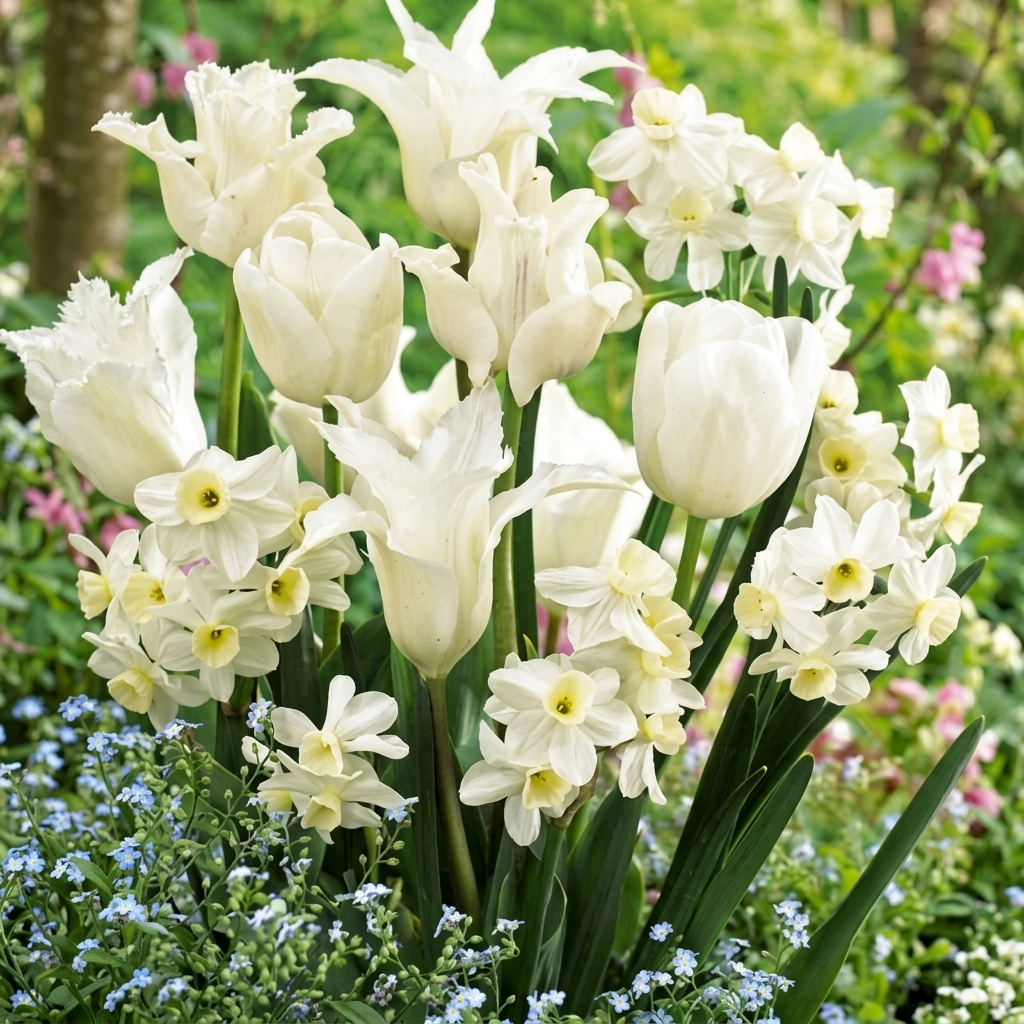
Timing Your Planting
The soil needs to have cooled off from the summer growing season before you plant, check the soil temperature with a soil thermometer and plant when the temperature 15 cm deep drops to 10-15°C. In Hungary and central Europe, this typically falls between October and December. Tulips grow well when planted between October and December, according to the Royal Horticultural Society's growing guide. Resist the urge to plant early on the first cool day of September, a few weeks of patience pays dividends.
Pro Tip: There are two good reasons to wait until November to plant your tulip bulbs: cold temperatures suppress fungal growth, so your bulbs will be less susceptible to disease. Waiting also means you avoid the peak squirrel-hoarding season.
Soil Preparation and Depth
Prepare the garden bed by using a garden fork or tiller to loosen the soil to a depth of 30 to 35 cm, then mix in a 5 to 10 centimeters layer of compost, advises The Old Farmer's Almanac. Space bulbs at least twice their width apart, and at a depth of two to three times their height, with the pointed end of the bulb uppermost; in areas with very cold winters, tulips benefit from deeper planting to protect them from penetrating frosts.
When you place the bulb in the hole, make sure the pointed end is facing up, this is where the stem will emerge; the flatter end with the small wiry bits is the base, where the roots will grow.
Grouping for Maximum Impact
Plant tulips in irregular groupings of 5, 7, or 9 bulbs rather than straight lines; odd numbers arranged in loose clusters mimic natural growth patterns and deliver a stronger visual punch. According to Breck's bulb planting guides, Breck's bulb planting guides look best when planted in groups of 50 or more bulbs, and recommend planning for 50-90 bulbs per m².
Ongoing Care and Maintenance
Watering
To trigger root system growth before winter dormancy, always water bulbs after planting; since bulbs are susceptible to rot diseases from excess water, normal rainfall should suffice through spring, according to the Dutch growing guide. Rainy summers, irrigation systems and wet soil are harmful to tulips, never deliberately water a bulb bed unless in a drought, as wet soil leads to fungus and disease and can rot bulbs.
After Blooming: Deadheading and Foliage
This is where many beginners go wrong. Deadheading tulips involves removing spent flowers once they fade; this prevents the plant from using energy to produce seeds, redirecting nutrients back to the bulb; the best method is to snip off the flower head while leaving the leaves untouched.
The six weeks after a spring bulb finishes blooming are when the bulb does almost all its work for next year: the leaves photosynthesize, the bulb fattens, and the flower buds for the following spring form deep inside; cut the leaves before that process is done and you starve the bulb.
Pro Tip: You can gently bend the foliage down to tidy up the appearance without damaging it. Alternatively, interplant with hostas or hardy geraniums, whose emerging foliage naturally screens the dying tulip leaves from view.
Lifting and Storing Bulbs
The ideal time to lift tulip bulbs is after the foliage has completely turned yellow and dried out, usually in late spring or early summer; at this stage the bulbs have absorbed enough nutrients for dormancy and can be stored in a cool, dry, and well-ventilated place until autumn replanting. Use a garden fork to carefully lift bulbs, avoiding cuts or bruises that can lead to rot, and remove excess soil without washing them, as moisture increases the risk of fungal infections.
Common Mistakes and How to Avoid Them
Pests, Disease, and Poor Soil
Tulip fire is a fungal disease of tulips caused by Botrytis tulipae, which produces brown spots and twisted, withered, and distorted leaves; it is so named because in severe cases plants appear as if scorched by fire, as documented by the RHS's advice on tulip fire. If you spot this, act immediately. If tulip fire is discovered, the bulbs and plants must be discarded (not composted) and no tulips should be planted in the infected soil for at least 3 years.
The preventive steps are straightforward. Start with healthy, disease-free bulbs from a reputable supplier; avoid planting bulbs that show signs of disease or decay; and choose a planting site with well-drained soil, good air circulation, and no overhead watering.
Wildlife is the other common headache. Protect from rodents with wire mesh mesh and from deer by interplanting with daffodils and using repellents.

Frequently Asked Questions
When is the best time to plant tulip bulbs in Hungary?
Plant tulip bulbs in early October to December to flower in the spring, according to the RHS. The key trigger is soil temperature rather than the calendar, wait until the soil has cooled to below 15°C at 15 cm depth. Planting too early when the soil is still warm encourages premature top growth that is then vulnerable to winter frost.
How deep should I plant tulip bulbs?
The general rule of thumb is to plant tulip bulbs two to three times their height; for most tulip varieties, this means planting them about 15 cm deep. In clay soils, planting slightly shallower is acceptable, while sandy soils benefit from a little extra depth to prevent the bulb from drying out.
Can I leave tulip bulbs in the ground after they flower?
You can leave tulip bulbs in the ground all year; however, it is important to provide proper care, including watering, fertilising, and allowing the foliage to die back naturally, to ensure healthy growth in the following season. In wet climates or heavy soils, lifting and storing bulbs over summer is the safer option to prevent rot.
Why did my tulips not bloom this year?
Tulips may fail to bloom for several reasons; the most common cause is poor soil quality or incorrect planting depth. Other likely culprits include foliage being cut too early after the previous season's bloom (starving the bulb), planting in a spot with insufficient sun, or waterlogged soil that has caused the bulb to rot. For reliable repeat performance, Darwin Hybrid and species varieties are the most dependable choices.
Sources
-
How to Grow Tulips: Planting, Care, and Tips, The Old Farmer's Almanac. Comprehensive planting and care guide. https://www.almanac.com/plant/tulips
-
How to Grow Tulips Growing Guide, Royal Horticultural Society (RHS). UK-specific advice on timing, depth, and variety selection. https://www.rhs.org.uk/plants/tulip/growing-guide
-
Tulip Fire: Causes and Control, Royal Horticultural Society (RHS). Disease identification and prevention. https://www.rhs.org.uk/disease/tulip-fire
-
7 Tips for Planting Tulips, Longfield Gardens. Grouping, depth, and fungal disease prevention. Breck's bulb planting guides
-
Common Tulip Pests or Diseases, Longfield Gardens. Guide to tulip fire and basal rot. Start with healthy, disease-free


